Gewürztraminer: The Bold, Aromatic White of Alsace and Beyond
Uncover Gewürztraminer, the intensely aromatic grape famed for its lychee, rose petal, and spice notes, from its Alsatian stronghold to expressions across the world's coolest wine regions.
Gewürztraminer: The Bold, Aromatic White of Alsace and Beyond
No grape announces itself quite like Gewürztraminer. Pour a glass and the room fills with an extravagant perfume of lychee, rose petals, Turkish delight, and baking spices. It is a grape that divides opinion — some find its intensity intoxicating, others overwhelming — but no one can accuse it of subtlety.
The name itself signals the grape's character: "Gewürz" means "spice" in German, and Traminer refers to the village of Tramin (Termeno) in the Alto Adige region of northern Italy, where the grape's ancestor is believed to have originated. Together, the name promises exactly what the wine delivers: aromatic spice from an ancient lineage.
History and Origins
Gewürztraminer is a pink-skinned mutation of the Traminer grape, one of the oldest identified wine varieties in Europe. Traminer has been documented in the Alto Adige since at least the thirteenth century, and its aromatic mutation — what we now call Gewürztraminer — likely emerged gradually over centuries of vineyard selection. The mutation is characterized by higher levels of monoterpenes, the aromatic compounds responsible for the grape's extraordinary perfume. It is these terpenes — particularly linalool, geraniol, and citronellol — that produce the distinctive lychee, rose, and ginger notes that make Gewürztraminer instantly recognizable even to novice tasters.
The grape found its spiritual homeland in Alsace, the French region wedged between the Vosges Mountains and the Rhine River. Alsatian winemakers recognized Gewürztraminer's extraordinary aromatic potential and elevated it to one of the region's four noble varieties (alongside Riesling, Pinot Gris, and Muscat), granting it access to the coveted Grand Cru vineyard designations.
Gewürztraminer's journey to other wine regions has been uneven. Its demanding viticultural requirements and polarizing flavor profile have limited widespread adoption, but passionate producers in Germany, New Zealand, Oregon, British Columbia, and northern Italy continue to champion the grape.
Key Growing Regions
Alsace, France
Alsace remains the global reference point for Gewürztraminer. The region's unique position — protected from Atlantic rainfall by the Vosges Mountains, bathed in warm, dry sunshine, and cooled by altitude — creates ideal conditions for this late-ripening variety. Grand Cru vineyards like Hengst, Goldert, Mambourg, and Brand produce the most complex and age-worthy expressions.
Alsatian Gewürztraminer ranges from bone-dry to lusciously sweet. The dry versions showcase the grape's spice and mineral complexity, while Vendange Tardive (late harvest) and Sélection de Grains Nobles (botrytis-affected) bottlings are among the world's most extraordinary dessert wines. The region produces approximately 20% of France's total Gewürztraminer output, but its qualitative dominance is even more pronounced — virtually all of the world's top-rated examples originate from Alsatian vineyards.
The region's diverse geology — granite, limestone, clay, sandstone, volcanic — adds further complexity. Granite-based soils, such as those found on the Grand Cru Brand, tend to produce more mineral, structured wines with pronounced floral character. Clay and marl, as found on Hengst and Goldert, yield richer, more opulent expressions with greater Body and concentration. Volcanic soils, present on the Grand Cru Rangen in Thann, produce Gewürztraminer of extraordinary mineral intensity and smoky depth, unlike any other expression of the grape.
Alto Adige, Italy
The grape's ancestral homeland continues to produce distinctive Gewürztraminer (labeled Traminer Aromatico locally). Alto Adige's high-altitude vineyards, some exceeding 600 meters, create wines with more restrained aromatics and crisper Acidity than their Alsatian counterparts. The style is generally drier and more elegant, reflecting the cooler mountain climate. The village of Tramin itself — where the grape's story began — remains a viticultural center, and the local cooperative produces wines that honor the grape's ancestral connection to this Alpine landscape. Alto Adige Gewürztraminer tends to display more citrus and mineral character alongside the expected lychee and spice, offering a more gastronomic, food-friendly expression than the typically richer Alsatian style.
Germany and Beyond
Small plantings in the Pfalz and Baden regions of Germany produce both dry and off-dry styles. New Zealand's cooler regions — Marlborough, Central Otago, and Gisborne — have shown promise with more restrained, food-friendly expressions. Oregon's Willamette Valley and British Columbia's Okanagan Valley also produce noteworthy examples. In Chile, the Bío-Bío and Malleco regions in the south are producing surprisingly aromatic Gewürztraminers that benefit from the cool maritime influence and long growing season. Eastern European countries including Romania and Moldova maintain small but historic plantings.
Viticulture Characteristics
Gewürztraminer is a notoriously challenging grape to grow. Its vines are low-yielding naturally, producing small, tightly packed clusters of pink-skinned berries. It buds early, exposing it to spring frost damage, and ripens late, requiring a long growing season to achieve full Phenolic maturity. The pink-bronze skin color — unusual among white wine grapes — is a visual clue to the grape's aromatic intensity, as the pigment compounds in the skin are closely linked to the terpene molecules responsible for Gewürztraminer's perfume.
The grape accumulates sugar rapidly, often reaching high Brix levels while retaining relatively low acidity — a combination that can produce wines that feel heavy and alcoholic if not carefully managed. This sugar-to-acid imbalance is the central viticultural challenge: harvest too early and the spice character fails to develop; harvest too late and the wine becomes ponderous. The optimal picking window is often just three to five days, requiring precision and experience from the vineyard team.
Disease susceptibility is another concern. The thin-skinned berries are prone to botrytis, which is desirable for sweet wines but devastating for dry production. Careful canopy management and vigilant vineyard monitoring are essential. Millerandage — uneven berry development within a single cluster — is also common, leading to clusters containing both fully formed and tiny, seedless berries. While this complicates harvesting, it can actually enhance complexity, as the small berries contribute concentrated flavor and the larger berries provide juice volume.
Winemaking Approaches
Gewürztraminer demands a delicate touch in the cellar. Most winemakers favor gentle whole-cluster pressing to avoid extracting harsh Phenolic compounds from the skins. Cold settling and temperature-controlled fermentation in stainless steel preserve the grape's explosive aromatics.
The question of residual sugar is central to Gewürztraminer winemaking. Even wines labeled "dry" often retain a few grams per liter of residual sugar to balance the grape's naturally low acidity and enhance the perception of fruit. Truly bone-dry Gewürztraminer can taste austere and unbalanced, which is why many producers deliberately leave a touch of sweetness as a structural element.
Oak aging is rare but not unknown. A handful of Alsatian producers use large, neutral oak casks for fermentation, adding subtle textural complexity without overwhelming the grape's delicate Aroma profile. Extended Lees contact is more common, building a creamy mid-palate that counterbalances the wine's aromatic intensity.
For sweet wines, late harvesting allows botrytis or natural dehydration to concentrate sugars and flavors. Vendange Tardive wines offer honeyed richness with dried fruit and spice, while Sélection de Grains Nobles bottlings achieve extraordinary concentration — golden, viscous wines of almost syrup-like intensity that can age for decades.
Flavor Profile
Gewürztraminer's aromatic profile is unmistakable. Lychee is the signature note — a distinctive, sweet-floral-tropical aroma that trained tasters can identify blindfolded. Rose petals, Turkish delight, ginger, cinnamon, and white pepper form the spice component. Ripe examples add mango, passion fruit, and dried apricot.
On the palate, the wine is typically full-bodied with moderate to low Acidity, a rich, oily texture, and a long, spicy finish. The combination of aromatic intensity and textural weight gives Gewürztraminer an almost tactile quality — it feels as much as it tastes.
Aged Gewürztraminer develops extraordinary complexity: smoked tea, dried roses, gingerbread, honey, and a distinctive bitter-almond finish. Top Alsatian Grand Cru bottlings from great vintages can evolve for twenty to thirty years, though they are magnificent at every stage of their development.
The question of sweetness perception is important with Gewürztraminer. Even technically dry wines can taste sweeter than they are, due to the combination of intense fruit aromatics, full body, and low acidity. Conversely, wines with noticeable residual sugar can taste balanced and even refreshing when the other elements are in harmony. This interplay between perception and reality makes Gewürztraminer a fascinating case study in how our brains process wine — and why analytical data alone can never fully capture the experience of drinking.
Food Pairings
Gewürztraminer is one of the rare white wines that can stand up to boldly flavored cuisine. Its natural affinity with Asian food is legendary — the wine's lychee and ginger notes echo the flavors of Chinese, Thai, and Indian cooking. Aromatic curries, Peking duck, pad Thai, and dim sum are all exceptional pairings. Dim sum restaurants in Hong Kong and Singapore have long appreciated this pairing, and off-dry Alsatian Gewürztraminer has become a staple of Asian fine dining wine lists worldwide.
Alsatian charcuterie and cuisine provide classic matches: foie gras with a Vendange Tardive Gewürztraminer is one of wine's great combinations, the wine's honeyed spice creating a luxurious harmony with the rich, silky liver. Munster cheese — the pungent, washed-rind specialty of Alsace — pairs memorably with the wine's bold aromatics, each amplifying the other's intensity in a pairing that seems impossible on paper but works magnificently in practice.
The grape also excels with Moroccan tagines, smoked salmon, rich pâtés, and dishes featuring warm spices like cumin, turmeric, and star anise. Szechuan cuisine, with its complex layering of heat, numbing spice, and aromatic compounds, finds an improbable but effective partner in dry Gewürztraminer. For dessert, fruit tarts, crème brûlée, and tropical fruit sorbets complement sweet expressions beautifully. Tarte flambée (flammekueche), the Alsatian flatbread topped with cream, onions, and lardons, is a beloved local pairing that showcases the wine's ability to balance richness with aromatic lift.
Notable Producers and Bottles
Alsace dominates the Gewürztraminer landscape. Zind-Humbrecht's Grand Cru Hengst and Goldert bottlings are considered among the world's finest expressions, combining power with remarkable finesse. Trimbach's Cuvée des Seigneurs de Ribeaupierre represents a more restrained, gastronomic style. Weinbach, Marcel Deiss, Albert Mann, and Josmeyer consistently produce outstanding wines across multiple tiers.
In Alto Adige, Tramin (the cooperative named after the grape's home village) produces excellent Nussbaumer Gewürztraminer. Elena Walch and Cantina Terlano also produce refined, altitude-driven expressions. In the New World, Dry Creek Vineyard in Sonoma and Misha's Vineyard in Central Otago offer compelling alternatives. Huia in Marlborough produces a notably restrained, food-friendly style that has won critical praise.
Understanding Sweetness Levels
Navigating Gewürztraminer's sweetness spectrum is essential for both enjoyment and food pairing. Alsatian labeling offers some guidance but can be confusing, since wines labeled "Alsace Grand Cru" or even basic "Alsace" can range from dry to distinctly sweet. The absence of a mandatory sweetness declaration on Alsatian labels means that producers' reputations and individual experience become the primary guide. Trimbach, for instance, is known for consistently drier styles, while Zind-Humbrecht's wines tend toward richer, off-dry expressions. Vendange Tardive (VT) wines must reach minimum sugar levels at harvest but may finish dry or sweet depending on the producer's intent. Sélection de Grains Nobles (SGN) is always sweet — these botrytis-affected wines represent the pinnacle of Alsatian dessert wine production and are among the most long-lived white wines in the world, with top examples aging gracefully for fifty years or more.
Comparison with Similar Grapes
Gewürztraminer is often grouped with other aromatic whites, but its intensity sets it apart. Muscat shares the floral, perfumed character but tends toward lighter body and more grapey, less spicy flavors. Viognier offers similar weight and stone-fruit richness but without Gewürztraminer's distinctive lychee and rose notes. Torrontés from Argentina provides an interesting New World comparison — it shares some of Gewürztraminer's floral exuberance but typically with higher acidity and a more restrained palate weight.
Riesling, Gewürztraminer's fellow Alsatian noble grape, provides an instructive contrast. Where Riesling is about precision, citrus, and mineral tension, Gewürztraminer is about opulence, spice, and aromatic excess. Together, they represent two poles of white wine expression — the intellectual and the sensual — and both reach their zenith in the vineyards of Alsace. Pinot Gris from Alsace occupies a middle ground between the two, sharing some of Gewürztraminer's richness and body but with more neutral aromatics and higher acidity.
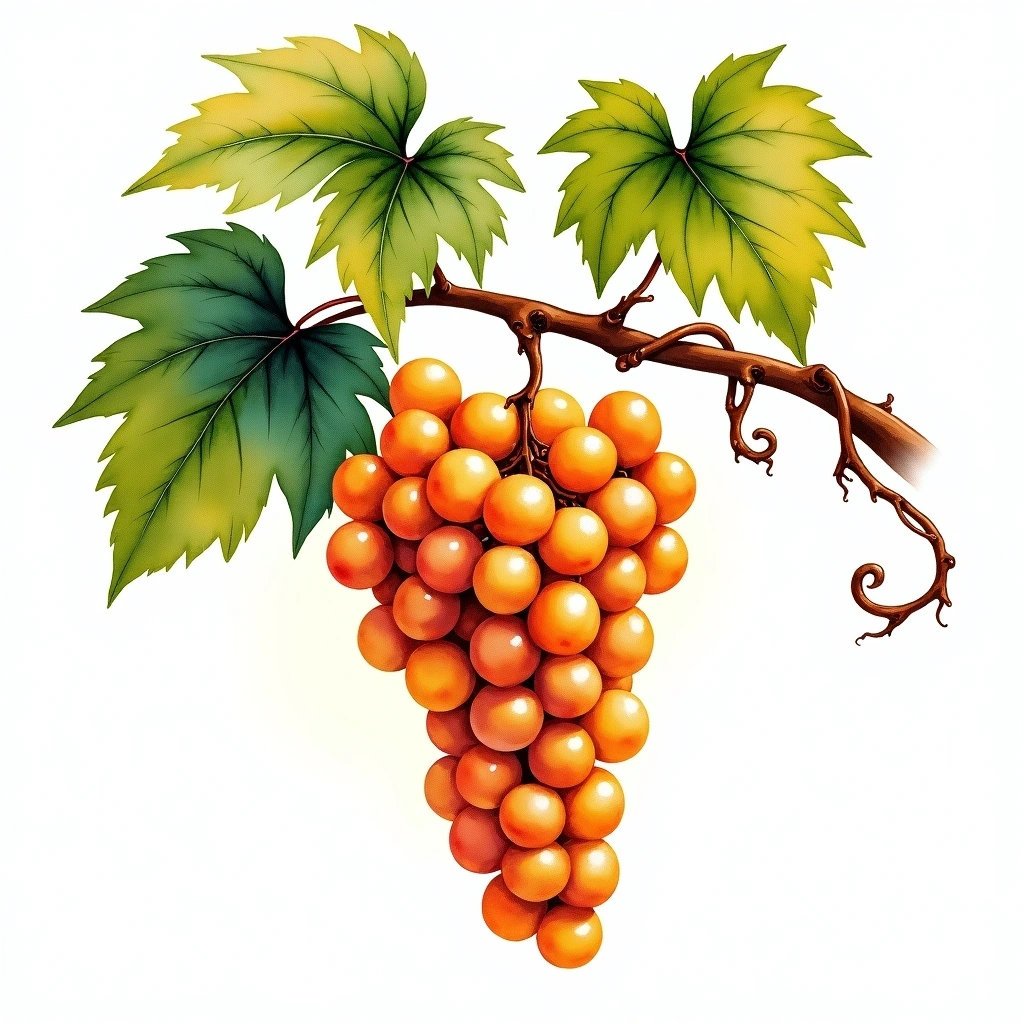 Gewürztraminer
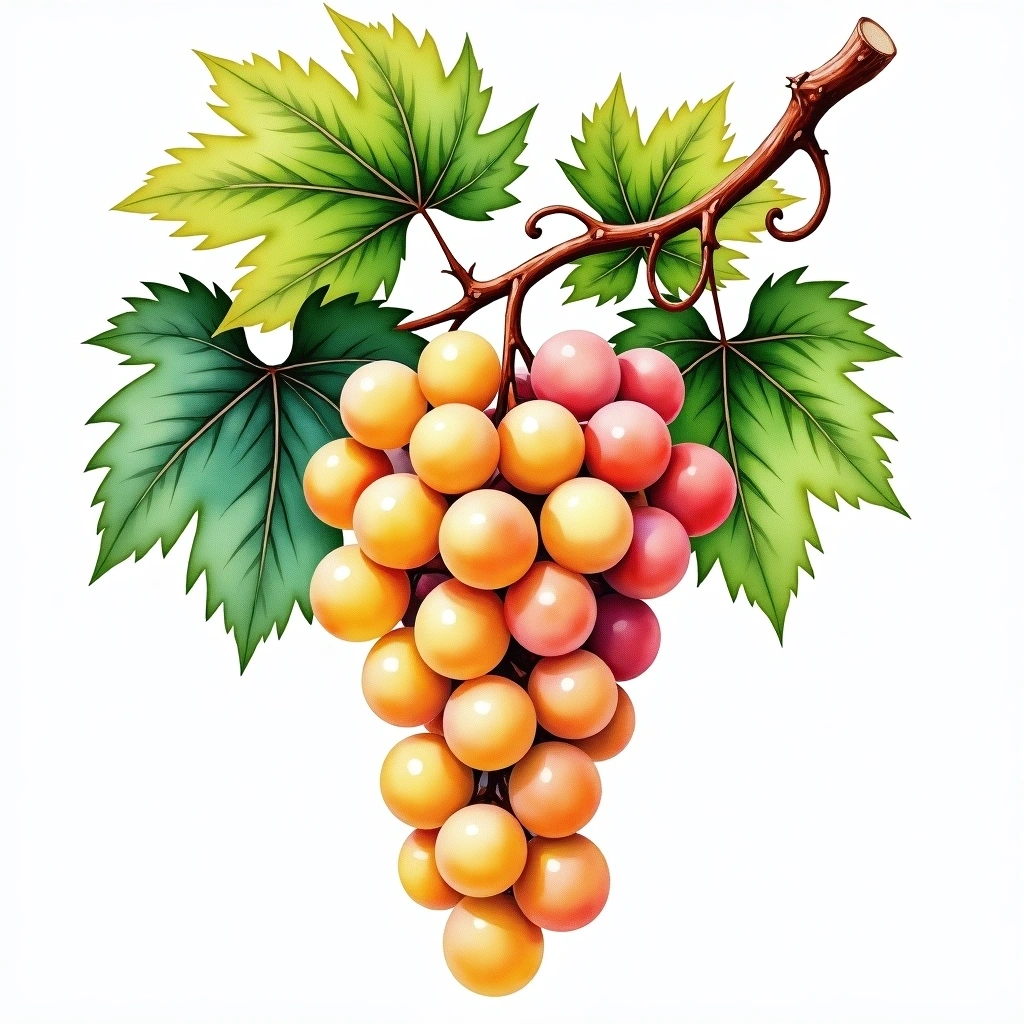 Pinot Grigio
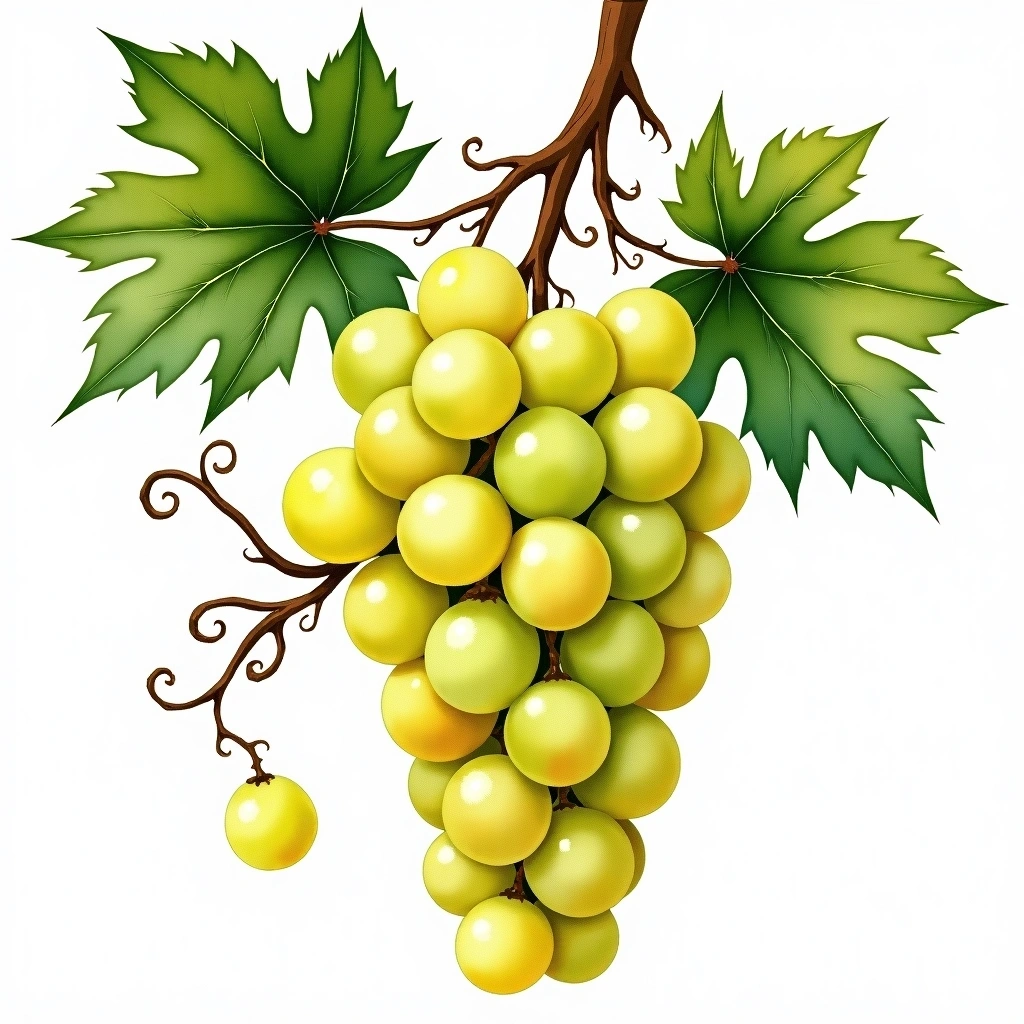 Riesling
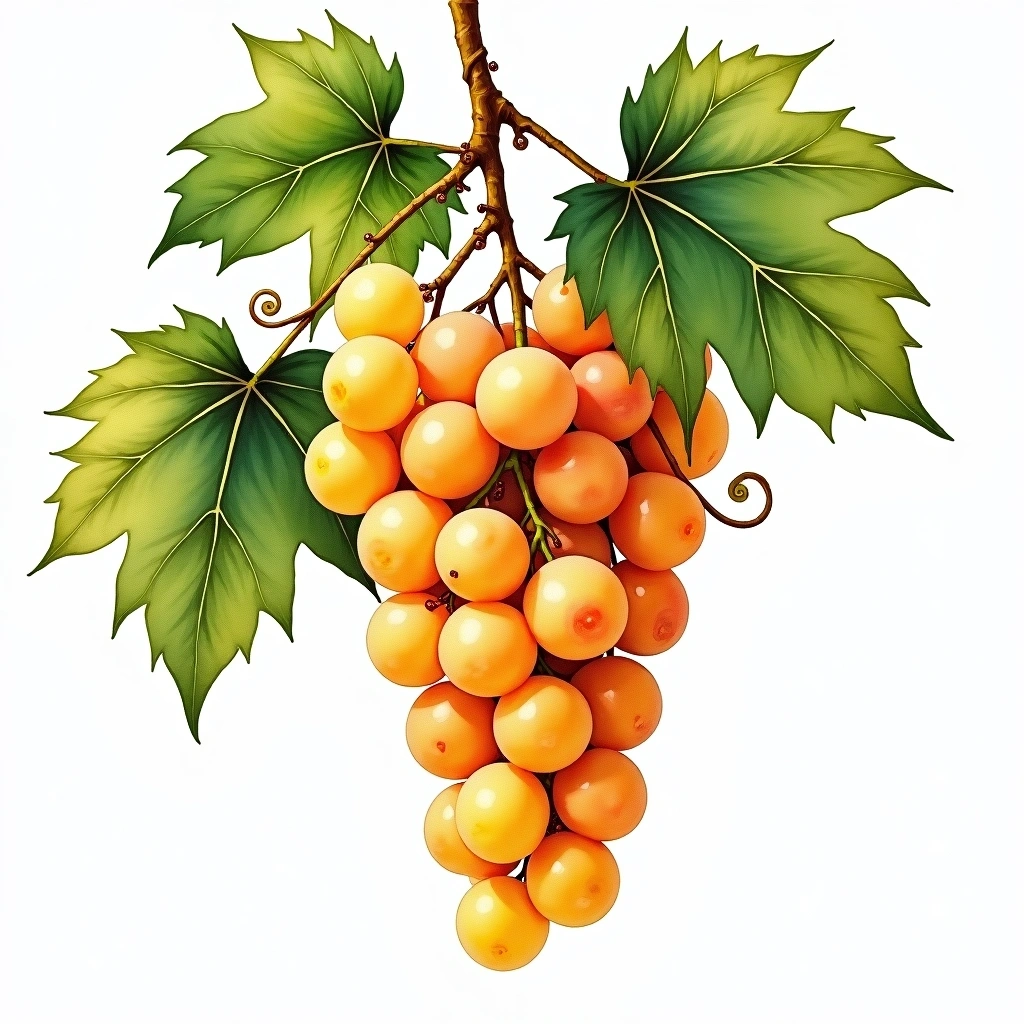 Viognier
 Aromatic White