Grüner Veltliner: Austria's Noble White and Its Peppery Signature
Delve into Grüner Veltliner, Austria's signature grape, celebrated for its white pepper spice, lentil-like depth, and remarkable versatility from everyday Heuriger to age-worthy Grand Cru bottlings.
Grüner Veltliner: Austria's Noble White and Its Peppery Signature
If Austria has a vinous calling card, it is Grüner Veltliner — a grape so deeply embedded in the country's wine culture that it accounts for nearly a third of all plantings. From crisp, peppery tavern wines poured at Vienna's Heurigen to profound, age-worthy single-vineyard bottlings from the terraced hillsides of the Wachau, Grüner Veltliner demonstrates a range that few white grapes can match.
Its rise from regional obscurity to international acclaim is one of modern wine's great success stories, driven by a generation of quality-obsessed Austrian winemakers who revealed the grape's hidden depths to a startled wine world.
History and Origins
Grüner Veltliner has been cultivated in Austria since at least the eighteenth century, though its exact origins remain uncertain. DNA analysis conducted in the early 2000s identified its parents as Traminer (an ancient grape related to Gewürztraminer) and the obscure St. Georgen variety. This parentage links Grüner Veltliner to some of the oldest cultivated grapevines in Central Europe.
For much of the twentieth century, Grüner Veltliner was regarded as a workhorse grape, churning out enormous volumes of light, unremarkable wine for local consumption. Austria's devastating wine scandal of 1985, in which some producers were found to have adulterated wines with diethylene glycol, paradoxically became the catalyst for transformation. The resulting regulatory overhaul forced the industry to prioritize quality, and Grüner Veltliner emerged as the primary beneficiary.
The pivotal moment came in 2002, when a blind tasting organized by wine journalist Jancis Robinson in London pitted top Grüner Veltliners against premier cru Burgundies. The Austrian wines performed brilliantly, and the international market took notice. Within a decade, Grüner Veltliner went from unknown to essential. Today, Austria's vineyard area devoted to the grape exceeds 14,000 hectares — roughly one-third of the country's total — making it by far the most important variety in Austrian viticulture. The grape has also become a symbol of Austrian national identity, served at state functions and prominently featured in the country's wine tourism industry. International plantings remain modest — small amounts are cultivated in the Czech Republic, Slovakia, northern Italy, and even the United States — but Austria's dominance is so complete that Grüner Veltliner remains, for all practical purposes, a singularly Austrian grape. This national association has proven a powerful marketing advantage, giving Austrian wine a unique identity in a crowded global marketplace.
Key Growing Regions
Wachau
The Wachau, a UNESCO World Heritage Site along the Danube River west of Vienna, produces the most celebrated Grüner Veltliners. Steep terraced vineyards carved into crystalline rock — primarily gneiss and mica schist — yield wines of extraordinary mineral intensity. The region's unique classification system divides wines into three tiers: Steinfeder (lightest), Federspiel (medium), and Smaragd (richest and most powerful).
Smaragd-level Grüner Veltliners from top sites like Achleiten, Kellerberg, and Loibenberg are among Austria's most profound white wines, capable of aging for fifteen to twenty years. The combination of warm days, cool Danube-influenced nights, and ancient soils creates wines of incredible depth and precision.
Kamptal and Kremstal
Adjacent to the Wachau, these two regions produce excellent Grüner Veltliner at slightly more accessible price points. Kamptal, centered around the town of Langenlois, benefits from a continental climate moderated by cool air flowing from the Waldviertel highlands. Loess soils (wind-deposited silt) produce rounder, more approachable wines compared to the steely intensity of the Wachau.
Kremstal straddles the Danube and offers both loess-based and primary rock terroirs. Producers like Nigl, Salomon Undhof, and Stadt Krems consistently demonstrate the region's quality potential.
Weinviertel
Austria's largest wine region, Weinviertel (literally "Wine Quarter"), stretches across the northeast. Its deep loess soils and moderate continental climate produce the majority of Austria's everyday Grüner Veltliner — fresh, peppery, uncomplicated wines meant for immediate consumption. The Weinviertel DAC designation, introduced in 2002, was Austria's first appellation of origin and guarantees a classic regional style.
Viticulture Characteristics
Grüner Veltliner is a vigorous vine that requires careful management to prevent excessive yields. Left unchecked, it produces abundant crops of dilute, characterless wine — the problem that plagued Austrian Viticulture for decades before the quality revolution.
The grape buds late, which provides some protection against spring frosts, but ripens in mid-season. It is susceptible to both botrytis and oidium (powdery mildew), requiring attentive vineyard work in humid years. Canopy management is critical: too much shade produces vegetal flavors, while excessive sun exposure can bake out the delicate spice and herbal notes that define the grape.
Soil type profoundly influences the wine's character. Loess produces rounder, fruit-forward wines with softer acidity. Primary rock (gneiss, granite, mica schist) yields more angular, mineral-driven expressions with greater aging potential. Volcanic soils, found in parts of Kamptal and the Vulkanland Steiermark, add a distinctive smoky undertone.
Vine age plays a significant role in Grüner Veltliner quality. Young vines tend to produce wines emphasizing the grape's more obvious green and peppery character. As vines mature past twenty to thirty years, they naturally moderate yields and develop deeper root systems that access subsoil minerals, producing wines of greater concentration, textural weight, and site-specific character. Many of Austria's finest bottlings carry the designation "Alte Reben" (old vines), signaling this qualitative difference.
Winemaking Approaches
Modern Grüner Veltliner winemaking typically involves whole-cluster pressing, cool fermentation in stainless steel, and brief Lees contact to build texture. The goal is to preserve the grape's aromatic freshness while allowing enough complexity to emerge through lees interaction. Temperature control during fermentation is critical — fermentation temperatures between 15 and 18 degrees Celsius preserve the delicate peppery and herbal aromatics that higher temperatures can strip away.
Premium producers increasingly use large neutral oak casks (Stückfass) for fermentation and aging, which adds subtle oxidative complexity without imparting overt oak flavors. Some top Wachau producers ferment in acacia wood, which contributes a gentle creaminess that complements the grape's natural spice. A handful of experimental producers have introduced amphora and concrete egg fermenters, which proponents claim enhance mineral expression and textural purity.
Extended lees aging — sometimes twelve months or more — is employed for top-tier wines, building the creamy, almost waxy texture that characterizes the finest Smaragd bottlings. These wines represent Grüner Veltliner at its most profound: simultaneously powerful and elegant, dense yet refreshing. The tradition of Reserve bottlings, aged for eighteen months or longer before release, has become increasingly important in communicating quality to international markets.
Flavor Profile
The signature note of Grüner Veltliner is white pepper — a spicy, almost savory aroma that distinguishes it from virtually every other white grape. This peppery quality derives from the compound rotundone, which is also found in black pepper, and Grüner Veltliner is one of the few grapes that expresses it prominently.
Beyond pepper, the flavor spectrum depends on ripeness and winemaking. Lighter styles offer green apple, lime, fresh herbs, and a snap-pea vegetal note. Mid-weight examples add white peach, grapefruit, and the lentil-like savory quality that sommeliers call "Grüner character." Top-tier wines develop honeydew melon, yellow apple, white flowers, and a profound mineral intensity that evolves for years in bottle.
The Body ranges from featherweight Steinfeder to muscular Smaragd, but virtually all styles share bright, mouth-cleansing Acidity and a dry, savory Finish. Aged Grüner Veltliner develops tobacco, honey, and toasted grain notes while maintaining its structural core.
One of the grape's most discussed attributes is the so-called "Grüner complexity" that emerges at the Federspiel and Smaragd levels — a savory, almost umami-like quality that combines lentil, white pepper, and a faintly smoky mineral character. This complexity is what elevates top Grüner Veltliner from a pleasant white wine to a serious intellectual experience, comparable in depth to the finest expressions of Riesling or Chardonnay from great terroirs. Winemakers often speak of a "second dimension" that appears in Grüner Veltliner from old vines on primary rock soils — a mineral intensity that transcends the grape's immediate fruit and spice character to reveal something more profound and site-specific.
Food Pairings
Grüner Veltliner is widely considered one of the world's most food-friendly white wines, and for good reason. Its combination of acidity, moderate alcohol, savory character, and textural range makes it extraordinarily versatile at the table.
The classic Austrian pairing is Wiener Schnitzel — the wine's acidity cuts through the fried breadcrumb coating while its herbal notes complement the veal. But the grape's affinity extends far beyond Austrian cuisine. Asian dishes — Thai green curry, Vietnamese pho, Japanese tempura — find an exceptional partner in Grüner Veltliner. The peppery spice harmonizes with ginger and lemongrass, while the wine's moderate weight avoids overwhelming delicate flavors. Sushi and sashimi are also excellent companions, particularly with lighter Federspiel-level wines.
Vegetable-centric dishes are another strength. Asparagus, notoriously difficult to pair with wine, is beautifully matched by Grüner Veltliner's herbal, slightly vegetal character. White bean stews, lentil soups, mushroom risotto, and herb-crusted fish all benefit from the wine's savory depth. The traditional Viennese Heuriger (wine tavern) meal — cold cuts, pickled vegetables, fresh bread, and spreads — is the archetype of Grüner Veltliner's gastronomic versatility, demonstrating how the wine enhances simple, honest food without dominating it.
For cheese, fresh and semi-soft varieties work best: Gruyère, Emmental, and goat cheese are all excellent. Austrian Bergkäse (mountain cheese) is a particularly harmonious local pairing. Avoid heavily aged or blue cheeses, which can overwhelm the wine's delicate spice. The wine also performs admirably alongside lighter pasta dishes, particularly those with pesto or herb-based sauces, and with white-fleshed fish prepared simply with lemon and olive oil.
Notable Producers and Bottles
The pantheon of Grüner Veltliner producers starts with the Wachau elite. F.X. Pichler's Kellerberg Smaragd is often cited as the benchmark for powerful, age-worthy expressions. Domäne Wachau, Prager, Hirtzberger, Knoll, and Rudi Pichler produce consistently outstanding wines across multiple vineyard sites.
In Kamptal, Bründlmayer's Lamm Alte Reben and Schloss Gobelsburg's Grub represent the pinnacle of the region. Kremstal's Nigl offers exceptional value, and Weinviertel producers like Pfaffl and Setzer demonstrate that everyday Grüner Veltliner can be genuinely delicious.
Beyond Austria, small plantings in the Czech Republic, Slovakia, and northern Italy (Alto Adige) produce interesting if less significant expressions. In the New World, a handful of American producers — notably Gruet in New Mexico and some Oregon wineries — have experimented with the grape, producing wines that demonstrate its adaptability to cool-climate viticulture outside its Central European homeland.
Aging Potential
While Grüner Veltliner is often consumed young, the best examples can age with astonishing grace. Smaragd-level wines from the Wachau regularly improve for ten to fifteen years, developing honeyed, toasted complexity while retaining their structural acidity. Legendary vintages from producers like Knoll and F.X. Pichler have remained vibrant after twenty-five years in bottle, challenging the assumption that Grüner Veltliner is merely a drink-young variety. The key to longevity is the combination of ripe fruit concentration, high natural acidity, and the mineral backbone imparted by primary rock soils. Wines from loess soils tend to peak earlier, typically within five to seven years of Vintage.
Comparison with Similar Grapes
Grüner Veltliner occupies a unique position among white grapes. Its closest stylistic neighbor is Riesling, with which it shares Austrian and German vineyard territory, bright acidity, and mineral expression. The key difference is aromatic: Riesling tends toward citrus, petrol, and floral notes, while Grüner Veltliner leans savory with its peppery, lentil, and herbal character. In blind tastings, the two grapes can occasionally be confused, particularly when comparing a mineral, dry Wachau Riesling with a lighter Grüner Veltliner.
Sauvignon Blanc shares the herbaceous quality but typically delivers more aggressive aromatics and less textural weight. Chardonnay from cool climates can approach Grüner Veltliner's weight and complexity but lacks the distinctive peppery spice. Silvaner, another Austrian and German variety, shares some of the earthy, savory character but without Grüner Veltliner's aromatic intensity or age-worthiness.
Ultimately, Grüner Veltliner stands alone as a grape that combines everyday drinkability with the capacity for greatness — a duality that makes it endlessly fascinating for both casual wine drinkers and serious collectors.
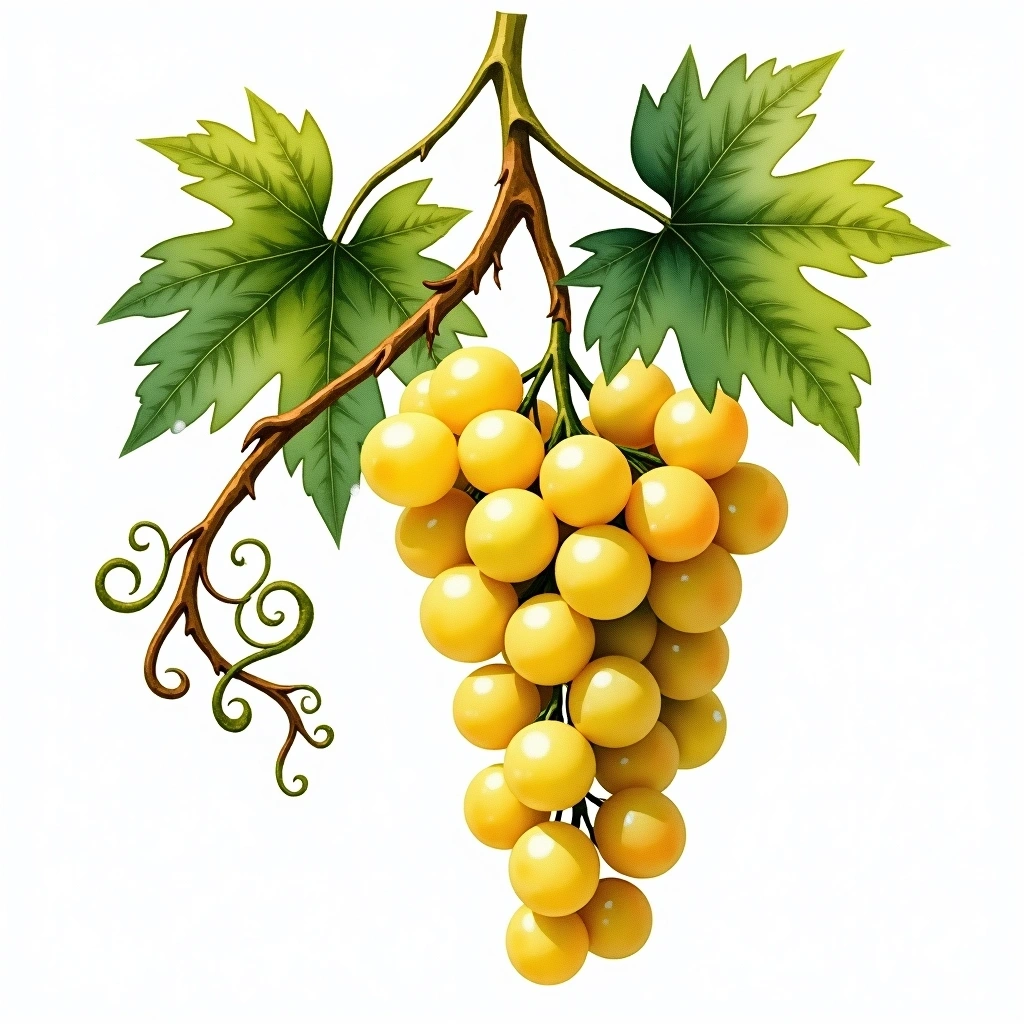 Chardonnay
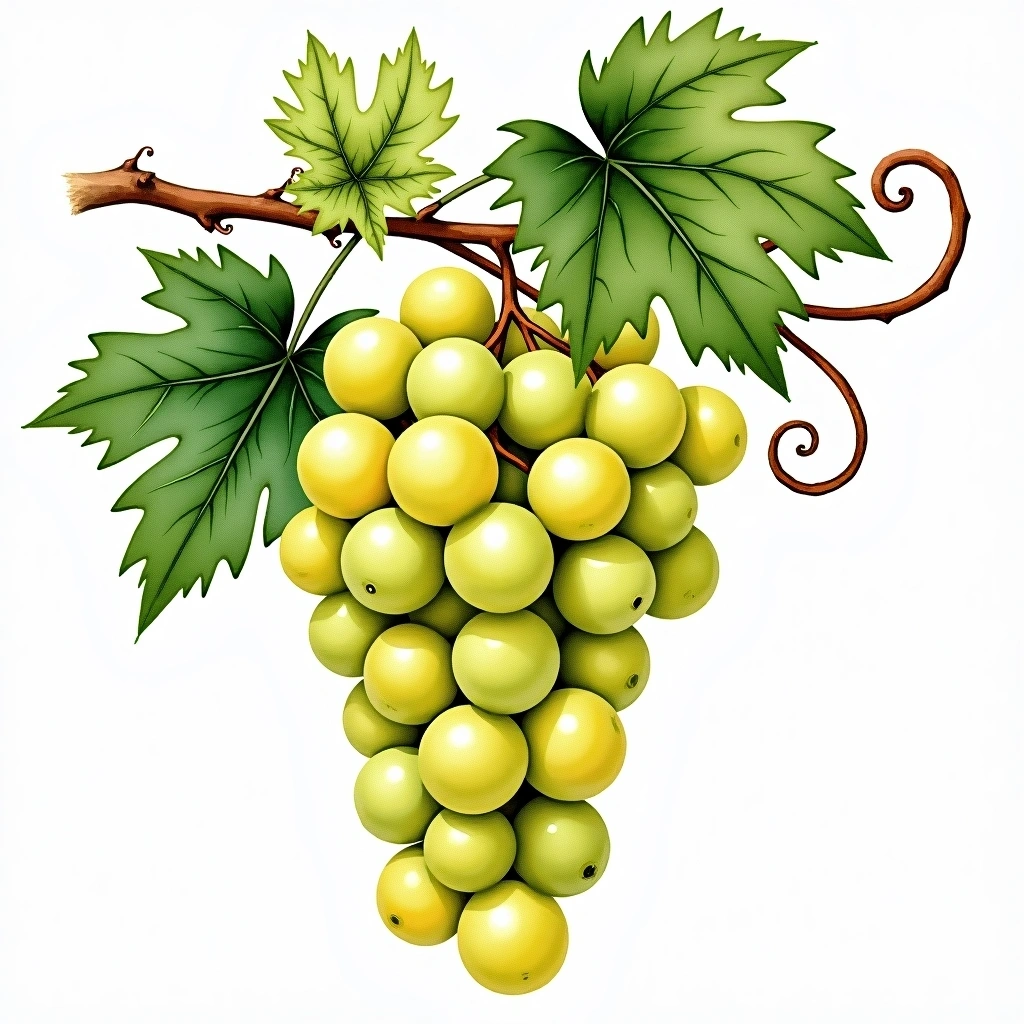 Grüner Veltliner
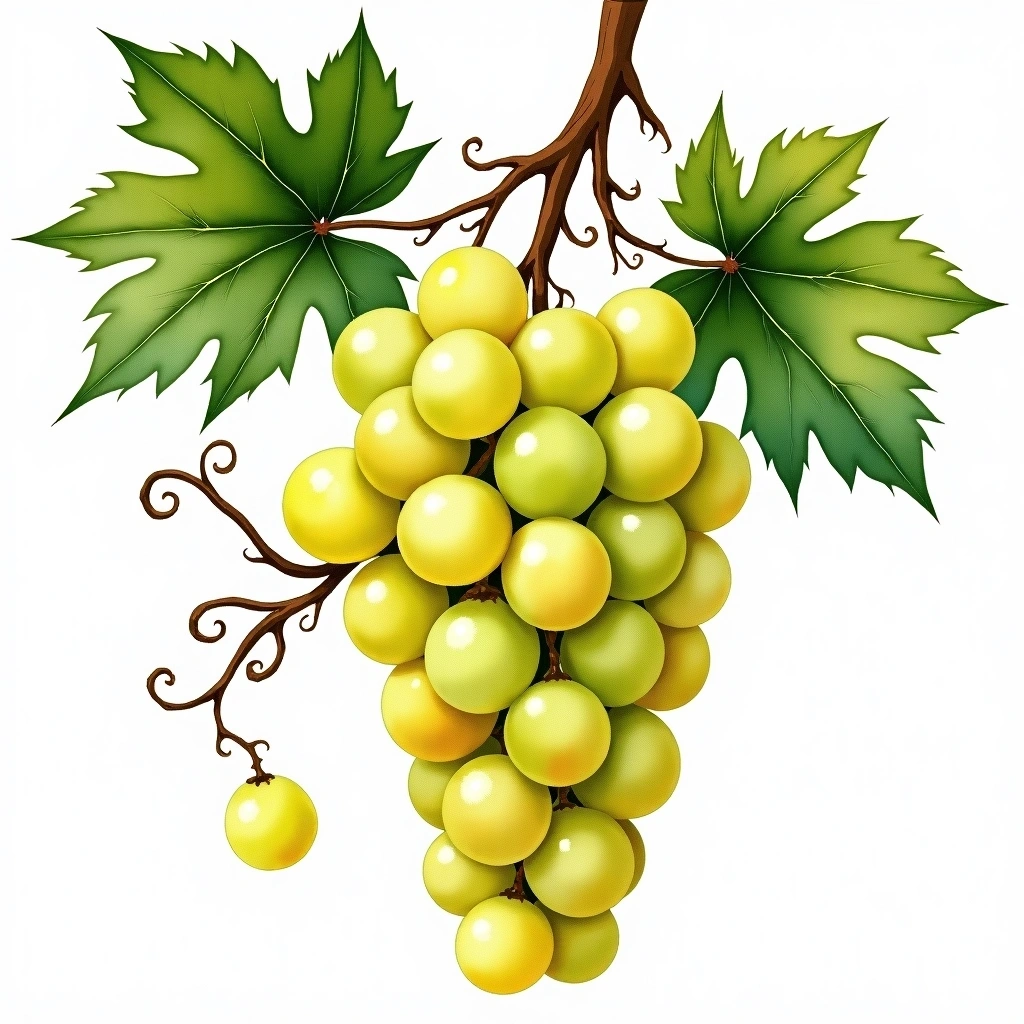 Riesling
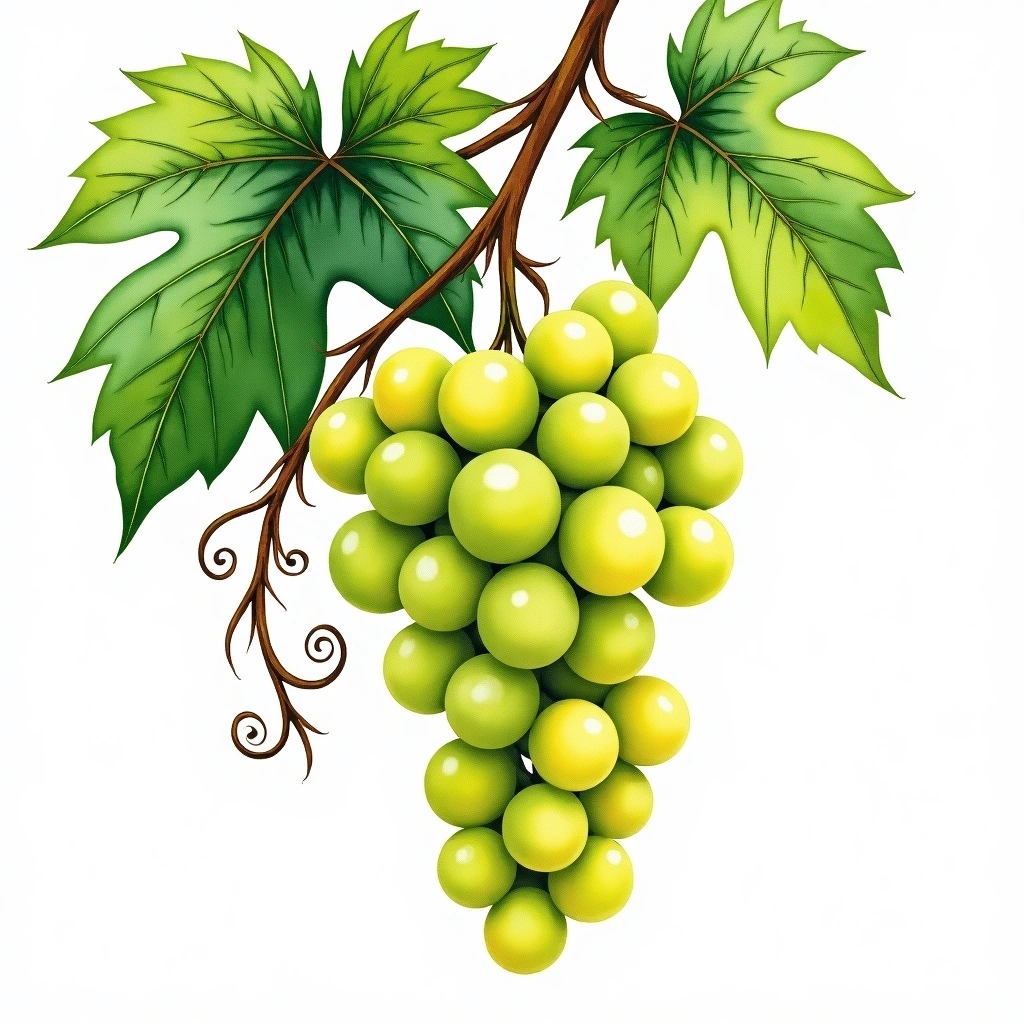 Sauvignon Blanc