Investing in Burgundy: Scarcity and Demand
An in-depth guide to Burgundy wine investment — understanding the Grand Cru hierarchy, the domaine system, why Burgundy has outperformed Bordeaux over the past decade, and how to access allocation wines.
The Burgundy Paradox
Bourgogne produces wine on a tiny fraction of the acreage of Bordeaux — roughly 28,000 hectares compared to Bordeaux's 111,000. Yet over the past decade, Burgundy has generated some of the most spectacular price appreciation in the fine wine market. The Liv-ex Burgundy 150 index has dramatically outpaced the Bordeaux 500 over any five or ten-year period since 2012.
The explanation is the Burgundy Paradox: production is so small and fragmented that any meaningful increase in global demand cannot be met by expanding supply. When Chinese collectors, American tech wealth, and a new generation of British and European fine wine enthusiasts all developed a passion for great Burgundy simultaneously, prices had nowhere to go but up — and they have not meaningfully reversed.
For investors who can navigate the complexity and access the right bottles, Burgundy represents the most compelling long-term appreciation story in the wine world.
The Classification Hierarchy
Understanding Burgundy requires internalizing its Appellation hierarchy. From lowest to highest:
Bourgogne AOC. Regional wines produced anywhere in Burgundy. Investment-grade potential is minimal except from the handful of top producers who make excellent Bourgogne rouge or blanc from younger vines.
Village appellations. Wines labeled by village name: Gevrey-Chambertin, Chambolle-Musigny, Vosne-Romanee, Pommard, Volnay, Meursault, Puligny-Montrachet, Chassagne-Montrachet. These can be excellent drinking wines and carry modest investment value from the right producer.
Premier Cru (1er Cru). Designated vineyard sites within a village, recognized as superior Terroir. Indicated on the label as "Premier Cru" or "1er Cru." There are over 600 Premier Cru vineyards in Burgundy. The best from top producers carry strong investment value.
Grand Cru. The apex — 33 designated vineyard sites (out of thousands in Burgundy) recognized as the greatest expressions of Burgundian Terroir. Grand Cru wines are labeled by vineyard name alone, without village designation. They represent roughly 1.5% of total Burgundy production.
The most famous Grand Cru vineyards: Romanee-Conti, La Tache, Richebourg, Musigny, Chambertin, Chambertin Clos de Beze, Montrachet, Corton-Charlemagne. Wines from these sites by top producers are the most sought-after in the world.
Why Producer Matters More Than Anywhere Else
In Bordeaux, a classified estate controls its entire vineyard. In Bourgogne, Grand Cru vineyards are divided among dozens or hundreds of different growers, all of whom have the right to label their wine with the Grand Cru name.
This means that producer identity is as important — arguably more important — than vineyard designation in determining quality and investment value. A Grand Cru Burgundy from a mediocre Domaine is worth a fraction of the same vineyard from a celebrated grower.
The top tier of Burgundy producers, whose wines command investment-grade prices:
Domaine de la Romanee-Conti (DRC). The most famous Domaine in the world. Owns the entirety of the Romanee-Conti Grand Cru and significant portions of La Tache, Richebourg, Romanee-Saint-Vivant, Grands Echezeaux, and Echezeaux. DRC wines are released in tiny quantities, allocated only through established merchant relationships, and trade at prices that can reach tens of thousands of dollars per bottle for sought-after vintages.
Domaine Leroy. Run by the legendary Lalou Bize-Leroy. Biodynamic viticulture, extraordinarily low yields. Wines that rival DRC in quality and price.
Domaine Armand Rousseau. The benchmark for Gevrey-Chambertin Grand Cru. Clos Saint-Jacques and Chambertin-Clos de Beze are among the most collected wines in Burgundy.
Domaine Georges Roumier. Bonnes Mares and Musigny from Chambolle — some of the most elegant and age-worthy reds in all of Burgundy.
Coche-Dury. The icon for white Burgundy. Corton-Charlemagne from Coche-Dury is perhaps the most sought-after white wine in the world. Production is under 1,000 bottles per year.
Leflaive, Ramonet, Colin. Other elite white Burgundy producers with Montrachet and Batard-Montrachet holdings.
Red vs. White Burgundy for Investment
Both red and white Burgundy offer investment potential, but the dynamics differ:
Red Burgundy (Pinot Noir): The primary investment market. Grand Cru red Burgundy ages for 20–40+ years in great vintages. Demand is global and growing. The Romanee-Conti, La Tache, Richebourg, Musigny, and Chambertin tier is the most liquid. Premier Cru from top domaines is the growth opportunity — prices have risen significantly but remain accessible relative to Grand Cru.
White Burgundy (Chardonnay): Montrachet, Chevalier-Montrachet, Batard-Montrachet, and Corton-Charlemagne are the investment tier. Top white Burgundy from elite producers ages magnificently, can trade at red Burgundy Grand Cru prices, and benefits from a less crowded collector market. The scarcity of Coche-Dury Corton-Charlemagne is extreme — fewer bottles exist than many trophy red wines.
The Best Investment Vintages in Burgundy
2015. Rich, ripe, and immediately seductive. Wines are approachable now but will reward extended cellaring. Strong investment performance since release.
2019. Widely acclaimed as a generational vintage for Burgundy — exceptional concentration with bright acidity that preserves freshness. Among the most commercially successful releases in recent memory and already trading above release prices.
2020. More controversial due to very low yields (frost and hail devastation), but bottles that do exist from top domaines are extraordinary in quality. Genuine scarcity creates investment potential.
2023. Early assessments have been very positive — a more balanced vintage than the hot years of 2019 and 2020. En primeur releases in 2024–2025 generated significant interest.
Older vintages worth seeking at auction: 2005 (classic, long-lived), 2010 (perhaps the finest year since 2005), 2012 (underrated, elegant, beginning to show beautifully).
Accessing Burgundy: The Allocation Challenge
The fundamental challenge of Burgundy investment is access. The most sought-after wines from DRC, Leroy, Rousseau, and similar domaines are allocated exclusively through established fine wine merchants who have maintained long-term relationships with these estates. You cannot simply walk into a wine shop and buy a Romanee-Conti.
Building access requires becoming a valued client of a merchant who has allocation. This means buying across their range — not just the trophy wines — over multiple years. It requires demonstrating that you are a serious buyer, not merely speculating on one wine.
Alternative routes to allocation wines:
Auction. The secondary market for great Burgundy is active and transparent. Auction is the most accessible channel for acquiring highly allocated wines, though prices reflect full secondary market premiums.
Private sales. Long-standing collectors sometimes offer wines directly through brokers or word-of-mouth networks. Provenance verification is particularly important in private transactions.
Restaurant relationships. A small number of wines that restaurants purchase are sometimes re-sold privately when they rationalize cellar stock. This is a niche channel but yields occasionally exceptional provenance.
Négociant wines. Major negociant houses — Maison Louis Jadot, Joseph Drouhin, Faiveley, Louis Latour — produce Grand Cru wines from their own vineyards and through purchased grapes. Estate Bottled domaine wines command the highest premiums, but negociant Grand Cru from quality houses offers broader access.
Risks Specific to Burgundy
Extreme price levels. DRC and top domaine wines have reached price levels where further appreciation requires an ever-expanding buyer pool. Entry costs are substantial.
Vintage unpredictability. Pinot Noir is one of the most climate-sensitive varieties. A single hailstorm can destroy a domaine's entire crop in minutes. Frost, disease pressure, and yield variability make Burgundy more volatile by vintage than Bordeaux.
Authentication complexity. The tiny production quantities and extreme prices of DRC in particular have made it the world's most counterfeited wine. Buying only from fully documented sources with unbroken provenance chains is non-negotiable.
Drinking window compression. Modern winemaking in Burgundy has evolved toward earlier accessibility. Some Grand Cru wines that once needed 20 years now drink well at 10–12 years. This compresses the drinking and selling window, requiring more active portfolio management.
Burgundy is the most intellectually demanding and financially rewarding wine investment market. The rewards for those who study it carefully and gain access to the right wines are extraordinary — but the complexity is real and the mistakes are expensive.
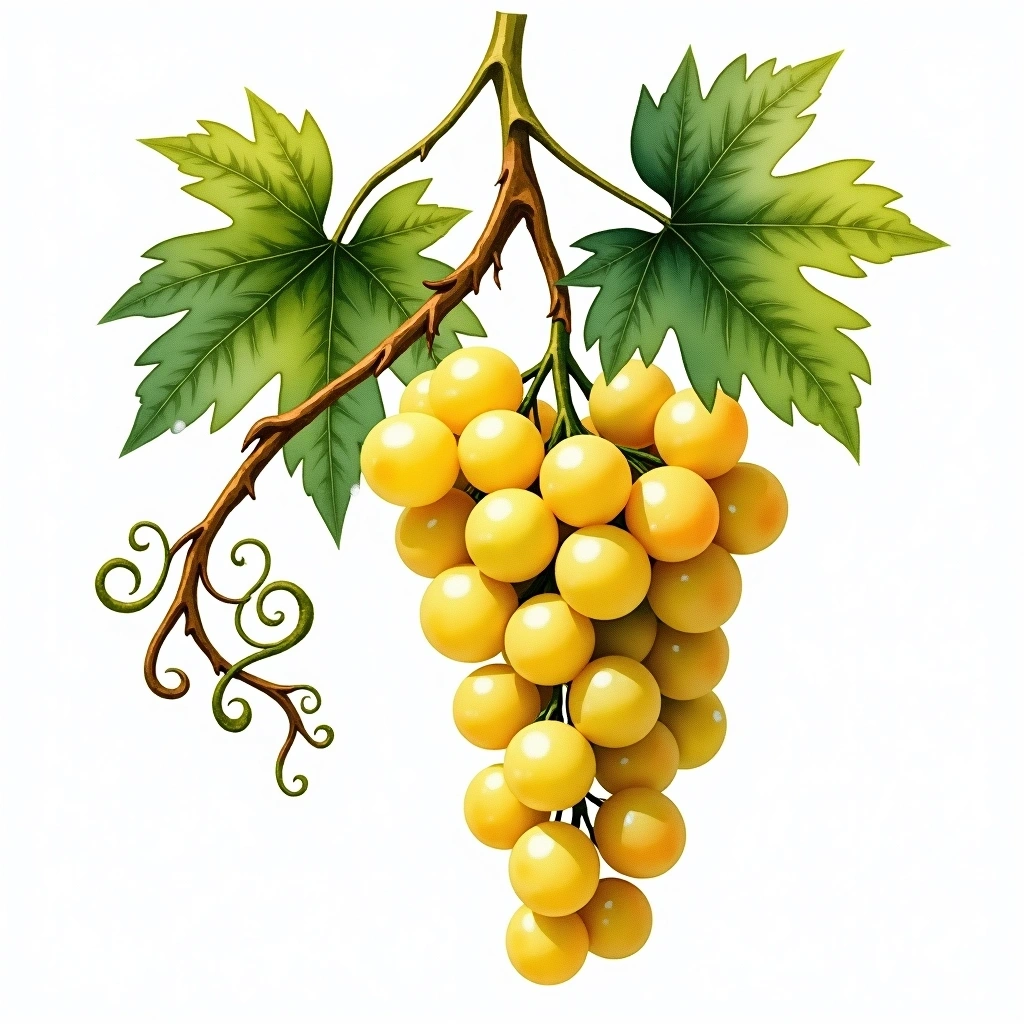 Chardonnay
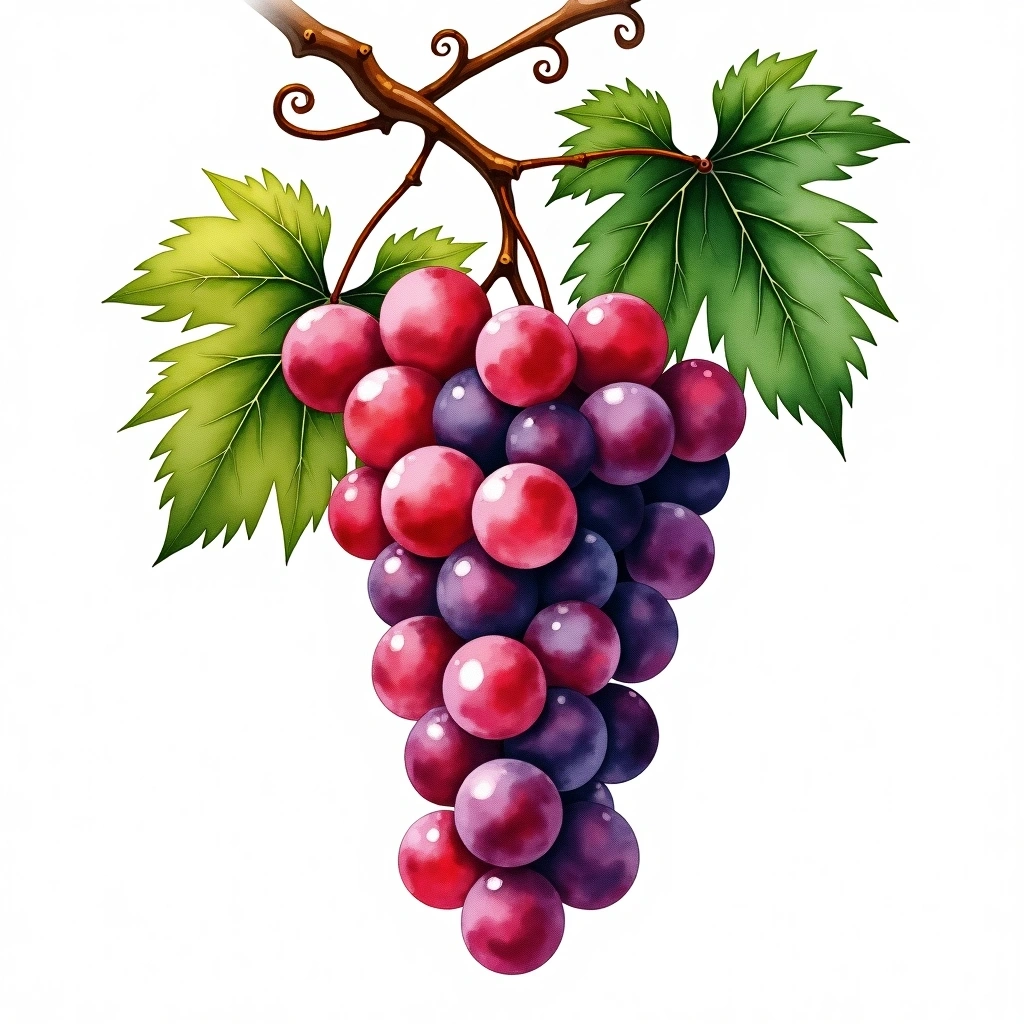 Pinot Noir
 Elegant Red
 Rich White