Mindful Drinking: How to Develop a Healthier Relationship with Wine
Mindful drinking applies awareness and intentionality to wine consumption. This guide explores the philosophy, practical techniques, and growing movement that is changing how people think about their relationship with alcohol.
Mindful Drinking: How to Develop a Healthier Relationship with Wine
The concept of mindful drinking has emerged as one of the most significant cultural shifts in the modern wine world. Neither abstinence nor indulgence, mindful drinking applies principles of awareness, intentionality, and presence to the act of consuming wine — transforming it from a habit or a social reflex into a conscious, considered choice that enhances both pleasure and well-being.
This guide explores what mindful drinking means in practice, why the movement has gained such momentum, and how wine enthusiasts can cultivate a more intentional relationship with the beverage they love.
What Is Mindful Drinking?
Mindful drinking borrows from the broader mindfulness tradition — the practice of bringing non-judgmental awareness to the present moment. Applied to wine, it means:
- Choosing consciously whether, what, when, and how much to drink, rather than defaulting to habit, social pressure, or automatic behavior.
- Engaging the senses fully when you do drink, treating each glass as an experience to be savored rather than a background accompaniment.
- Noticing the body's response — recognizing when the pleasure of wine shifts toward diminishing returns, and choosing to stop before that point.
- Understanding motivation — drinking because you genuinely want to enjoy wine, not because you are stressed, bored, socially anxious, or unable to imagine the situation without alcohol.
Mindful drinking is not anti-wine. If anything, it is the deepest expression of wine appreciation — bringing the same attentiveness to consumption that a winemaker brings to production or a Sommelier brings to service.
Why Mindful Drinking Is Growing
Several converging trends have driven the mindful drinking movement:
Health awareness: Research continues to refine our understanding of alcohol's effects on the body. While moderate consumption may carry some benefits, the trend in public health messaging has been toward greater caution. Many wine lovers are reevaluating their relationship with alcohol in light of this information.
The sober curious movement: Pioneered by writers like Ruby Warrington, "sober curiosity" describes a spectrum of reduced drinking that falls between abstinence and traditional consumption. It normalizes questioning one's drinking habits without requiring a commitment to permanent sobriety.
Quality over quantity: As the wine world has moved toward premiumization — consumers choosing fewer but better bottles — mindful drinking is a natural extension. If you are spending more on each bottle, you are more likely to drink it slowly and attentively.
Wellness culture: The broader wellness movement, with its emphasis on intentional living, physical health, sleep optimization, and mental clarity, has made many consumers examine habits that were previously unquestioned.
Improved alternatives: The explosion of high-quality alcohol-free wines, craft non-alcoholic spirits, and sophisticated mocktail culture has made it easier than ever to socialize without alcohol.
The Neuroscience of Mindful Consumption
Understanding why mindful drinking works requires a brief detour into neuroscience. Alcohol activates the brain's reward system by stimulating dopamine release in the nucleus accumbens — the same circuit activated by food, sex, and social connection. The first glass of wine produces the strongest dopamine response; subsequent glasses produce progressively less reward.
This is the neurological basis for a common experience: the first glass is wonderful, the second is pleasant, the third is routine, and everything beyond is increasingly about maintaining a state rather than enjoying it. The law of diminishing returns applies to wine as much as to any other pleasurable stimulus.
Mindful drinking works with this neuroscience rather than against it. By slowing down and paying full attention to the first glass — its Aroma, its Bouquet, its texture, its Finish — you extract maximum pleasure from the peak of the dopamine curve. By noticing when subsequent glasses produce less enjoyment, you gain the information needed to stop at the point of maximum net pleasure.
Practical Techniques
Before You Pour
Set an intention. Before opening a bottle, decide how much you plan to drink. One glass? Two? Will you share the bottle? Having a plan prevents the gradual slide from "just one glass" to a half-empty bottle.
Check your motivation. Ask yourself: am I drinking because I genuinely want to enjoy this wine, or am I drinking to manage stress, fill time, meet a social expectation, or avoid an emotion? If the answer is the latter, consider whether wine is really what you need in this moment.
Choose deliberately. Select your wine with care. A bottle chosen thoughtfully — perhaps a Pinot Noir from Burgundy or a Chenin Blanc from Loire Valley — invites more engagement than whatever happens to be open in the fridge. The act of selection itself begins the process of mindful consumption.
While You Drink
Use all your senses. Look at the wine's color and viscosity. Swirl it and breathe in the Aroma. Take a small sip and hold it in your mouth, noticing how it evolves. Consider the Finish — how long does the flavor persist? What memories or associations arise? This is not pretentious wine snobbery; it is attention, the fundamental unit of mindfulness.
Slow down. Put your glass down between sips. A common pattern is to hold the glass and sip repeatedly in a semi-automatic rhythm. By consciously setting the glass on the table and pausing, you break the automaticity and create space for awareness.
Eat with your wine. The Mediterranean tradition of consuming wine exclusively with food is one of the oldest forms of mindful drinking. Food slows absorption, extends the experience, and anchors wine in a broader sensory context. Notice how flavors interact — how the Acidity of a young Riesling from Mosel lifts a rich dish, or how the tannins of a structured red soften alongside protein.
Hydrate alternately. Drink water between glasses of wine. This slows consumption, prevents dehydration, and provides natural pause points for checking in with yourself.
Notice the turning point. There is a moment — usually after one or two glasses — when the pleasure of wine begins to plateau. The next glass will not taste better than the last; in fact, as palate fatigue sets in, it may taste less interesting. Recognizing this turning point is perhaps the most valuable skill in mindful drinking.
After You Drink
Reflect without judgment. How did the wine make you feel? Was the experience pleasurable? Did you drink more than you intended? Observation without self-criticism builds awareness over time. A wine journal can be a useful tool here — not just for tasting notes, but for tracking patterns in your consumption.
Notice the next morning. Pay attention to how different levels of consumption affect your sleep, energy, mood, and cognitive clarity the following day. This feedback loop often proves more motivating than abstract health information.
Incorporating Alcohol-Free Occasions
Mindful drinking does not mean drinking less every time — it means choosing thoughtfully every time. Some occasions warrant a full bottle shared among friends. Others are better served by:
- Alcohol-free nights during the week. Establishing regular alcohol-free days creates a baseline of clarity that makes drinking occasions more special by contrast.
- Alternating alcoholic and non-alcoholic pours. At a dinner party or tasting, interleaving glasses of wine with glasses of water or alcohol-free alternatives extends the experience without increasing consumption.
- Exploring Natural Wine and lower-alcohol styles. Wines at 10-12% ABV — many Gamay from Beaujolais, Albariño from Rias Baixas, or Aromatic White wines from Willamette Valley — deliver full flavor at lower alcohol levels, allowing you to enjoy more volume with less physiological impact.
- Trying alcohol-free wine. The best dealcoholized wines — particularly sparkling and aromatic whites — can satisfy the ritual of wine drinking without any alcohol at all.
The Social Dimension
Wine drinking is deeply social, and social pressure is one of the greatest barriers to mindful consumption. Many people drink more than they intend because of cultural norms around hospitality, celebration, and group behavior.
Strategies for navigating social situations mindfully:
- Communicate your intentions casually. "I'm having one glass tonight" is a complete statement that requires no justification or apology. Most people respect it and move on.
- Volunteer to be the designated driver. This provides a socially accepted framework for limited or zero consumption.
- Host mindfully. When you control the environment, you can offer high-quality wine in standard pours alongside excellent non-alcoholic options, normalizing moderation for your guests.
- Find your people. The mindful drinking community is growing rapidly. Organizations, online communities, and events dedicated to intentional consumption create spaces where moderation is the norm rather than the exception.
Wine Appreciation as Mindfulness Practice
There is a beautiful alignment between deep wine appreciation and mindfulness practice. The skills that make a great Sommelier — sensory acuity, focused attention, curiosity, non-judgmental observation, presence — are the same skills cultivated in meditation and mindfulness traditions.
When you truly attend to a glass of wine — exploring its Terroir, considering the vintage conditions, appreciating the winemaker's choices, and engaging fully with its flavors — you are not merely drinking. You are practicing a form of sensory meditation that connects you to place, season, craft, and culture.
This deeper engagement naturally leads to moderation. When each glass is a rich experience, you do not need a third or fourth to feel satisfied. Quality of attention replaces quantity of consumption.
When Mindful Drinking Is Not Enough
It is important to acknowledge that mindful drinking has its limits. For individuals with alcohol use disorder (AUD), moderation management techniques may not be appropriate or safe. AUD exists on a spectrum, and self-assessment tools like the AUDIT (Alcohol Use Disorders Identification Test) can help identify where you fall.
Signs that professional support may be needed include:
- Consistent inability to stick to self-imposed limits
- Drinking alone regularly to manage emotions
- Needing alcohol to feel normal or relaxed
- Experiencing withdrawal symptoms (anxiety, tremor, insomnia) when not drinking
- Others expressing concern about your drinking
There is no shame in seeking help. Treatment for alcohol-related concerns is effective, widely available, and increasingly destigmatized. A healthcare provider can help you determine the approach that best fits your situation.
A Philosophy, Not a Rule Book
Mindful drinking is ultimately a philosophy of intentionality rather than a set of rigid rules. It invites you to bring the same care and consciousness to your wine consumption that you would bring to any other meaningful aspect of your life — your work, your relationships, your physical health, your creative pursuits.
Wine, at its best, is one of humanity's great cultural achievements — a beverage that connects us to land, season, craft, history, and each other. Mindful drinking ensures that this connection remains a source of genuine pleasure and enrichment, rather than a habit that gradually erodes the very well-being it is meant to enhance.
The glass is in your hand. The choice of how to engage with it is yours. Make it a conscious one.
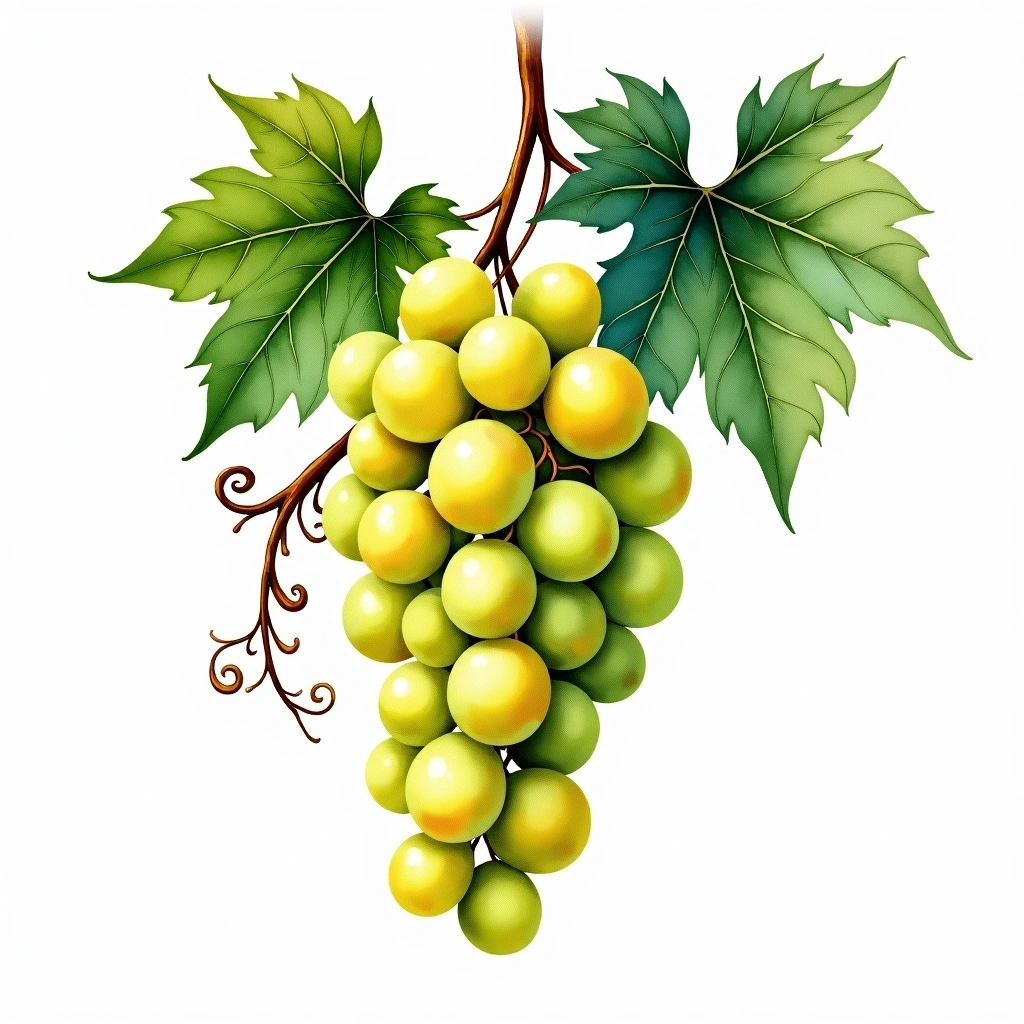 Albariño
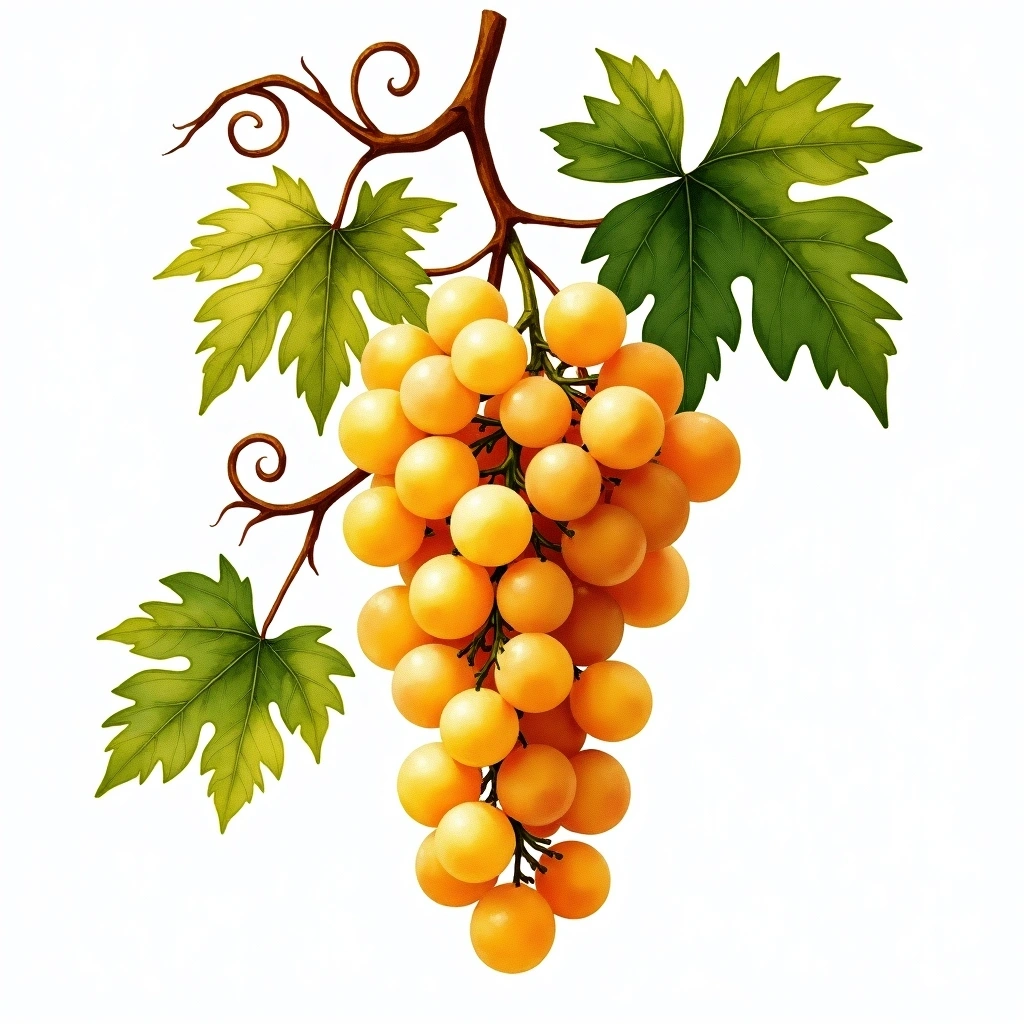 Chenin Blanc
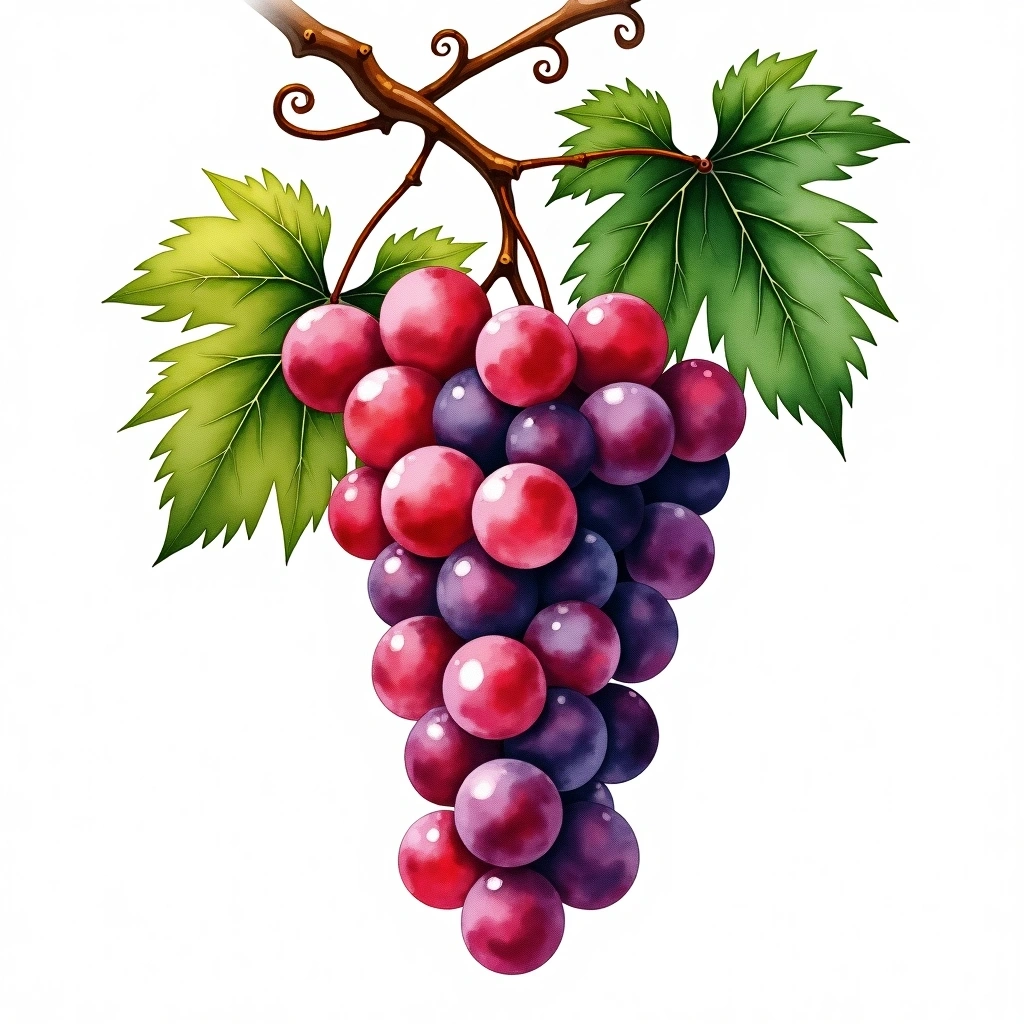 Pinot Noir
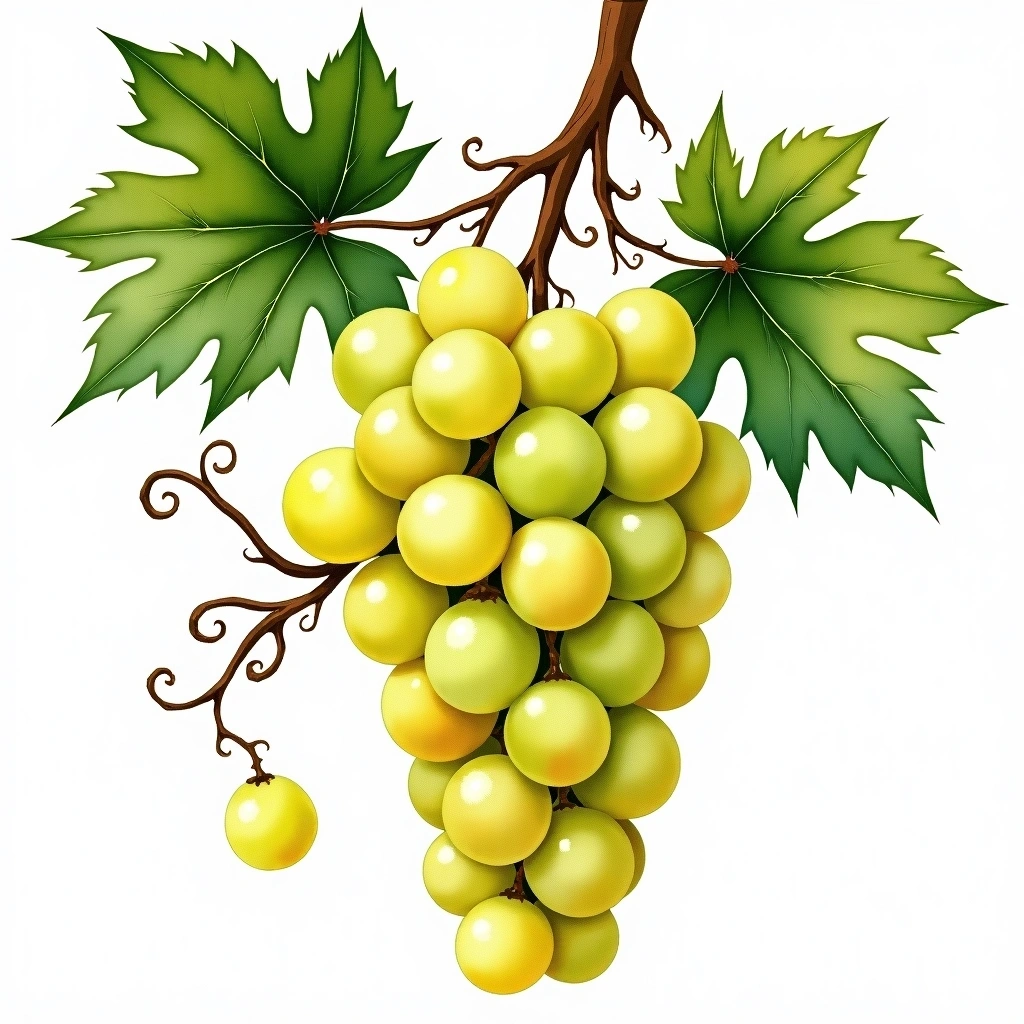 Riesling
 Aromatic White