Riesling: From Bone-Dry to Lusciously Sweet
Riesling produces the world's most diverse range of white wine styles, from razor-sharp Mosel Kabinett to Trockenbeerenauslese of extraordinary sweetness. This guide navigates its complexity with clarity.
The Misunderstood Aristocrat
Ask any serious wine professional to name the greatest white wine grape in the world, and a significant proportion will say Riesling without hesitation. It ages for longer than almost any other white variety, produces the world's most diverse stylistic range, expresses Terroir with unmatched transparency, and achieves levels of complexity that confound experienced palates.
Yet in the popular imagination, Riesling is still the sweet, cheap German wine in the blue bottle that American dinner tables suffered through in the 1970s. The gap between Riesling's critical reputation and popular perception is perhaps the greatest injustice in all of wine education.
This guide aims to close that gap.
Origin and History
Riesling is native to Germany, where it has been cultivated along the Rhine and Mosel rivers since at least the fifteenth century — the earliest documented reference dates to 1435 in Rüsselsheim. The variety thrives in the extreme conditions of these northern vineyards, where it barely ripens each year, producing wines of extraordinary Acidity and delicacy that no warmer climate can replicate.
By the eighteenth and nineteenth centuries, German Riesling from the Mosel and Rheingau was among the most expensive and celebrated wine in the world — frequently fetching prices comparable to the finest Burgundy and Bordeaux. The decline came in the twentieth century, as cheap, sweet "Liebfraumilch" flooded export markets and tarnished Germany's wine reputation. The recovery has taken decades but is now well advanced.
Riesling Beyond Germany
Riesling crossed the Rhine into Alsace, France, where it produces a dramatically different style — drier, more alcoholic, and fuller-bodied due to Alsace's warmer, drier continental climate. It also thrived in Austria, Australia (Barossa Valley and Clare Valley), and eventually New Zealand, each developing distinct regional personalities.
The Sweetness Spectrum
Understanding Riesling requires understanding its sweetness spectrum, which is uniquely codified — and also uniquely confusing.
Germany's Prädikat System
Germany's wine law categorizes Riesling (and other varieties) by the ripeness of grapes at harvest, expressed as "must weight" (sugar content). From driest to sweetest:
- Kabinett: Lightest, least ripe, typically off-dry to slightly sweet. 7–9% alcohol. Featherweight, elegant, lowest calories in wine.
- Spätlese ("late harvest"): Picked later, more ripeness and body. Can be dry or off-dry.
- Auslese ("selected harvest"): Ripe bunches hand-selected. Rich, concentrated, usually sweet.
- Beerenauslese (BA): Individual botrytized berries selected. Deeply sweet, exceptional — made only in great years.
- Trockenbeerenauslese (TBA): Individually selected shriveled berries, fully Botrytized. The most concentrated, most expensive, and rarest German wine. Can age for 50+ years.
- Eiswein (ice wine): Grapes frozen on the vine, pressed while frozen. Extraordinary concentration of sugar and Acidity.
Separately, Trocken (dry) and Halbtrocken (off-dry) appear on labels to indicate the actual sweetness of the finished wine, which may not align with the Prädikat designation.
Alsace Style
In Alsace, France, Riesling is almost always fermented completely dry. The result is a fuller, more powerful wine than Mosel Kabinett — 12–13% alcohol, concentrated fruit, and that distinctive Alsatian Minerality. Alsace Riesling Grand Cru (from specific named vineyards) is among France's finest white wine and ages beautifully.
New World Styles
Australian Riesling from Clare Valley and Eden Valley is typically bone dry, high in Acidity, and develops remarkable complexity with age — a distinctive lime and petrol note develops after 5–10 years in bottle from a compound called TDN. New Zealand Marlborough Riesling tends to be drier and more restrained than the grape's aromatic potential might suggest.
Flavor Profile
Riesling's aromatic character is intensely floral and fruit-driven, always underpinned by that signature high Acidity:
Primary Aromas: - Lime and lemon (especially Mosel) - Green apple and white peach - Apricot and nectarine (in riper styles) - White flower: jasmine, orange blossom - Slate, wet stone, and petrol/kerosene (with age) - Ginger and spice
Aged Characteristics: - Honey and beeswax - Dried apricot and marmalade - Petrol and diesel (TDN compound) - Toast and butter (in the richest styles) - Truffle and mineral complexity
The Acidity in Riesling is its defining structural element — often higher than any other white variety, it gives the wine extraordinary preservation ability and keeps sweetness from becoming cloying. Even lusciously sweet TBA has a racy acidic backbone that makes you want another sip.
Growing Regions
Mosel, Germany
Mosel is Riesling's heartland. The steep, south-facing slate slopes above the Mosel river create a microclimate that barely allows Riesling to ripen, producing wines of extraordinary delicacy and tension. The low alcohol (often 7–9% in Kabinett), high Acidity, and ethereal floral fragrance of Mosel Riesling is unlike anything else in the wine world.
Great Mosel producers include Egon Müller, J.J. Prüm, Mönchhof, Dr. Loosen, and Weingut Willi Schaefer — all crafting wines from designated Einzellagen (single vineyards) that are among Germany's most prestigious.
Alsace, France
Alsace Riesling is the bold, dry alternative to Mosel's delicacy. The Vosges mountains shelter Alsace from Atlantic rainfall, creating one of France's driest and sunniest climates — paradoxically ideal for dry Riesling. Grand Cru Riesling from vineyards like Schlossberg, Brand, and Rangen achieves formidable concentration and ages for 15–25 years.
Australia (Clare Valley, Eden Valley)
Australian Riesling has developed a passionate following among wine enthusiasts who appreciate its unique evolution in bottle. The dry, high-Acidity Clare Valley style develops distinctive lime and petrol notes after 5–10 years, resulting in wines that taste completely transformed from their youth. Producers like Grosset, Knappstein, and Jim Barry are international references.
Austria
Austrian Riesling from the Wachau (terroir designations: Steinfeder, Federspiel, Smaragd) and Kamptal produces wines that bridge German and Alsatian styles — typically dry, mineral-driven, and full of intensity. F.X. Pichler and Emmerich Knoll are among Austria's greatest Riesling producers.
Food Pairings
Riesling is perhaps the most food-versatile white wine, capable of pairing where other wines fail:
- Spicy food: Thai, Indian, Szechuan — Off-dry Riesling's residual sugar cools spice while the Acidity refreshes
- Pork preparations — Roast pork, pork belly, and charcuterie all align beautifully with Riesling
- Duck and goose — Classic Alsatian pairings with rich poultry and fatty preparation
- Sushi and raw fish — Mosel Kabinett with sashimi is an underrated match
- Aged Gruyère and Comté — Nutty hard cheeses complement Riesling's acidity and fruit
- Sweet-sour sauces — The grape's inherent balance mirrors this flavor profile perfectly
- Foie gras — A remarkable pairing with off-dry to sweet Spätlese or Auslese
Serving and the Art of Patience
Riesling rewards patience more than almost any other white wine. Entry-level Kabinett is delicious at 2–5 years; fine Mosel and Alsace Grand Cru develops peak complexity at 10–20 years; TBA and great Auslese can evolve for 50 years or more.
Serve Riesling slightly cooler than richer whites: 8–10°C (46–50°F) for Mosel Kabinett, 10–12°C for Alsace Grand Cru and drier styles.
Reading the Label
The key to navigating Riesling is understanding what the label tells you:
- Country: German labels are typically the most complex; Alsatian, Austrian, and New World are generally more straightforward
- Prädikat level (Germany): Tells you the theoretical ripeness, not necessarily the final sweetness
- Trocken / Halbtrocken: German for dry / off-dry — the actual sweetness indicator
- Producer: In Riesling, producer reputation is paramount; the same vineyard in different hands produces very different wine
The Case for Riesling
Riesling demands more intellectual engagement than most wines, but that engagement is richly rewarded. No white wine ages with more grace, expresses Terroir more faithfully, or spans the pleasure spectrum from simple refreshment to profound complexity as completely. If you have dismissed Riesling based on a bad first experience — the Blue Nun moment that haunted a generation — give it another chance. You owe it to yourself.
 Chenin Blanc
 Gewürztraminer
 Grüner Veltliner
 Pinot Gris
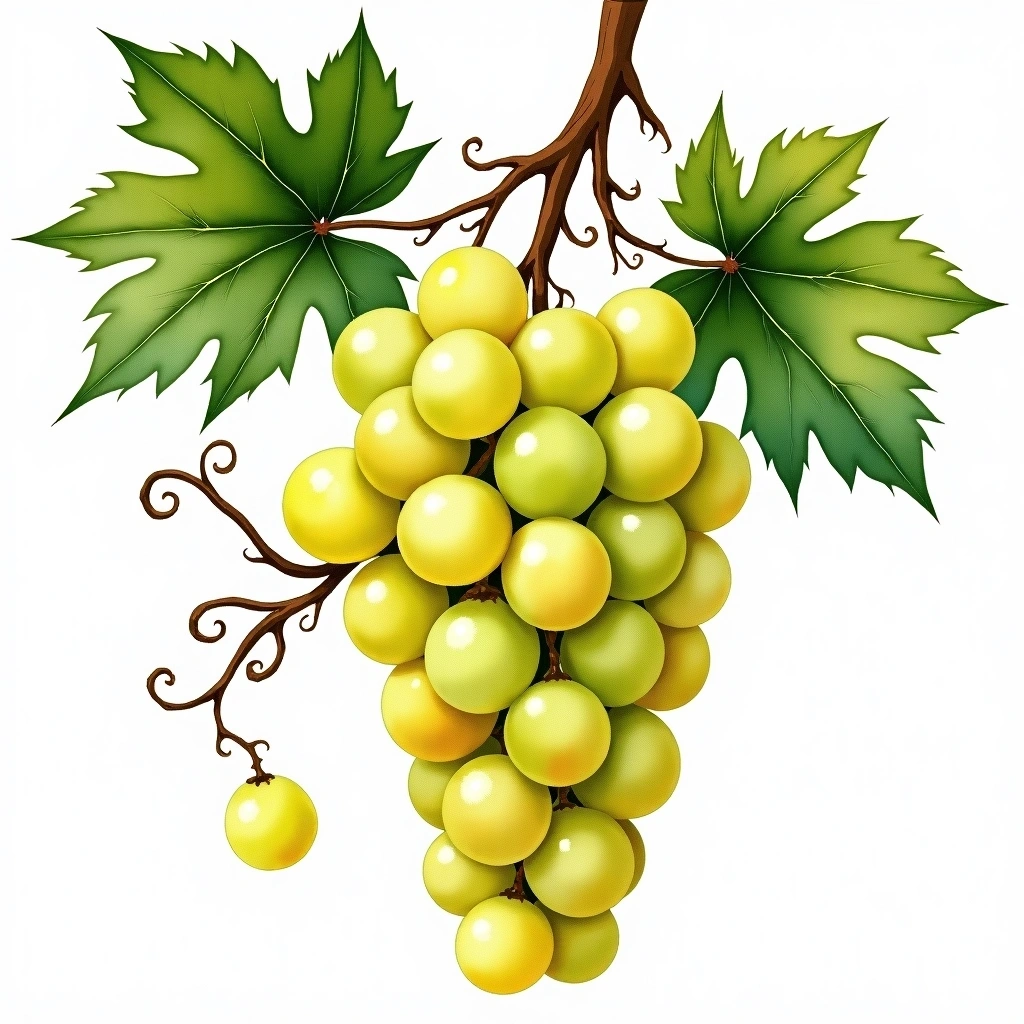 Riesling
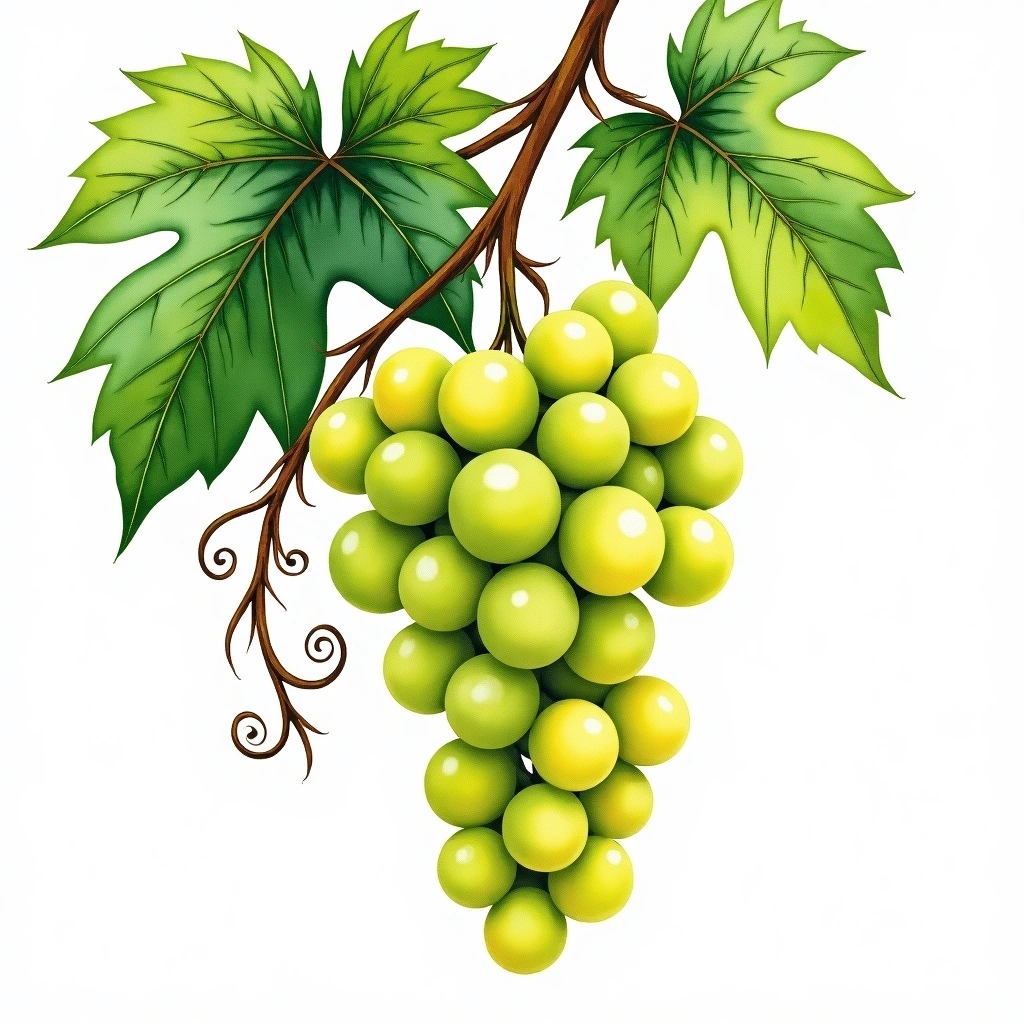 Sauvignon Blanc
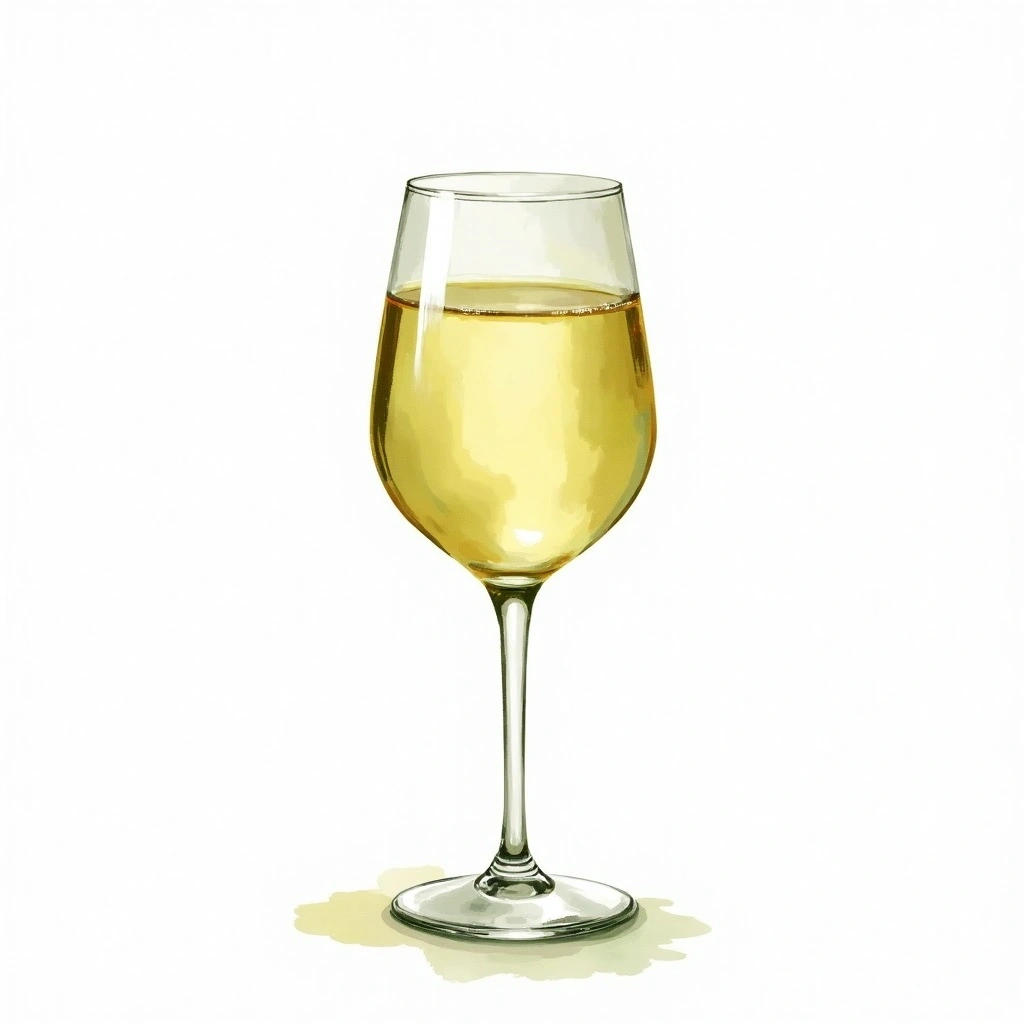 Aromatic White
 Botrytized
 Crisp White
 Ice Wine
 Late Harvest