Wine Journalism: Writing About What You Taste
A practical guide to wine writing — from tasting notes and reviews to long-form journalism and digital content — covering the techniques, pitfalls, and craft principles that separate memorable wine writing from cliché.
Why Wine Writing Is Harder Than It Looks
Wine exists in sensory experience, and language is linear. The simultaneous impression of fruit, earth, mineral, acidity, and warmth that a great glass delivers in a single moment must be unspooled into sequential sentences — a translation that inevitably loses something. This is the fundamental challenge of wine writing, and it is why so much of it is bad.
The other challenge is cultural. Wine writing accumulated decades of lazy shorthand: "approachable," "elegant," "structured," "food-friendly," "terroir-driven." These words once carried meaning; they have been used so many times and so imprecisely that they now convey almost nothing. The beginning wine writer must do the hard work of learning these terms (because readers expect them) while simultaneously developing the craft instinct to know when to abandon them in favor of something specific, surprising, and true.
This guide is about both tasks — the technical vocabulary and the craft of using language well.
The Components of a Tasting Note
A professional tasting note, whether for a trade publication, consumer magazine, or personal blog, typically covers the same territory: appearance, Nose, Palate, and conclusion. The structure is borrowed directly from the systematic tasting approach taught in WSET and CMS programs.
Appearance
Most tasting notes open with a brief, specific description of color and clarity. "Deep ruby with a bright garnet rim" tells a reader something concrete. "Beautiful red color" tells them nothing.
Useful appearance vocabulary: pale, medium, deep (intensity); straw, gold, amber (white hues); ruby, garnet, crimson, purple, tawny (red hues); clear, hazy, brilliant (clarity); watery, viscous (body).
Keep appearance descriptions brief unless something unusual demands comment — a wine with visible sediment, an unexpectedly light color for the appellation, or an interesting color evolution at the rim.
Nose
The Nose section describes what you smell. This is where most wine writing succeeds or fails. The temptation is to list aromas indiscriminately — "cherry, plum, chocolate, leather, tobacco, vanilla, toast, herbs" — which produces a note that reads like a grocery list and tells the reader nothing about how those elements fit together.
Better approach: identify the dominant aromatic signature, then the secondary notes, then any complexity or evolution that rewards attention.
"The Aroma opens with concentrated dark cherry and blackcurrant — classic Cabernet Sauvignon from a warm year — then develops earthy graphite and cedar as it opens in the glass. A thread of dried lavender keeps it from tipping into heaviness."
That note says more than a twelve-item aroma list because it communicates hierarchy, development, and balance.
Bouquet — the evolved, tertiary aromas that come specifically from bottle aging — deserves particular care. Terms like "forest floor," "dried flowers," "leather," "truffle," and "dried fruit" describe genuinely complex aromatic compounds that take time and skill to perceive. Do not use them for young wines that have not had time to develop them.
Palate
The palate section covers what you taste and feel in the mouth. The key structural components are:
Acidity: Describe its level (low, medium, high) and character (bright and citric, soft and round, sharp and angular). Acidity interacts with Body and Finish in ways worth noting: high acidity in a full-bodied wine creates a different impression than the same acidity in a light-bodied one.
Tannin (for reds): Level (low, medium, high) and texture (grainy, silky, grippy, powdery, drying). The texture of tannin is often more interesting than its quantity. A Nebbiolo from Piedmont might have very high tannin but with a powdery, drying quality that is fascinating rather than harsh.
Body: Light, medium, or full. This is a function of alcohol, extract, and sugar — and it shapes how the wine feels, not just how it tastes.
Fruit character: Here is where specific descriptors earn their place. Not just "fruit" but what kind, at what ripeness level, in what combination. "The Palate delivers ripe peach and baked apple with a lemon-curd finish" communicates much more than "fruity and full."
Finish: The length and character of the aftertaste. Short (under five seconds), medium (five to fifteen seconds), or long (over fifteen seconds). And what lingers — fruit? Mineral? Oak? Acidity? A long, complex finish is one of the clearest markers of quality in fine wine.
Conclusion
The conclusion contextualizes everything: value assessment, aging potential, food pairing, or simply a summary impression. Keep it proportionate — a one-sentence note does not need a paragraph of conclusion.
Avoiding the Clichés
Every wine writing generation accumulates its own clichés. Current overused terms include:
- "Terroir-driven" (usually means: I cannot explain what makes this distinctive)
- "Elegant" (often means: lighter style; needs qualification to be meaningful)
- "Approachable" (often means: low tannin; be specific about why)
- "Mineral" (the most contested term in wine writing — see below)
- "Complexity" (a conclusion, not a description — what is the complexity made of?)
- "Food-friendly" (almost every wine is food-friendly with the right food)
The Minerality problem deserves special attention. The term has become ubiquitous in wine writing, applied to almost every wine that is not overtly fruity. Its scientific basis is disputed — some researchers argue that mineral elements in soil are rarely if ever directly perceptible in wine — but the perception it describes is real: a certain stony, chalky, non-fruit character that many tasters detect, especially in wines from limestone soils. If you use the term, be specific: is it like wet slate? Crushed oyster shell? The smell of a freshly struck match? Specification rescues the word from meaninglessness.
The solution to all clichés is the same: replace them with specifics. Not "elegant" but "medium-bodied with silky tannins and a precision-cut Finish." Not "complex" but "the aromas shift every five minutes in the glass, opening from fresh cherry to dried violet to forest floor over thirty minutes." Specific observations cannot be clichés.
Finding Your Voice
Professional wine critics occupy a wide spectrum from the austere and technical (Robert Parker's early work, WSET exam-style notes) to the lyrical and associative (Jancis Robinson, Andrew Jefford). Neither extreme is correct; both can achieve greatness.
Your voice develops from two sources: your sensory experience (what you actually taste) and your reference library (what you have read and absorbed about writing in general).
Some practices that accelerate voice development:
Read wine writing you love, then analyze it: Identify specifically what the writer does that works. Is it the rhythm of sentences? The use of unexpected analogies? The specificity of descriptors? The humor? Name the techniques so you can deliberately practice them.
Read non-wine writing voraciously: Food writing (M.F.K. Fisher, Elizabeth David, Anthony Bourdain), travel writing, natural history, poetry. Wine sits at the intersection of sensory experience, culture, geography, and history — all of these genres have something to offer.
Write regularly, then cut aggressively: First drafts of tasting notes are typically too long. Cutting forces you to identify what is essential and what is padding. The best tasting notes are dense with information but feel effortless to read.
Taste, then write immediately: The longer you wait after tasting, the more your memory smooths over the interesting rough edges and replaces specific impressions with generic categories. Write while the wine is still on your palate.
Different Formats for Different Audiences
Trade Notes
Trade publications (Wine Spectator, Decanter, Wine Advocate, Jancis Robinson.com) publish systematic notes for professional buyers, collectors, and enthusiasts with significant wine knowledge. These notes can assume vocabulary, use abbreviations for appellations, and assess aging potential with specific decade ranges.
Consumer Writing
Newspaper wine columns and general consumer blogs must be accessible to readers who may know nothing about wine. Technical vocabulary should be used sparingly and always explained in context. The most effective consumer wine writing leads with why someone should care — a dinner occasion, a budget, a flavor preference — before addressing what is in the glass.
Digital and Social Media
Instagram, YouTube, and TikTok have created an audience for wine content that would never read a 150-word tasting note. Short-form wine writing must prioritize a single compelling angle — one surprising fact, one unexpected pairing, one counterintuitive recommendation — rather than comprehensive assessment. Headlines matter more than they used to.
Long-Form Journalism
The greatest wine writing is not tasting notes at all — it is narrative journalism that uses wine as a lens for exploring history, culture, farming, science, or personality. Features about Burgundy's climate-change-driven northward shifts in ideal grape-growing territory, profiles of winemakers farming biodynamically in Barossa Valley, investigations into wine fraud — these stories use the vocabulary and knowledge of wine criticism but the ambitions and techniques of literary journalism.
If writing is your primary skill and wine your subject, the long-form format is where the most enduring work gets done.
Practical Exercises
The 100-word discipline: Write a complete tasting note in exactly 100 words. The constraint forces prioritization — what are the three or four things about this wine that genuinely matter?
The translation exercise: Describe a wine without using any conventional wine vocabulary. No fruit names, no structural terms, no regional references. Just metaphors, memories, textures, temperatures, and emotions. Then translate that description back into professional vocabulary. The back-translation is usually more interesting than notes written conventionally from the start.
The comparison note: Taste two wines simultaneously and write a note that describes both while focusing on the relationship between them — where they agree, where they differ, what the differences reveal.
Wine writing, like wine itself, improves with practice, attention, and honest self-assessment. The taster who writes is almost always a better taster than the one who does not — because writing forces the specificity that casual tasting allows you to avoid.
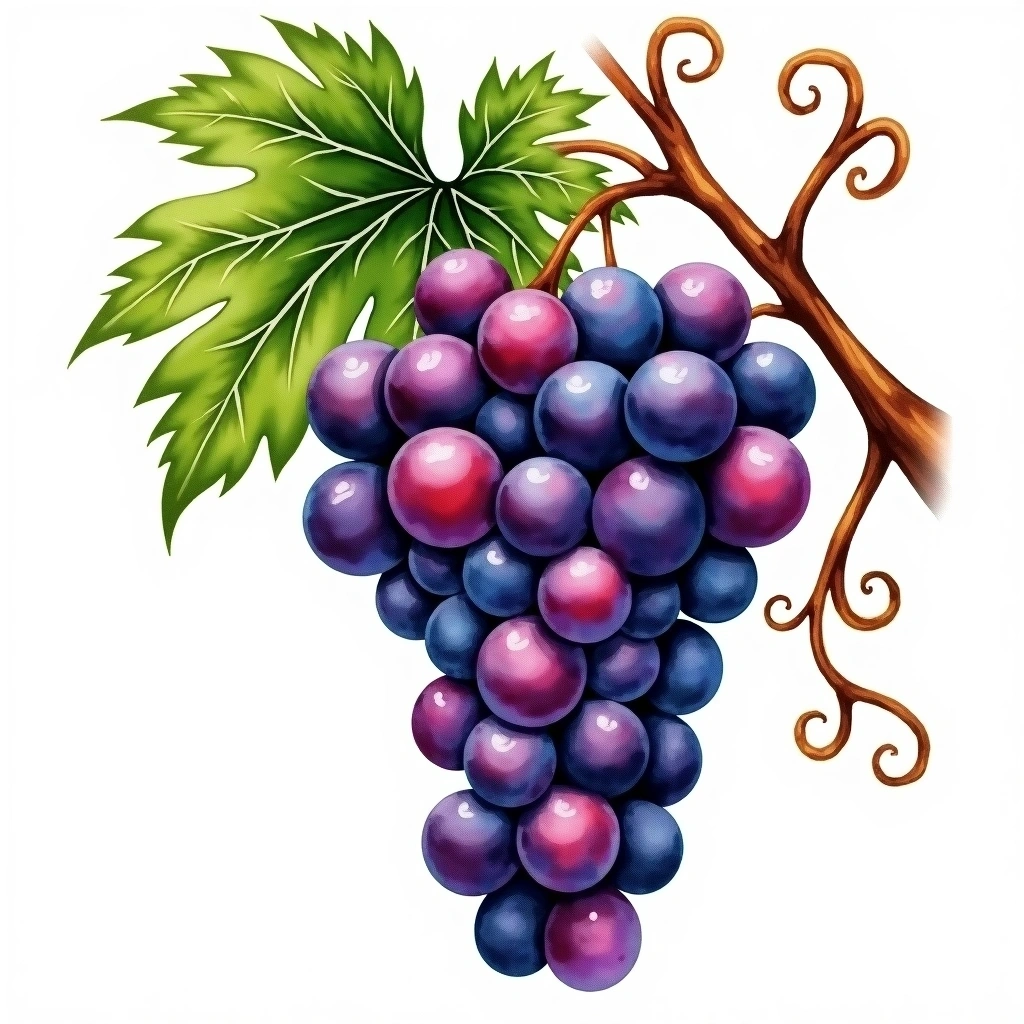 Cabernet Sauvignon
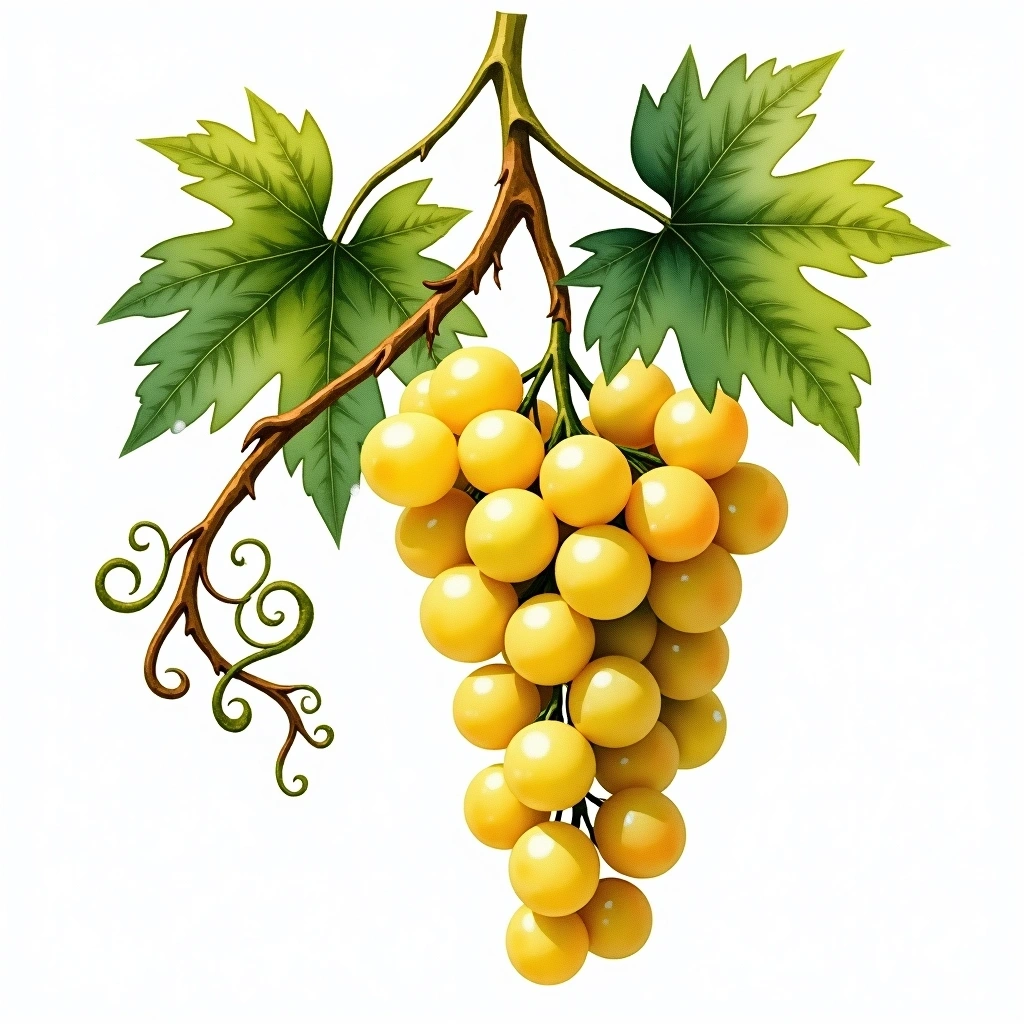 Chardonnay
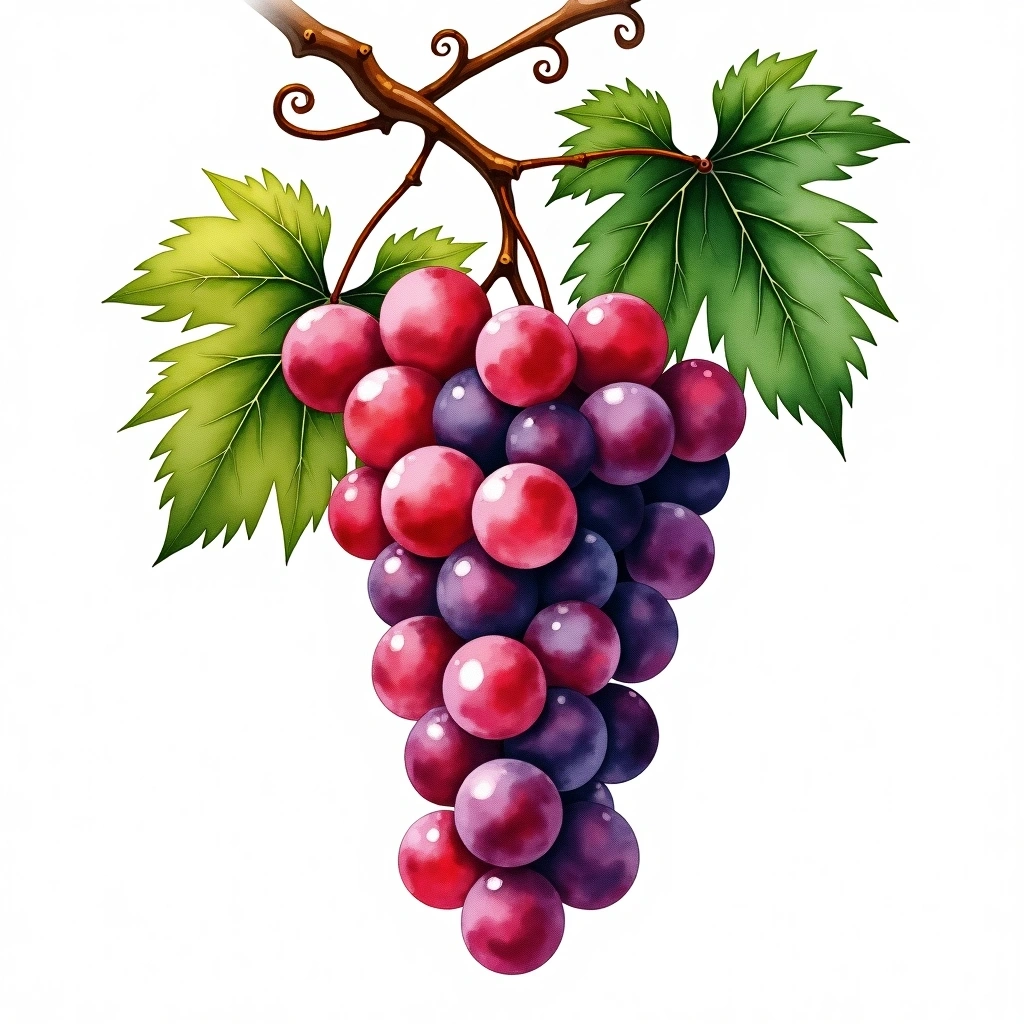 Pinot Noir
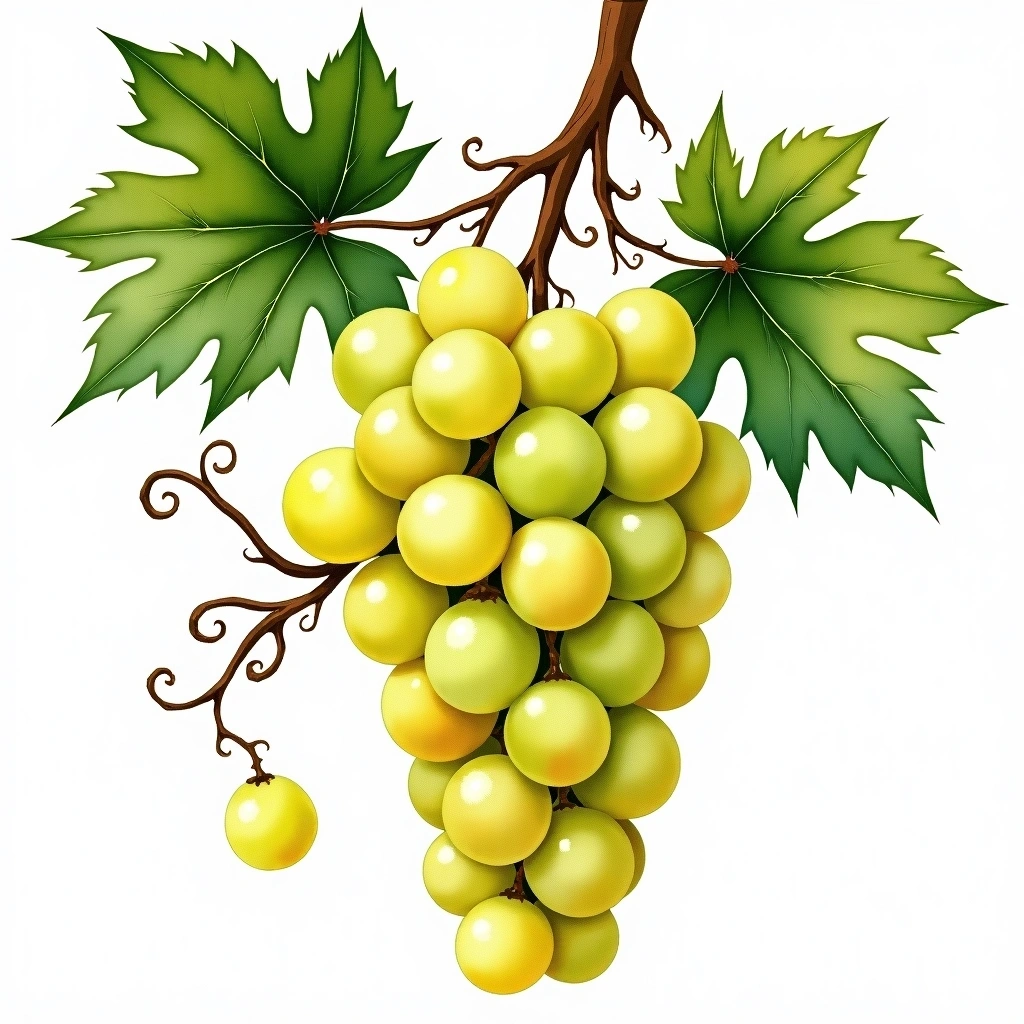 Riesling
 Sauvignon Blanc
 Bold Red
 Crisp White
 Elegant Red
 Rich White