Wine Pairing 101: The Fundamental Principles
A foundational guide to food and wine pairing covering the core principles of congruent and contrasting pairings, how to match weight, acidity, tannin, and sweetness with your food choices.
Why Food and Wine Pairing Matters
The right wine does not merely accompany food — it transforms it. A squeeze of lemon on oysters brightens the brine; a glass of crisp Crisp White Muscadet does the same thing from inside the glass. Conversely, the wrong pairing can make an otherwise excellent wine taste bitter, flat, or harsh. Understanding why these reactions happen gives you a practical toolkit that works at any table, in any restaurant, anywhere in the world.
Food and wine pairing is governed by two overarching strategies: Congruent Pairing and Contrasting Pairing. Congruent pairings match like with like — rich food with a rich wine, tangy food with a high-acid wine. Contrasting pairings work by opposition — sweet wine cutting through salty or fatty food, sparkling wine refreshing the palate after a rich bite. Both strategies are valid. The skill lies in knowing which to apply.
The Five Core Pairing Principles
1. Match the Weight
Body in wine corresponds to richness in food. A delicate grilled sole overwhelmed by a muscular Bold Red Cabernet Sauvignon is an unbalanced pairing — the wine bulldozes the fish. The same fish paired with a lean Light White lets both components express themselves.
Think in parallel categories:
| Food Weight | Wine Weight | Example |
|---|---|---|
| Light (sole, salad) | Light White or Light Red | Muscadet, Beaujolais |
| Medium (chicken, pasta) | Medium Red or Rich White | Chardonnay, Merlot |
| Rich (lamb, aged beef) | Bold Red | Cabernet, Syrah |
This principle is the most reliable starting point. When in doubt, match the perceived richness of the dish to the perceived weight of the wine.
2. Mirror or Contrast Acidity
Acidity in wine acts like a squeeze of lemon. It cuts through fat, cleanses the palate, and makes the next bite as exciting as the first. Fatty or oily foods demand high-acid wines. A creamy pasta sauce paired with a flabby, low-acid wine tastes heavy and cloying; the same sauce with a high-acid Sangiovese from Toscana suddenly feels light and vibrant.
High-acid wines also pair brilliantly with acidic foods — salad dressings, tomato sauces, citrus-based marinades — because they do not clash. The acidity in the wine mirrors the acidity in the food, and neither cancels the other out.
3. Manage Tannin and Protein
Tannin in red wine reacts with protein and fat. This reaction is the scientific basis for the classic red wine and red meat pairing. Protein in a well-marbled steak binds to the tannins, softening them and making the wine taste rounder. Meanwhile, the tannin cuts through the fat, preventing the dish from feeling greasy.
The dangerous combination is high-tannin wine with fish or other lean, non-fatty proteins. Without fat to bind the tannins, they clash with the delicate flesh, producing a metallic, bitter sensation. Oily fish (salmon, mackerel, tuna) can sometimes handle a lighter tannic red, but lean white fish requires a low-tannin white or rosé.
Equally problematic: high-tannin red wine with spicy food. Alcohol and tannin amplify capsaicin heat. If your dish is spicy, reach for a low-tannin, slightly sweet wine instead.
4. Balance Sweetness
A fundamental rule: the wine must be at least as sweet as the food, or sweeter. Serve a bone-dry white with a fruit tart and the wine will taste lean, sour, and thin. Serve a Late Harvest Riesling from Alsace with the same tart and both components shine.
This principle explains why Port Style wines pair so well with chocolate: the wine's richness and sweetness can match — or exceed — the dessert's intensity. Dry table wines fail here precisely because they lack the Residual Sugar needed to compete.
5. Consider the Sauce, Not Just the Protein
A common beginner mistake is to pair wine with the protein alone. In practice, the sauce or preparation style dominates the pairing decision. A chicken breast grilled with lemon and herbs calls for a crisp white. The same chicken braised in a rich mushroom and red wine sauce calls for a medium-bodied red. The protein is the same; the flavor environment is entirely different.
The Bridge Ingredient Concept
A Bridge Ingredient is a component that appears in both the dish and the wine, creating a natural link between the two. Earthy mushrooms bridging to an earthy Pinot Noir from Bourgogne. Herbal notes in a Bordeaux-blend bridging to a herb-crusted lamb. Smoky notes from oak-aged Chardonnay bridging to grilled corn.
Identifying bridge ingredients requires paying attention to what a wine actually smells and tastes like — not just its label. This is where developing your tasting vocabulary pays direct, practical dividends.
What to Avoid: Common Pairing Mistakes
Artichokes and Asparagus
Both vegetables contain cynarin (artichoke) and mercaptans (asparagus), compounds that make most wines taste metallic or unpleasantly sweet. If serving these vegetables, pair with high-acid, low-tannin wines — a crisp Sauvignon Blanc is the most forgiving choice.
Vinegar-Based Dressings
Undressed salads pair reasonably well with most whites. Heavily dressed salads — especially those with sharp wine vinegar — compete violently with the wine's own acidity. Either match with a very high-acid wine or simply skip the wine pairing for a salad course.
Chocolate with Dry Red Wine
Dry red wine and dark chocolate is one of the most commonly recommended pairings and one of the most frequently disappointing. The tannins in both the wine and the chocolate stack up, producing a bitter, astringent combination. A Port Style or Late Harvest wine is the correct answer.
Regional Pairings: The Wisdom of Tradition
Before pairing science existed, people developed pairing wisdom empirically over centuries. The result is a deeply reliable principle: local food pairs with local wine. The Sangiovese-based wines of Toscana evolved alongside olive oil, tomatoes, and cured meats — they pair naturally because they developed in the same culinary environment. The same is true of Alsatian Riesling with choucroute, or the tangy white wines of the Loire with local goat cheese.
When traveling or ordering at an ethnic restaurant, asking for a wine from the same region as the cuisine is rarely a wrong answer. The congruence is built in.
Building Your Pairing Confidence
Pairing confidence comes from experimentation and note-taking, not memorization. Start with the weight-matching principle as your default. When that feels intuitive, layer in the acidity and tannin rules. Over time, you will develop a personal map of what works for your palate and your table.
Two practical shortcuts for everyday situations:
- When uncertain, choose high acidity. High-acid wines — Sauvignon Blanc, Italian whites, Champagne — pair comfortably with a wider range of foods than almost any other style.
- Rosé is the universal compromise. A dry Dry Rosé sits between red and white in structure and pairs credibly with fish, poultry, charcuterie, and light pasta dishes where neither a full red nor a delicate white feels right.
The goal is not perfection — it is enhancement. Even an imperfect pairing rarely ruins a meal. But when wine and food align, the whole becomes genuinely greater than the sum of its parts.
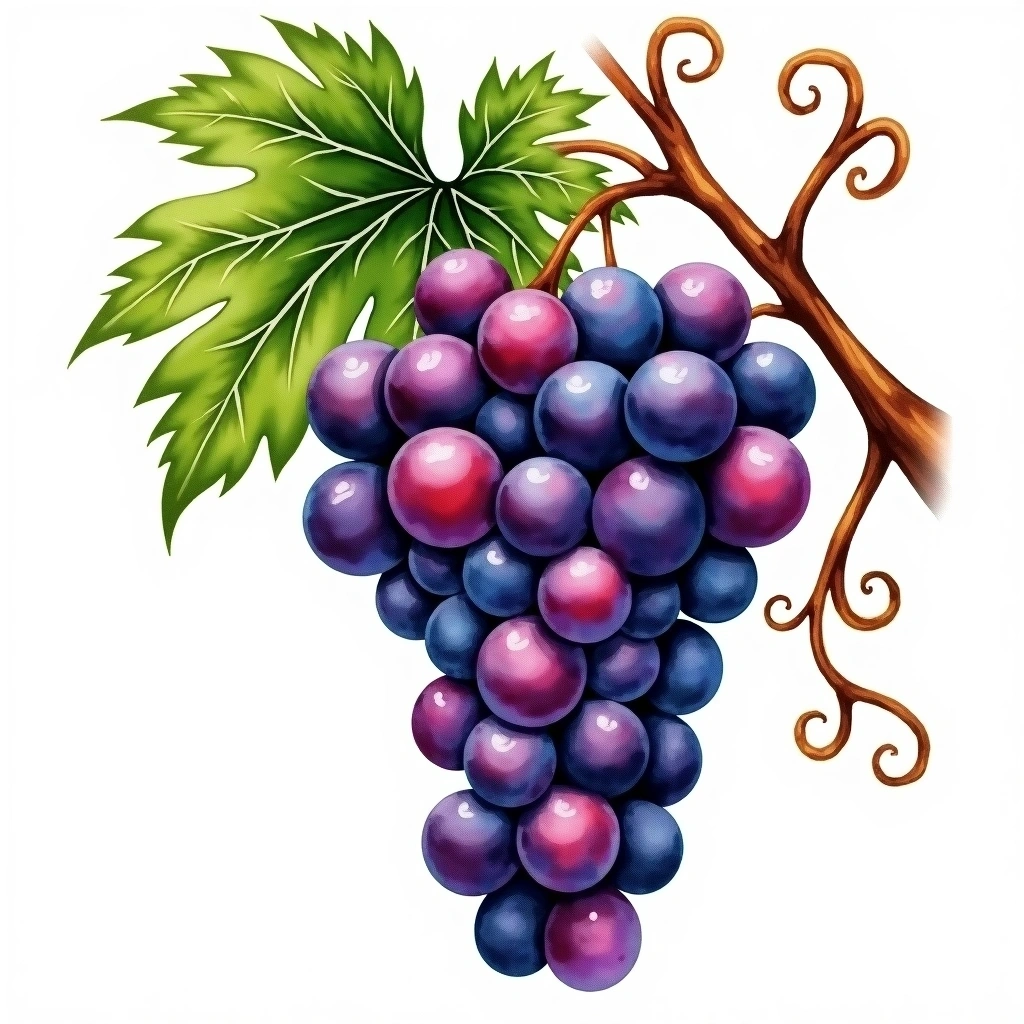 Cabernet Sauvignon
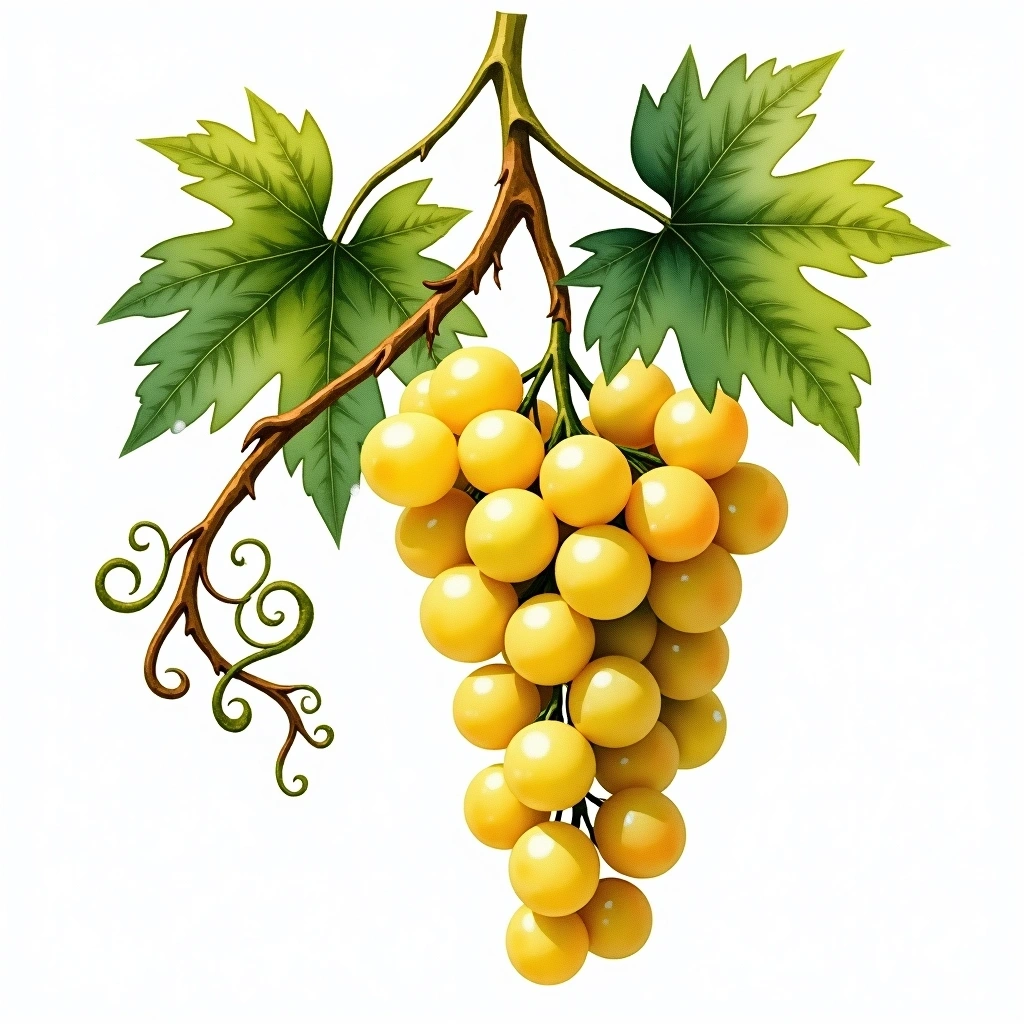 Chardonnay
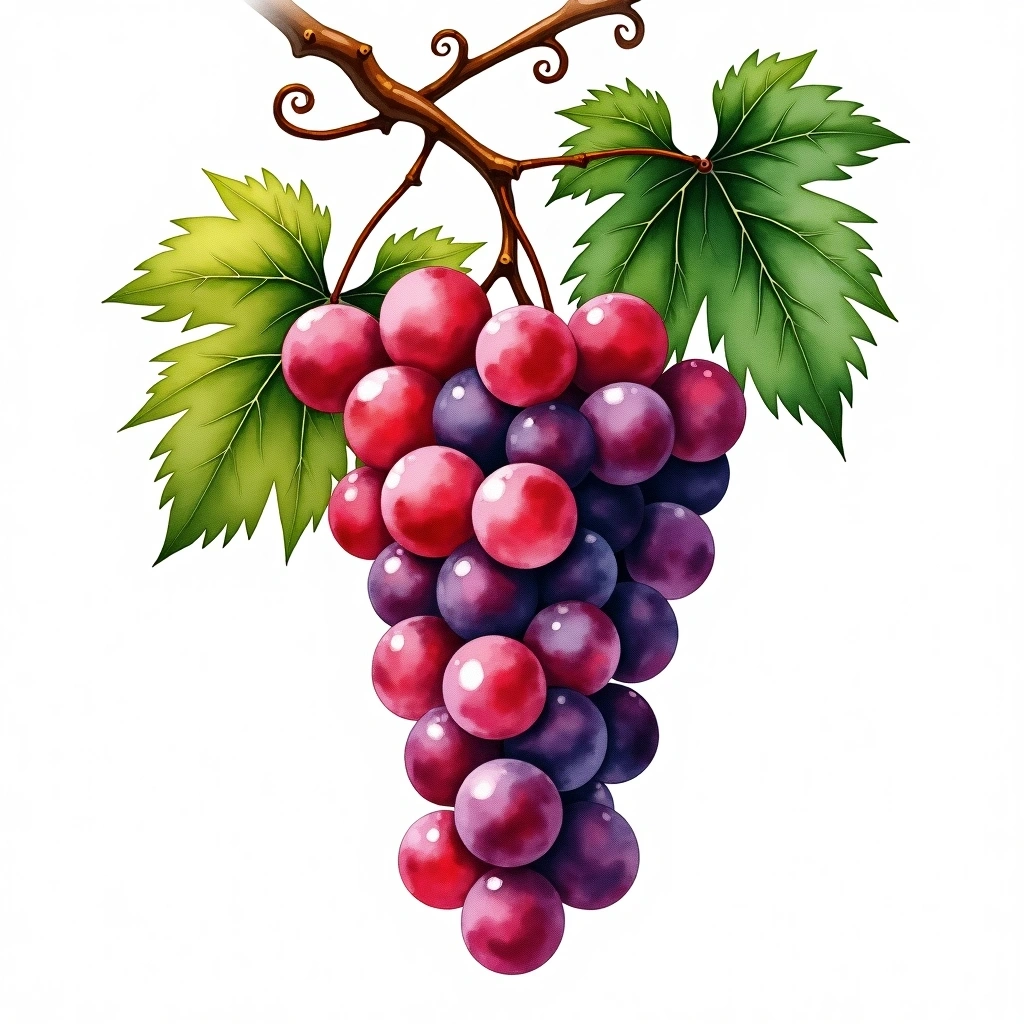 Pinot Noir
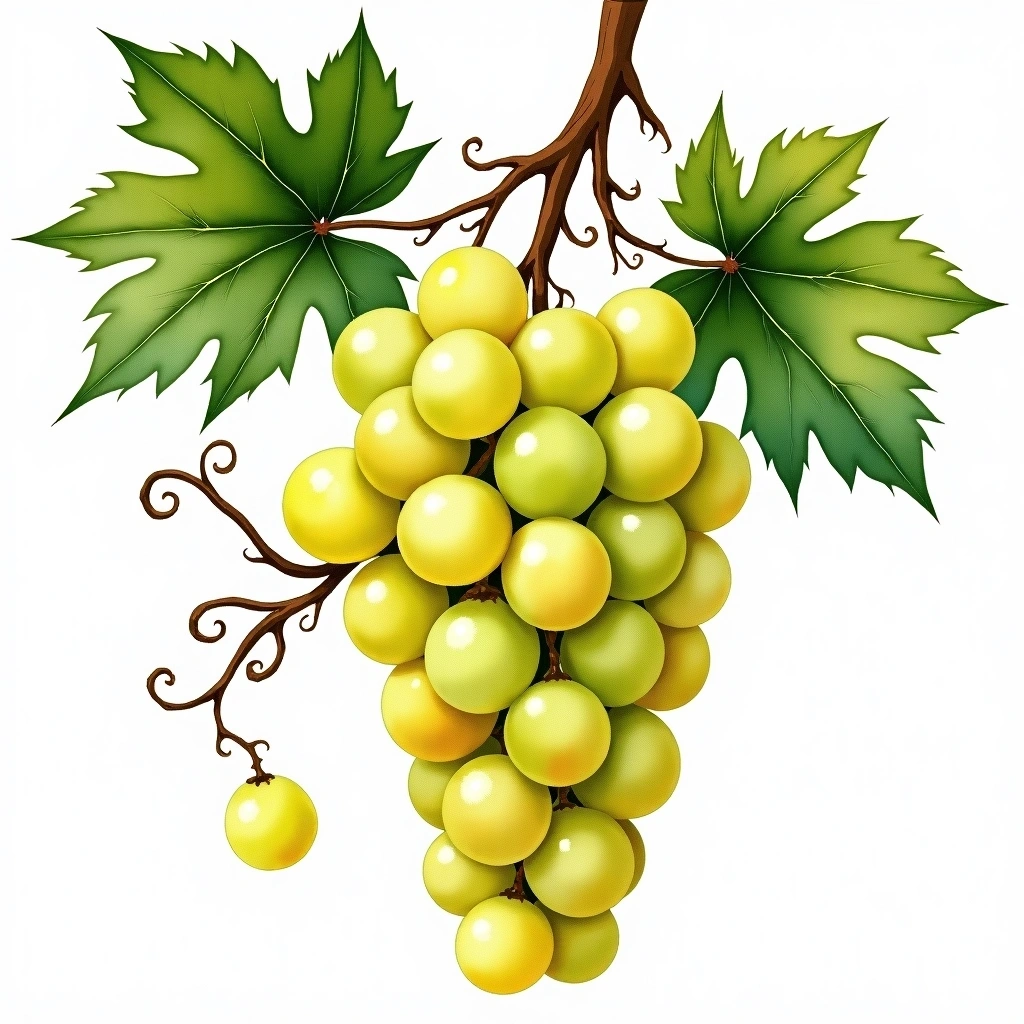 Riesling
 Sangiovese
 Sauvignon Blanc
 Bold Red
 Crisp White
 Dry Rosé
 Light Red
 Rich White