Bordeaux: The World's Most Famous Wine Region
A deep dive into Bordeaux — its Left Bank and Right Bank appellations, Cabernet Sauvignon-dominated blends, classification system, legendary chateaux, and the vintages every wine lover should know.
Why Bordeaux Rules the Wine World
No wine region on earth carries more weight in the global imagination than Bordeaux. Perched in southwest France where the Gironde estuary meets the Atlantic, Bordeaux has been the benchmark for fine red wine for centuries. It supplies the templates that winemakers from Napa to Tuscany still measure themselves against: structured, Tannin-rich reds built for the cellar, fresh dry whites, and some of the world's most celebrated sweet wines.
The numbers alone are staggering. Bordeaux produces approximately 700 million bottles a year across 57 appellations, encompassing 120,000 hectares of vines and more than 6,000 chateaux. It is the largest fine-wine appellation in the world by volume, and arguably the most scrutinised by critics, collectors, and investors.
Geography and Climate
Bordeaux sits at roughly 45 degrees north latitude — the same as parts of Oregon and northern Italy. The Atlantic Ocean moderates temperatures, ensuring mild winters and warm but not brutal summers. The Gironde estuary and its two tributaries, the Garonne and the Dordogne, divide the region into its two great halves and exert a further moderating influence on local microclimates.
The most important geographical division in Bordeaux is the one the local wine trade has drawn along these rivers:
The Left Bank
The Left Bank encompasses the Medoc peninsula (running north from the city of Bordeaux) and the Graves appellation to the south. Soils here are dominated by deep gravel deposits — well-drained, warm, and infertile — that force vines to root deeply and moderate their Yield. These conditions suit Cabernet Sauvignon perfectly, which is why Cabernet dominates Left Bank blends, typically making up 60-80% of the final wine. Merlot, Cabernet Franc, Petit Verdot, and occasionally Mourvedre complete the blend.
Key appellations of the Left Bank include Pauillac, Saint-Estephe, Saint-Julien, Margaux, and Listrac-Medoc. These names correspond to communes within the Haut-Medoc, each with a distinct personality shaped by subtle shifts in soil and drainage.
The Right Bank
Across the Gironde, the Right Bank is a different world. Soils shift to clay and limestone — cooler and heavier — conditions that favour Merlot and Cabernet Franc over Cabernet Sauvignon. The result is wines that tend to be rounder, more plushly textured, and approachable earlier in their life. The great appellations here are Saint-Emilion and Pomerol, home to some of the world's most sought-after wines.
Entre-Deux-Mers and Sweet Wine Country
Between the two rivers lies the Entre-Deux-Mers, the source of much of Bordeaux's everyday dry white wine, predominantly from Sauvignon Blanc and Sémillon. Further south, the Sauternes and Barsac appellations produce legendary Botrytized sweet wines from Semillon grapes transformed by noble rot.
The Classification System
Bordeaux is the birthplace of the modern wine classification. The most famous is the 1855 Classification, created for the Paris Exposition by order of Napoleon III. It ranked 61 red Bordeaux estates (plus one white, Chateau d'Yquem) from First Growth to Fifth Growth based purely on the trading prices of the day. Remarkably, the classification remains largely unchanged today — Mouton Rothschild was elevated from Second to First Growth in 1973, but that was the only modification in 170 years.
The five First Growths (Premiers Crus Classes) are: - Chateau Lafite Rothschild (Pauillac) - Chateau Latour (Pauillac) - Chateau Margaux (Margaux) - Chateau Mouton Rothschild (Pauillac) - Chateau Haut-Brion (Pessac-Leognan, Graves)
The Right Bank has its own systems. Saint-Emilion's classification (established 1954, revised periodically) places Petrus's neighbour Cheval Blanc and Ausone at the apex, while Pomerol has no official classification at all — though Petrus, if it did, would be at the very top.
The Négociant System
Much of the Bordeaux trade flows through the Négociant (merchant) system. Negociants buy wine from chateaux, blend or age it, and sell it under their own label or re-export the original chateau wine. The courtier (broker) sits between the chateau and the negociant, facilitating transactions. This three-tier structure — chateau, courtier, negociant — has governed Bordeaux commerce for centuries and remains the foundation of the en primeur (futures) market, where wine is sold before it finishes aging.
Key Grapes of Bordeaux
Bordeaux is defined by blending. No single grape tells the whole story.
Cabernet Sauvignon is the Left Bank king. It brings deep colour, firm Tannin, blackcurrant and cedar aromas, and the backbone for long aging. In cool vintages it can be green and austere; in warm years it achieves magnificent concentration and complexity.
Merlot is Bordeaux's most widely planted variety and dominates the Right Bank. Plummy, velvety, and relatively approachable in youth, it softens Cabernet's austerity in Left Bank blends and stands magnificently on its own at estates like Petrus (almost pure Merlot on clay soils).
Cabernet Franc plays a supporting role on both banks but shines in its own right at Cheval Blanc. It adds aromatic complexity — violets, graphite, pencil shavings — and freshness that blunts the mid-palate weight of Merlot.
Sémillon and Sauvignon Blanc form the backbone of Bordeaux's white wines. In the Graves and Pessac-Leognan, blends of these two produce some of France's most age-worthy dry whites. In Sauternes, Semillon's thin skins make it uniquely susceptible to noble rot, creating wines of extraordinary richness and longevity.
Notable Producers
The following estates represent the full spectrum of Bordeaux's quality pyramid:
- Chateau Petrus — Pomerol; essentially pure Merlot on blue clay; the world's most expensive Bordeaux
- Chateau Latour — Pauillac; perhaps the most consistent First Growth across decades; famous for performing superbly in difficult vintages
- Chateau Margaux — Margaux; the most perfumed and feminine of the First Growths
- Chateau Leoville-Las Cases — Saint-Julien; a "Super Second" that rivals First Growth quality
- Chateau Cos d'Estournel — Saint-Estephe; notable for its architecture and Pauillac-like power
- Chateau Pontet-Canet — Pauillac; fifth growth that now regularly outperforms its classification; certified biodynamic
- Chateau Angelus — Saint-Emilion Premier Grand Cru Classe A; rich, opulent Right Bank style
Vintages Worth Knowing
Vintage variation in Bordeaux is meaningful. The Atlantic climate brings rain at unpredictable times, and a September downpour can devastate a crop that looked magnificent in August. The following vintages represent the modern canon:
| Vintage | Character | Cellar Potential |
|---|---|---|
| 2009 | Legendary; rich, concentrated | Peak 2020-2040 |
| 2010 | Precise, structured; some say better than 2009 | Peak 2025-2060 |
| 2015 | Classic; excellent balance | Peak 2022-2045 |
| 2016 | Near-perfect; structured Left Bank | Peak 2026-2055 |
| 2018 | Opulent, ripe; excellent depth | Peak 2023-2045 |
| 2019 | Elegant, fresh; perhaps the decade's best | Peak 2027-2060 |
| 2022 | Hot, concentrated; early-drinking appeal | Peak 2025-2050 |
Challenging vintages like 2013 and 2017 (frost damage) produced far fewer great wines, though skilled producers still made excellent bottles.
Food Pairings
The classic match for aged Bordeaux is roast lamb — the iron and gaminess of the meat mirrors the wine's structure and secondary flavors beautifully. Beyond lamb, consider:
- Left Bank (Cabernet-dominant): Aged beef, duck confit, hard cheeses (Comte, aged Cheddar), venison
- Right Bank (Merlot-dominant): Pork, veal, truffles, mushroom-based dishes, soft washed-rind cheeses
- Dry white Bordeaux: Oysters, grilled sea bass, goat cheese, asparagus
- Sauternes: Foie gras (the classic pairing), blue cheese (Roquefort), creme brulee, fresh fruit tarts
How to Approach Bordeaux as a Buyer
Bordeaux's price stratification is real. The First Growths and cult Right Bank estates command thousands of dollars per bottle, but the classification contains hundreds of chateaux at every price point. Cru Bourgeois wines — a tier below the official 1855 classifications — often deliver remarkable value. Everyday Bordeaux (labelled simply "Bordeaux AOC" or "Bordeaux Superieur") provides honest claret at accessible prices.
When buying Bordeaux, consider the Appellation as a guide to style. If you want age-worthy power, look to Pauillac. For elegance, explore Margaux or Saint-Julien. For value over-delivery, try Moulis, Listrac, and the less fashionable corners of the Medoc. And never overlook the Right Bank appellations outside Pomerol and Saint-Emilion: Fronsac, Canon-Fronsac, and Lalande-de-Pomerol offer similar Merlot pleasure at a fraction of the price.
 Cabernet Franc
 Cabernet Sauvignon
 Merlot
 Petit Verdot
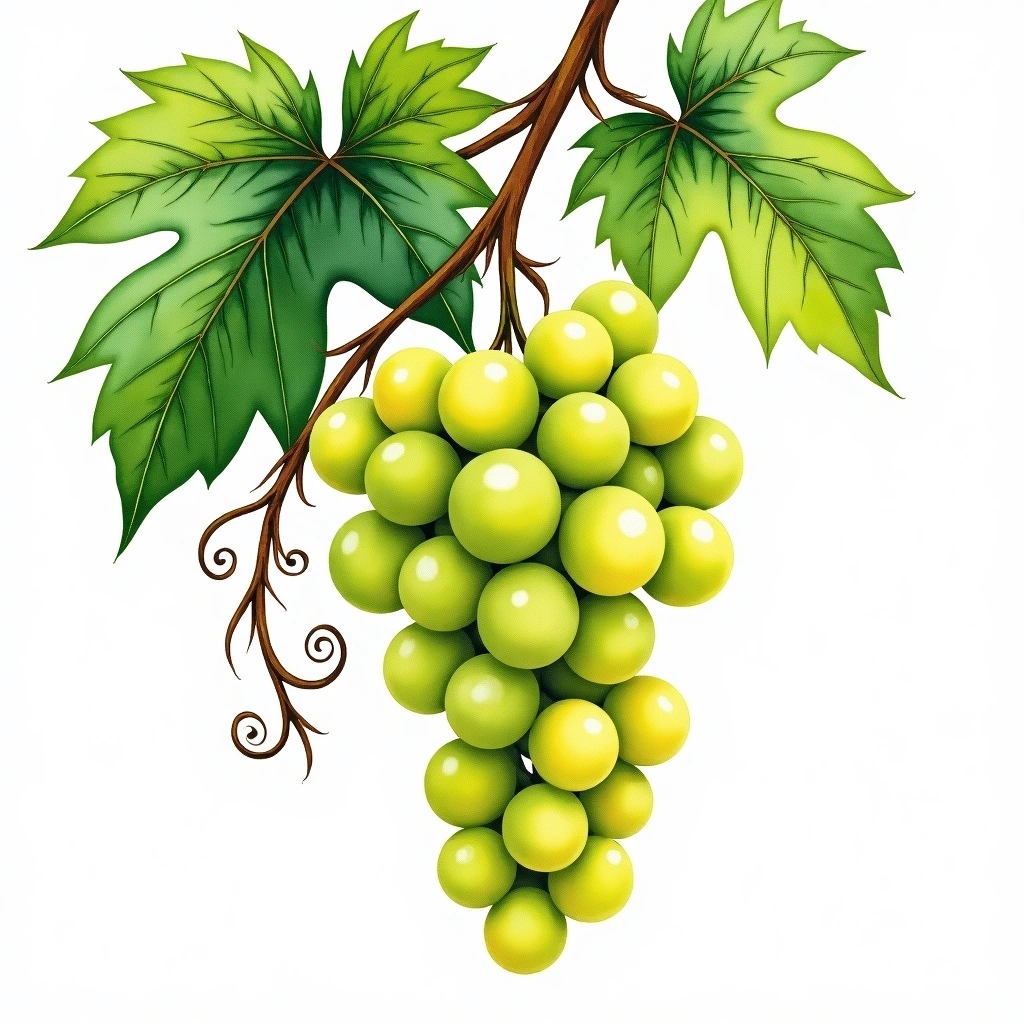 Sauvignon Blanc
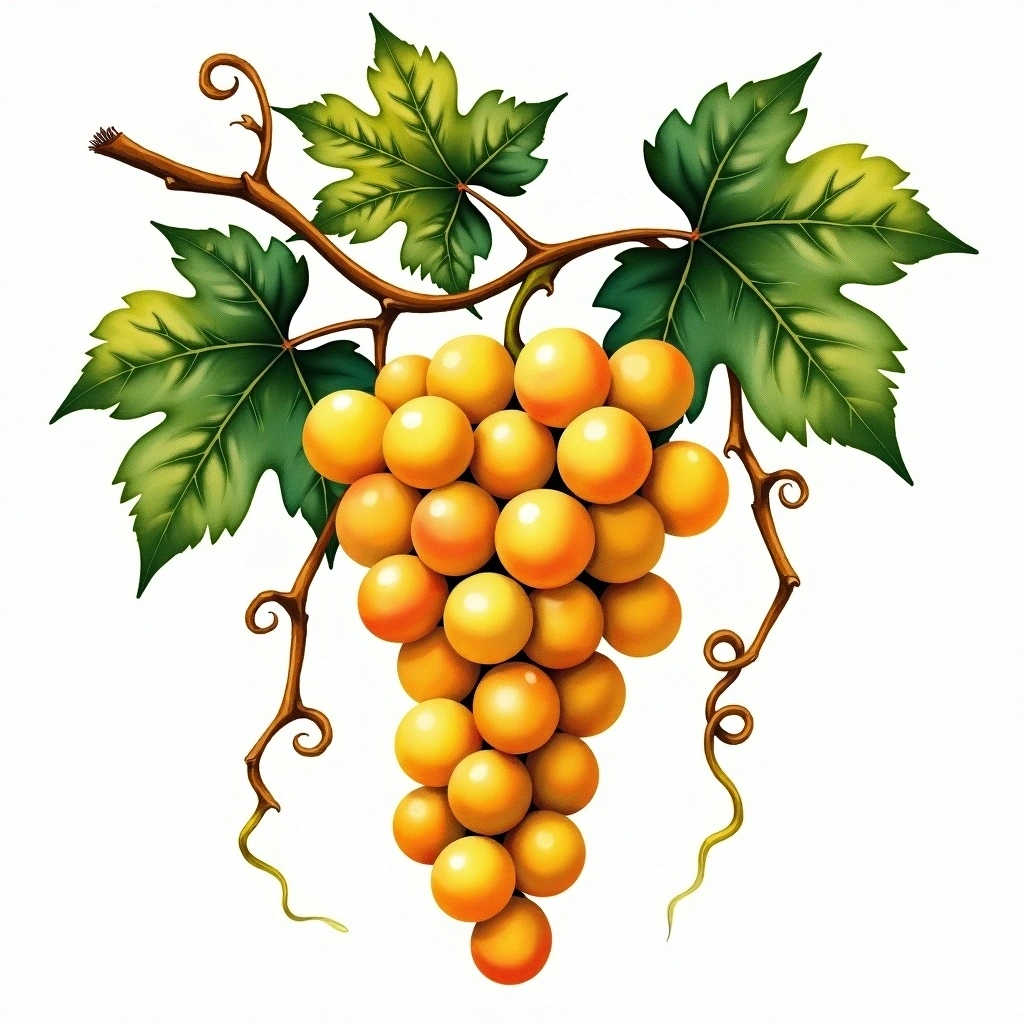 Sémillon
 Bold Red
 Botrytized
 Crisp White
 Elegant Red
 Medium Red