Methode Traditionnelle: How Champagne Is Made
A deep technical explanation of the traditional method used to produce Champagne and other premium sparkling wines, from base wine assembly to disgorgement and dosage.
The Method That Defines Prestige
When wine professionals speak of quality sparkling wine, they invariably invoke Méthode Traditionnelle — the traditional method of secondary in-bottle fermentation that gives Champagne and wines like Cava, Cremant, and Franciacorta their characteristic complexity, fine bubble structure, and ability to age.
The method is labor-intensive, time-consuming, and expensive. A single bottle of non-vintage Champagne takes a minimum of 18 months from base wine to sale; a prestige cuvee may take a decade. Understanding why the process works — and what each step contributes — transforms your appreciation of the final wine.
Step 1: Growing and Harvesting the Grapes
The foundation of any great sparkling wine is high-acidity, low-sugar grapes harvested before full phenolic ripeness. In Champagne, cool temperatures and chalky soils are ideal for this: Chardonnay, Pinot Noir, and Pinot Meunier are typically picked at 9-10% potential alcohol with aggressive natural acidity.
Lower sugar at harvest means lower base wine alcohol — important because the secondary fermentation will add approximately 1.2-1.5% additional alcohol. High acidity is essential because the wine must have enough structure to survive years of aging and remain fresh after Dosage softens the edge.
Harvesting rules in Champagne are extraordinarily strict: pressing ratios limit how much juice can be extracted from each 4,000 kg of grapes (the marc). The first press (the cuvee) yields 2,050 liters of high-quality juice; the second press (the taille) yields 500 liters of coarser material that many top houses exclude entirely.
Step 2: Primary Fermentation
Pressed juice ferments in either stainless steel tanks (preserving freshness and fruit character) or old oak barrels (adding texture and complexity). Most large Champagne houses use stainless; prestige houses like Krug and Bollinger use oak.
The primary fermentation converts grape sugars to alcohol and CO₂. This CO₂ escapes into the atmosphere — bubbles come later. The resulting wine — the vin clair — is bone dry, searingly acidic, and often quite harsh. It is not designed to be pleasant on its own; it is designed to age and transform.
Malolactic fermentation (ML) may or may not be performed. ML converts sharp malic acid to softer lactic acid, reducing perceived acidity and adding creaminess. Vintage Champagnes from cool years often benefit from ML; fresher, more linear styles may block it to retain acidity.
Step 3: Assemblage — The Art of Blending
Cuvée assembly (assemblage) is the most consequential step in non-vintage Champagne production and the principal expression of the chef de cave's skill. Wines from dozens of different parcels, grape varieties, and — critically — previous vintages (reserve wines) are evaluated and blended into a composite that expresses the house's signature style.
Reserve wines are the non-vintage winemaker's most powerful tool. Great houses maintain libraries of wines from multiple previous years that can be drawn upon to add complexity, roundness, and consistency to each year's blend. Krug, for example, blends up to 250 individual wines from up to 15 different years into its Grande Cuvee.
The goal of assemblage is consistency — ensuring that this year's non-vintage Brut tastes like last year's, regardless of what the individual harvests offered. For a consumer, this reliability is exactly what a house brand represents.
Step 4: The Liqueur de Tirage
Once the base blend is assembled, a precise mixture of sugar, yeast, and nutrients — the liqueur de tirage — is added. The dosage of sugar is calculated to achieve approximately 6 atmospheres of pressure in the finished wine (the standard for Champagne). This corresponds to roughly 24 g/L of sugar, which the secondary fermentation will consume entirely.
The wine is bottled in thick-walled glass engineered to withstand this pressure, sealed with a metal crown cap, and stacked in Champagne's famously cool chalk cellars.
Step 5: Secondary Fermentation in the Bottle
This is the magic step. In the sealed bottle, yeast consumes the added sugar and produces: - Additional alcohol (~1.2-1.5% above the base wine) - Carbon dioxide, which cannot escape and dissolves into the wine under pressure
The dissolved CO₂ is what becomes the bubbles. When the bottle is eventually opened and pressure drops, the CO₂ comes out of solution as millions of tiny bubbles. Traditional method bubbles are finer and more persistent than Charmat method bubbles because the CO₂ was created under pressure in a small volume and has had extended time to fully integrate with the wine.
Secondary fermentation takes 6-8 weeks at around 12°C.
Step 6: Aging on the Lees
After secondary fermentation is complete, the spent yeast cells die and settle as a sediment called the lees. Champagne regulations require minimum contact time with these lees: 15 months for non-vintage, 36 months for vintage. Premium wines routinely exceed these minimums by years.
Lees aging is where the distinctive Champagne character develops. As yeast cells break down (autolysis), they release compounds that create: - Brioche and toast — from fatty acid esters - Biscuit and pastry — from amino acids and proteins - Honey and marzipan — from oxidative reactions over time - Creamy texture — from mannoproteins that interact with CO₂
This autolytic complexity is what separates traditional method from Charmat, and what justifies the premium price. A good NV Champagne aged 18-24 months shows modest autolytic notes; a prestige cuvee aged 8-10 years on lees shows extraordinary depth.
Step 7: Riddling (Remuage)
Before the bottle can be disgorged, the plug of dead yeast must be moved to the neck for easy removal. Riddling accomplishes this by gradually tilting and rotating the bottle — incrementally, a fraction of a turn at a time — until the bottle is completely inverted and the yeast has migrated to sit against the crown cap.
Traditional riddling by hand (remuage a la main) was performed by skilled remueurs who could riddle up to 50,000 bottles per day. Modern Champagne houses now use gyropalettes — metal cages holding hundreds of bottles, computer-programmed to perform the rotations automatically. A gyropalette achieves in 3-7 days what hand riddling accomplished in 6-8 weeks.
Some artisan producers still riddle by hand as a statement of craft or necessity (odd bottle sizes, very old bottles). It costs more but produces equivalent results.
Step 8: Disgorgement (Degorgement)
The bottle neck — now pointing down with the yeast plug resting on the crown cap — is plunged into a freezing brine solution that freezes the yeast into a solid plug. The crown cap is then removed; the internal pressure ejects the frozen plug cleanly, taking the yeast with it and leaving clear wine behind.
The brief moment when the bottle is open to air is the only period of significant oxidation the wine experiences in its entire production. Speed and hygiene are critical.
Step 9: Dosage
The small volume lost during disgorgement is replaced with the liqueur d'expedition — a mixture of the same Champagne and dissolved cane sugar (or, increasingly, wine from the same cuvee without added sugar for zero-dosage styles).
The amount of sugar added determines the final sweetness designation: - Zero/Brut Nature: no Dosage or maximum 3 g/L — Brut Nature - Extra Brut: 0-6 g/L - Brut: 0-12 g/L (the commercial standard)
Dosage is not just about sweetness. Even in a Brut, the wine goes through an adjustment period of weeks to months after disgorgement as the dosage integrates. Champagne sold immediately after disgorgement can taste disjointed; a wine that has rested 3-6 months post-disgorgement is far more harmonious.
Step 10: Corking and Caging
The characteristic mushroom-shaped Champagne cork — initially a straight cylinder of agglomerated cork topped with a natural cork disk — is driven in under pressure and then secured with a wire cage (muselet) twisted to six turns. The cage prevents the cork from expelling under the wine's internal pressure (~6 atmospheres — three times the pressure of an automobile tire).
The bottle is labeled, foiled, and shipped. For most NV Champagne, this happens relatively soon after disgorgement — typically within 6 months to a year.
Why It Matters
The traditional method is not simply a production technique — it is a commitment to time, craft, and quality that cannot be replicated by faster, cheaper alternatives. Every step in the chain contributes to the final character of the wine:
- Assemblage creates house style and consistency
- Lees aging creates autolytic complexity
- Riddling and disgorgement enable clarity without filtration
- Dosage provides the final balance
When you pay a premium for traditional method sparkling wine, you are paying for all of this. The difference between a Charmat-method Prosecco and a well-aged traditional-method wine is not a matter of marketing — it is a difference you can taste.
Traditional Method Around the World
The traditional method is not the exclusive property of Champagne. It is practiced with impressive results across a wide range of regions, each bringing its local grape varieties and terroir to the process.
Franciacorta (Italy): Produced in Lombardy from Chardonnay, Pinot Noir, and Pinot Blanc, Franciacorta is Italy's most rigorous traditional-method category. Non-vintage requires 18 months on lees; vintage requires 60 months. The wines can be exceptional — refined, creamy, and age-worthy.
Trento DOC (Italy): From the cool Alpine foothills of Trentino, Trento DOC uses Chardonnay and Pinot Noir for wines of high altitude freshness and minerality. Ferrari is the region's most celebrated producer.
Sekt (Germany and Austria): Germany's sparkling wine category includes a premium traditional-method tier (Winzersekt) made from estate-grown grapes, typically Riesling. Austrian Sekt has a similarly rigorous tiered system. The combination of the method's autolytic complexity with Riesling's vibrant acidity produces wines of remarkable precision.
English Sparkling Wine: England's cool chalk and limestone soils — essentially the same geology as Champagne — have proven extraordinarily well-suited to Chardonnay, Pinot Noir, and Pinot Meunier. Producers like Nyetimber, Chapel Down, and Ridgeview make traditionally produced sparkling wines that regularly outperform equivalent-price Champagne in blind tastings. England is now one of the most exciting traditional-method regions in the world.
The common thread is the process: wherever the method is applied with care and adequate aging time, the same autolytic complexity — that characteristic brioche, toast, and nutty depth — emerges to define the wine's character.
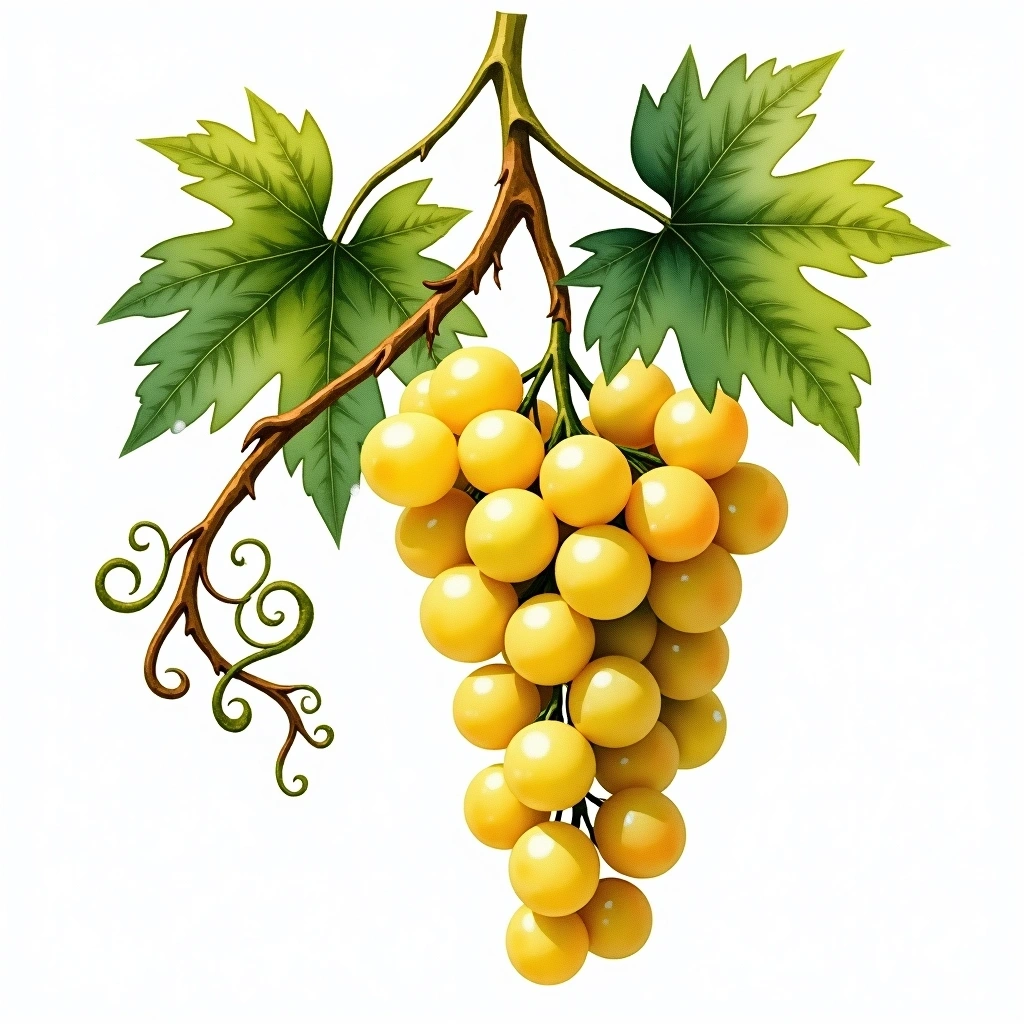 Chardonnay
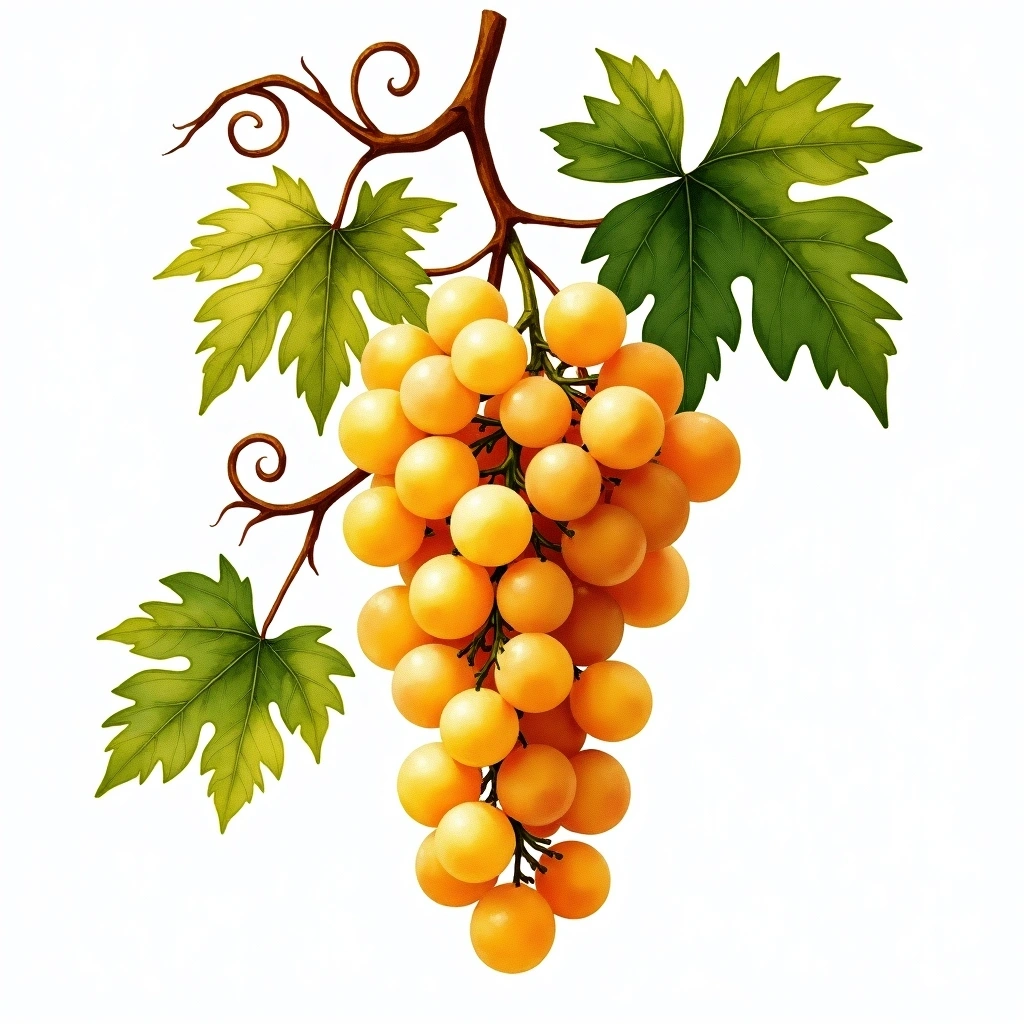 Chenin Blanc
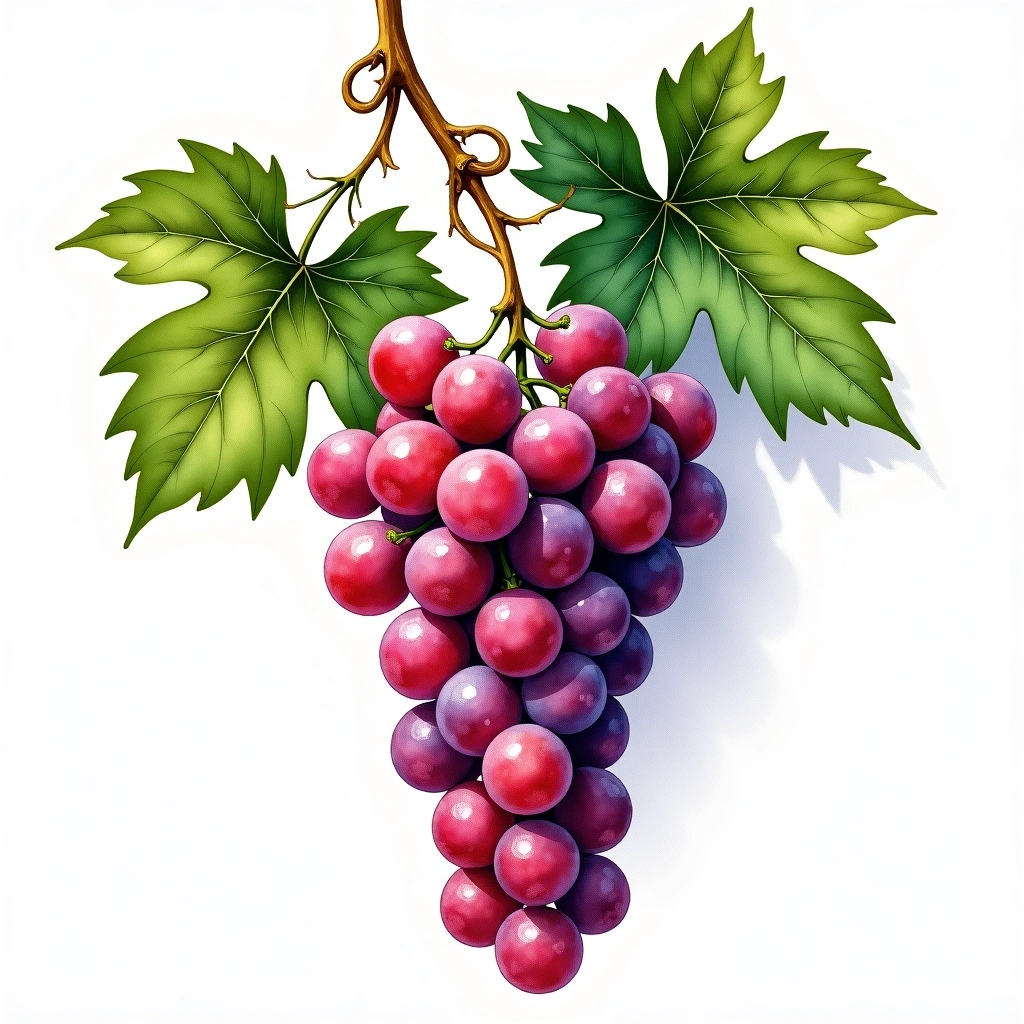 Pinot Meunier
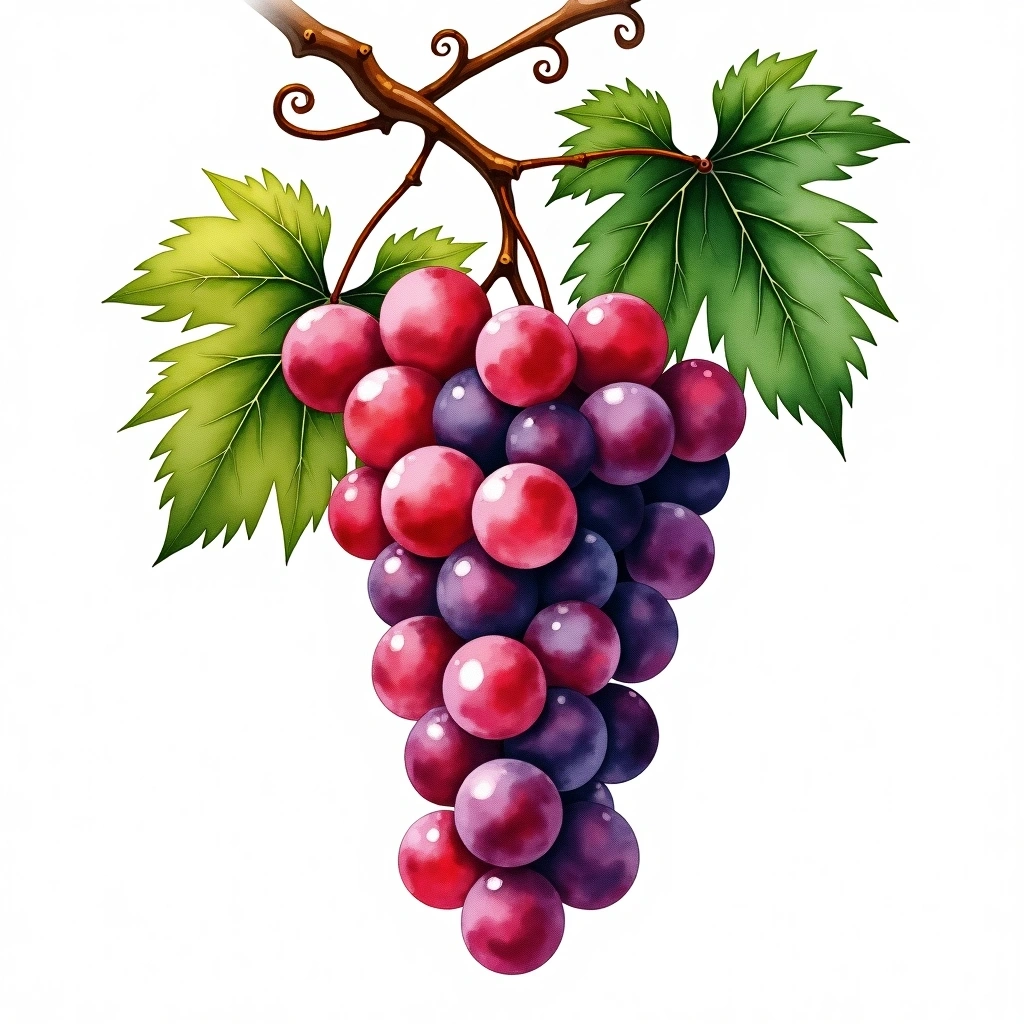 Pinot Noir
 Charmat Method Sparkling
 Pétillant Naturel
 Traditional Method Sparkling