Tempranillo: Spain's Noble Red
Tempranillo is Spain's most important red grape, producing everything from modern, fruit-forward wines to majestic Gran Reserva Rioja aged for decades. Discover the full expression of Spain's viticultural soul.
Spain's Viticultural Identity
If you want to understand Spanish wine, you must understand Tempranillo. This is the grape behind Rioja, one of Europe's most celebrated wine regions; behind Ribera del Duero, arguably Spain's most dynamic appellation; and behind Toro, Navarra, Valdepeñas, and dozens of other regional expressions that collectively span the entire Iberian Peninsula.
Tempranillo is Spain's answer to Cabernet Sauvignon — a noble, age-worthy red capable of producing wines of extraordinary complexity — but it has its own distinctive personality: medium-bodied elegance, earthy tobacco notes, and a natural affinity for oak aging that made Spanish wine culture famous for its willingness to release wines only after extended maturation.
Origin and History
Tempranillo is believed to be native to northern Spain, specifically the Rioja and Ribera del Duero regions. Its name derives from the Spanish temprano (early), a reference to the fact that it ripens approximately two weeks earlier than Grenache, its frequent blending companion. DNA evidence suggests Tempranillo is related to Albillo Mayor (a white variety from Ribera del Duero), though its exact parentage remains partially unresolved.
Historical records confirm Tempranillo's presence in Rioja since at least the twelfth century. The region's wine identity crystallized in the nineteenth century when French wine merchants, their own vineyards decimated by phylloxera, traveled south and found Rioja's wines — aged in American oak — surprisingly similar in style to Bordeaux. This cross-cultural exchange shaped Rioja's enduring love affair with oak aging.
Spain's Diversity Under One Name
Tempranillo appears under many different names across Spain: Tinta del País in Ribera del Duero, Tinta de Toro in Toro, Ull de Llebre in Catalonia, Cencibel in Castilla-La Mancha, and Tinta Roriz in Portugal (where it is used in Port production). This same variety, in different climates and soils, produces wines as diverse as floral, delicate Rioja Alavesa to massive, tannic Toro — a range that rivals any other red grape in the world.
Flavor Profile
Tempranillo's flavor signature is distinctive:
- Strawberry and cherry — primary fruit notes, red rather than black
- Tobacco and dried leaves — an earthy, autumnal quality that intensifies with age
- Vanilla and cedar — from American oak aging (a Rioja hallmark)
- Dried fig and plum — in riper, fuller-bodied expressions
- Leather and mushroom — aged characteristics
- Cocoa and coffee — from French oak and concentrated fruit
The Tannin in Tempranillo is typically medium — firm enough to support aging but not harsh in youth. Acidity is moderate, and Body ranges from medium (traditional Rioja) to full (Toro). This structural profile makes Tempranillo among the most food-friendly red grapes in the world.
Growing Regions
Rioja, Spain — The Benchmark
Rioja is divided into three sub-zones with distinct characters:
Rioja Alta — The western sub-zone, cooler and more maritime. Produces the most elegant, aromatic expressions with greater aging potential. Many of Rioja's most prestigious estates are based here.
Rioja Alavesa — In the Basque country, this sub-zone produces Tempranillo with floral, delicate character from its clay-limestone soils. Wines tend to be lighter, more perfumed, and earlier-drinking.
Rioja Oriental (formerly Rioja Baja) — The warmest, driest sub-zone. Produces fuller-bodied, more alcoholic wines, often blended with Grenache for generosity.
Rioja's classification system (Joven, Crianza, Reserva, Gran Reserva) is based on oak and bottle aging requirements: - Joven: Minimal aging, fruit-forward - Crianza: Minimum 2 years total, at least 1 in oak - Reserva: Minimum 3 years, at least 1 in oak - Gran Reserva: Minimum 5 years, at least 2 in oak
Gran Reserva Rioja from great producers (López de Heredia, CVNE, Marqués de Murrieta) aged in American oak for decades represents one of the world's great wine traditions.
Ribera del Duero
Along the Duero River at 850 meters altitude, Ribera del Duero produces Tempranillo wines (called Tinta del País here) that are bolder, darker, and more fruit-concentrated than Rioja. The continental climate — hot days, very cold nights — and the high altitude create wines with intense color and flavor alongside fresh Acidity.
Vega Sicilia's Único, Spain's most expensive and prestigious wine, is primarily Tempranillo. Its release schedule (typically 10+ years after harvest) reflects the Spanish tradition of cellaring wines at the producer level before release.
Toro
West of Ribera del Duero, the Toro Appellation produces Tempranillo (called Tinta de Toro) of extraordinary power and concentration. The region is one of Spain's hottest, producing massively structured wines with high alcohol and deep, inky color. Producers like Numanthia and Pintia (owned by Vega Sicilia) have elevated Toro's international profile significantly.
Portugal
As Tinta Roriz in the Douro Valley (Douro) and Aragonez in the Alentejo, Tempranillo is a key component of both Port wines and increasingly impressive dry Portuguese reds. Its role in Port demonstrates the variety's remarkable range — it contributes to both table wine finesse and fortified wine richness.
Winemaking
American vs. French Oak
The traditional Rioja style uses American oak Barrique, which imparts distinctive vanilla and coconut notes that have become a regional signature. Modern producers increasingly use French oak, which integrates more subtly and allows more fruit expression. The debate between traditional and modern styles is central to Rioja's ongoing identity discussion.
Extended Aging at the Producer
Spain's cultural practice of aging wines at the bodega (winery) before release — sometimes for a decade or more — means that many Spanish wines are ready to drink upon release. This is the opposite of the Bordeaux model, where wines are released early and expected to age in the buyer's cellar. Gran Reserva Rioja from a great Vintage can be purchased and enjoyed immediately or cellared for another 20–30 years.
Blending Traditions
Traditional Rioja blends Tempranillo with Grenache (Garnacha), Mourvedre (Graciano), and occasionally white varieties. Modern expressions increasingly emphasize single-varietal Tempranillo that showcases the grape's inherent character without blending partners.
Food Pairings
Tempranillo's moderate Tannin and earthy character create exceptional food compatibility:
- Roast lamb — The defining Spanish pairing; the classic cordero asado (roast lamb) and aged Rioja is one of Europe's great food and wine marriages
- Jamón Ibérico — Spain's iconic cured ham; the earthiness of both complement perfectly
- Grilled mushrooms — Earthy, savory dishes echo Tempranillo's tobacco and forest floor notes
- Aged Manchego — Spain's most important cheese is a natural partner
- Paella — The Valencian rice dish, particularly rabbit and chicken versions, matches beautifully
- Stews and braises — Rabo de toro (oxtail stew) is a sublime match
- Pizza and pasta — Italian-influenced dishes work surprisingly well with modern Tempranillo styles
Serving and Cellaring
Traditional Gran Reserva Rioja should be served at 17–18°C (63–64°F) and benefits from Decanting — even aged examples open up considerably with 30 minutes of air. Younger styles can be served slightly cooler at 15–16°C.
Cellaring potential varies dramatically: Joven is best within 3 years; Crianza and Reserva are at their peak at 5–10 years; Gran Reserva from top producers can evolve magnificently for 20–40 years.
Spain's Ambassador to the World
Tempranillo's journey from Spanish regional obscurity to international recognition mirrors Spain's broader rise in global wine prestige. Today, the finest Rioja Gran Reserva and Ribera del Duero Reserva compete on equal terms with the world's great red wines — and offer extraordinary value compared to their French and Italian equivalents. Spain's noble red is finally receiving the recognition it deserves.
 Cabernet Sauvignon
 Grenache
 Mourvedre
 Sangiovese
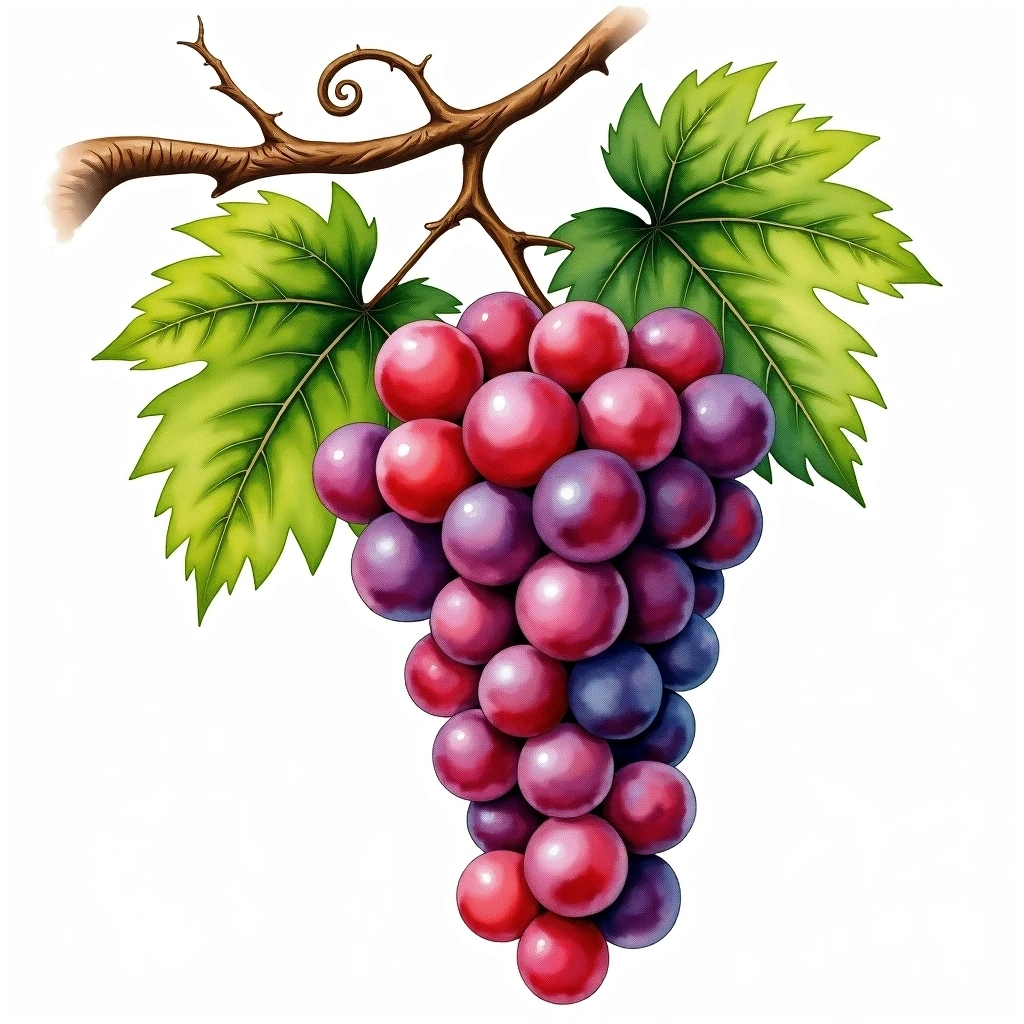 Tempranillo
 Touriga Nacional
 Bold Red
 Elegant Red
 Medium Red