English Sparkling Wine: A New World-Class Contender
England's sparkling wine industry has undergone a remarkable transformation, with chalky soils and a warming climate producing Champagne-method wines that now rival the French originals on the world stage.
England's Unlikely Rise to Sparkling Greatness
Few developments in the wine world over the past two decades have surprised critics and consumers more than the dramatic ascent of English sparkling wine. A generation ago the idea that the damp, cool island north of France could produce wines worthy of comparison with Champagne would have seemed fanciful. Today that comparison is not only plausible — it is frequently made in blind tastings, where English sparklers routinely outperform some of the most famous French houses.
The story of English sparkling wine is fundamentally a story about geology, climate change, and stubborn optimism. The same unbroken seam of chalk that forms the celebrated Côte des Blancs in Champagne extends beneath the English Channel and surfaces across Sussex, Kent, and Hampshire — the heartland of English wine production. On this chalky subsoil, Chardonnay and Pinot Noir find conditions remarkably close to those that made Champagne the world's most coveted sparkling wine.
The Geology Behind the Glass
English sparkling wine's quality foundation is geological before it is viticultural. Southern England's vineyards sit predominantly on Cretaceous chalk — the same Upper Chalk formation that underlies the Côte des Blancs and the Montagne de Reims. This chalk provides exceptional drainage, forcing vine roots deep in search of water and nutrients. Deep roots access more mineral-rich subsoil, building complexity that shallow-rooted vines on fertile ground cannot achieve.
Chalk also moderates soil temperature, storing warmth during the day and releasing it gently at night. This buffering effect extends the growing season and helps grapes ripen evenly — critical in a climate where autumn conditions can deteriorate rapidly. The chalk's naturally high pH creates an alkaline environment that suits the Champagne varieties particularly well, producing wines with the crisp, precise Acidity that is the essential backbone of great traditional-method sparkling wine.
Beyond chalk, English vineyards benefit from a variety of secondary soils. Greensand and limestone appear in parts of Kent and Surrey, adding different mineral textures. Clay overlying chalk creates heavier soils that retain moisture — advantageous in dry years. This geological diversity gives English winemakers interesting blending options across the region.
Climate: The Warming Factor
The contemporary viability of English sparkling wine rests partly on climate change. Average temperatures in southern England have risen by roughly 1°C since the 1970s, pushing the region from the very edge of viable winegrowing into a climate zone that reliably ripens Champagne grape varieties. Growing degree days — the accumulated warmth that determines ripening potential — now regularly match those recorded in Champagne during the 1980s and 1990s, decades that produced some of the finest Champagnes of the twentieth century.
Crucially, England retains the cool-climate character that makes the wines distinctive. The long, slow ripening season preserves natural Acidity while allowing flavour complexity to develop gradually. Harvest in England typically occurs in October — weeks later than in warmer regions — giving grapes maximum hang time without sacrificing freshness. The resulting base wines are high in acidity and relatively low in sugar: the ideal starting point for the Méthode Traditionnelle.
Not every year cooperates. Cool, wet summers and early autumn rain remain genuine risks. Crop loss from spring frosts is an annual anxiety — the chalk slopes that drain so well also radiate cold air, and valley-floor sites can be devastated by frost events that spare nothing below a certain elevation. English producers have learned to manage these risks through site selection, canopy management, and growing technique, but viticulture here requires skill, attention, and tolerance for variability that warmer regions rarely demand.
The Traditional Method in English Hands
English sparkling wine at the top level is almost universally produced using the Méthode Traditionnelle — the same bottle-fermented process used in Champagne. Grapes are harvested, pressed carefully, and fermented into a still base wine. A blend (or occasionally a single-vineyard wine) is then bottled with a small addition of sugar and yeast, triggering secondary fermentation in the bottle that creates the wine's fine, persistent bubbles.
The wine then rests on its Lees — the spent yeast cells from secondary fermentation — for a minimum period that varies by producer but typically runs from eighteen months to three or more years. This Sur Lie aging is where English sparkling wines develop their characteristic autolytic complexity: the brioche, toast, cream, and biscuit notes that intertwine with the wines' primary fruit character. Extended Lees contact is a hallmark of the best English producers, who frequently age their wines for longer than the minimum requirements of Champagne.
After aging, bottles undergo Riddling — the gradual tilting and rotation that consolidates the yeast sediment in the neck — followed by disgorgement, during which the plug of frozen yeast is ejected. The small volume lost is replaced by Dosage: a mixture of wine and dissolved sugar that determines the final sweetness. Most English sparkling wines are finished as Brut, though Blanc de Blancs and Blanc de Noirs styles are produced by leading estates.
Key Producing Regions
Sussex and Kent
Sussex is England's most prestigious sparkling wine county. The South Downs — a range of chalk hills running parallel to the coast — provide ideal slopes with southerly exposure that maximises sunlight hours. Estates here have consistently produced award-winning wines since the early 2000s, attracting significant investment and global attention. Kent, immediately east, shares similar geology and has become a major production centre, with large commercial wineries alongside small artisan producers.
Hampshire
Hampshire benefits from a slightly drier climate than Sussex, with the influence of the English Channel moderated by the county's more inland position. The chalk soils here produce wines with a distinct mineral intensity. Several established estates have built reputations for long-lived vintage wines that reward extended Cellaring.
Surrey, Essex, and Beyond
English viticulture is expanding rapidly northward and westward as confidence in the climate grows. Surrey's North Downs chalk ridge produces wines with genuine quality. Essex, traditionally associated with less distinguished table wines, has surprising chalk outcrops that support sparkling wine production. Even regions of Wales and the English Midlands are now experimenting with early-ripening varieties.
Key Producers
Nyetimber — England's first dedicated sparkling wine estate, established in West Sussex in the late 1980s. Nyetimber's consistent excellence across its Classic Cuvée, Blanc de Blancs, and prestige Tillington Single Vineyard range set the benchmark for English sparkling wine. Its wines have won numerous international competitions and established the commercial template that others follow.
Ridgeview — A family estate in East Sussex that pioneered the commercial viability of English sparkling wine alongside Nyetimber. Ridgeview produces a range of wines named after London streets, blending fruit from its own vineyards and contract growers. Its Bloomsbury Brut NV has become something of a calling card for the category.
Hambledon — One of England's oldest vineyard sites, recently revived with significant investment. Located in Hampshire on classic chalk soils, Hambledon's wines are notable for their precision and aging potential. The estate works with a French-trained winemaker who brings Champagne discipline to the English context.
Camel Valley — Based in Cornwall in the far southwest of England, Camel Valley has built its reputation on Blanc de Blancs wines from Seyval Blanc and Chardonnay. The cooler, wetter Atlantic climate produces wines with a distinct saline minerality unlike anything produced in the southeastern heartland.
Wiston Estate — A newer Sussex producer that has quickly established itself with exceptionally refined wines. Wiston's 2010 Blanc de Blancs famously outperformed a lineup of top Champagnes in a blind tasting, generating widespread international attention.
Styles and What to Expect
Blanc de Blancs
Blanc de Blancs — wines made entirely from Chardonnay — showcase the purest expression of English chalk terroir. These wines typically show green apple, lemon curd, and white peach on the nose, with a chalky mineral thread running through the palate. They are often the most age-worthy expressions from top producers.
Non-Vintage Blends
Most English producers offer a flagship non-vintage blend that demonstrates the house style and represents the best entry into the category. These wines balance freshness and complexity, typically emphasising fruit purity and clean acidity over extended autolytic character.
Vintage Wines
In exceptional years, top producers declare a vintage — a wine from a single harvest that expresses the character of that specific growing season. English vintages tend to show more pronounced fruit character and lower dosage than non-vintage wines; the best develop extraordinary complexity with five or more years of aging.
Rosé
English sparkling rosé has become a distinct category with real commercial momentum. Made predominantly from Pinot Noir with varying amounts of Chardonnay, these wines range from pale salmon to a deeper coral, with flavours of strawberry, raspberry, and cream.
English Sparkling vs. Champagne: A Fair Comparison
The comparison between English sparkling wine and Champagne is inevitable and largely constructive. Both are produced from the same grape varieties on the same geological substrate using the same method. The differences are real but more subtle than marketing narratives suggest.
English wines tend to be slightly higher in natural acidity and lower in alcohol than Champagne, reflecting the cooler, shorter English growing season. This gives them a particularly fresh, crisp character that suits a modern preference for precision over richness. Champagne, especially from the grands crus of the Montagne de Reims, generally offers more texture and weight — the product of a more consistently warm climate and deeper viticultural tradition.
Price is another dimension of comparison. Entry-level English sparkling wine costs significantly more than entry-level Champagne because English yields are lower and production costs are higher. At the premium level, prices are broadly comparable, and quality — as blind tastings repeatedly confirm — genuinely rivals the finest French examples.
Neither wine is "better" in any absolute sense. They are expressions of similar terroir in similar climates at different moments in their respective histories. Champagne has centuries of accumulated knowledge. England has energy, ambition, and geology on its side.
Serving and Food Pairing
English sparkling wine should be served well chilled — around 6-8°C — in a tall, narrow flute or, for older or more complex wines, in a wider tulip glass that allows the wine's aromas to develop. Do not serve it too cold, as excessive chill masks complexity.
The wine's natural acidity makes it enormously versatile with food. Classic pairings include oysters and other shellfish (the saline minerality of chalk-grown wines echoes the ocean), smoked salmon, and delicate white fish. The richness of aged vintage wines pairs beautifully with hard English cheeses, roast chicken, and even light game.
As an aperitif, English sparkling wine is virtually without peer in its domestic context — a glass poured before dinner on a summer evening in a Sussex garden is one of those experiences that requires no further justification.
Buying Guide
The English sparkling wine market has matured enough that wines are widely available in UK supermarkets, specialist merchants, and an increasing number of international markets. For beginners, the flagship non-vintage blends from Nyetimber, Ridgeview, or Hambledon offer the most reliable introduction. For those who want to explore depth, vintage wines from the best producers reward patience — many improve significantly with three to five additional years in the Cellar beyond release.
Look for wines with clearly stated disgorgement dates: this tells you how long the wine has been developing post-disgorgement and helps predict how it will drink now versus with further aging. Most English sparkling wines are released when they are ready to drink, but the best vintage expressions benefit from additional cellaring.
The category continues to grow rapidly. New estates are coming into production every year, new winemakers are arriving with international experience, and the consumer base is expanding beyond the domestic market. For lovers of traditional-method sparkling wine, English fizz represents one of the most exciting discoveries available today.
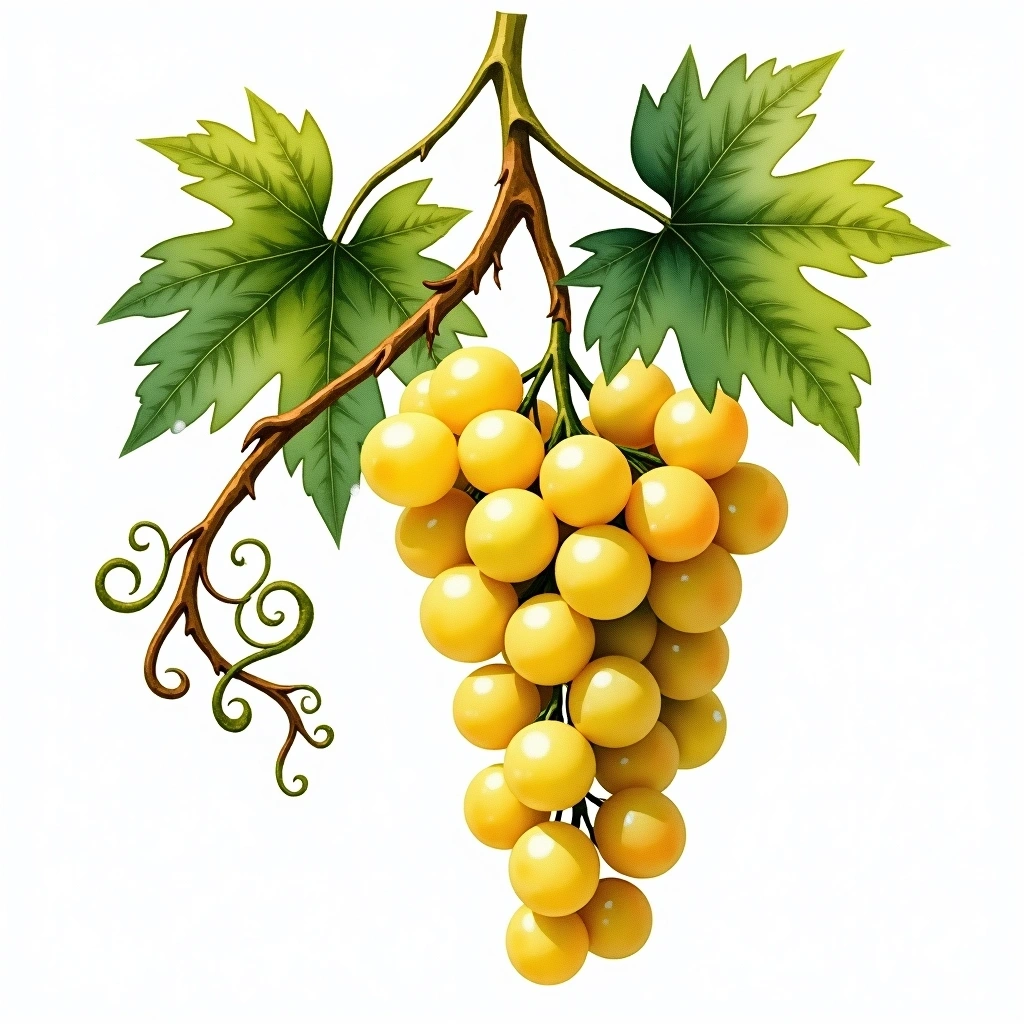 Chardonnay
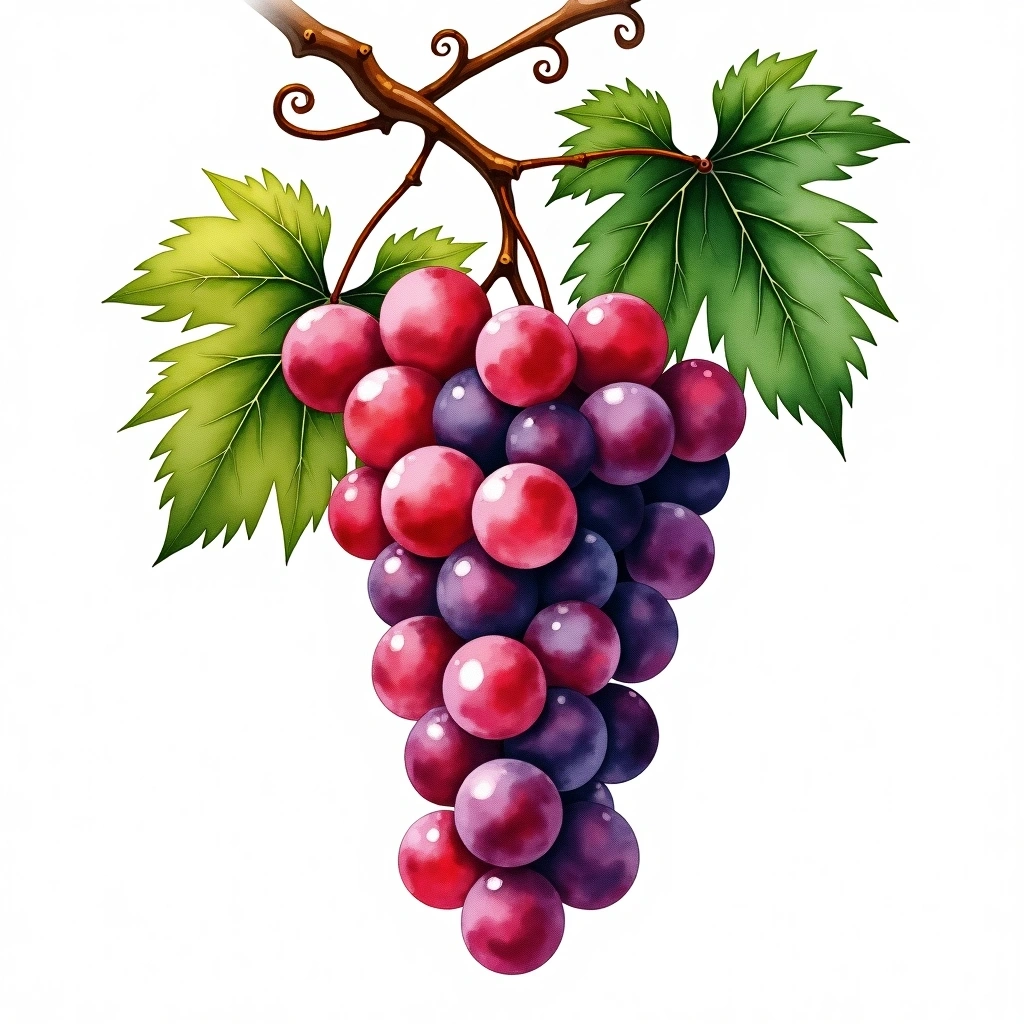 Pinot Noir
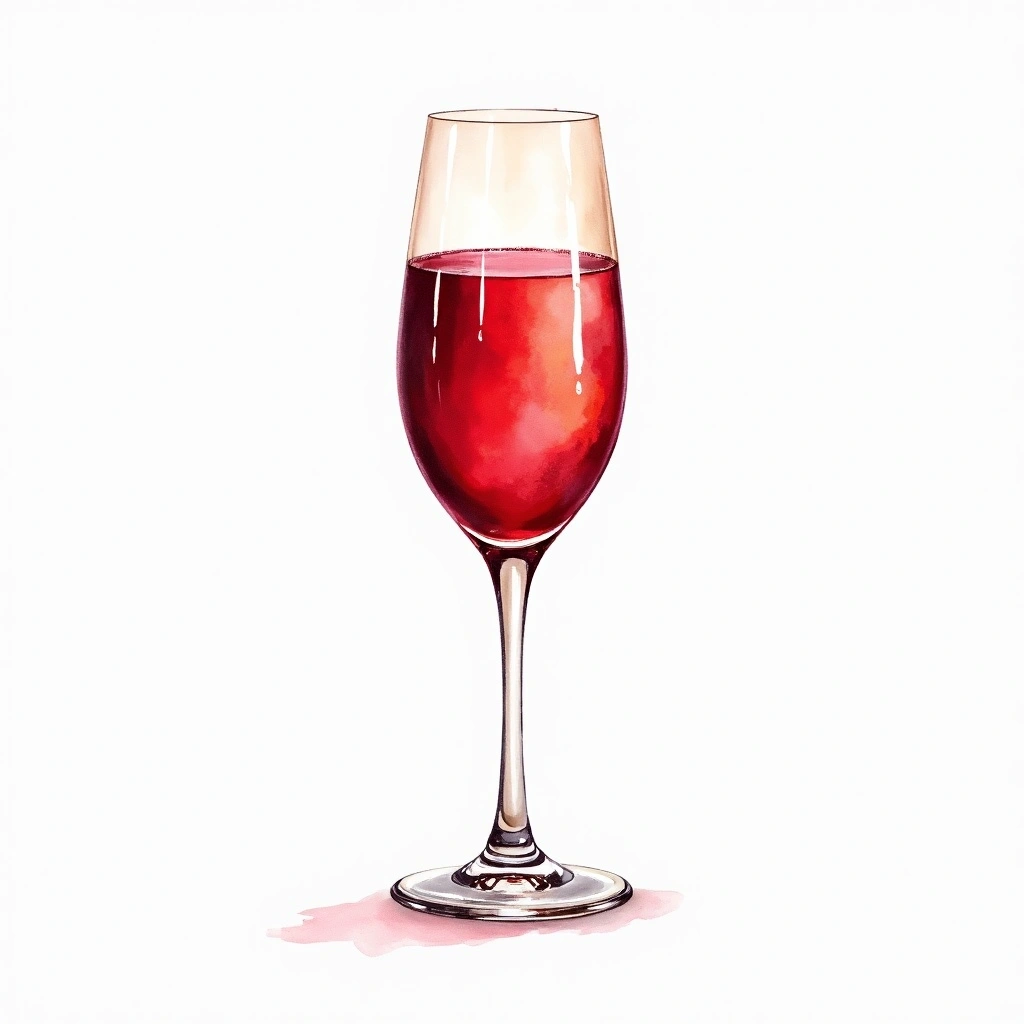 Traditional Method Sparkling