Middle Eastern Cuisine and Wine: Ancient Flavors, Modern Pairings
Explore the vibrant spices, grilled meats, and aromatic herbs of Middle Eastern cooking alongside wines that complement these bold, layered flavors with grace and balance.
Middle Eastern Cuisine and Wine: Ancient Flavors, Modern Pairings
The Middle East holds an ironic place in wine history. The earliest archaeological evidence of winemaking — clay jars stained with tartaric acid residue dating back to 6000 BCE — was found in the Zagros Mountains of modern-day Iran. Georgia, Lebanon, and Turkey all possess vinous traditions stretching back millennia. Yet for centuries, wine culture across much of the region was suppressed or dormant. Today a remarkable renaissance is underway, and the cuisines of the Middle East offer some of the most exciting food-and-wine pairing opportunities anywhere on the planet.
Middle Eastern cooking is defined by layered spice, generous use of fresh herbs, slow-cooked proteins, and a foundation of grains, legumes, and dairy. The flavors are bold but rarely one-dimensional: a single dish might combine smokiness, tartness, sweetness, and heat in careful balance. Understanding these internal harmonies is the key to choosing wines that elevate rather than clash with what is on the table.
Understanding the Flavor Architecture
Middle Eastern cuisine rarely relies on a single dominant taste. Instead, dishes are constructed in layers. A plate of lamb kofta combines cumin, coriander, and Aromatic allspice with the char of open-flame grilling, the tang of sumac, and the cooling richness of tahini. Hummus balances earthy chickpea, sharp lemon, nutty tahini, and raw garlic. Fattoush salad offers herbaceous freshness cut with pomegranate molasses. Even a simple bowl of labneh — strained yogurt drizzled with olive oil and sprinkled with za'atar — contains sour, rich, herbal, and peppery elements in a single spoonful.
This complexity means wines with their own layered character tend to work best. Simple, fruit-forward bottles can taste flat against spice-driven cooking, while wines with herbal notes, gentle earthiness, and moderate Tannin find natural resonance. The goal is not to mirror every flavor on the plate but to add a complementary dimension — freshness against richness, fruit against smoke, Acidity against fat.
Mezze: The Art of the Shared Table
The mezze spread — hummus, baba ghanoush, labneh, muhammara, tabbouleh, stuffed grape leaves, falafel, and warm flatbread — is the cornerstone of Middle Eastern dining. Because the table holds many dishes simultaneously, you need wines that are versatile rather than specialized. A wine that pairs perfectly with one element but clashes with another creates frustration at a communal table where everyone reaches across dishes.
Grenache-based roses from Provence or the southern Rhone Valley are outstanding mezze wines. Their pale salmon color and delicate red-fruit character bridge the gap between creamy hummus and bright tabbouleh. A dry Rose with enough Body to stand up to muhammara's walnut-and-pepper punch yet gentle enough for lighter dishes is ideal. Serve it well chilled and watch it bring the table together. The wine's versatility comes from its middle-ground position — not as heavy as red, not as sharp as white — which is precisely what a table of diverse small plates demands.
For white wines, Viognier brings floral aromatics and stone-fruit richness that complement the nutty, sesame-driven flavors of tahini-based dishes. An unoaked example from the northern Rhone or an Australian version from the Barossa Valley offers textural weight without oak-driven heaviness. If the mezze table is very olive-oil-heavy, however, a crisper alternative like Sauvignon Blanc may refresh the palate more effectively.
If the spread includes spicier elements — harissa-spiked carrots, chili-laced feta dip, or fiery muhammara — a slightly off-dry Riesling from Mosel provides a brilliant counterpoint. The residual sugar tames heat while the acidity keeps your palate refreshed between bites. Sparkling wine also works beautifully, especially a brut Cremant or Cava whose effervescence cuts through fried falafel and borek.
Grilled Meats and Kebabs
Lamb and chicken kebabs grilled over charcoal are the most iconic Middle Eastern protein preparations. The smoky char, warm spices, and rich rendered fat create a flavor profile calling for wines with structure and aromatic complexity.
Syrah is the natural partner for lamb. A northern Rhone Syrah — with its peppery, meaty, dark-fruited character — mirrors the smoky, spice-rubbed quality of lamb kebabs with remarkable precision. The tannin structure stands up to the fat, the wine's herbal undertones echo cumin and coriander in the marinade, and the dark-fruit core provides counterbalance to the charred exterior. Look for wines from Crozes-Hermitage or Saint-Joseph for everyday options, or choose Hermitage or Cote-Rotie when the meal warrants depth.
Australian Shiraz from the Barossa Valley works equally well with fattier cuts. The warmer-climate expression shows more ripe fruit, chocolate, and vanilla, complementing caramelized onion and rendered lamb fat. Mourvedre from Bandol or Spanish Monastrell offers earthy, leathery character and firm tannins for mixed grill platters with multiple meats.
For chicken kebabs marinated in yogurt, saffron, and lemon — the Persian joojeh kabab — a barrel-fermented Chardonnay with restrained oak provides weight matching the yogurt marinade while its citrus notes echo the lemon. A rich Chenin Blanc navigates both saffron's perfume and yogurt's tang.
Slow-Cooked Stews and Tagines
Moroccan lamb tagine with preserved lemons, dried apricots, and olives develops deep, concentrated flavors rewarding equally concentrated wines. The sweetness from dried fruit challenges dry wines — here, Grenache-dominant blends from the southern Rhone shine. Chateauneuf-du-Pape and Gigondas combine ripe fruit, warm spice, and enough body to match the stew's richness. Their garrigue herb character mirrors ras el hanout beautifully.
Persian Cuisine: Saffron, Herbs, and Pomegranate
Persian cooking stands apart in its sophisticated use of saffron, dried limes, and herb-forward preparations. Ghormeh sabzi — a stew of lamb, kidney beans, and a mountain of fresh fenugreek, parsley, and chives — is one of the world's great dishes. Its intensely herbaceous character, slightly bitter and deeply savory, points toward wines with their own green, herbal qualities: Sauvignon Blanc with its grassy freshness or a mineral-driven Chenin Blanc from the Loire Valley. The herb intensity is the dominant flavor here, not the spice, which means wines with herbal aromatics find more resonance than those with fruit-forward profiles.
Fesenjan — the celebrated pomegranate-walnut stew served with chicken or duck — is simultaneously sweet, sour, bitter, and nutty. A dry red with high acidity and red fruit handles this complexity. Barbera from Piedmont, with its bright cherry fruit and nerve of acidity, is excellent, as is a cool-climate Syrah with peppery restraint. The pomegranate's tartness needs a wine with matching acid backbone, or the wine tastes flabby and disconnected.
Persian rice dishes — jeweled rice with saffron, dried berries, and pistachios, or tahdig with its prized golden crust — are subtly spiced and enriched with butter. An off-dry Gewürztraminer from Alsace mirrors the saffron and dried fruit with its own perfumed, spice-driven character, while providing a luxurious textural match for buttered rice. The wine's slight sweetness harmonizes with the dried barberries often scattered through the rice.
The Lebanese and Turkish Wine Renaissance
Lebanon's Bekaa Valley produces wines from international and indigenous varieties with a distinctly Mediterranean character. Chateau Musar's famous Cabernet-Cinsault-Carignan blend — wild, oxidative, and utterly compelling — is a natural partner for slow-cooked lamb. Newer producers like Ixsir, Domaine des Tourelles, and Chateau Kefraya represent a generation of precise winemaking that pairs naturally with the nation's cuisine. Pairing Lebanese wine with Lebanese food is more than gastronomic exercise — it celebrates a culture that has produced cuisine and wine of world-class quality despite extraordinary historical challenges.
Turkey grows over 1,200 indigenous grape varieties, though only a handful are commercially vinified. Okuzgozu and Bogazkere, often blended, produce structured reds handling the bold flavors of adana kebab and iskender with authority. Their tannic grip and dark-fruit intensity match the spice and char of Turkish grilling. For lighter Turkish fare — cold olive-oil dishes, fresh salads, and Aegean grilled fish — the indigenous Narince grape produces crisp, mineral whites as refreshing as any Albarino or Vermentino.
Israeli wine has also emerged as a serious force, with wineries in the Golan Heights, Upper Galilee, and Judean Hills producing Cabernet Sauvignon, Syrah, and Carignan of real quality. These wines pair naturally with the fresh, vegetable-forward Israeli cuisine — shakshuka, grilled eggplant, fresh hummus — and represent another thread in the Middle Eastern wine renaissance.
Practical Guidelines for Middle Eastern Wine Pairing
A few principles serve well across the entire spectrum of Middle Eastern cooking:
Match spice with spice. Wines from warm climates with peppery, herbal, or garrigue-like qualities find natural harmony with cumin, coriander, and za'atar. Syrah and Grenache from the Rhone Valley are your anchors.
Use acidity to cut richness. Tahini, yogurt, olive oil, and rendered fat are omnipresent. Wines with bright Acidity — whether white, rose, or red — prevent palate fatigue and keep each bite tasting as fresh as the first.
Embrace rose. More than almost any other cuisine, Middle Eastern food was made for rose wine. The style bridges the varied flavors of a mezze table and provides enough body for grilled meats without overwhelming lighter preparations.
Do not fear sweetness. When dishes include dried fruits, pomegranate molasses, or date syrup, a touch of residual sugar in the wine creates harmony rather than conflict. An off-dry Riesling or a demi-sec Vouvray can be revelatory.
Think regionally. Lebanese, Turkish, Israeli, and Georgian wines are increasingly available internationally and were made to complement the foods they grew up alongside. Seeking these out is both gastronomically rewarding and culturally meaningful.
The Middle Eastern table is one of the world's great culinary traditions — generous, communal, and layered with history. Wine, which was born in this part of the world, has every right to sit at its center once again.
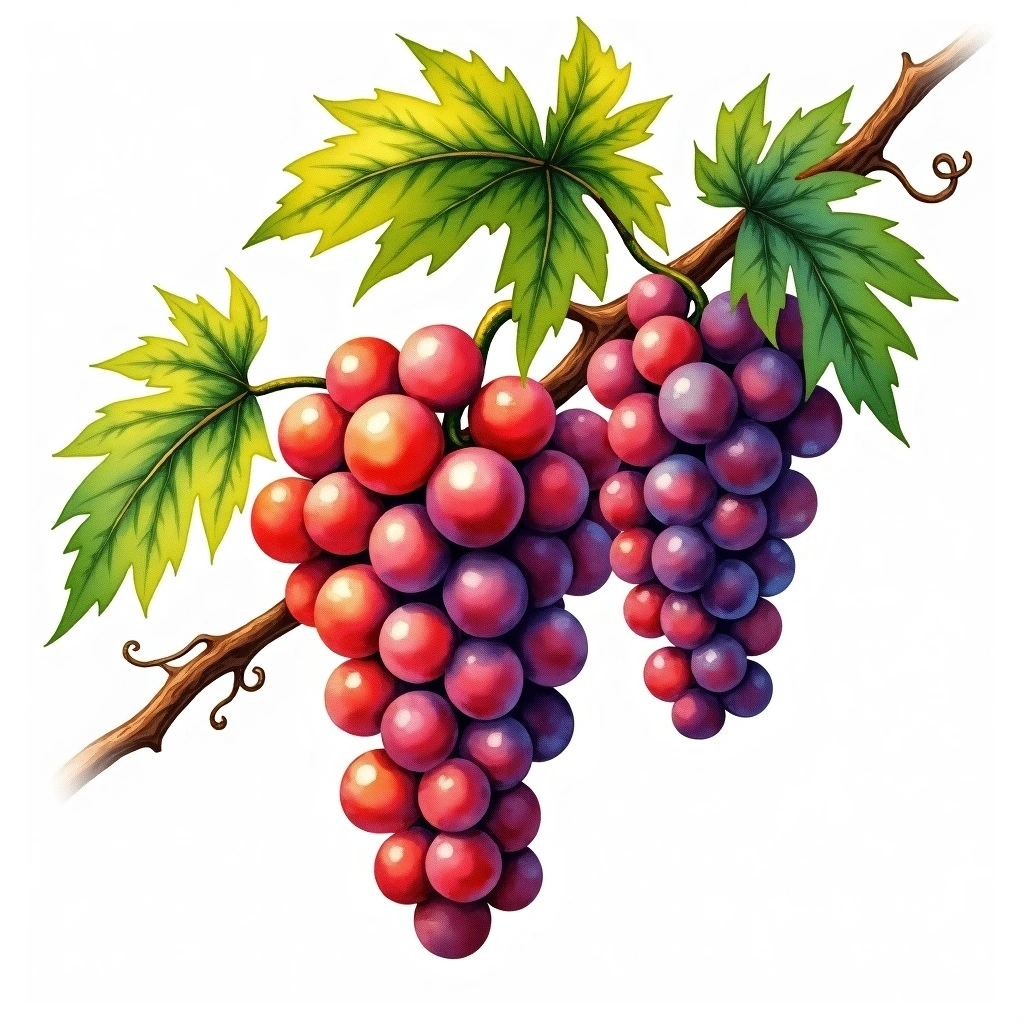 Grenache
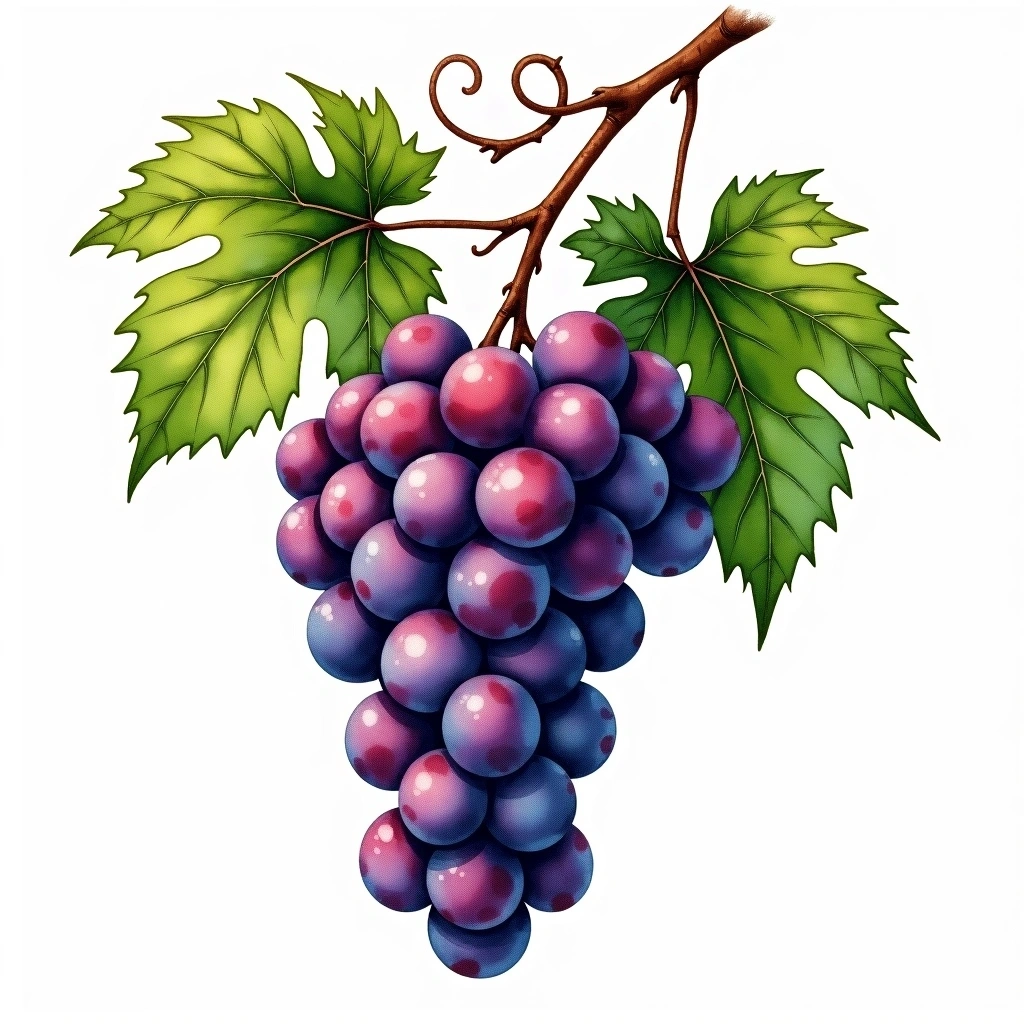 Mourvedre
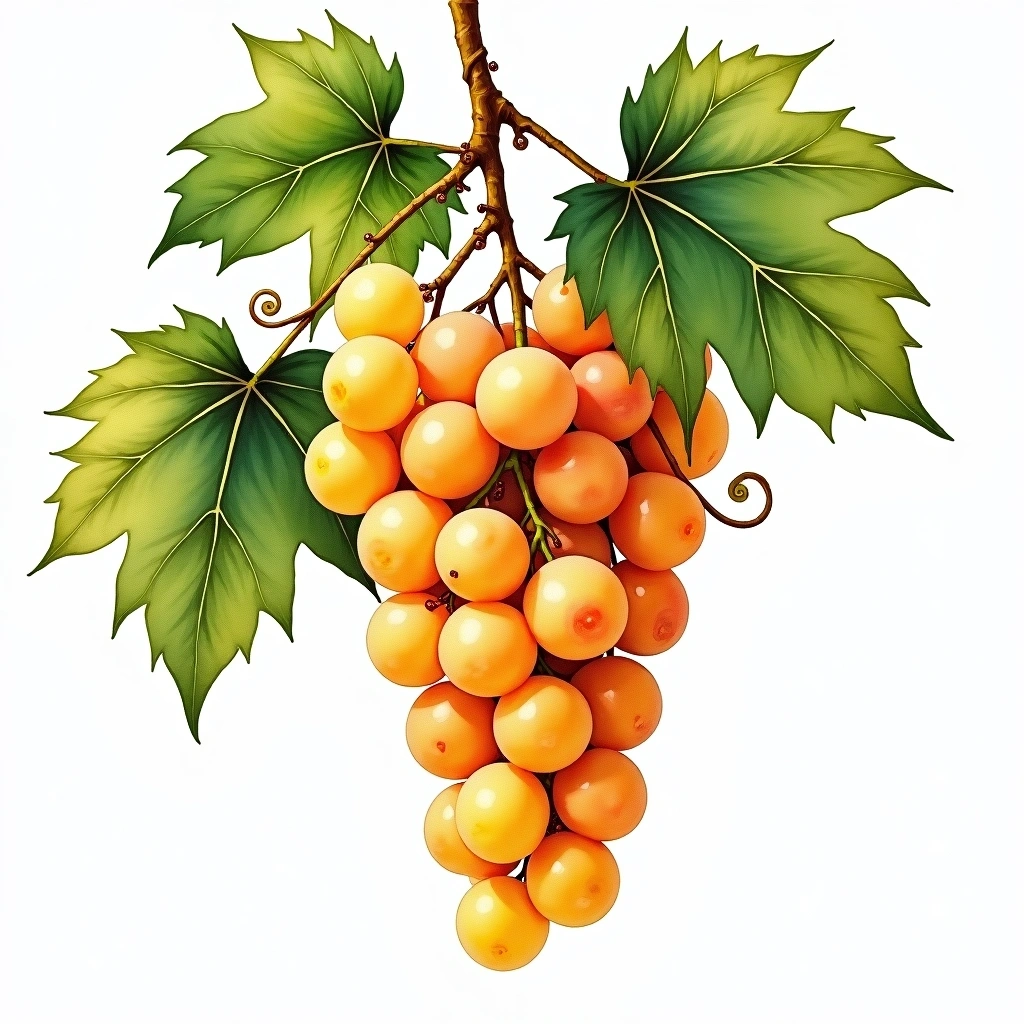 Viognier
 Aromatic White