Pinot Noir: Elegance in Every Glass
Pinot Noir is wine's most enigmatic grape — difficult to grow, impossible to fake, and breathtaking at its best. This guide unravels its mysteries, from Burgundian terroir to New World expressions.
The Heartbreak Grape
Wine enthusiasts speak of Pinot Noir in tones reserved for rare, beautiful things. It is the grape that drives Burgundy collectors to madness, inspires winemakers in Oregon and New Zealand to extraordinary lengths, and produces, at its very best, wines of almost incomprehensible complexity and emotion.
It is also notoriously difficult. Pinot Noir has thin skins, mutates easily, ripens unevenly, and demands specific conditions so narrow that entire growing regions fail to produce consistently successful wines. "Heartbreak grape" is not a cliché — it is an accurate description of the relationship between this variety and those who pursue it.
Yet when climate, soil, Clone, and winemaker align perfectly, Pinot Noir produces red wines of unparalleled elegance. No other grape delivers such delicate perfume, such silky Tannin, such vibrant Acidity, and such transparent expression of Terroir.
Origin and History
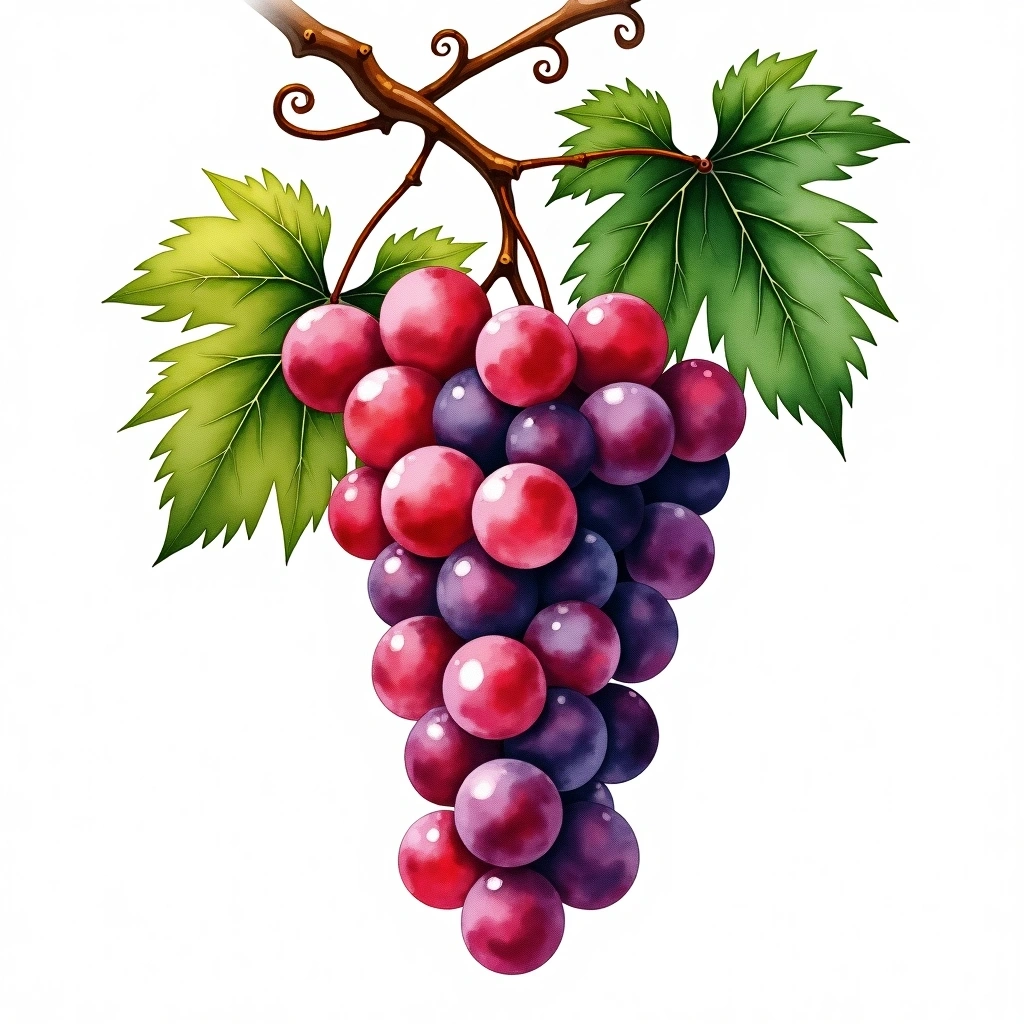
Pinot Noir is ancient. Its name derives from the French word for pine — pinot — a reference to the compact, pine-cone-shaped clusters its grapes form. DNA evidence suggests it has been cultivated in Burgundy for over 2,000 years, possibly longer, making it one of the oldest cultivated grape varieties still in wide use.
Cistercian and Benedictine monks in medieval Burgundy meticulously observed and recorded how different plots of land produced distinctly different wines from the same grape. Their centuries of empirical observation gave birth to the Burgundian concept of Terroir — the idea that land itself is an ingredient in wine. Pinot Noir, with its extraordinary sensitivity to growing conditions, was the perfect vehicle for this insight.
Genetic Instability
Pinot Noir is genetically unstable, meaning it mutates frequently. These mutations produced Pinot Gris (Pinot Gris), Pinot Blanc, and Pinot Meunier — all essentially color mutations of the same variety. This instability also created hundreds of distinct Clones within Pinot Noir itself, each with slightly different characteristics, and managing clonal selection is a major winemaking decision.
Flavor Profile
Pinot Noir's flavors are rarely obvious. Where Cabernet Sauvignon announces itself with bold blackcurrant and firm tannin, Pinot Noir whispers with precision and nuance.
Primary flavors include: - Red cherry and raspberry — the signature fruit character, especially in youth - Strawberry and cranberry — common in cool climates or elegant styles - Rose petal and violet — delicate floral notes on the Nose - Forest floor and damp earth — classic Burgundian descriptor - Spice: cinnamon, clove, star anise — particularly from whole-cluster Fermentation - Mushroom and truffle — developed with bottle age - Leather and game — fully aged expressions
The Tannin in Pinot Noir is always relatively low — that is intrinsic to the grape — but fine examples show extraordinary textural silkiness that no other red grape replicates. Acidity is always high, which makes Pinot Noir exceptionally food-friendly and gives it the structure to age beautifully.
Growing Regions
Burgundy, France — The Gold Standard
Bourgogne's Côte d'Or (the "Golden Slope") is a narrow band of hillside vineyards running 50 kilometers from Dijon to Santenay. Within this strip, Pinot Noir expresses such dramatically different personalities — from the powerful structure of Gevrey-Chambertin to the ethereal delicacy of Chambolle-Musigny to the rustic intensity of Pommard — that it has given birth to one of the world's most complex vineyard classification systems.
The Grand Cru vineyards of Burgundy (Romanée-Conti, Chambertin, Musigny) represent perhaps the highest individual expression of any wine grape anywhere. These wines, from the right Vintage, age for 30 to 50 years and develop extraordinary Complexity.
Oregon, USA
Oregon's Willamette Valley has established itself as the leading New World Pinot Noir region, sharing Burgundy's latitude and a similarly marginal, cool climate. Oregon Pinot typically bridges Old and New World styles: more fruit-forward than Burgundy, but with a savory, earthy quality and genuine Terroir expression rarely found in warmer-climate Pinot.
The Willamette Valley AVA contains several sub-appellations (Dundee Hills, Chehalem Mountains, Eola-Amity Hills) that produce distinctly different expressions from the same variety, mirroring Burgundy's village-level complexity.
Sonoma County, California
Sonoma County produces some of California's finest Pinot Noir, particularly from the Russian River Valley. The region's morning fog and afternoon winds from the Pacific Ocean create a prolonged growing season that develops flavor complexity while preserving the high Acidity Pinot Noir requires. Russian River Valley Pinot is typically richer and more opulent than Oregon or Burgundy styles, with generous red fruit and supple texture.
Marlborough and Central Otago, New Zealand
New Zealand produces increasingly impressive Pinot Noir from two very different regions. Marlborough delivers juicy, vibrant, fruit-forward examples at accessible prices. Central Otago, further south, is one of the world's southernmost wine regions — a high-altitude inland valley with extreme temperature variation that produces powerful, concentrated Pinot Noir with distinctive spice and minerality.
Champagne, France
In Champagne, Pinot Noir is the most widely planted variety despite producing still red wine only in Bouzy and a handful of villages. Its primary role is as a base wine for Champagne blends, contributing body, red fruit character, and aging potential. Blanc de Noirs — Champagne made entirely from Pinot Noir (or Pinot Meunier) — is one of the most compelling expressions of the grape's sparkling capability.
Winemaking Approaches
The philosophical divide in Pinot Noir winemaking is between intervention and restraint.
Whole-Cluster Fermentation
Including whole grape clusters — not just destemmed berries — in fermentation adds savory, spicy complexity and a distinctive green, vegetal element. It is a common Burgundian practice and increasingly popular in Oregon and California. Used judiciously, Whole Cluster fermentation adds Complexity; used excessively, it can make wine taste underripe and bitter.
Cold Soak
A pre-fermentation cold soak — submerging uncrushed grapes in cold water before fermentation begins — extracts color, aroma, and flavor without extracting harsh tannins. This technique produces deeper-colored, more aromatic Pinot Noir and is particularly common in Burgundy and California. See Cold Soak for more detail.
New Oak Management
Pinot Noir is far more sensitive to oak than Cabernet Sauvignon. Too much new oak — even fine French oak — overwhelms the grape's delicate character. Most top producers use 20–40% new oak at most, relying on neutral vessels (old barrels, large foudres, or concrete eggs) for the remainder.
Food Pairings
Pinot Noir's Acidity, delicate Tannin, and earthy character make it one of the most food-friendly red wines:
- Duck confit — The classic French pairing; rich duck fat against Pinot's acidity is sublime
- Salmon and tuna — Light-bodied Pinot Noir bridges the gap between red and white pairings for fatty fish
- Roast chicken with mushrooms — Earthy, savory, perfect
- Lamb chops — Lighter preparations work better than bold marinades
- Mushroom risotto — Forest floor notes in the wine echo the dish beautifully
- Gruyère and soft goat cheese — Excellent cheese pairings without the tannin clash heavier reds create
Why Pinot Noir Captivates
The appeal of Pinot Noir at the highest level goes beyond the enjoyment of any individual bottle. It is the expression of a specific place at a specific moment in time — a 2005 Chambolle-Musigny and a 2015 Chambolle-Musigny from the same vineyard and producer are fundamentally different wines, not because the grape changed but because the season did. That sensitivity to Vintage variation, that faithfulness to Terroir, is what makes Pinot Noir the most instructive grape for the serious wine student.
It demands patience, attention, and openness — and rewards all three.
 Chardonnay
 Gamay Noir
 Nebbiolo
 Pinot Blanc
 Pinot Gris
 Pinot Noir
 Elegant Red
 Light Red
 Traditional Method Sparkling