Tasting Room Etiquette: A Visitor's Guide
Everything you need to know before visiting a winery tasting room — from booking appointments and arriving prepared to asking good questions, tasting thoughtfully, and leaving a positive impression on the people who make the wine.
Why Etiquette Matters in a Tasting Room
Winery tasting rooms occupy a particular space in wine culture: they are commercial venues, but they are also often someone's home, workplace, and life's work. The winemaker or tasting room associate pouring your wines may have spent thirty years cultivating those vines, obsessing over those fermentation temperatures, and fussing over those barrels. Understanding what you are walking into — and how to be a respectful, engaged visitor — makes the experience better for everyone, and often unlocks a depth of generosity and conversation that a transactional visit never reaches.
This guide covers the practical etiquette of tasting room visits from booking through departure.
Before You Arrive
Book Ahead When Possible
Many of the world's great wineries — particularly in Napa Valley, Barossa Valley, and Burgundy — require advance reservations for tastings. Even where walk-ins are technically welcome, an appointment signals seriousness, allows staff to prepare, and often grants access to experiences not available to drop-in visitors: library tastings, vineyard walks, or conversations with the winemaker.
Book through the winery's official website or email. For high-demand producers, reservations weeks or months in advance may be necessary. Some cult wineries in Napa Valley and Sonoma require you to be on a mailing list before an appointment is even possible.
When booking, mention: - The size of your group (accurately) - Any dietary restrictions relevant to food pairings - Whether you have a particular interest (a specific wine, older vintages, the viticulture) - If you are celebrating something (birthdays and anniversaries often receive small gestures of hospitality)
Plan Your Day Thoughtfully
Most wine country itineraries fail by being too ambitious. Three to four winery visits in a day is the maximum most serious tasters can manage before palate fatigue and physical tiredness degrade the experience. Many experienced wine travelers cap at two.
Start at wineries known for their whites or rosés (lighter-styled wines tax the palate less), progress to lighter reds, and save the biggest Bold Red experiences for last if at all. This sequencing — lighter to fuller, Dry to sweet, still to sparkling-to-still-again — maximizes your ability to perceive each wine fairly.
Eat Before You Go
Visiting a tasting room on an empty stomach is uncomfortable, clouds judgment, and is unfair to the wines. Eat a full meal at least an hour before your first tasting. Avoid heavy garlic, strongly spiced foods, or minty toothpaste immediately before — these compete with wine's aromas and alter taste perception.
Arrange Transportation
Never drive your own car in wine country if you intend to taste seriously. Hire a driver, use a shuttle service, cycle between nearby wineries, or designate a dedicated non-drinking driver. Wine country law enforcement is aware that visitors misjudge their impairment after five or six pours, even at small amounts per pour. More practically, a driver means you can focus entirely on tasting and conversation rather than calculating how much you can drink.
Arriving at the Tasting Room
Punctuality
Arrive within five to ten minutes of your appointment time. Arriving late compresses your tasting window and stresses staff who may have back-to-back appointments. Arriving very early is equally problematic if the previous group is still present. If you are delayed, call ahead — it is genuinely appreciated.
Scent Considerations
Avoid wearing strong perfume, cologne, or aftershave on a serious tasting visit. Wine Nose assessment depends on perceiving subtle aromatic compounds, and a cloud of floral perfume in a small tasting room affects everyone's ability to assess the wines — including the host's. This is considered basic courtesy in professional wine circles.
Group Behavior
Tasting rooms are shared spaces. Keep your group's volume moderate, particularly in intimate venues. Large, loud groups — even enthusiastic ones — can make other visitors feel unwelcome and make it difficult for staff to have substantive conversations with anyone.
Tasting rooms are not bars or party venues. They exist to showcase the producer's wines and to educate visitors about them. Groups seeking primarily a social drinking experience might be better served by a wine bar in town.
During the Tasting
Engage with Your Host
The person pouring your wines has almost certainly drunk far more of those wines than you will today. They know the vintage story, the farming decisions, the winemaker's intentions. Ask questions. Good ones include:
- "What year was this vintage, and how was the growing season?"
- "Is this wine from a single vineyard or a blend of sites?"
- "How long did this wine spend in oak, and what kind?"
- "What foods would you pair with this?"
- "Is this drinking well now, or does it need more time?"
- "Which wine in the lineup is your personal favorite, and why?"
Avoid questions that suggest you plan to drink without buying ("Is this worth it?") or that challenge the pricing unnecessarily ("Why is this so expensive?"). These are awkward for your host to answer gracefully.
The Spitting Question
It is entirely appropriate to spit in a tasting room — spittoons (dump buckets) are provided for exactly this reason. There is no social stigma attached to spitting; in professional tasting contexts, it is the norm. Using the dump bucket keeps you alert through a long day of tasting, lets you evaluate more wines with a clearer palate, and demonstrates that you are there to taste rather than drink.
If you are uncomfortable spitting, you can discreetly pour a portion of each glass into the dump bucket before drinking the rest — keeping your consumption moderate while still assessing each wine.
Take Notes
Bringing a small notebook or using a phone app to record tasting notes demonstrates engagement and gives you something to refer to later when deciding what to buy. Most hosts are pleased when visitors take notes — it signals that the experience is being taken seriously.
Note the wine name, vintage, and your impressions (at minimum: what you liked about it, whether you would buy it). These notes are invaluable back at the hotel when you are deciding which bottles to add to your cellar.
Serving Temperature and Aeration
Many tasting rooms serve wines at optimal Serving Temperature — whites chilled, reds at cellar temperature rather than room temperature. If a wine seems muted on the Nose, you can politely cup the glass with both hands for a minute to warm it slightly. Some producers will offer Aeration or Decanting for bigger reds — if offered, accept; it is part of experiencing the wine as the winemaker intends.
If You Do Not Like a Wine
You will not love everything you taste. If a wine is not to your taste, you are not obligated to finish it or pretend enthusiasm. Politely pour what remains into the dump bucket and say something honest but kind: "This style is a bit more structured than I usually prefer — can you tell me more about it?" This opens a conversation without being dismissive, and your host may recommend something better suited to your preferences.
If a wine seems genuinely faulty — TCA-corked, obviously volatile, oxidized — it is appropriate to mention it quietly to your host: "I'm getting something a bit unusual on this one — is this typical of the wine?" They will almost certainly replace it without issue.
Buying Thoughtfully
The Purchase Question
Most winery visits include an implicit (or explicit) expectation that visitors will purchase at least something. This is reasonable — tastings are subsidized commercial experiences. You are under no obligation to buy everything you tasted, but purchasing one or two bottles from a host who provided quality service, interesting conversation, and a meaningful experience is simply good faith.
If nothing in the lineup suited you, it is honest and appropriate to say so and thank them for their hospitality without purchasing. Buying something you will not enjoy out of social obligation serves no one.
Mailing Lists and Wine Clubs
Many small-production wineries in Napa Valley, Sonoma, and Barossa Valley sell much of their best wine through mailing lists. Joining a list during a visit gives you first access to future releases (and sometimes library wines) that are not available through retail. If you enjoyed the visit and plan to drink the producer's wines regularly, a mailing list subscription is the most meaningful way to show support.
Shipping Logistics
If you are visiting from another country or state, confirm before buying whether the winery ships internationally or to your home state/region. US wine shipping across state lines has complicated legal rules; many wineries can ship within the country but not internationally. Alternatively, research specialist wine shipping services that can consolidate and ship your purchases legally.
After Your Visit
A brief email or message thanking the host — especially if they provided exceptional service, opened something special, or spent significant time with you — is genuinely welcomed and uncommon enough to be noticed. For small family wineries, it is one of the most meaningful things a visitor can do.
If you buy the wines and enjoy them later, consider leaving a review or mentioning the winery to friends. Word-of-mouth remains the most powerful marketing small producers have, and an honest, enthusiastic recommendation from a knowledgeable visitor carries real weight.
Wine country visits at their best are not transactions — they are conversations between people who care about the same thing. Arriving prepared, asking good questions, tasting thoughtfully, and expressing genuine appreciation will make your visits richer, your host's day better, and your cellar more interesting.
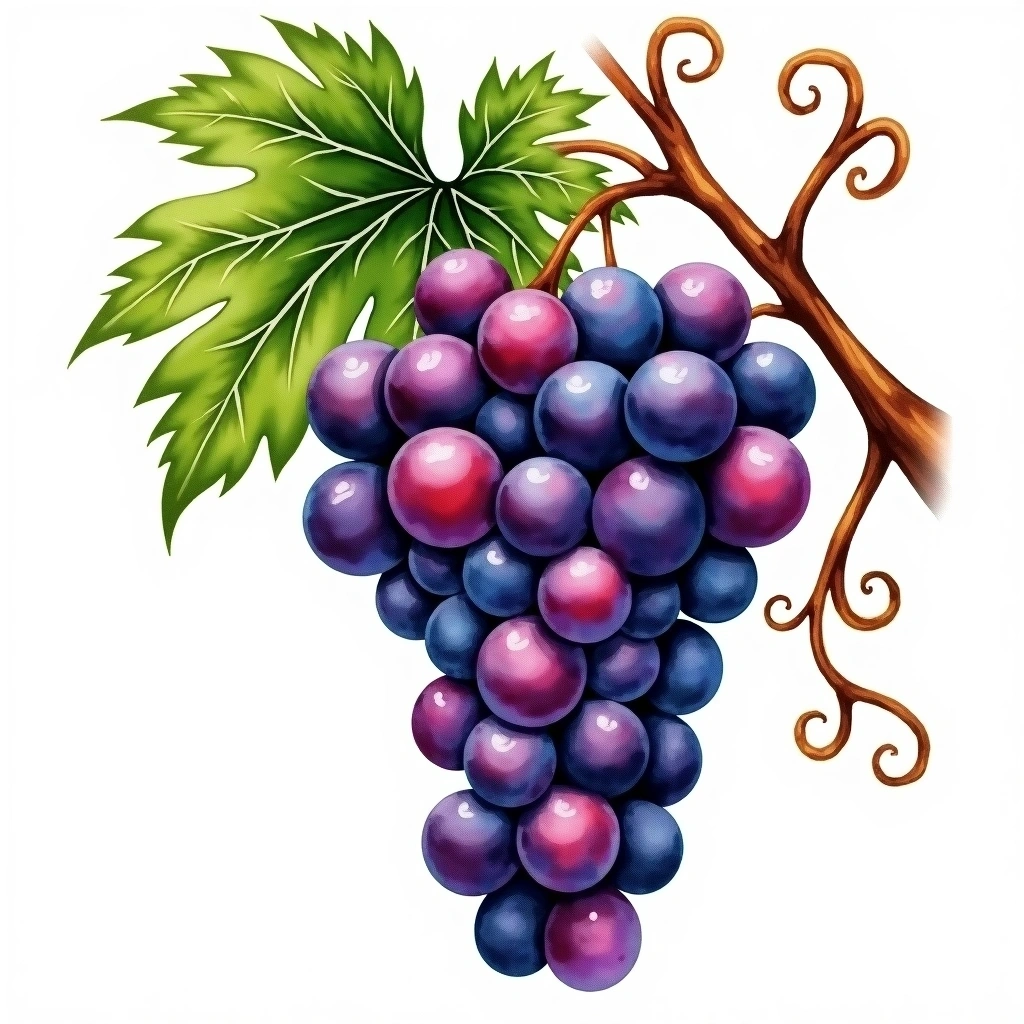 Cabernet Sauvignon
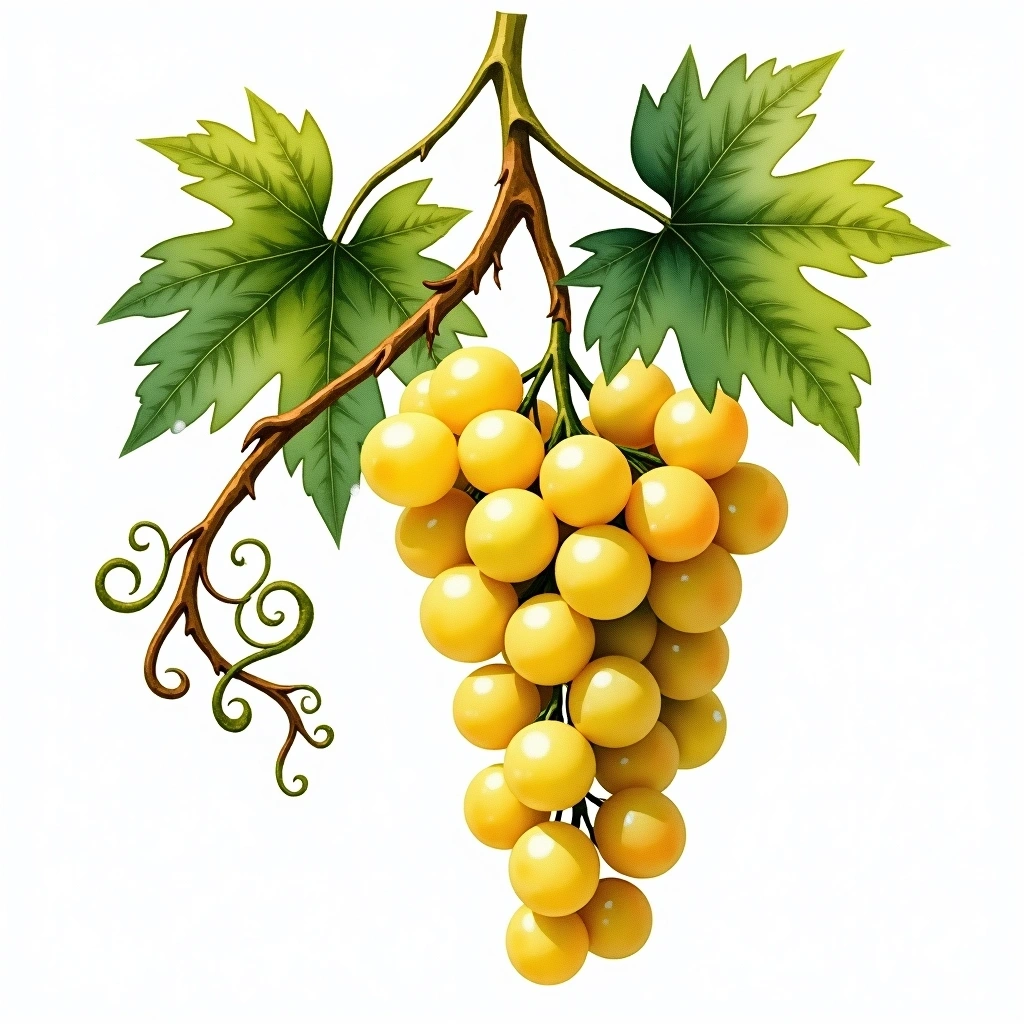 Chardonnay
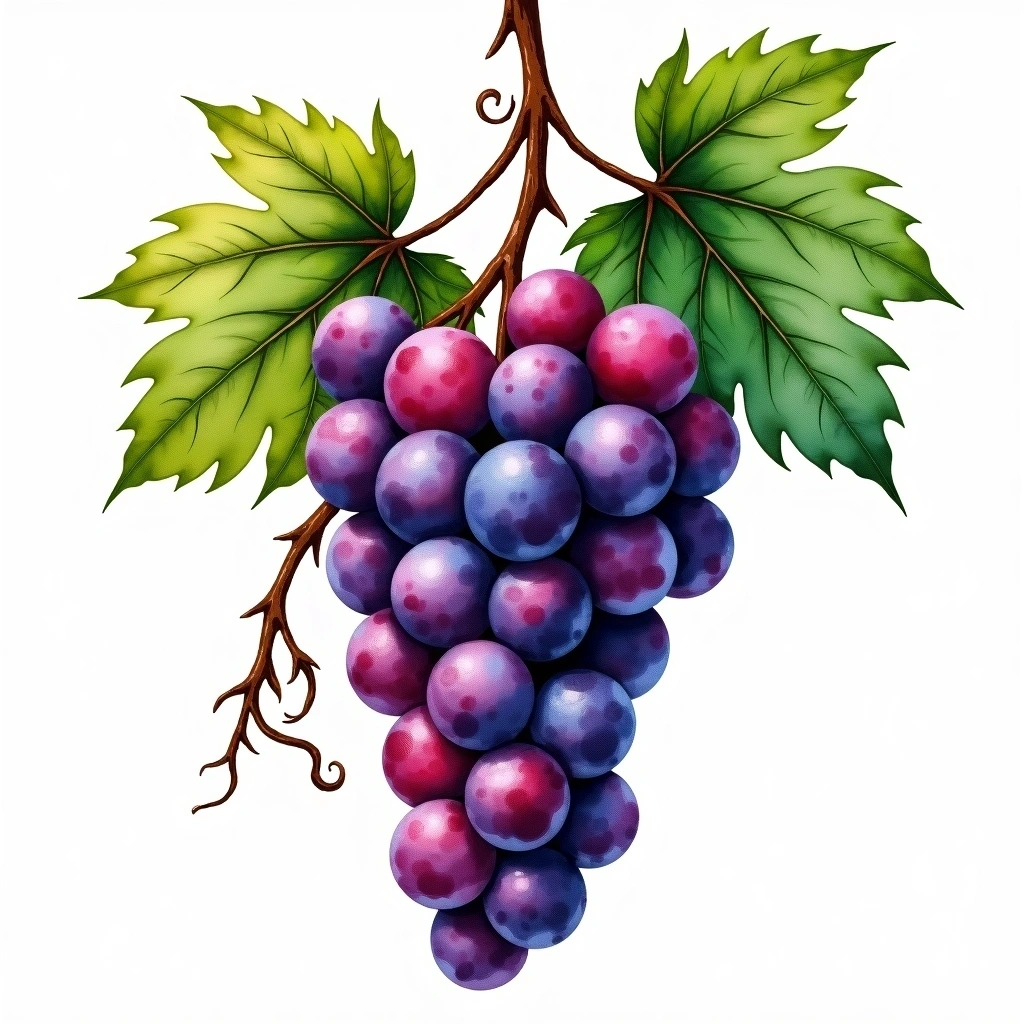 Malbec
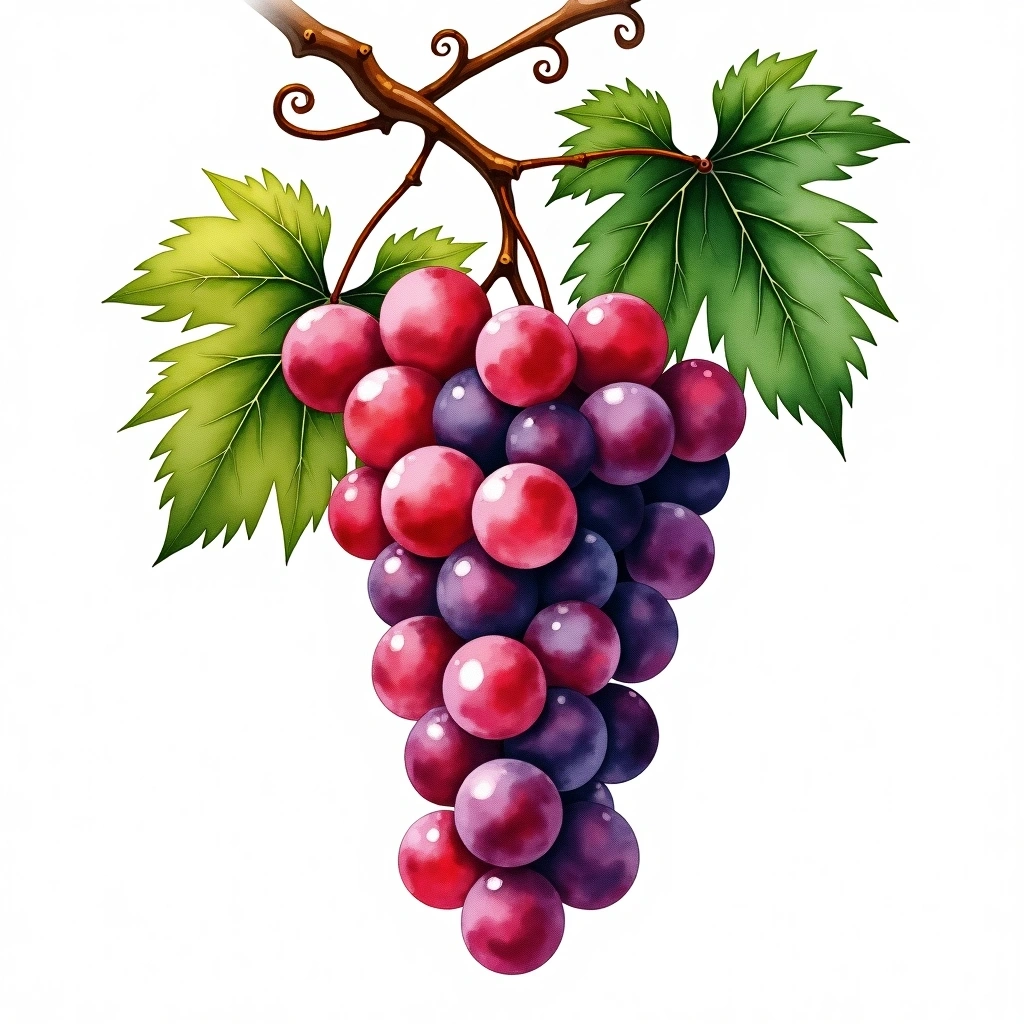 Pinot Noir
 Tempranillo
 Bold Red
 Dry Rosé
 Elegant Red
 Medium Red
 Rich White