Txakoli: The Basque Country's Fizzy Treasure
Txakoli is the electrifying, slightly sparkling white wine of the Basque Country — bone dry, searingly acidic, and almost saline — perfectly designed for drinking with pintxos by the Atlantic coast.
The Wine Poured from a Height
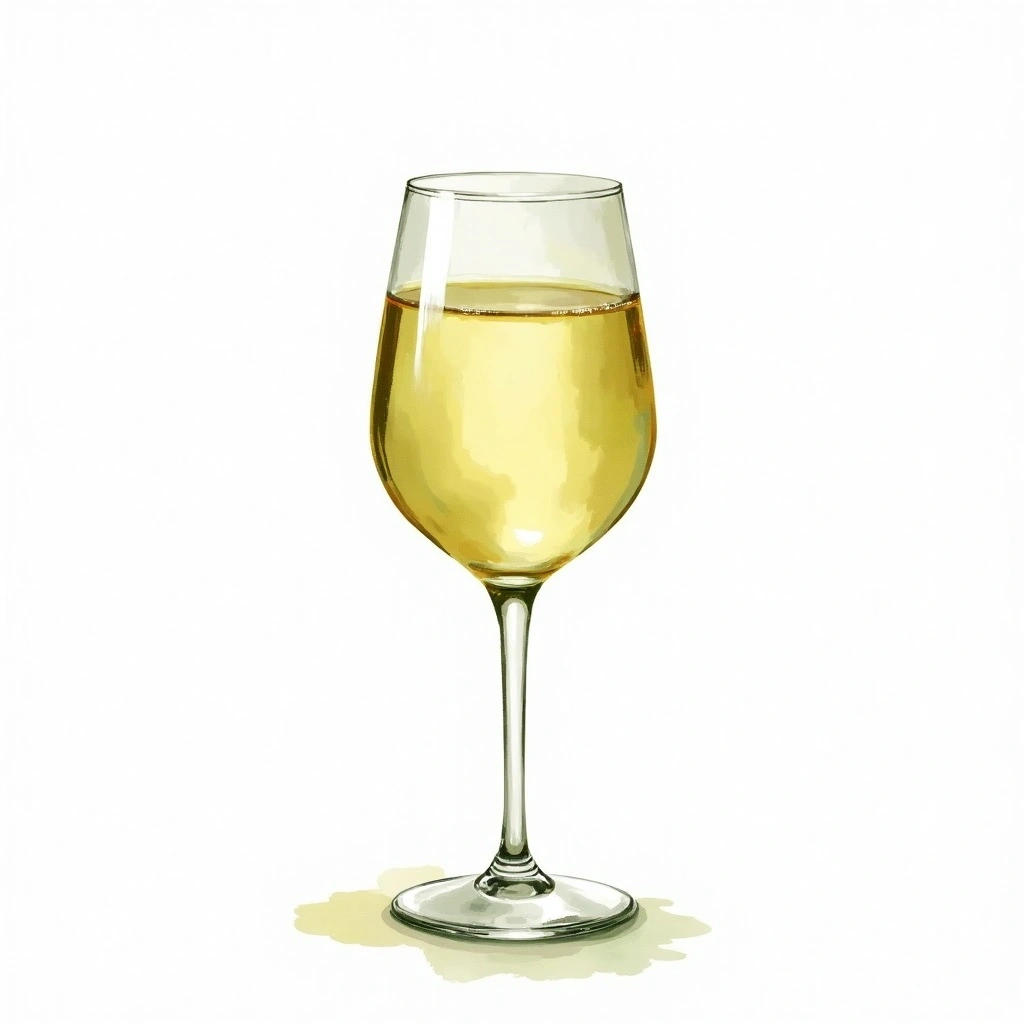
There are wines that demand a ritual, and Txakoli is one of them. In the pintxos bars of San Sebastián, Bilbao, and the Basque coastal villages, Txakoli is poured from a height — the bottle held arm's length above the glass, the thin, pale liquid falling in an arc, aerating as it goes, releasing a faint cloud of carbon dioxide that dissipates in a moment. The technique is practical as well as theatrical: the high pour awakens the wine's aromatics, knocks off the slight yeasty edge of the young wine, and creates the lively, slightly frothy texture that makes Txakoli so irresistible with food.
This is a wine designed for a specific place, a specific cuisine, and a specific culture. It is not a wine that travels well to alien contexts — it is at its best in a Basque bar, surrounded by the smell of the ocean, with a counter full of pintxos and a room full of people who have been drinking exactly this wine with exactly this food for centuries.
What Is Txakoli?
Txakoli (pronounced cha-ko-LEE) is a light, dry to bone-dry white wine produced in three designated areas of the Basque Country in northern Spain. It is characterised by high natural Acidity, low alcohol (typically 9-11.5% ABV), a slight natural spritz, and flavour profiles that emphasise citrus, green apple, sea spray, and saline mineral notes. Residual Sugar is negligible to zero in all quality productions.
The three production zones each have their own DO designation:
- Getariako Txakolina DO — The original and most prestigious zone, centred on the coastal village of Getaria in Gipuzkoa province. The wines here are classic Txakoli: pale, precise, racy, and strongly saline.
- Bizkaiko Txakolina DO — Produced across a much larger area in the interior of Bizkaia province, these wines tend toward a slightly richer, less coastal character with more body and slightly less acidity.
- Arabako Txakolina DO — The smallest and newest zone, in the interior Álava province, producing wines in a rounder, more full-bodied style.
The Grape: Hondarrabi Zuri
The dominant grape in Txakoli is Hondarrabi Zuri — a Basque variety that is the genetic backbone of the wine's character. Hondarrabi Zuri ripens late, accumulates sugar slowly, and retains extraordinary Acidity even at full ripeness, making it perfectly adapted to the cool, wet Atlantic climate of the Basque coast. The variety produces wines naturally low in alcohol and high in acidity — the precise combination that makes Txakoli so refreshing and food-friendly.
A small amount of red Txakoli is produced from Hondarrabi Beltza, the red sibling of the main variety. Red Txakoli is a rarity even in the Basque Country — a curiosity for adventurous drinkers rather than a commercial product.
Getaria and Bizkaia also permit the addition of small percentages of other varieties, including Gros Manseng and Courbu from the French Basque Country, which add aromatic complexity when blended with Hondarrabi Zuri.
The Terroir: Coastline and Atlantic Climate
The core Txakoli-producing areas sit directly on the coast of the Bay of Biscay, one of the most turbulent stretches of water in the Atlantic. The climate here is cool, wet, and oceanic — annual rainfall in Getaria exceeds 1,500 millimetres, making it one of the wettest wine regions in Spain. Summers are mild rather than hot, autumn arrives early, and the growing season is compressed. Viticulture is genuinely challenging.
The coastal vineyards benefit from constant sea breezes that dry the grapes between rain events, reducing disease pressure that would otherwise make viticulture impossible in such a wet climate. The soils are predominantly granite and sandy clay, with good drainage essential for survival in a high-rainfall zone. Vines are trained on high pergola systems (called parra in Basque) that raise the canopy well above the ground, improving air circulation and reducing humidity around the bunches.
The combination of wet climate, granite soils, and the maritime air creates the saline, mineral character that defines Txakoli at its most typical — a quality that wine drinkers schooled on the oyster-shell minerality of Champagne or Loire Valley Muscadet will recognise immediately.
Production and the Natural Spritz
Txakoli's characteristic light fizz is not added artificially — it is a natural consequence of the wine's Fermentation and bottling protocol. The wine is fermented at cool temperatures to preserve aromatics, then bottled while retaining a small amount of dissolved carbon dioxide that would otherwise escape during warmer fermentation. This Pétillant character — a gentle prickle rather than the full pressure of a traditional sparkling wine — gives the wine its vibrancy and contributes to its extraordinary refreshing quality.
Some producers have experimented with fully still Txakoli, and these wines have their advocates. But the consensus in the Basque Country is that the spritz is fundamental to the wine's identity — a part of what makes it the perfect accompaniment to the local food culture.
Extended Lees aging is uncommon but not absent. A small number of producers make Txakoli with sur-Lees aging of six months or more, producing wines of greater texture and complexity — more suited to serious contemplation at the table than the standard bar-pouring style.
Key Producers
Txomin Etxaniz — The benchmark producer of Getariako Txakolina, with vineyards on the slopes above Getaria facing the Bay of Biscay. Txomin's wines are the archetype of the style: pale, racy, and intensely saline. The winery has been central to Txakoli's international recognition.
Ameztoi — Another Getaria producer of considerable reputation, particularly known for its Rubentis rosé Txakoli made from Hondarrabi Beltza — one of the most distinctive pink wines in Spain, with a subtle spritz and vivid berry-saline character.
Aritz Txakolina — A smaller, more artisanal producer working in biodynamic viticulture and producing wines of particular mineral intensity.
Doniene Gorondona — A Bizkaiko Txakolina producer that has elevated the interior zone's reputation with wines of greater body and complexity than the coastal archetype.
Pintxos Culture and Food Pairing
Txakoli and pintxos are inseparable. Pintxos — the Basque version of tapas, small snacks anchored by a toothpick and displayed on bar counters — range from simple bread topped with salt cod to elaborate constructions of foie gras, mushrooms, and truffle. The wine's role is constant regardless of what's on the bread: its sharp acidity cuts fat, its salinity echoes the ocean and the cured fish, and its light body never overwhelms the food's delicate flavours.
Classic pairings include: - Anchovies — The salt-cured anchovies of Getaria are one of the great regional food-wine pairings in Spain: the fish's intense brine meets the wine's saline mineral edge in a combination of extraordinary harmony - Grilled seafood — Txakoli alongside grilled percebes (barnacles), kokotxas (cod cheeks), or chipirones (small squid) is the Basque coastal experience in a glass - Jamón ibérico — The wine's acidity cuts perfectly through the fat of Spain's finest cured ham - Goat cheese — The region's local cheeses, particularly Idiazabal (smoked sheep's milk), pair beautifully with Txakoli's minerality
Beyond its traditional Basque context, Txakoli translates well to any situation where a crisp, low-alcohol white wine is required: as an aperitivo with olives and nuts, alongside light seafood dishes, or as a palate-cleansing companion to Asian cuisine with its bright, clean acidity.
Serving Temperature and Technique
Txakoli should be served cold — 6-8°C — to preserve its freshness and emphasise its mineral character. It is best consumed young: most Txakoli is intended for drinking within one to two years of the harvest, though the rare reserve and single-vineyard expressions can develop interesting complexity with three to five years of bottle age.
The traditional high-pour technique is not merely theatrical. By aerating the wine as it falls, the pour releases volatile aromas, reduces any trace of dissolved CO₂ that might make the wine taste slightly harsh, and creates the lively, effervescent texture that makes the wine so immediately appealing. In a bar setting, the pour is typically made from shoulder height or above; at home, you can achieve a similar effect by pouring vigorously into a wide-mouthed glass.
The glass need not be a flute. A standard white wine glass or even a small tumbler is perfectly appropriate — Txakoli is a casual, everyday wine, not a ceremony. Its pleasures are immediate, its character transparent, and its purpose simple: to make food taste better and people feel happy.
 Chenin Blanc
 Gewürztraminer
 Viognier
 Aromatic White
 Pétillant Naturel