Wine Certification Paths: WSET, CMS, and Beyond
A practical guide to the major wine certification programs — WSET, CMS, MW, and others — explaining what each level teaches, who it is for, and how to choose the right path.
Why Certification Matters — and When It Does Not
The wine world has a complicated relationship with formal credentials. Walk into many great wine bars in Europe and you will meet passionate, knowledgeable staff who have never sat an exam in their lives. Visit the wine program at a Michelin-starred restaurant in New York or Tokyo and you will almost certainly find certified professionals whose qualifications opened the door.
The truth is that wine certification serves different purposes for different people. For career professionals, a recognized qualification signals competence to employers and clients. For enthusiastic amateurs, structured study provides a framework that years of casual drinking cannot replicate. For anyone who wants to communicate clearly about wine — whether writing, teaching, or simply recommending bottles to friends — the systematic vocabulary and tasting methodology that good certification programs teach is genuinely transformative.
This guide maps the major pathways, explains what each level actually involves, and helps you decide which route, if any, is right for you.
The Big Three Programs
WSET: Wine & Spirit Education Trust
Founded in London in 1969, the WSET is the world's largest wine and spirits education body, with over 100,000 students sitting exams annually in more than 70 countries. Its qualifications are stackable, internationally recognized, and structured for both trade professionals and serious enthusiasts.
Level 1 (Award in Wines): An introductory one-day course with a short multiple-choice exam. Covers the main wine styles, basic grape varieties, and simple food matching. Suitable for hospitality staff needing a quick foundation or curious beginners. No prior knowledge required.
Level 2 (Award in Wines): The most popular WSET qualification worldwide. A two-day classroom course (or equivalent online study) followed by a 50-question multiple-choice exam. Covers all major wine regions, the key grape varieties in those regions, sparkling and fortified wines, and the WSET Systematic Approach to Tasting (SAT) at an introductory level. You will begin applying the SAT to assess Aroma, Palate, and Finish.
Level 3 (Award in Wines): Where things get serious. This is a six-to-twelve week course depending on the provider, followed by a theory exam and a blind tasting assessment. You must demonstrate not just that you can identify wine styles but that you can explain why they taste the way they do — linking Acidity, Tannin, Body, and Complexity to geography, climate, viticulture, and winemaking decisions. Pass rates hover around 65–70% globally; the tasting component trips up many candidates who have studied theory thoroughly but underestimated the rigor of systematic blind evaluation.
Level 4 (Diploma in Wines): The WSET's highest taught qualification, positioned one step below the Masters of Wine. It takes one to two years of intensive study across six units covering wines of the world, sparkling wines, fortified wines, spirits, and a research paper. The tasting component at this level demands the ability to assess wines from Bordeaux, Burgundy, Champagne, and beyond with professional precision. Diploma graduates are genuinely rare — fewer than 15,000 people hold this qualification worldwide.
CMS: Court of Master Sommeliers
The Court of Master Sommeliers was established in 1977 and operates primarily in the United States, Canada, UK, and increasingly in Asia. Its culture is rooted in restaurant service: the CMS cares deeply about proper wine service, beverage program management, and the ability to sell and explain wine to guests under pressure.
Introductory Sommelier: A one-day course with an exam covering fundamental wine knowledge and service. The first step on the CMS ladder.
Certified Sommelier: A half-day exam in three parts — a theory test, a practical service examination, and a blind tasting of two wines in 25 minutes. This is where the CMS's reputation for rigor begins to bite. The blind tasting — attempting to identify grape variety, region, and vintage from two glasses alone — demands the kind of Blind Tasting practice that takes months to develop.
Advanced Sommelier: A multi-day examination covering theory at depth, deductive tasting of six wines, and a beverage service exam. Pass rates are typically around 30–40%, and most candidates take it two or three times before passing.
Master Sommelier (MS): The pinnacle of the CMS program and one of the most difficult professional examinations in the hospitality world. As of 2024, fewer than 275 people worldwide hold the Master Sommelier diploma. The tasting component — six wines in 25 minutes, with full deductive analysis — is legendarily demanding. The service exam involves being presented with restaurant scenarios that test wine knowledge, food pairing, cocktail and spirit knowledge, and guest handling simultaneously.
MW: Institute of Masters of Wine
The Masters of Wine qualification is the most academically demanding wine credential in existence. Founded in the UK in 1955, the MW program is open only to working wine trade professionals with demonstrable experience. As of 2024, there are approximately 420 Masters of Wine globally.
The program involves two years of intensive study, a three-day written examination covering theory and a practical tasting component (12 wines blind in two sessions), and a 10,000-word research paper on an original topic. The overall pass rate across all components is around 10% per sitting.
The MW is not a teaching qualification or a hospitality credential — it is an academic achievement in the wine trade, recognized for research, writing, and professional authority.
Other Notable Programs
WSET Spirits
Parallel to the wine stream, WSET offers Levels 1–3 in spirits, covering whisky, gin, rum, cognac, and more. The Level 3 Award in Spirits is highly regarded in the cocktail and beverage world.
Society of Wine Educators (SWE)
The SWE offers the Certified Specialist of Wine (CSW) and Certified Wine Educator (CWE) credentials, popular in the US hospitality and education sectors. The CSW is roughly equivalent to WSET Level 2 in scope but formatted as a self-study program.
Diploma of Wine and Spirits (DWS)
Offered by the Bourgogne Business School and other European institutions, regional diplomas focus on specific areas of expertise and may be appropriate for professionals working primarily within those regions.
Italian Wine Specialist (IWS) and WSET Italy
For professionals focused on Italian wine — the most bewilderingly complex wine country in the world — specialist programs offered by the Italian Trade Commission and regional bodies like the Barolo & Barbaresco Academy can fill gaps that general qualifications leave open.
Choosing Your Path
The right credential depends on three factors: your goals, your timeline, and your budget.
If you are new to wine and want a solid foundation: WSET Level 2 is the single best entry point. It is globally available, respected by employers, and genuinely educational without being overwhelming.
If you work in restaurants or hospitality: CMS Introductory and Certified Sommelier provide service-oriented training that WSET's more academic approach does not fully replicate. Many working sommeliers hold both WSET Level 3 and CMS Certified.
If you are building a wine career in trade, importing, or writing: WSET Level 3, and eventually the Diploma, provides the depth and credibility that opens doors.
If you want to teach wine: WSET's educator pathways, or the SWE Certified Wine Educator qualification, provide specific credentials for instruction.
If wine is your passion but not your profession: WSET Level 2 or Level 3 will transform how you taste, buy, and talk about wine. The structured tasting approach — assessing Balance, Complexity, Finish, and Body systematically — makes every glass more interesting.
What Certification Cannot Teach You
No exam in the world can give you accumulated tasting experience. The most important thing any serious wine student can do alongside their formal study is taste — widely, deliberately, and comparatively. Taste Riesling from Mosel next to one from Alsace. Taste Pinot Noir from Burgundy next to one from Oregon. Taste Cabernet Sauvignon from Bordeaux next to one from Napa Valley. The differences will teach you more than any textbook paragraph.
Exams also cannot teach you to love wine — and without genuine curiosity, the memorization required for higher-level certifications becomes a grind that produces technically proficient but joyless tasters. The best Sommelier you will ever meet is someone who passed their exams and spent years drinking with real enthusiasm.
Certification is a beginning, not a destination.
Practical Study Tips
Taste systematically from day one: Use the WSET SAT or a similar structured framework for every wine you taste, even informally. The habit of assessing appearance, Nose, Palate, and Finish in sequence must become automatic.
Keep a tasting journal: Write notes immediately after tasting, while the impression is fresh. Review old notes regularly — the improvement over six months will be striking and motivating.
Taste blind whenever possible: Cover the label and assess the wine before looking. Even being wrong is educational: understanding why you misidentified something teaches you more than correct identification by luck.
Find a study group: Wine education is more effective and far more enjoyable with others. Study groups can share the cost of bottles, challenge each other's assessments, and keep motivation high through difficult study periods.
Read broadly: Beyond exam textbooks, read wine journalists, auction catalogs, and producer notes. Different writing styles expose you to vocabulary and framing that formal education may not provide.
The path to wine knowledge is long and the destination is always receding — there is always another region, vintage, or grape variety waiting to surprise you. That is precisely what makes it worth pursuing.
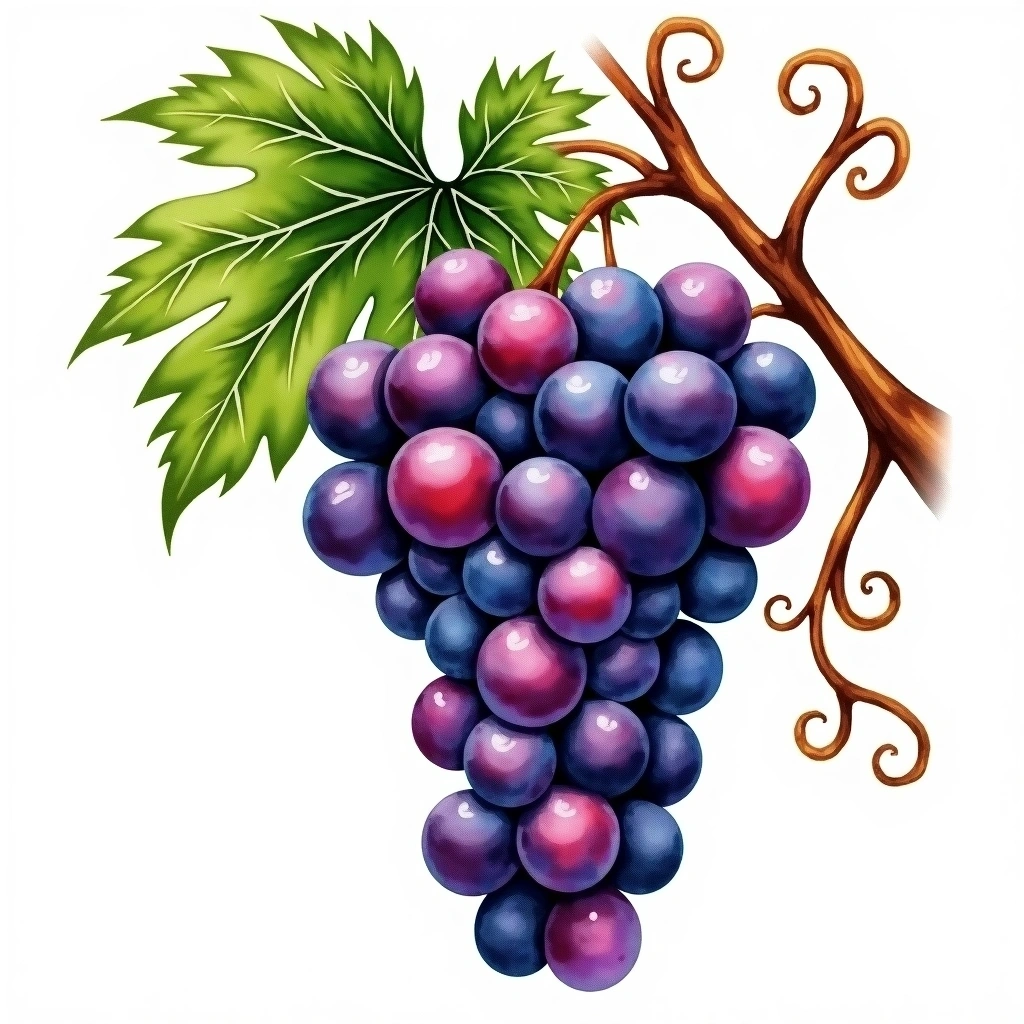 Cabernet Sauvignon
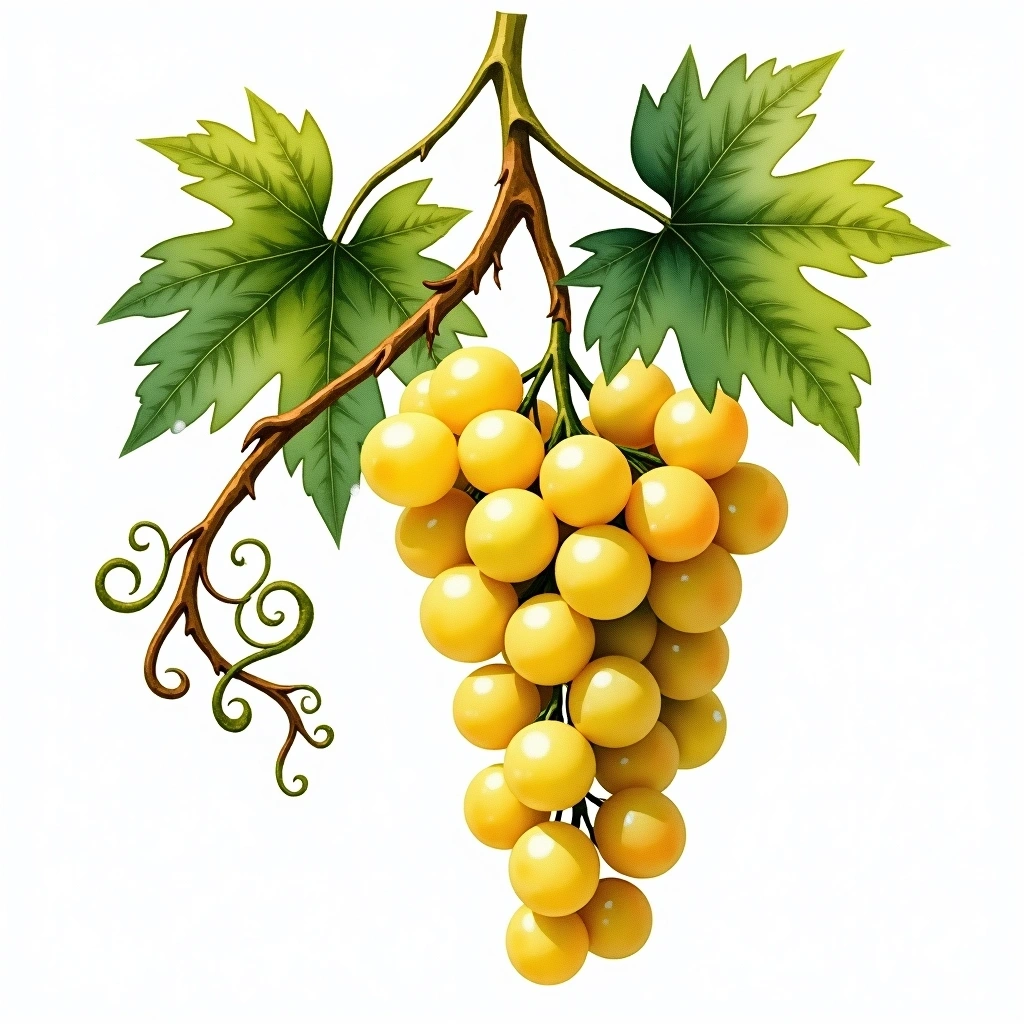 Chardonnay
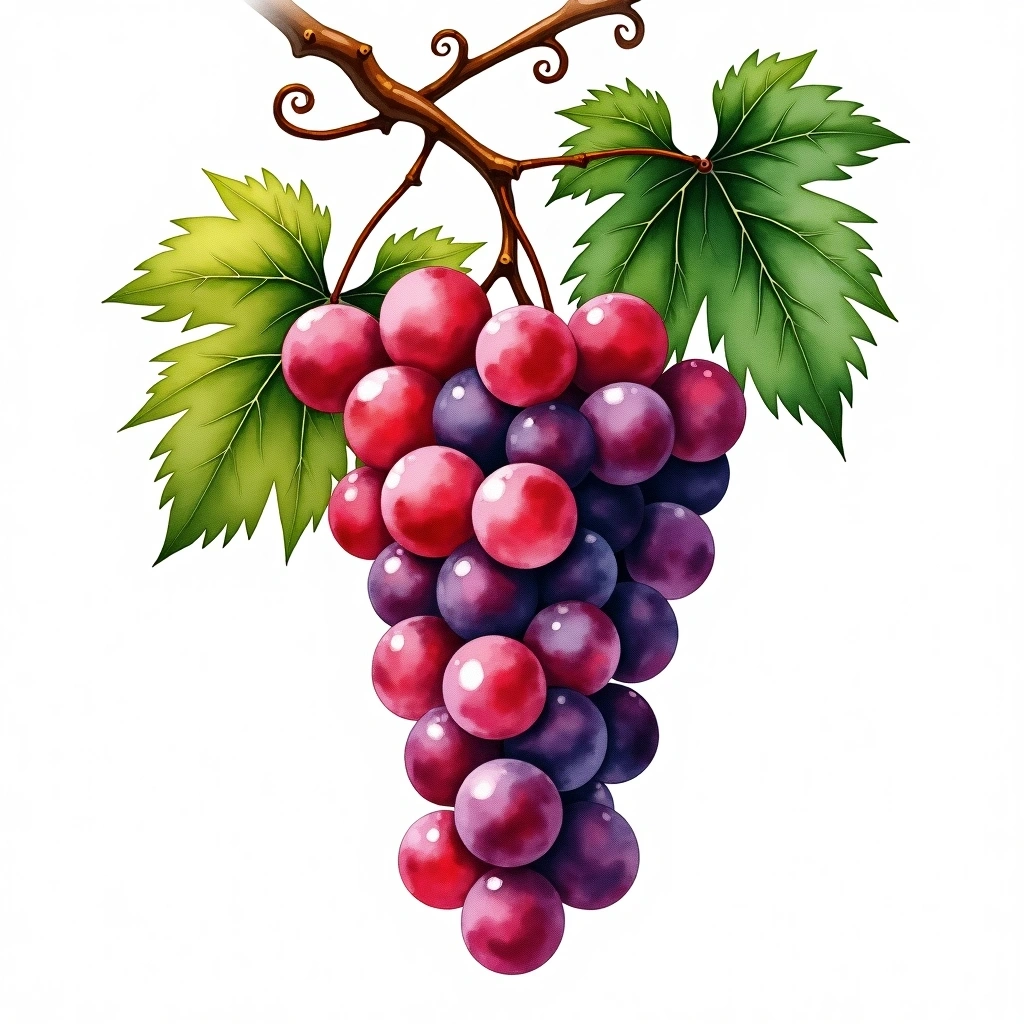 Pinot Noir
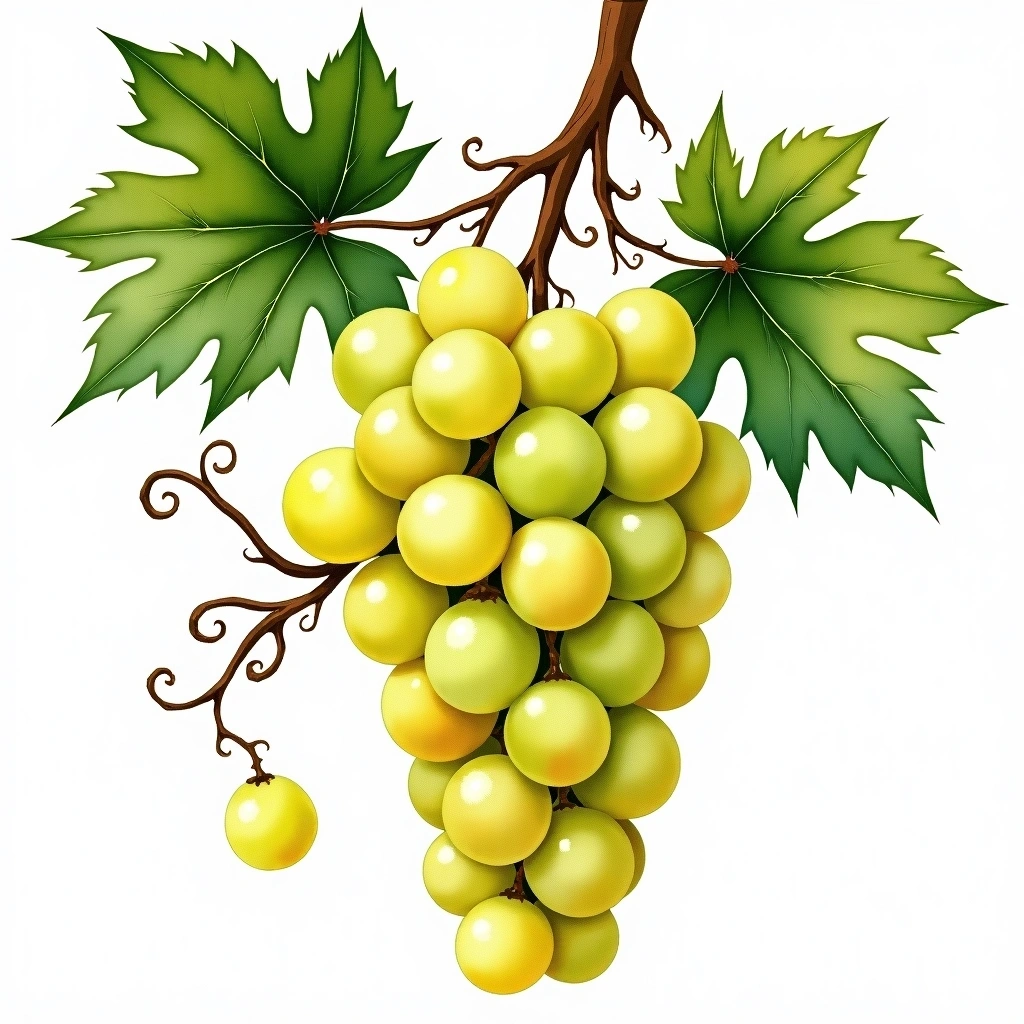 Riesling
 Bold Red
 Crisp White
 Rich White
 Traditional Method Sparkling