Ice Wine: Frozen Grapes, Extraordinary Sweetness
Ice wine — made from grapes naturally frozen on the vine in temperatures below -8°C — is one of the world's rarest and most labour-intensive dessert wines, produced primarily in Canada and Germany with extraordinary concentration and sweetness.
When Cold Becomes an Asset
In most wine regions, frost is the enemy — a destructive force that kills young shoots, freezes mature grapes, and brings financial ruin to farmers who cannot protect their crops. But in the vineyards of Ontario, British Columbia, and the Niagara Peninsula in Canada, and in certain German and Austrian wine regions, there is one precious category of wine for which frost is not merely tolerated but actively awaited: Eiswein, or ice wine.
The principle behind ice wine production is deceptively simple. When grapes freeze on the vine at temperatures below -8°C (-17.6°F), the water in the berries turns to ice while the sugars, acids, and aromatic compounds remain liquid. If the frozen grapes are pressed immediately — before they thaw — a tiny quantity of extraordinarily concentrated must flows out. This must, with its enormous sugar concentration and equally extraordinary natural Acidity, is then fermented into a wine of intense sweetness, vibrant freshness, and extraordinary complexity.
The simplicity of the concept belies the extraordinary difficulty of execution. Ice wine production is among the most demanding in the entire wine world: waiting for temperatures cold enough to freeze the grapes, harvesting at 3 or 4 in the morning in temperatures that may reach -15°C or below, pressing frozen grapes that resist the press like solid rock, and managing a fermentation so difficult that it may take months or years to proceed meaningfully.
The result justifies every difficulty.
History: German Origins and Canadian Mastery
The earliest documented ice wine was produced accidentally in the Rheingau region of Germany in 1794, when a vineyard left unguarded was frozen before harvest. The winemaker, unwilling to waste the frozen grapes, pressed them and made a wine of unprecedented sweetness and concentration. The discovery — or rediscovery — of a production method that could reliably produce such wines followed over subsequent decades.
Eiswein (German spelling) became a recognised and regulated category in Germany's wine classification system, appearing alongside Late Harvest designations such as Auslese, Beerenauslese, and Trockenbeerenauslese. The style has always been rare in Germany — natural frost events cold enough and sustained enough to freeze grapes without damaging them occur only in exceptional years in most German regions — and the wines command prices that reflect their scarcity.
Canada's relationship with ice wine is more recent but arguably more central. The Niagara Peninsula in Ontario experiences reliably cold winters that consistently deliver the temperatures required for natural ice wine production. Following a handful of experimental productions in the 1980s, Ontario's ice wine industry expanded rapidly through the 1990s and 2000s, transforming Canada from a wine curiosity into one of the world's most important dessert wine producers.
Today Canada produces the majority of the world's genuine ice wine by volume — far exceeding German production — though German Eiswein retains its historical prestige and commands the highest prices for top examples.
Natural vs. Artificial Freezing
A crucial distinction divides genuine ice wine from a category of inferior products that floods the market: natural freezing on the vine versus artificial freezing in a factory.
Genuine ice wine is made exclusively from grapes that freeze naturally on the vine. Grapes remain on the vine after the normal harvest season, exposed to autumn weather, until natural temperatures drop sufficiently to freeze them. This process concentrates sugars and acids through freezing and dehydration (from wind and cold) but does not involve any human manipulation of temperature. Regulations in Canada (where the wine is designated VQA Icewine) and Germany (Eiswein) mandate natural freezing as a legal requirement.
Artificially produced "ice wine" — common in jurisdictions without strict regulation — is made by harvesting normal grapes and freezing them in industrial freezers before pressing. This process produces a superficially similar concentration but without the complexity that comes from extended hang time, gradual dehydration on the vine, and the specific conditions of natural freezing in a cold-climate vineyard. The results are often simpler, less complex, and far less interesting as wines.
In international markets, "ice wine" without a VQA or Eiswein designation may or may not be naturally produced. Genuine Canadian Icewine always carries the VQA seal; genuine German Eiswein is regulated under German wine law. Anything else deserves scrutiny.
The Harvest: Night Work in Deep Cold
The harvest of ice wine is an event unlike any other in viticulture. Wineries that produce ice wine typically employ a team of pickers who are on call throughout November and December — sometimes January — waiting for the right weather window. When temperatures drop below -8°C and hold there for long enough to freeze the grapes solid, the call goes out and the harvest begins.
Picking occurs in the pre-dawn hours, typically between 2 and 7 in the morning, when temperatures are at their lowest. Workers dress in heavy winter gear against temperatures that may reach -15 to -20°C. The vineyard is silent except for the crunch of frozen ground and the snap of frozen grape clusters being cut from the canes. The grapes themselves are rock hard — they ring against each other like marbles as they fall into the collection bins.
Time is critical. As the sun rises and temperatures begin to climb, the precious frozen water in the grapes begins to melt. The ice and concentrated juice must be separated before thawing occurs. The grapes are rushed to the press, where they must be pressed at sub-zero temperatures — meaning the press itself must be cold, often requiring outdoor pressing or refrigerated press rooms.
A typical ice wine press yields only 50-200 litres of must per tonne of grapes, compared to 600-700 litres for conventional wine production. This extraordinary inefficiency — combined with the risk that perfect harvesting conditions may not occur at all in any given year — explains the wine's high price.
Fermentation: The Long, Slow Struggle
The must produced from frozen grapes is so concentrated in sugar — typically 35-45° Brix, compared to 20-24° Brix for normal ripe grapes — that fermentation is an ordeal for the yeasts. High sugar levels create osmotic stress that inhibits yeast activity; the resulting fermentation is slow, difficult, and may take months or years to produce even modest alcohol levels.
Most ice wines are fermented to 7-13% ABV, at which point the yeast population is overwhelmed by the combination of alcohol and residual sugar and Fermentation stalls naturally. The resulting wines retain enormous quantities of Residual Sugar — typically 150-200 g/L — while retaining the enormous natural Acidity that balances this sweetness.
This balance between sweetness and Acidity is the structural achievement of great ice wine. A wine with 180 g/L Residual Sugar that tastes fresh, vibrant, and not cloying is possible only when the Acidity is equally extreme — often 10-15 g/L or more. The acidity acts as a structural scaffold that prevents the sweetness from becoming oppressive, allowing the wine to be genuinely refreshing despite its concentration.
Key Grape Varieties
Riesling
Riesling is the grape of German Eiswein and one of the finest varieties for Canadian Icewine. Its naturally high acidity, distinctive aromatic profile (peach, apricot, lime, honey, petrol), and proven capacity for extreme concentration make it ideal for the style. Riesling Eiswein from the Mosel or Rheingau — rare, expensive, and spectacular — represents the historical pinnacle of the category.
Vidal
Vidal Blanc is the workhouse of Canadian Icewine — a hybrid grape developed in the 1930s that tolerates extreme cold far better than European vinifera varieties. Vidal Icewine is the most commercially significant and widely available style in Canada, offering apricot, tropical fruit, and honey character with the distinctive ice wine freshness. It lacks the complexity and aging potential of Riesling Icewine but delivers reliable quality at more accessible prices.
Cabernet Franc
Red ice wine from Cabernet Franc is a Canadian specialty — an unusual but compelling style that combines the concentrated dark berry and floral character of the grape with the sweetness and acidity of the ice wine production method. The result is a pink to light red wine of extraordinary character, best served alongside strawberry or raspberry desserts.
Gewurztraminer
Gewürztraminer Icewine, produced in Ontario and British Columbia, offers an opulent combination of the grape's characteristic lychee, rose petal, and spice aromatics intensified by ice wine concentration. The richness can be overwhelming, but the finest examples balance sweetness with the grape's distinctive aromatic personality.
Key Producing Regions and Producers
Niagara Peninsula (Ontario, Canada)
The Niagara Peninsula is the world's most important ice wine region by volume and commercial significance. Protected from Lake Ontario's moderating influence by the Niagara Escarpment, the peninsula receives reliably cold winters while the lakes prevent the extreme temperatures that would kill the vines entirely. Scores of producers operate here.
Inniskillin — The winery that put Canadian Icewine on the map, winning the Grand Prix d'Honneur at Vinexpo Bordeaux in 1991 with its 1989 Vidal Icewine. Inniskillin's wines remain widely distributed internationally and represent the benchmark for the category.
Peller Estates — One of Canada's largest wine producers, with a substantial ice wine program that includes both Vidal and Riesling styles.
Jackson-Triggs — Another major Canadian producer with consistent ice wine quality and widespread international distribution.
Okanagan Valley (British Columbia, Canada)
BC's Okanagan Valley produces Icewine from the full spectrum of varieties, including Riesling, Gewurztraminer, Pinot Blanc, and Merlot. The desert climate of the southern Okanagan creates more variable freeze conditions than Ontario, but exceptional examples from producers such as Mission Hill, Summerhill Pyramid, and Tantalus demonstrate the region's potential.
Germany: Mosel and Rheingau
German Eiswein is produced in most wine regions but appears most consistently in the Mosel and Rheingau, where Riesling achieves its greatest complexity. Production is irregular — natural freeze events of sufficient duration and temperature occur only every few years in most German vineyards — making true Eiswein from Germany exceptionally rare and correspondingly expensive.
Weingut Dr. Loosen — Ernst Loosen has produced exceptional Riesling Eiswein from old-vine vineyards in the Mosel in years when conditions allow.
Schloss Johannisberg — The historic Rheingau estate has a long tradition of Eiswein production from its prized vineyards.
Serving and Food Pairing
Ice wine should be served cold — 8-10°C — in a small white wine glass rather than a standard dessert wine tulip. The intense aromatics benefit from some space in the glass; the small serving size appropriate for such concentrated wine is best displayed in a glass that allows the nose to develop.
Serve small portions: a 2-3 ounce pour is entirely appropriate, as the wine's concentration means that a small glass delivers substantial pleasure. Ice wine is best enjoyed slowly, contemplatively, rather than consumed quickly.
Classic food pairings include: - Fresh fruit and fruit desserts — Peach tart, apricot crumble, raspberry soufflé - Foie gras — The Canadian tradition of pairing ice wine with foie gras works as beautifully as Sauternes with the same ingredient - Blue cheese — Roquefort, Gorgonzola, Stilton — the saltiness of the cheese cuts the sweetness in perfect balance - Crème brûlée — The wine's vanilla and honey notes mirror the custard's richness - On its own — Many enthusiasts prefer to drink ice wine without food, treating it as a luxury experience complete in itself
Buying and Storing
Genuine Canadian Icewine and German Eiswein age magnificently. The combination of extreme Acidity and Residual Sugar provides exceptional aging potential — quality examples develop extraordinary complexity over one to two decades, with the best vintages potentially lasting much longer. Store in a cool, dark Cellar away from temperature fluctuations.
When purchasing, look for the VQA seal on Canadian wines or the official Prädikatswein designation on German Eiswein. Avoid vague "ice wine" labelling without clear origin and production method statements — the probability of artificial freezing increases significantly without regulatory designation.
Price reflects genuine rarity and labour cost. Authentic Icewine is expensive — expect to pay $50-150 USD for a 375ml half-bottle from quality producers; rare German Eiswein from great vineyards in exceptional years commands multiples of this. The price is justified. Nothing else in the wine world offers quite the same combination of intensity, freshness, and aromatic complexity as a great ice wine — a wine made possible only by embracing the coldest, most inhospitable conditions that viticulture can endure.
 Chenin Blanc
 Gewürztraminer
 Riesling
 Botrytized
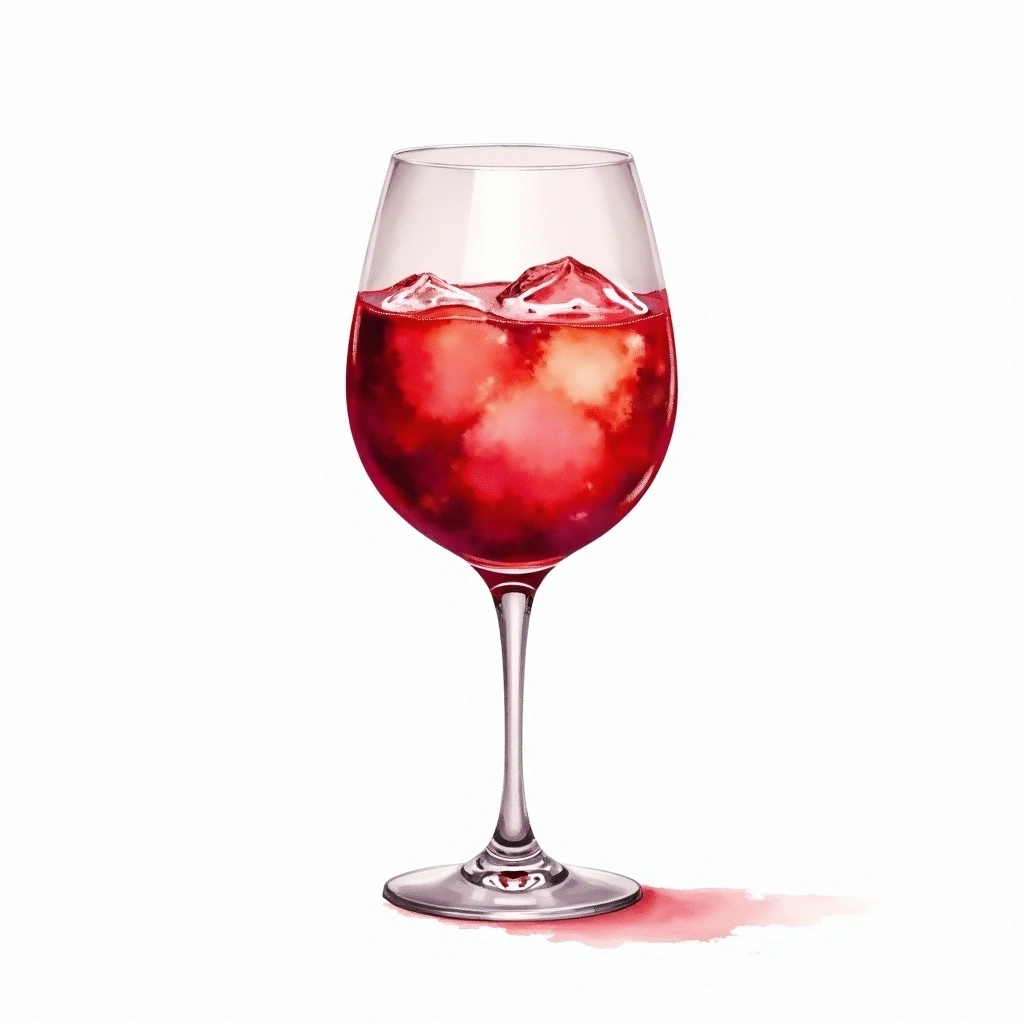 Ice Wine
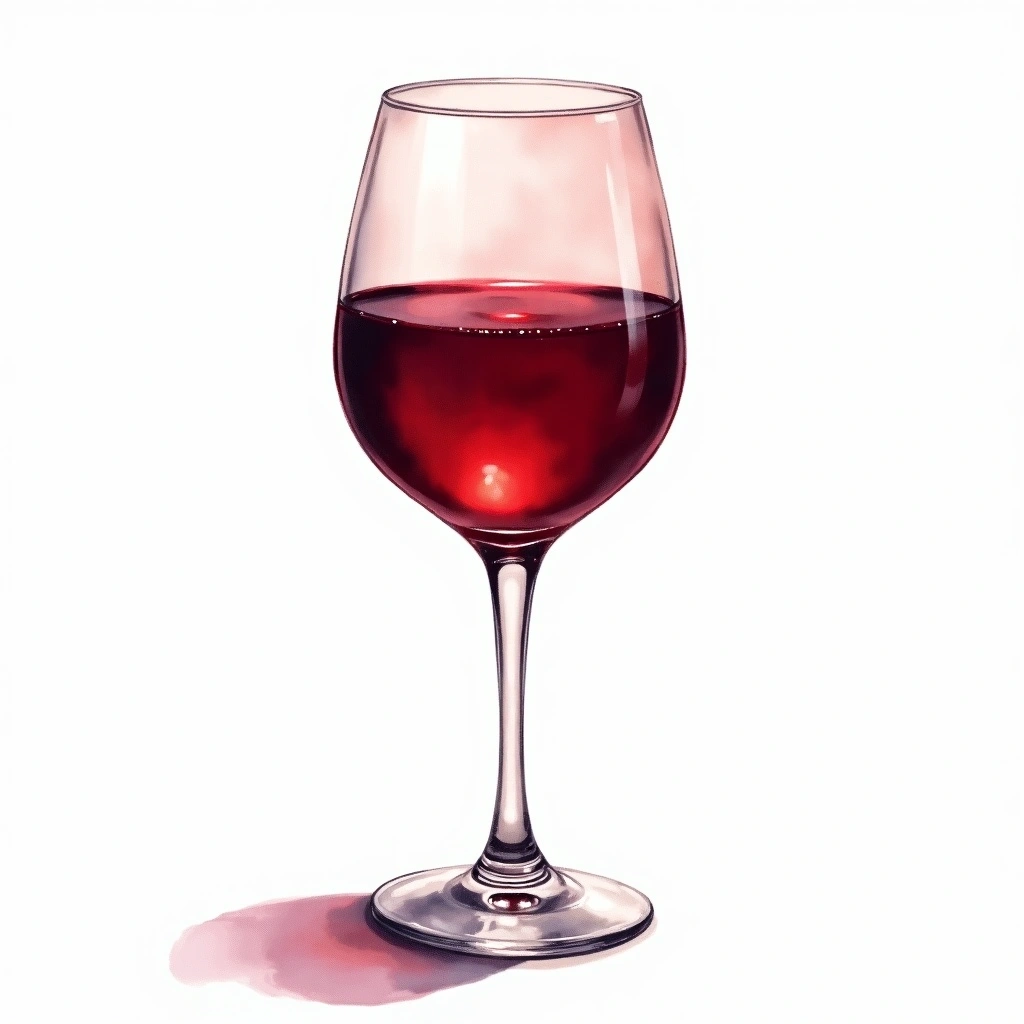 Late Harvest