White Wine Tasting: A Step-by-Step Guide
A detailed step-by-step guide to tasting white wine — evaluating color and clarity, aromatic intensity, acidity, body, and finish — with specific guidance for the world's major white grape varieties.
What Makes White Wine Tasting Distinct
Tasting white wine rigorously requires a slightly different emphasis than red wine. Without tannin as a structural scaffold, white wine's quality hinges almost entirely on acidity, aromatic purity, and the precision of its fruit and mineral character. These elements are subtle and easily masked by serving temperature, inappropriate glassware, or olfactory fatigue.
White wines also offer a wider range of stylistic extremes than reds: from bone-dry, bracingly acidic Chablis to intensely sweet Botrytized Sauternes; from the entirely unoaked minerality of top Mosel Riesling to the richly Oaky character of barrel-fermented Napa Chardonnay. Learning to navigate this range requires specific attention to each structural component.
Preparation Before the Glass
Temperature
White wine is far more temperature-sensitive than red. Too warm, and the aromas collapse into a flat, undifferentiated mass of warm fruit. Too cold, and all aroma shuts down completely.
Serving temperature ranges: - Very light, neutral whites (Pinot Grigio, Muscadet): 6–8°C - Crisp White (Sauvignon Blanc, Riesling Kabinett): 8–10°C - Aromatic White (Gewürztraminer, Viognier, Pinot Gris): 10–12°C - Full Rich White and Late Harvest (oaked Chardonnay, Sauternes): 12–14°C
A glass of cold white wine should warm gradually in your hand — part of the tasting experience is noticing how aromas emerge as the temperature climbs.
Glassware
White wines are typically served in smaller glasses than reds. Aromatic whites (Riesling, Gewürztraminer) benefit from tall, narrow glasses that concentrate and direct aromas toward the nose. Oaked, full-bodied whites (Chardonnay, Viognier) benefit from a wider-bowled glass that allows aeration.
Step 1: Evaluating Color
White wine color is often undervalued by tasters who move too quickly to the nose. Color communicates age, oxidative history, winemaking style, and variety.
The white wine color spectrum:
-
Water-white / colorless: Extremely pale, almost no yellow. Indicates very young wine, high-acid variety, cool climate, or neutral winemaking. Vinho Verde, lightest Mosel Riesling, lightest Alsace Pinot Gris.
-
Pale lemon with green highlights: Young, high-acid, aromatic whites. The green tinge indicates freshness and is particularly common in Sauvignon Blanc from Marlborough and young Riesling from the Mosel.
-
Gold / medium gold: Richer whites, some oak influence, slightly more age. Oaked Chardonnay, Viognier, Gewürztraminer.
-
Deep gold / amber: Significant oak aging, or extended bottle age, or an intentionally oxidative or skin-contact style. A 10-year-old white Burgundy (Chardonnay from Bourgogne) may show this color naturally.
-
Tawny / brown: Indicates significant oxidation — either intentional (Sherry, orange wine, long-aged dessert wine) or accidental (wine fault, over-age).
Check for haziness: a slightly hazy appearance in a naturally made wine may be intentional (unfiltered); haziness accompanied by off-aromas usually indicates a problem.
Sweetness Cues from Color
Deep golden and amber tones in dessert wines often signal residual sugar and concentration. Botrytized wines from Sauternes (made primarily from Sémillon) develop their characteristic deep gold from the Botrytis cinerea ("noble rot") fungus, which concentrates sugars and develops honey and apricot character.
Step 2: Evaluating the Nose
White wine's quality is often decided on the nose. Aromatic precision, clarity, and complexity are more revealing in white than red, partly because the absence of tannin gives you a cleaner view of the aromatic core.
Aromatic Intensity
Before cataloging specific aromas, assess the overall aromatic intensity:
- Pronounced: Aromas jump from the glass without any need to search — Gewürztraminer, Viognier, Muscat
- Medium: Aromas are clear and identifiable but require some attention — Chardonnay, Pinot Gris
- Light: Subtle aromas requiring careful attention — neutral Pinot Grigio, Muscadet
A pronounced nose does not automatically indicate higher quality — some of the world's most profound wines have subtle, restrained noses that gradually unfold over hours. But intensity is a useful first calibration.
Primary Aroma Families
Citrus: Lemon, lime, grapefruit, yuzu. The hallmark of Crisp, cool-climate whites. Riesling from the Mosel is famous for its lime and lemon blossom character. Sauvignon Blanc from Marlborough shows grapefruit and lime.
Green and tree fruit: Apple (green or ripe), pear, quince. Apple is central to many white varieties — green apple in cool-climate Sauvignon Blanc, baked apple in Riesling Spätlese, ripe pear in off-dry Pinot Gris.
Stone fruit: Peach, apricot, nectarine. Viognier is the stone-fruit variety par excellence — its hallmark is white peach and apricot. Gewürztraminer from Alsace also shows lychee and ripe apricot.
Tropical fruit: Passion fruit, mango, pineapple, guava. Common in warm-climate Sauvignon Blanc and Chardonnay. A strong tropical note often signals a warmer growing region than citrus and green-fruit notes do.
Floral: White blossom (jasmine, honeysuckle, elderflower), rose, orange blossom. Riesling from the Mosel shows lime blossom; Viognier shows white peach blossom; Gewürztraminer announces itself with rose water.
Herbal and Herbaceous: Cut grass, nettles, white asparagus, fresh herb. The signature of Sauvignon Blanc worldwide. Grüner Veltliner from Austria shows distinctive white pepper and green herb character.
Mineral: Struck flint, chalk, slate, wet stone. Minerality in white wine is one of the most evocative and contested descriptors. Classic examples: the "gunflint" of Pouilly-Fumé (Sauvignon Blanc), the slate notes of the Mosel, the chalky quality of Chablis (Chardonnay).
Secondary and Tertiary Aromas
From fermentation: Brioche, bread dough, cream, yogurt (from malolactic fermentation and lees contact). Wines aged on their lees with regular stirring (bâtonnage) develop a creamy, toasty richness that is particularly associated with quality white Burgundy (Chardonnay from Bourgogne).
From oak: Vanilla, toast, butterscotch, coconut, smoke. The presence and integration of oak is a key stylistic decision. Oak-forward Rich White wines (Chardonnay from Napa Valley or Sonoma County) show these characters prominently. An Oaky character that overwhelms the fruit signals overuse.
With age: Honey, beeswax, petrol (Riesling), hazelnut, caramelized apple, dried apricot. Aged white wines develop Bouquet that is entirely absent from their youth — a treasure for those patient enough to cellar.
Petrol in Riesling: One of wine's most distinctive — and divisive — aromas. Aged Riesling from the Mosel and Alsace develops a kerosene or petrol character from a compound called TDN. To initiates, it is a marker of greatness and age; to the uninitiated, it is alarming. Once you understand it as a Varietal signature, it becomes fascinating.
Step 3: Evaluating the Palate
Take a deliberate sip and hold the wine for five to eight seconds.
Acidity
Acidity is the primary structural element of white wine. It is what gives whites their freshness, their ability to pair with food, and their aging potential.
Assess: - Intensity: Mouth-watering (high) to flat (low) - Type: Bright and lemony, or softer and rounder?
High-acid whites: Riesling (Mosel), Sauvignon Blanc, Chenin Blanc, Grüner Veltliner Medium-acid whites: Chardonnay, Sémillon, Pinot Gris Lower-acid whites: Viognier, Gewürztraminer
If a white feels Flabby — heavy and flat without freshness — it almost certainly has insufficient acidity. This can result from a very warm vintage, excessive malolactic fermentation, or simply a grape variety prone to low acidity (Viognier must be handled carefully for this reason).
Body
White wine body ranges from feather-light (delicate, almost waterlike) to quite full (cream-like, coating). Body depends primarily on alcohol level and residual sugar.
- Light-bodied: Most Riesling Kabinett (8–9.5% ABV), lighter Pinot Grigio
- Medium-bodied: Unoaked Chardonnay, Sauvignon Blanc, Grüner Veltliner
- Full-bodied: Oaked Chardonnay, Viognier, Sémillon-based Sauternes, off-dry and sweet Riesling
Sweetness
White wine sweetness spans from bone-dry (Chablis, Sancerre) through off-dry (many German Rieslings, Alsace Gewürztraminer) to fully sweet (Late Harvest, Botrytized Sauternes). Detecting the level of sweetness requires separating it from fruitiness — a very fruit-forward dry wine can seem sweet but leaves no sugary impression on the palate.
Finish
Quality in white wine is also confirmed on the Finish. A great Mosel Riesling or white Burgundy has a finish that extends 30–60 seconds, revealing mineral, citrus, and floral facets in sequence. A simple, commercially produced white disappears in seconds.
Assess Finish length (short / medium / long) and character (fresh, mineral, fruity, toasty, bitter, flabby).
Variety-by-Variety Tasting Reference
Chardonnay (Bourgogne, California): Pale to medium gold. Apple, lemon, peach on the nose with oak adding vanilla and toast in fuller styles. Medium acidity, medium to full body. From unoaked Chablis to richly oaked Napa Valley style — enormous range.
Sauvignon Blanc (Marlborough, Loire): Pale lemon-green. Grapefruit, cut grass, gooseberry, passion fruit. High acidity, light-medium body, crisp, dry, refreshing.
Riesling (Mosel, Alsace): Pale lemon. Lime, peach, floral, petrol (aged). Electric acidity, light to medium body. Can range from bone-dry to intensely sweet.
Gewürztraminer (Alsace): Medium to deep gold. Pronounced rose water, lychee, ginger, exotic spice. Low acidity, medium-full body, often with some residual sweetness.
Viognier (Rhône, California): Medium gold. White peach, apricot, blossom. Low acidity, full body, rich Mouthfeel. Needs careful winemaking to maintain freshness.
Pinot Gris (Alsace, Italy): Gold. Pear, peach, honey, sometimes smoke (Alsace). Low-medium acidity, medium to full body, often with slight residual sugar.
Grüner Veltliner (Austria): Pale lemon. White pepper, citrus, green herb. Medium-high acidity, medium body, Crisp and mineral.
Chenin Blanc (Loire): Variable gold. Quince, beeswax, honey, apple. High acidity regardless of sweetness level — the defining feature of Vouvray, Savennières, and Bonnezeaux.
Sémillon (Douro, Bordeaux): Deep gold when botrytis-affected. Waxy, lanolin, honey, apricot, fig. Lower acidity, full body; the basis of Sauternes.
Tasting white wine systematically — temperature, aroma analysis, structural assessment, finish evaluation — reveals the full spectrum of what the world's white grapes can achieve. Acidity, above all, is the key: find a white wine with high, vibrant acidity and impeccable fruit clarity, and you have likely found something worth remembering.
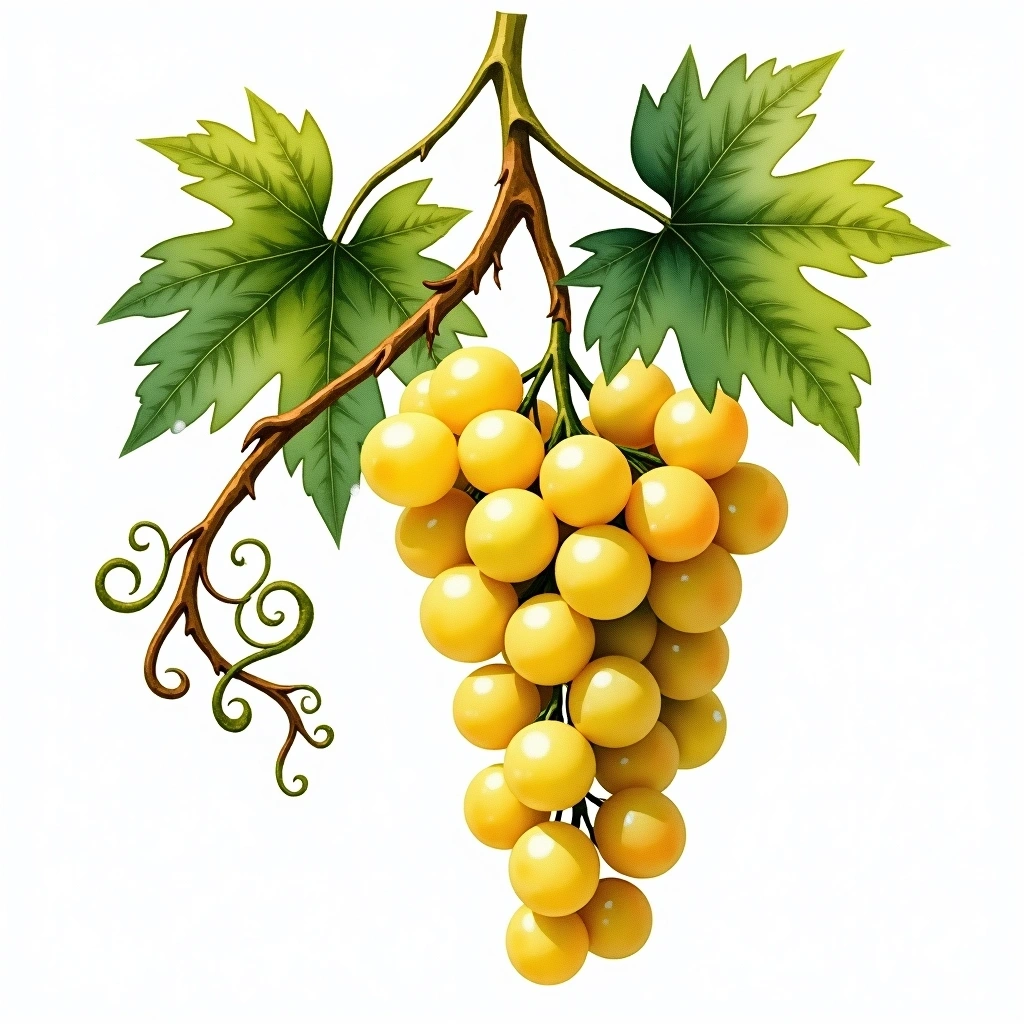 Chardonnay
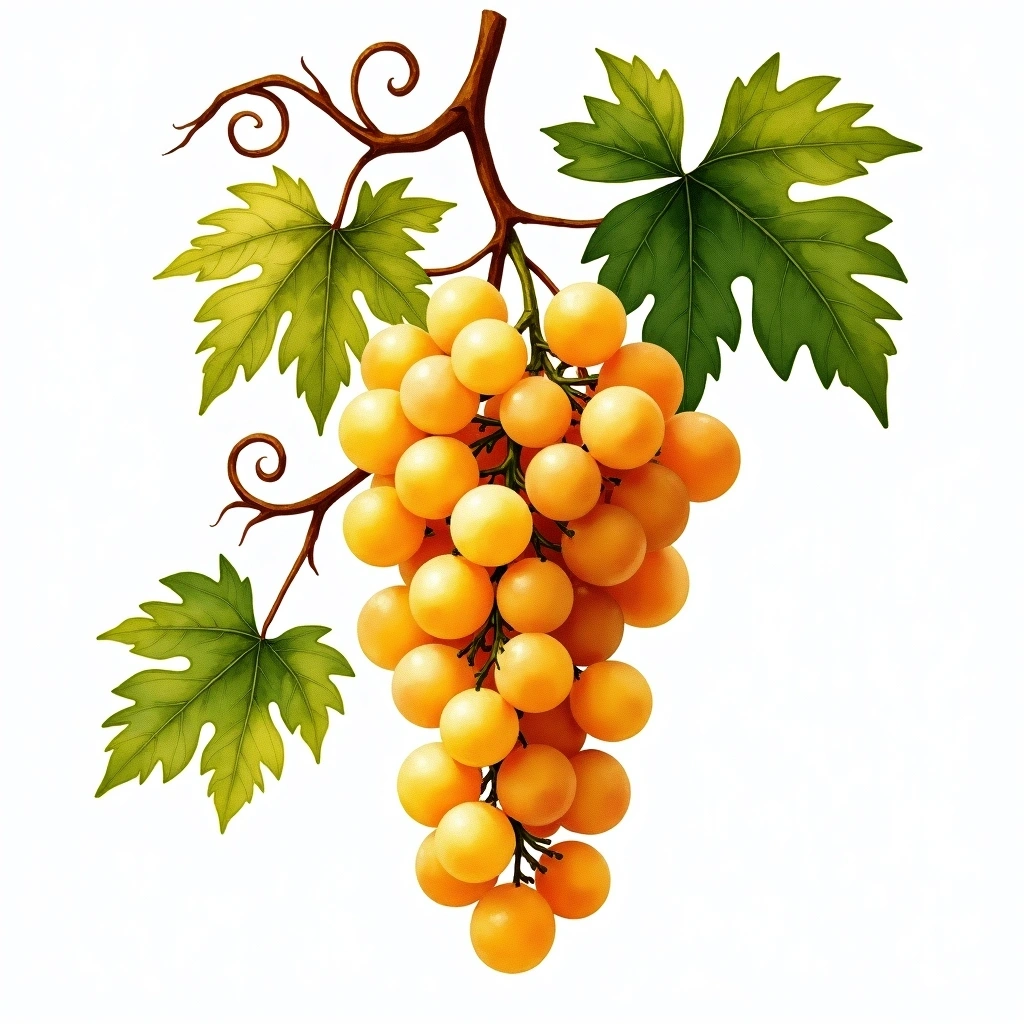 Chenin Blanc
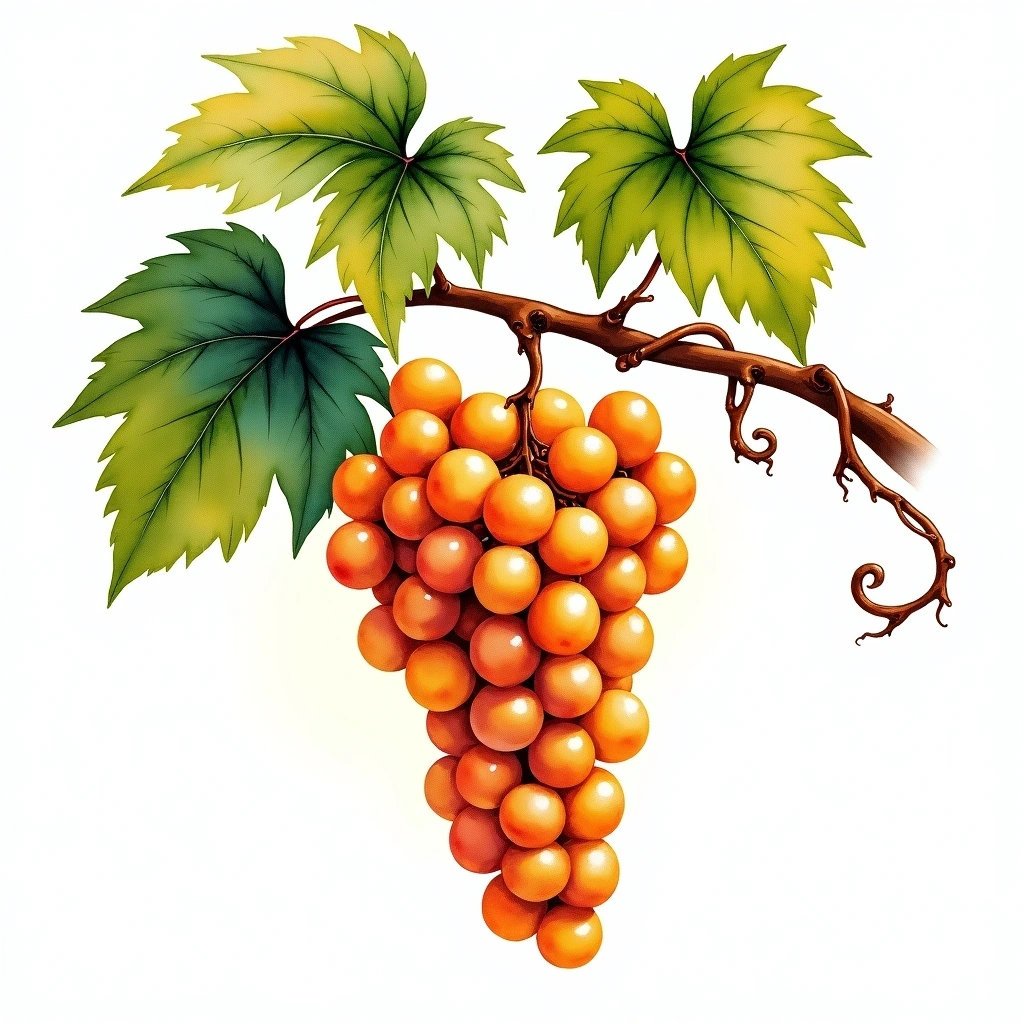 Gewürztraminer
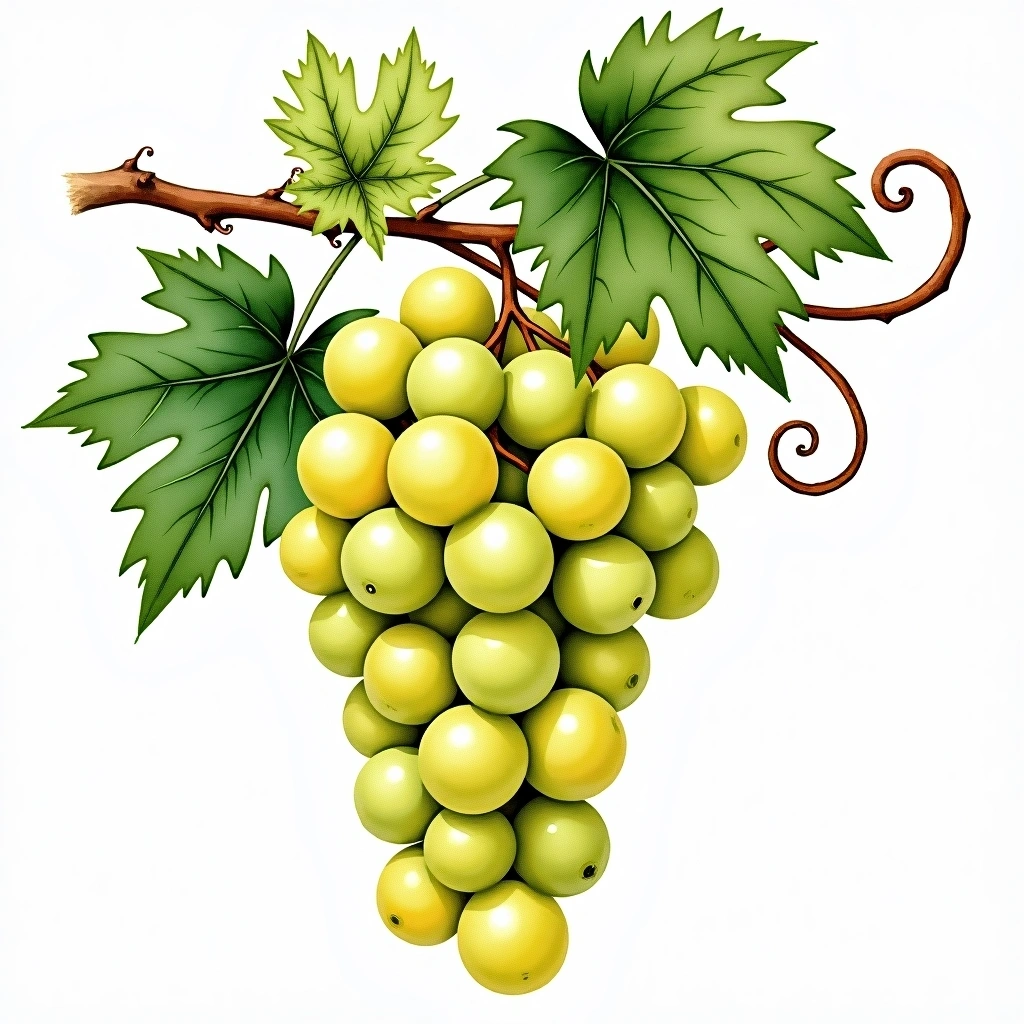 Grüner Veltliner
 Pinot Gris
 Riesling
 Sauvignon Blanc
 Sémillon
 Aromatic White
 Botrytized
 Crisp White
 Late Harvest
 Light White
 Rich White