The Art of Decanting Wine
Master the practice of decanting wine, from removing sediment in aged reds to aerating young tannic wines, with guidance on when and how to decant for best results.
The Art of Decanting Wine
The word Decanting sounds formal — perhaps the province of sommeliers in white-tablecloth restaurants or collectors with dedicated wine cellars. But the practice is fundamentally simple, and the benefits are real and accessible to any wine drinker willing to invest five extra minutes before pouring.
Whether you are separating Sediment from an aged Barolo, waking up a young, tight Cabernet Sauvignon, or softening the reductive character of a natural wine, understanding how and when to decant transforms what ends up in your glass.
Two Distinct Reasons to Decant
Decanting serves two fundamentally different purposes, and understanding them clearly helps you make better decisions for each specific bottle.
Reason 1: Removing Sediment from Aged Wine
As red wine ages, the pigments and Tannin polymers that give it color and structure slowly precipitate out of solution, forming deposits that accumulate on the inside of the bottle. These deposits — Sediment — are chemically harmless but unpleasant in the glass. They make wine look cloudy, feel gritty or grainy on the palate, and can add an astringent, bitter quality.
Sediment forms gradually over years. Wines bottled unfiltered — as many fine wines are, particularly older vintages from Bordeaux, Piedmont, the Rhone Valley, and vintage Port — develop sediment faster and in greater quantity than heavily filtered commercial wines. The presence of sediment in an aged wine is actually a positive quality signal: it indicates that the wine was not stripped of its character through aggressive filtration that removes phenolic compounds along with the deposits.
Decanting removes sediment by carefully pouring the wine into a separate vessel while leaving the deposit behind in the bottle.
Reason 2: Aerating Young Wine
Young, tannic wines benefit from controlled exposure to oxygen, a process called Aeration. Oxygen exposure causes volatile aromatic compounds to open up and become more expressive, softens harsh raw tannins through oxidative reactions, and allows the wine's full aromatic complexity to emerge from what can initially seem like a closed, muted state.
The common practice of simply removing the cork and letting a bottle sit — called Breathing — is largely ineffective because only the tiny surface area at the neck is exposed to air. The wine itself barely contacts oxygen. Pouring into a wide-bellied decanter dramatically increases the surface area in contact with air, accelerating the beneficial effects of aeration.
Which Wines Benefit from Decanting?
Young, powerful reds: Full-bodied red wines with high tannin — young Napa Valley Cabernet Sauvignon, Barolo and Barbaresco from Nebbiolo, Northern Rhone Valley Syrah, aged Syrah/Shiraz from Barossa Valley — are classic decanting candidates. These wines often need one to three hours in a decanter to fully open and reveal their character.
Medium-bodied structured reds: Wines like Rioja Reserva, Barbera d'Asti, Chianti Classico Riserva, and younger Côtes du Rhône blends benefit from shorter decanting — 30 to 60 minutes typically achieves the desired opening without over-exposing delicate elements.
Aged reds with sediment: Any bottle more than eight to ten years old should be examined for sediment before serving. Even wines that do not typically show sediment young can develop it with extended aging. Sediment decanting technique is specific and requires care.
Robust young whites: This is less well-known but surprisingly effective. Rich, heavily oaked Chardonnay — particularly from Burgundy — can benefit from 20 to 30 minutes of decanting. The oxygen softens aggressive oak influence and allows the fruit and minerality to emerge more clearly.
Natural and unfiltered wines: Many natural and skin-contact wines are unfiltered and may contain considerable sediment alongside potential reductive character from minimal oxygen exposure during production. Brief decanting often addresses both issues simultaneously.
Wines that should not be extensively decanted: Delicate, older wines — particularly aged Pinot Noir from Burgundy, mature Riesling from Mosel, or wines past their peak — should generally not be decanted or decanted only very briefly. These wines are fragile; extended oxygen exposure accelerates deterioration rather than improvement. A 20-year-old Burgundy that needs sediment removal might be given 15 minutes in a decanter at most — enough to separate the deposit, not enough to strip its delicate aromatics.
How to Decant for Sediment Removal
The technique for sediment removal requires patience and attention.
Stand the bottle upright. If the bottle has been stored horizontally (as it should be), stand it upright for at least four hours before decanting to allow sediment to settle from the bottle's side to its base. Overnight standing is even better for bottles with significant deposits.
Gather your equipment. You need a clean decanter with sufficient volume for the whole bottle, a reliable light source (a candle is traditional and effective; a flashlight or kitchen work light work equally well), and a steady hand and calm disposition.
Open the bottle carefully. Remove the foil cleanly and extract the cork slowly, avoiding sharp movements that would disturb the sediment you have carefully settled. If the cork is old and fragile, work with extra care.
Position the bottle and begin pouring slowly. Hold the bottle at the shoulder, with your light source positioned so it illuminates the bottle's neck from below. Pour in a slow, steady stream. Watch the neck of the bottle against the light — the wine should appear clear and clean as it flows.
Watch the shoulder carefully. As sediment begins moving toward the neck — drawn by gravity as the bottle empties — it becomes visible as a cloudiness or dark flecks moving through the neck when viewed against the light. The moment you see cloudy material approaching the opening, stop pouring. You will leave a small amount of wine in the bottle, but what remains should be the sediment.
Some collectors use a wine basket or decanting cradle that holds the bottle in its stored horizontal angle during pouring, minimizing disturbance to the sediment layer. This technique is more traditional than essential.
How to Decant for Aeration
For young wines requiring aeration, technique is less precise — the goal is maximum oxygen contact.
Pour the wine into the decanter with some enthusiasm: pour from height, allowing it to splash against the sides and base of the decanter. Swirl the decanter vigorously after pouring to maximize oxygen incorporation. The wide base of a properly designed decanter creates the large surface area that makes aeration effective.
Time in the decanter varies significantly by wine style:
- Light to medium reds (young Barbera, Gamay, entry-level Côtes du Rhône): 20 to 30 minutes
- Medium to full reds (Rioja Reserva, Malbec, Chilean Cabernet): 45 to 90 minutes
- Full-bodied, tannic reds (Barolo, Napa Valley Cabernet, Hermitage): 2 to 3 hours or more
- Very young, primary-fruit reds recently bottled: Potentially 3 to 4 hours before they reveal their character
- Rich oaked whites: 20 to 30 minutes
The risk of over-decanting is real. A wine left in a decanter for six or more hours may have lost its fruit freshness and primary aromatics to oxidation. When uncertain, pour and taste after the minimum recommended time, then assess whether further aeration is needed before guests arrive.
Choosing and Caring for a Decanter
Decanters range from simple glass pitchers to elaborate sculptural objects. Shape matters functionally.
Wide-based decanters with a broad, flat-bottomed bowl — classic duck, ship, or Burgundy decanters — maximize surface area and are ideal for aerating young wines. They can be harder to clean due to their geometry but are the correct tool for most aeration purposes.
Tall, narrow decanters are better for older, fragile wines where sediment removal is the purpose but extensive aeration is not desired. The narrower neck reduces oxygen contact while still allowing separation of deposit from wine.
Any clean glass vessel will serve the purpose adequately. Professional quality is not required. Rinse decanters with clean warm water immediately after use to prevent wine staining. For stubborn stains, stainless steel cleaning balls designed for decanters — available at wine shops — are effective without requiring harsh chemicals.
A Note on Serving Temperature Interaction
Decanting interacts with temperature in a way worth considering. A wine in a wide-bellied decanter at room temperature will warm faster than the same wine in a closed bottle. If your Cellar temperature is ideal (55°F / 13°C) and you pour a wine into a decanter in a 72°F (22°C) room, the wine will warm significantly during extended decanting.
Factor this into your timing. For wines that should be served at moderate temperatures (lighter reds, whites), plan your decanting timing so the wine reaches serving temperature as your guests arrive. Or pre-chill the decanter briefly in the refrigerator to compensate for ambient warming during aeration.
Decanting is ultimately a skill developed through repeated, attentive practice. Each bottle teaches you something: how this wine responded to air, how long it needed, whether the sediment technique worked cleanly. Over time, the practice becomes intuitive — and the glass you pour at the end of a thoughtful decanting becomes the reward for that attention.
Double Decanting
An advanced technique worth knowing is double decanting: pouring the wine into a decanter, rinsing the original bottle, then pouring the wine back into the bottle for serving. The dual pouring maximally aerates the wine while preserving the visual elegance of serving from the original bottle.
Double decanting is particularly useful for very young, tightly wound wines that need significant oxygen exposure. The double-pouring incorporates substantially more air than single decanting, accelerating the opening process. It is most appropriate for wines with several hours of remaining drinking window — not for old wines or for wines at the end of an evening when you want to preserve remaining freshness.
The technique is also useful for sediment removal when you want to serve from the original bottle: decant carefully into a clean vessel, rinse the original bottle, then pour the clear decanted wine back into the bottle through a clean strainer. This preserves the presentation aesthetic while removing the unwanted deposit.
Decanting and Food Pairing
The decision to decant interacts significantly with food service timing. A wine that needs two hours of decanting before dinner requires planning — you cannot simply open it when guests arrive at the table. Build decanting time into your hosting preparation, treating it as a scheduled kitchen task alongside cooking.
Conversely, a wine that is delicate and should be decanted briefly — or not at all — benefits from being opened just before service and poured directly. The adrenaline of last-minute opening sometimes produces better results than over-anticipatory early decanting for fragile wines.
Consider the food being served alongside the wine and how Aeration will affect the pairing dynamics. A highly tannic young Barolo might pair beautifully with a long-braised beef short rib after two hours of decanting, but the same wine undecanted might overwhelm more delicate preparations. Aligning decanting duration with the pairing intention optimizes both the wine and the food experience.
Glass Shape and Decanting Interaction
The choice of glassware interacts meaningfully with decanting decisions. A wine that has been fully opened by two hours in a wide-bellied decanter may need only a standard glass shape to maintain its expression through the meal. A wine with minimal decanting — perhaps a fragile older Burgundy served directly from bottle after a brief rest — may benefit from a particularly wide-bowled glass that provides additional aeration with each swirl.
Varietal-specific glasses are designed around these interactions. The large, broad bowl of a Burgundy glass maximizes the surface area of wine in the glass itself, providing ongoing aeration as you drink. This design partly compensates for the delicacy of wines that benefit from minimal decanting by providing aeration in the glass rather than in the decanter. For Pinot Noir from Burgundy specifically — wines that benefit from brief, gentle decanting rather than extended exposure — this design is particularly appropriate.
For tannic, full-bodied wines that have received extensive decanting, the glass shape matters less because the aeration work has already been done. These wines are more forgiving of glass choice and can be served in almost any large wine glass without compromising the experience.
A Note on Decanting White Wine
The conventional wisdom that white wine never needs decanting deserves challenge. Several categories of white wine benefit genuinely from brief aeration and decanting.
Young, oaked white Burgundy — Chardonnay with significant new oak influence — can show tight, oak-dominated aromatics when first poured. Twenty to thirty minutes in a smaller decanter allows the oak character to integrate and the underlying fruit to emerge. The same wine poured directly from bottle may seem dominated by wood; twenty minutes later in the glass, it transforms.
Orange wines and skin-contact whites, increasingly popular in natural wine circles, often benefit from decanting for two reasons: sediment removal if unfiltered, and aeration to dispel any reductive character acquired during their longer maceration and production process.
Very old white wines — aged white Rioja, mature white Burgundy, old-vine Chenin Blanc from the Loire Valley — may develop sediment similar to red wines and benefit from careful sediment decanting. These wines are typically more fragile than aged reds and should receive only the minimum air exposure needed to separate the deposit from the clear wine.
Cleaning and Maintaining Decanters
The aesthetic investment in a quality decanter is wasted if it accumulates stains that affect future wines. Cleaning decanters properly requires a few specific approaches.
Rinse immediately after use with lukewarm water — not hot, which can crack glass. Never put decanters in a dishwasher; the water pressure, heat, and detergent will etch the glass over time. For light staining, fill with a solution of warm water and a small amount of unscented dish soap, let soak briefly, then rinse thoroughly.
For stubborn wine stains, specialized decanter cleaning beads — small stainless steel balls that you fill the decanter with water and agitate — clean the interior surfaces without chemical contact. These are available at wine accessory shops and work remarkably well for the tannin deposits that build up in regularly used decanters.
Store decanters inverted over a decanter drying stand to allow complete drainage and prevent musty odors from developing inside a sealed vessel. Before each use, rinse with a small amount of the wine you plan to decant — this rinse conditions the glass and removes any residual cleaning smell without wasting significant wine.
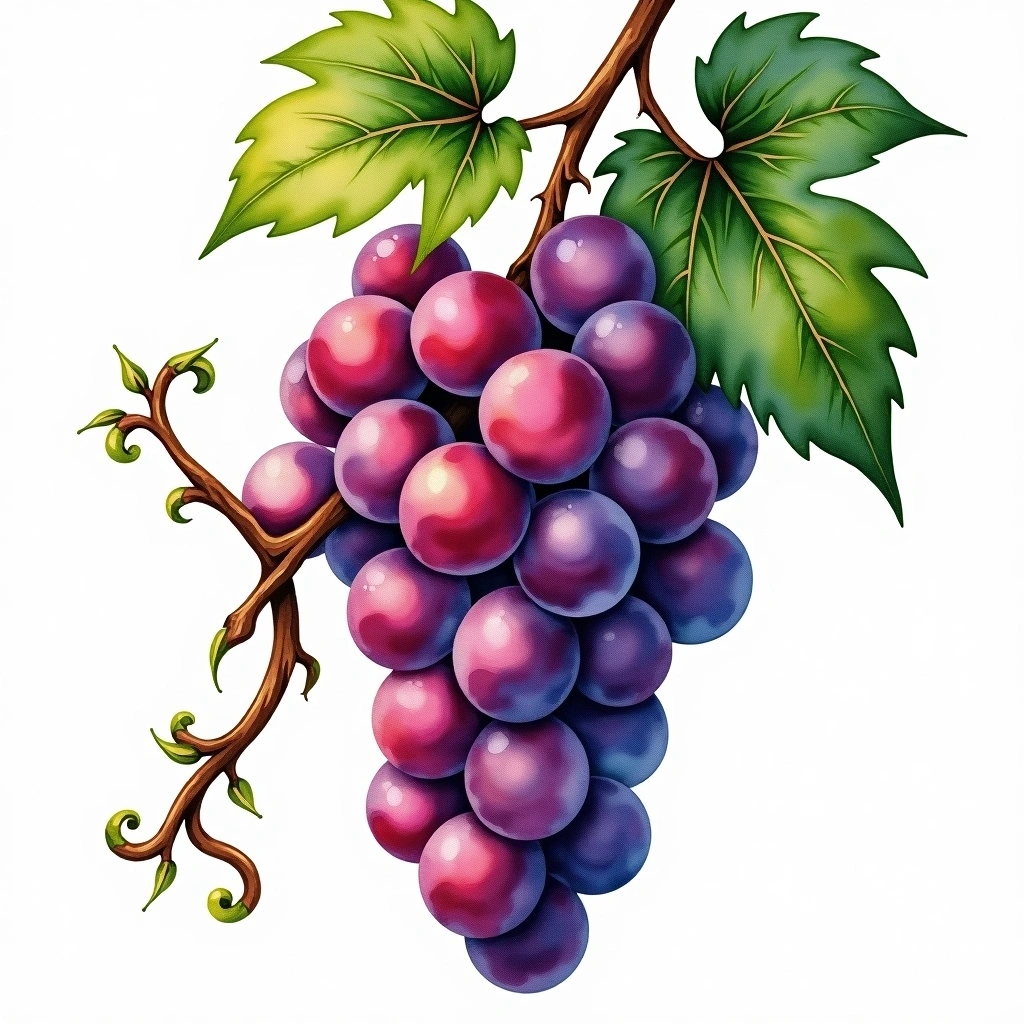 Barbera
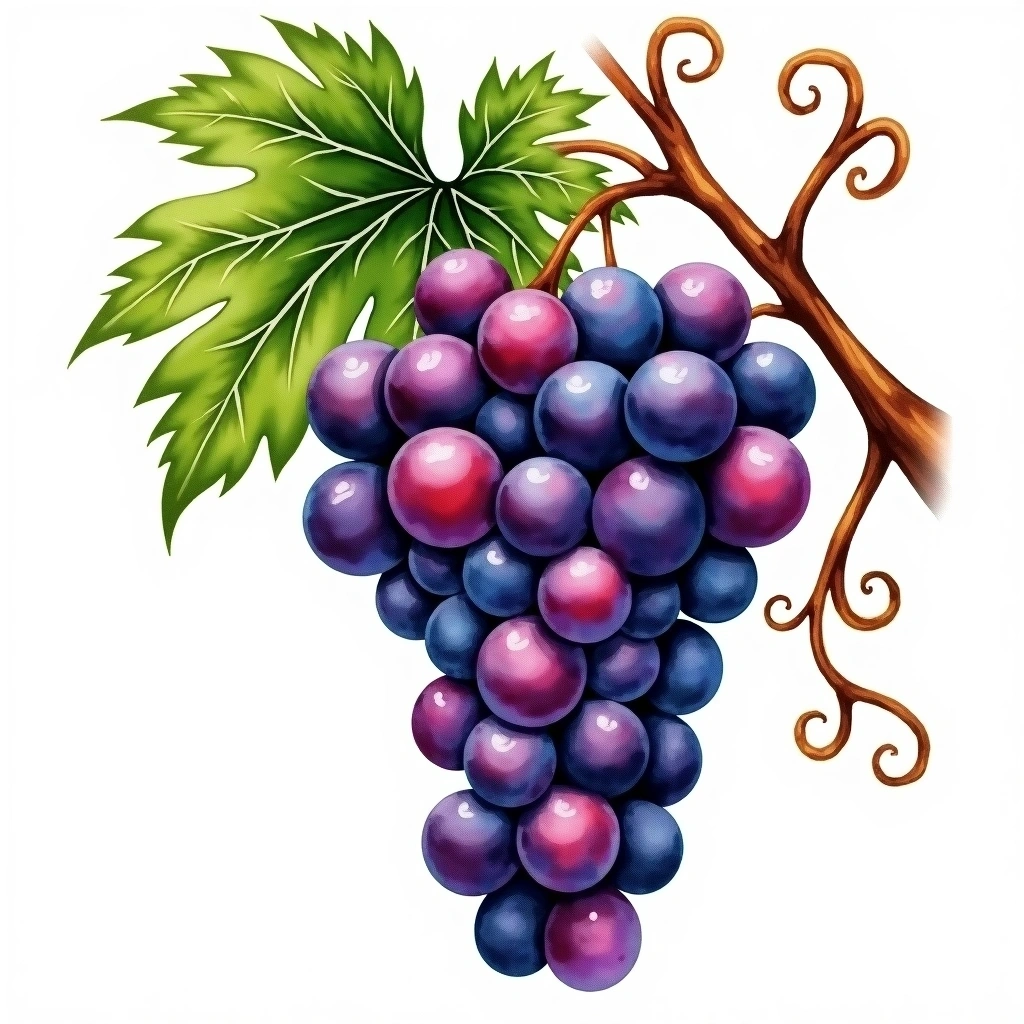 Cabernet Sauvignon
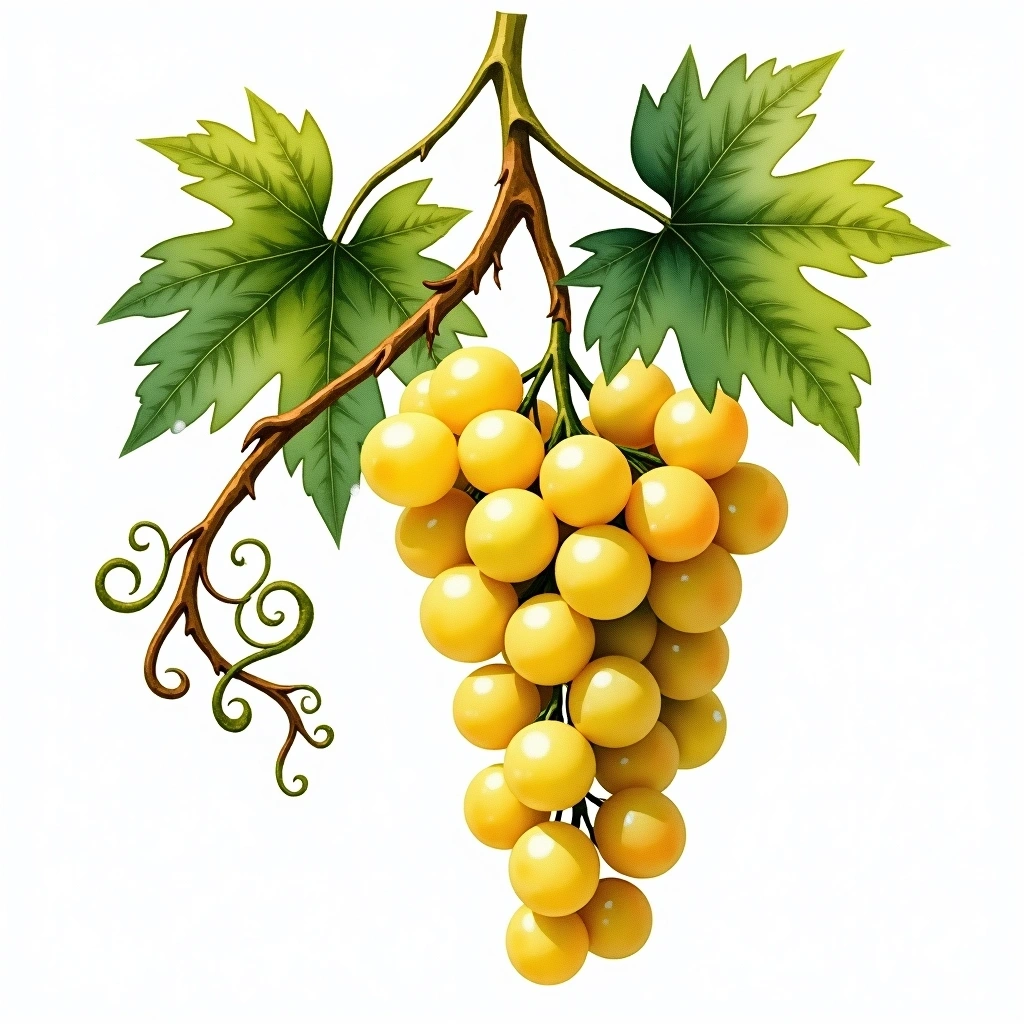 Chardonnay
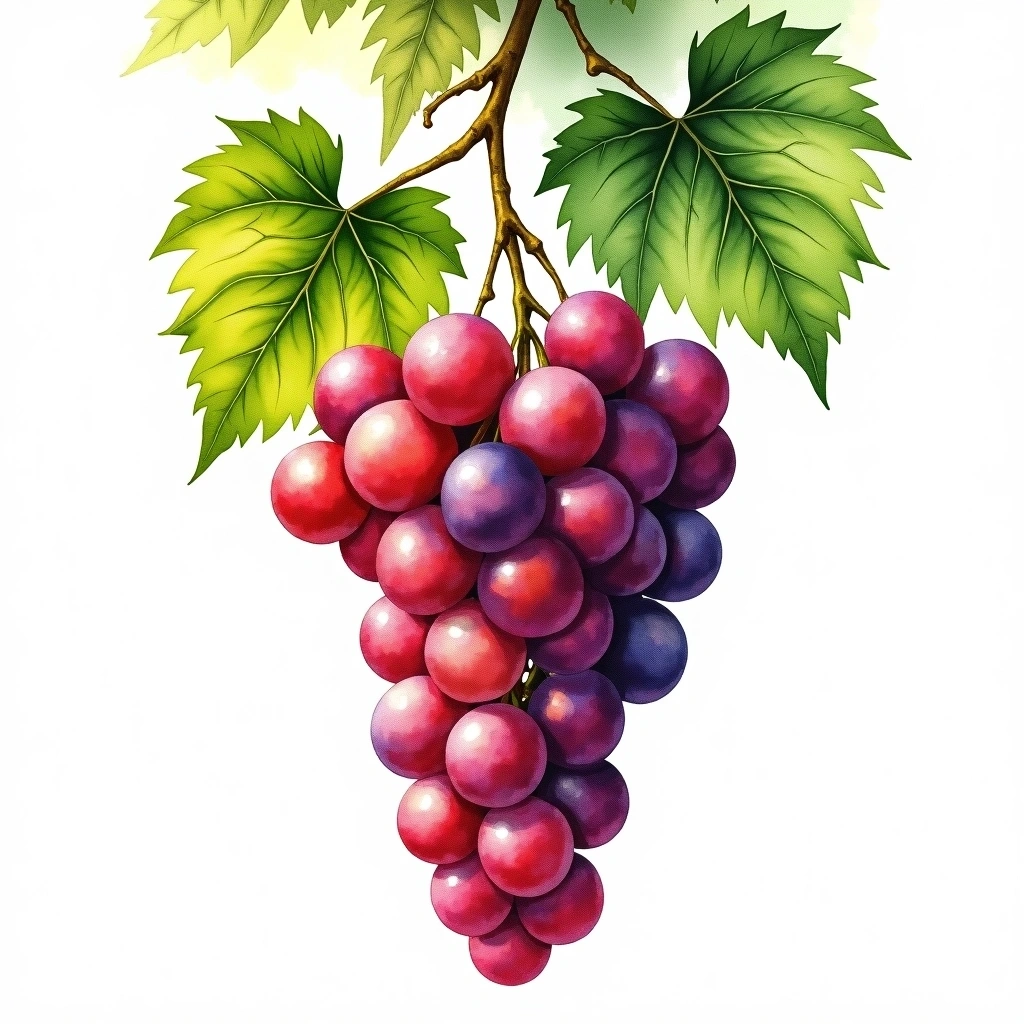 Nebbiolo
 Pinot Noir
 Syrah/Shiraz
 Bold Red
 Elegant Red
 Medium Red
 Port Style
 Rich White