Understanding Wine Ratings and Critics
Demystify the world of wine scores and critics, from the 100-point scale to natural wine advocates, and learn how to use ratings as a starting point rather than a final verdict.
Understanding Wine Ratings and Critics
Few aspects of wine culture generate as much passion — and as much confusion — as numerical scores and the critics who assign them. A 97-point rating can send a wine's price into the stratosphere overnight. A lukewarm 88 can doom a producer's season. Yet many experienced drinkers treat scores with casual indifference, preferring to trust their own Palate above all external authority.
The truth lies somewhere in between. Wine ratings are genuinely useful tools when understood correctly. This guide explains how the major rating systems work, who the influential critics are, and how to integrate scores into your wine buying without surrendering your own judgment.
The 100-Point Scale: Origins and Logic
The 100-point scale was popularized by American wine writer Robert Parker in the 1970s and 1980s. Parker modeled it on the American academic grading system, reasoning that consumers would find it more intuitive than the traditional European 20-point scale. The scale runs from 50 to 100 in practice — a wine scoring below 50 would be genuinely undrinkable, so the effective range is compressed into the top half.
The broad tiers work roughly as follows:
- 95–100: Extraordinary. A profound wine with exceptional Complexity, flawless Balance, and a long, memorable Finish. These wines are historically significant and often priced accordingly.
- 90–94: Outstanding. Shows superior character and style, highly recommended for both drinking and collecting.
- 85–89: Very good. A wine with special qualities that delivers genuine pleasure.
- 80–84: Good. A solidly made, correct wine without major flaws or distinction.
- Below 80: Below average to poor. Not recommended.
Within each tier, individual points carry enormous market weight. The difference between an 89 and a 90 can mean hundreds of dollars in price increase for a collectible wine — a fact that reflects the irrationality of the market more than any actual sensory difference between two wines separated by a single point on a subjective scale.
How Professional Tastings Work
The most rigorous critical tastings are conducted Blind Tasting — the taster does not know the producer, Vintage, or price point. Blind conditions eliminate the powerful psychological biases that inevitably accompany known labels. When tasters know they are drinking a prestigious Napa Valley Cabernet Sauvignon from a celebrated producer, they are cognitively primed for greatness before the wine reaches their lips. Blind, that same bottle must justify itself on merit alone.
Research in sensory science consistently confirms the scale of label bias. Studies have found that informing tasters they are drinking an expensive wine significantly increases their reported enjoyment of the identical wine presented as inexpensive. Blind conditions are the best available corrective for this deeply human tendency.
Many critics also conduct Vertical Tasting — assessing multiple vintages of the same wine side by side. This reveals how a wine evolves across years, which styles are most age-worthy, and how sensitive a specific producer is to year-to-year variation in growing conditions.
Critics taste in various formats. Some use flights organized by appellation or grape variety, allowing direct comparison within a class. Others taste wines individually in isolation, arguing that comparative tasting can unfairly disadvantage wines of unusual style. Each approach has trade-offs. Comparative tasting reveals relative quality clearly; individual tasting allows deeper focus on each wine's character.
The physical conditions of tasting matter more than is often acknowledged. Lighting, temperature, glass shape, tasting sequence, and even the time of day affect sensory perception. Reputable critics are attentive to these variables, standardizing conditions as much as possible.
Major Critics and Publications
Wine Spectator is the world's largest wine publication by circulation. Its scoring panel assesses tens of thousands of wines annually. Critics specialize by region, which allows genuine depth — the Burgundy critic covers Burgundy exclusively, building knowledge over decades. Wine Spectator's annual "Top 100" list functions as a cultural barometer of prestige and value, and wines that appear on it see significant commercial impact.
Robert Parker and Wine Advocate transformed global wine culture in ways that are difficult to overstate. Parker championed ripe, powerful styles — particularly in Bordeaux and Napa Valley — and his palate shaped the stylistic direction of winemaking worldwide for decades. Critics of "Parkerization" argue his influence homogenized wine toward a single rich, extracted archetype, discouraging producers who favored elegance and restraint. Wine Advocate continues under new ownership with a team of regional specialists who bring diverse palate profiles.
Jancis Robinson MW (Master of Wine) is one of the most respected voices in the British wine establishment. Robinson uses a 20-point scale rather than 100 points and is known for favoring elegance, precision, and Terroir expression over power and concentration. Her assessments of Burgundy, Mosel Riesling, and Piedmont Nebbiolo are particularly authoritative. Her Oxford Companion to Wine remains the definitive reference for serious wine study.
Vinous was founded by Antonio Galloni, a former Wine Advocate writer. The publication uses the 100-point scale and covers classic European regions with exceptional depth, particularly Burgundy, Bordeaux, and Italian wines. Vinous is known for detailed prose notes that complement the numerical scores.
Decanter is the leading British wine magazine and runs the Decanter World Wine Awards, one of the largest and most geographically diverse wine competitions globally. Its regional-specialist reviewers cover areas that larger American publications sometimes address less thoroughly.
Wine Enthusiast covers a broad range of regions and price points with an emphasis on value discovery. Its "Wine Star Awards" and "Top 100 Best Buys" lists specifically target readers seeking quality at accessible price points.
Regional Specialist Critics
For specific regions, specialist critics often carry more weight than generalists. This reflects a fundamental truth: deep regional knowledge accumulates over decades and cannot be replicated by broader coverage.
Mosel and German Riesling: Stuart Pigott and David Schildknecht have built careers around intimate knowledge of German wine. Their notes on specific producers and sites carry authority that no generalist can match.
Burgundy and Pinot Noir: Allen Meadows, who writes under the Burghound moniker, is a near-cult figure among serious Burgundy collectors. His extremely detailed producer and vintage assessments are widely considered the most authoritative available for the region.
Italy: Ian d'Agata's encyclopedic knowledge of indigenous Italian grapes and regions is unmatched. His writing covers producers and appellations that never appear in mainstream publications.
When buying wines from a specific region, particularly for significant purchases, seeking out the relevant specialist is usually more valuable than consulting a generalist publication's brief note.
Emerging Critics and Digital Voices
The authority of traditional print publications has been challenged by the rise of digital wine communities. Platforms like CellarTracker aggregate community tasting notes from thousands of users, providing crowdsourced data on wine performance at specific points in its development. While no individual note carries a professional critic's authority, thousands of collective data points can reveal patterns that single-critic assessments miss.
Wine Instagram and YouTube have produced a new generation of communicators whose reach rivals traditional publications. The best of these voices bring genuine expertise and distinctive perspective; the worst conflate enthusiasm with knowledge. Evaluating the quality of any wine voice — digital or traditional — requires understanding their experience and stylistic biases.
The Limits of Scores
Scores have genuine limitations that every buyer should understand before placing significant weight on them.
Subjectivity is irreducible. Wine tasting is a human sensory act filtered through individual physiology, cultural conditioning, and aesthetic preference. Critics disagree regularly and sometimes by significant margins. A wine that scores 96 at one publication may score 88 at another. Neither score is necessarily wrong — they reflect different palates and priorities.
Timing matters enormously. A wine assessed shortly after bottling may show Bottle Shock — a temporary disorganization of aromatics that makes it seem flat or disconnected. The same wine tasted six months later may be dramatically more expressive. Conversely, a wine tasted at or past its peak readiness will score differently than when assessed young and structured.
Style bias is unavoidable. Critics, despite their best professional efforts, have palate preferences shaped by their backgrounds and experiences. If you prefer lighter, more mineral-driven wines and a specific critic consistently rewards power and concentration, their high scores may reliably lead you toward bottles you will not enjoy. Identifying which critics share your aesthetic sensibility is as important as understanding their scoring systems.
Small production wines are systematically underrepresented. Publications assess many thousands of wines annually, but the universe of wine is vastly larger. Thousands of excellent small producers — family estates, natural wine producers, obscure regional specialists — never appear in major ratings simply because the economics of submission and review do not favor them. The absence of a score tells you nothing about quality.
How to Use Ratings Intelligently
The most sophisticated buyers use ratings as a first filter, not a final verdict. If a wine in your price range scores well from a critic whose preferences align with yours, it is worth investigating further — reading the note, researching the producer, perhaps finding a sample. But the score alone is never sufficient information.
Read the tasting note alongside the number. Descriptive language often tells you more than the number itself. A note that emphasizes power, extraction, and rich dark fruit may describe a wine that scores 93 but does not align with your preference for elegance. A 90-point note describing precision, mineral tension, and a long saline finish might describe exactly what you want regardless of the number.
Develop awareness of which critics align with your taste. Keep notes on wines you enjoy and look up their scores after the fact. Over time, you will identify whose palate most closely resembles yours.
Do not fetishize the 90-point threshold. Some of the best-value wines in any given vintage score in the 87–89 range — too low to generate significant hype, but genuinely delicious. The market irrationally overcrowds around round numbers, creating value opportunities just below the thresholds everyone watches.
Consider scores in the context of price. A 92-point wine at $20 is a remarkable value proposition; a 92-point wine at $200 is relatively ordinary within the competitive set of $200 wines. Publications that publish value-focused lists specifically address this relationship.
Finally, trust yourself. Ratings are inputs to your decision, not substitutes for your own experience. The more you taste and reflect honestly on what you enjoy, the less you will need external validation — and the more you will find that your own preferences are the only score that ultimately matters.
The Role of Community and Social Tasting
Beyond professional critics, community platforms offer a different but complementary form of wine evaluation. CellarTracker allows users to log tasting notes on any wine at any point in its development. When a wine accumulates hundreds of notes from serious drinkers over years, the collective data reveals patterns that single-critic assessments cannot: when a wine begins to drink well, when it peaks, when it starts declining.
This crowdsourced intelligence is particularly valuable for understanding aging curves of specific wines. A critic's assessment of a young Barolo gives you a snapshot; community notes spanning a decade of bottle openings show you the whole trajectory. For wines you plan to cellar seriously, consulting CellarTracker alongside professional scores gives you a richer and more actionable picture.
Wine communities on social platforms and enthusiast forums — eRobertParker.com's Wine Berserkers community, WineDiscussion, and specialist groups organized around specific regions — provide another layer of collective expertise. These communities often catch wines that professional critics overlook, particularly from small producers who cannot afford to submit to major publications.
Critics and the Natural Wine Movement
The rise of natural winemaking has created genuine tension with traditional rating systems. Natural wine prioritizes process — minimal intervention, indigenous yeasts, no added Sulfites — over conventional quality markers like concentration, clarity, and technical precision. Many natural wines show characteristics that traditional critics assess as faults: cloudiness, reductive notes, Volatile Acidity at the high end of tolerance, Mousy overtones.
Some critics have adapted thoughtfully, evaluating natural wines on their own terms and asking whether the unconventional characteristics are intentional and skillfully managed. Others continue applying conventional quality standards and systematically rate natural wines poorly, generating controversy and accusations of bias.
For buyers interested in natural wine, specialist publications like The World of Fine Wine, websites like Vinous Explore, and dedicated natural wine importers' newsletters offer more sympathetic and contextually appropriate guidance than mainstream ratings.
Building Your Own Rating System
Many serious wine drinkers eventually develop a personal shorthand for tracking their assessments. A simple 1–5 star system, a consistent set of descriptors, or even a straightforward "would buy again / worth the price / skip" categorization applied consistently provides useful personal data over time.
The key to any personal rating system is consistency — applying the same criteria to every wine so that your assessments are comparable across time. Note the wine, Vintage, and occasion alongside your rating. Review your notes periodically to identify patterns: Do you consistently prefer certain regions? Does your rating of a wine change between the first glass and the third? These patterns reveal your actual preferences with more accuracy than any external guide.
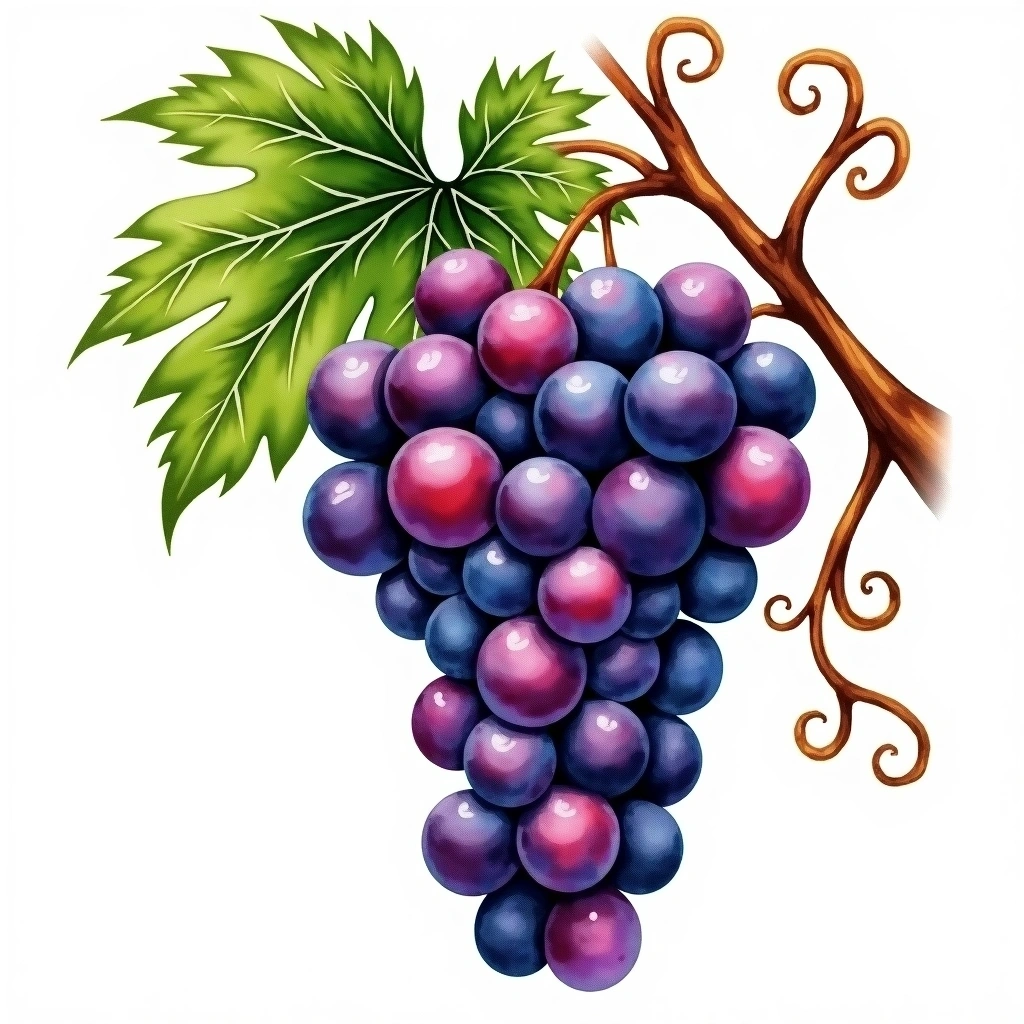 Cabernet Sauvignon
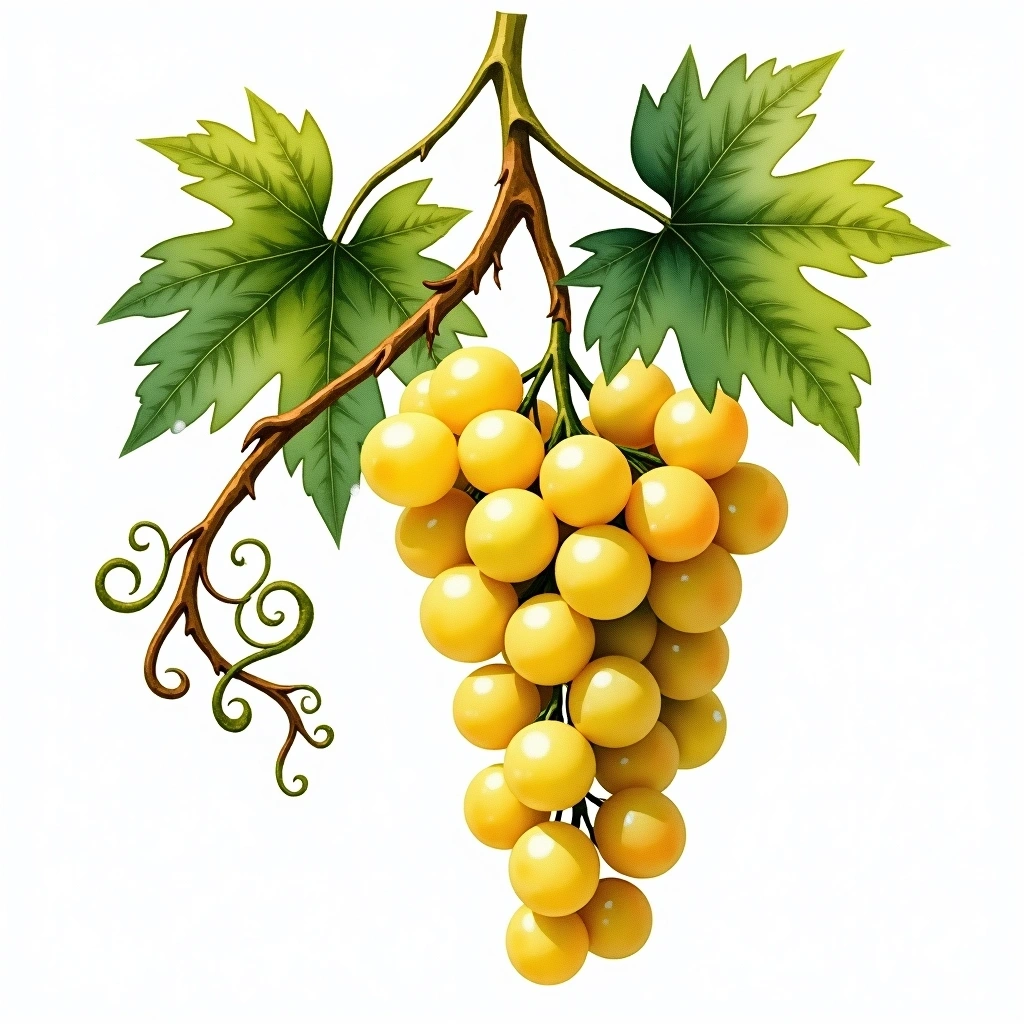 Chardonnay
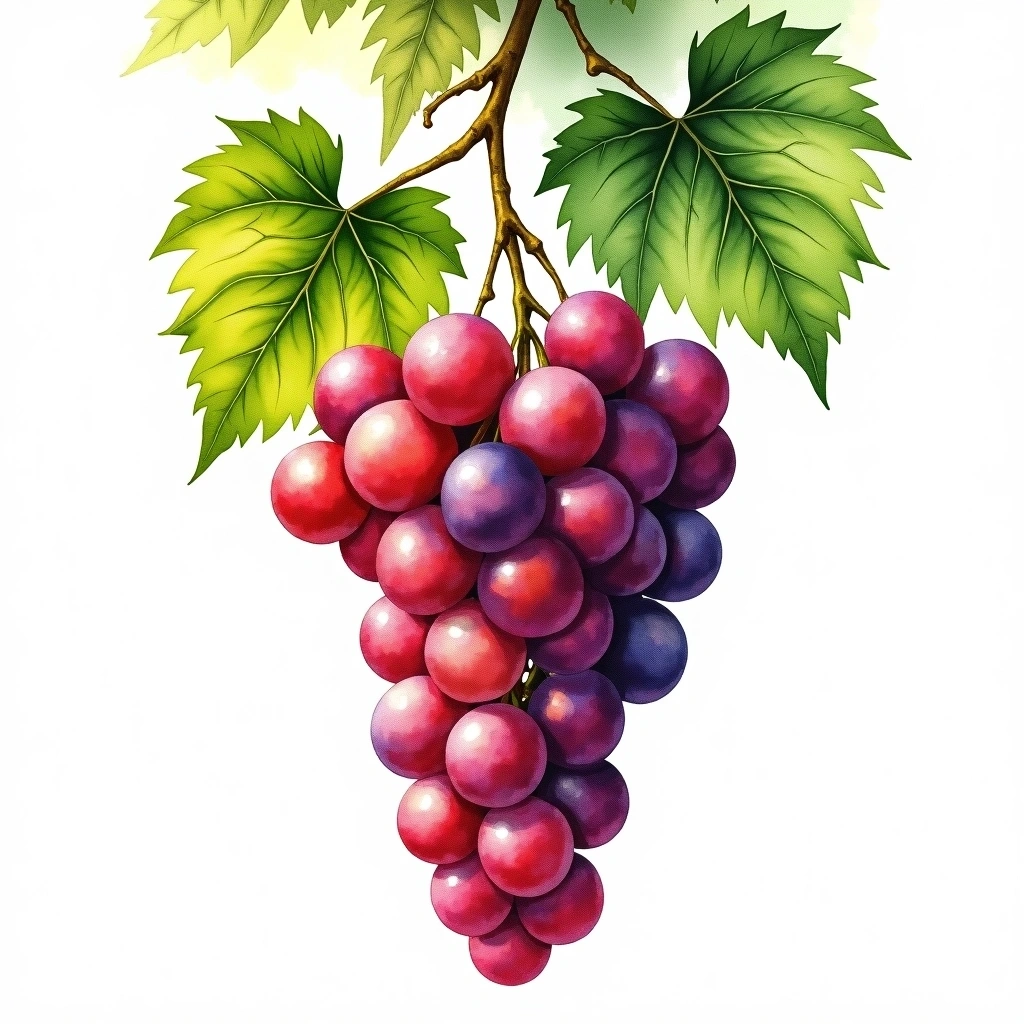 Nebbiolo
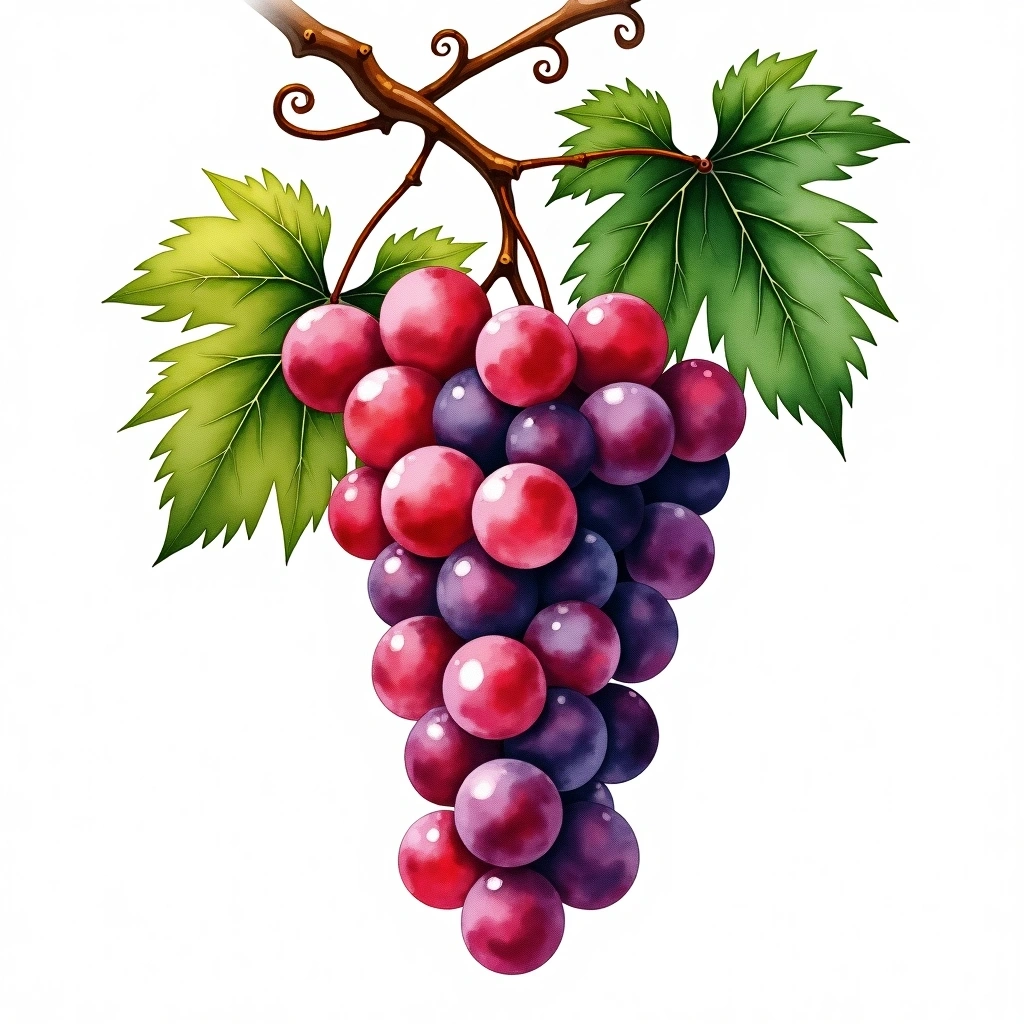 Pinot Noir
 Riesling
 Bold Red
 Elegant Red
 Rich White