Wine Investment 101: Getting Started
A practical introduction to wine as an alternative asset class, covering the fundamental concepts, key markets, and first steps every new wine investor needs to understand before committing capital.
Wine as an Alternative Investment
Over the past three decades, fine wine has established itself as one of the most compelling alternative asset classes available to private investors. Unlike stocks or bonds, wine is a tangible asset that you can store, enjoy, and — if you choose wisely — sell at a significant profit. The Liv-ex Fine Wine 1000 index, which tracks secondary market prices across the world's most traded wines, has historically delivered returns that rival major equity markets, with the added benefit of low correlation to financial markets during periods of stress.
But wine investing is not passive. It requires knowledge, patience, discipline, and the right infrastructure. This guide covers everything you need to understand before putting your first pound, dollar, or euro into a case of Bordeaux First Growth.
Why Wine Appreciates in Value
The economic logic of wine investment is straightforward: production is fixed and demand grows.
When Chateau Lafite Rothschild releases its 2022 Vintage, that is the total supply of 2022 Lafite that will ever exist. Every bottle consumed reduces the available inventory permanently. Meanwhile, global demand for rare wines has expanded dramatically as new wealth has emerged in Asia, the United States, and beyond. This supply destruction paired with growing demand is the engine that drives appreciation.
Several additional factors reinforce long-term price growth:
Critic scores and reputation. A high score from an influential critic — Robert Parker, Antonio Galloni, Jancis Robinson — can shift demand overnight. Wines that receive exceptional scores across multiple publications become must-have collectibles.
Provenance and storage history. A bottle stored at perfect conditions in a bonded warehouse commands a premium over one that has lived under a kitchen sink. Documented, impeccable provenance is a core value driver.
Scarcity at the top. The finest wines are produced in tiny quantities. A Grand Cru Burgundy from a celebrated Domaine might release fewer than 2,000 bottles worldwide. When demand from collectors, restaurants, and investors all compete for the same finite pool, prices rise.
Emotional and cultural value. Fine wine exists at the intersection of agriculture, art, history, and gastronomy. That cultural cachet supports prices in ways that purely utilitarian commodities cannot replicate.
The Investment-Grade Wine Tier
Not all wine appreciates. The vast majority of the world's wine is meant to be consumed within a few years of production and will never be worth more than its release price. Investment-grade wine represents a small, well-defined segment.
The core investment categories are:
Bordeaux First and Second Growths. The Cru Classé classification system — particularly the 1855 classification for the Medoc — created a hierarchy that has proven remarkably durable. The five First Growths (Lafite Rothschild, Latour, Margaux, Haut-Brion, Mouton Rothschild) remain the blue-chip center of the wine investment market. Cabernet Sauvignon dominates the Left Bank blends that define this category.
Right Bank icons. Petrus, Le Pin, Cheval Blanc, and Ausone command extraordinary prices driven by scarcity and critical acclaim. Merlot and Cabernet Franc are the key varieties here.
Burgundy Grand Cru. Bourgogne's top tier — Romanee-Conti, La Tache, Chambertin — is powered by Pinot Noir grown in tiny, precisely demarcated plots. Genuine scarcity and a devoted global collector base have pushed prices to historic highs.
Champagne prestige cuvees. Krug, Dom Perignon, Cristal, and similar Champagne prestige offerings from top houses age beautifully and trade actively on the secondary market.
Italian collectibles. Sassicaia, Ornellaia, Barolo from top Piemonte producers, and Super Tuscans have built strong investment track records over the past two decades.
Cult California. Screaming Eagle, Harlan Estate, and a handful of other Napa producers have achieved collector status with limited releases and exceptional scores.
Understanding the Market Structure
The wine investment market operates through several parallel channels:
Auction houses. Christie's, Sotheby's, Hart Davis Hart, Zachys, and Acker Merrall & Condit are the most prominent. Auctions establish transparent market prices and are where the finest and rarest bottles change hands. Buyer's premiums typically range from 15 to 25 percent of the hammer price.
Merchant markets. Fine wine merchants — Berry Bros & Rudd, Justerini & Brooks, Farr Vintners, Bordeaux Index — buy and sell from inventory and act as intermediaries. They offer convenience but margins are wider than pure auction markets.
The Liv-ex exchange. The London International Vintners Exchange operates as a professional trading platform for the wine trade. It publishes price indices that have become the industry benchmark and enables merchants to trade with each other efficiently.
Online platforms. WineBid, Cellartracker, and Vivino all facilitate peer-to-peer and merchant transactions, though liquidity varies significantly by wine.
Key Risks Every Beginner Must Understand
Wine investment carries risks that traditional assets do not:
Illiquidity. You cannot sell a case of wine in seconds. Finding a buyer, arranging collection or delivery, and completing a transaction typically takes weeks. In a financial emergency, wine is not a quick source of cash.
Storage costs. Investment-grade wine must be stored in temperature-controlled, humidity-stable facilities. Professional bonded warehouse storage typically costs £10–20 per case per year in the UK. Over a decade, this adds up.
Authentication and fraud. Wine fraud is a real and persistent problem. Counterfeit bottles of Petrus, DRC, and other trophy wines have entered the market. Buying only from reputable merchants and auction houses with strong provenance standards is essential. See our dedicated guide on Ullage inspection and fraud detection.
Fragility. Corks fail, temperature spikes damage wine, and earthquakes break bottles. Insurance is non-negotiable for any serious collection.
Market concentration. The investment wine market is highly concentrated. A handful of producers and regions drive the majority of liquidity. If sentiment shifts away from Bordeaux, for example, prices across the whole category can fall.
Vintage risk. Not every year produces great wine. A poor vintage in Bordeaux can mean that wines released at high prices fail to appreciate and must eventually be consumed rather than sold.
Your First Steps
Before you invest a single penny, do the following:
-
Educate yourself. Read this entire guide series. Understand the regions, producers, and vintages that matter. Know what En Primeur means before you participate in a futures campaign.
-
Establish a budget. Decide how much of your overall investment portfolio wine should represent. Most financial advisors suggest alternative assets — including wine — should not exceed 5–10 percent of a total portfolio.
-
Choose a reputable entry point. For most beginners, buying investment-grade wine through an established merchant with proper storage and provenance documentation is the safest start. Auction houses require more expertise to navigate safely.
-
Arrange proper storage immediately. Never store investment wine at home unless you have a professional-grade cellar. Use a bonded warehouse from day one.
-
Think in decades, not months. The most successful wine investors are patient. The best returns typically come from wines held for 10–20 years, not flipped after a single score upgrade.
Wine investment rewards expertise, patience, and discipline. Start slowly, build your knowledge base, and never invest more than you are prepared to lose — or drink.
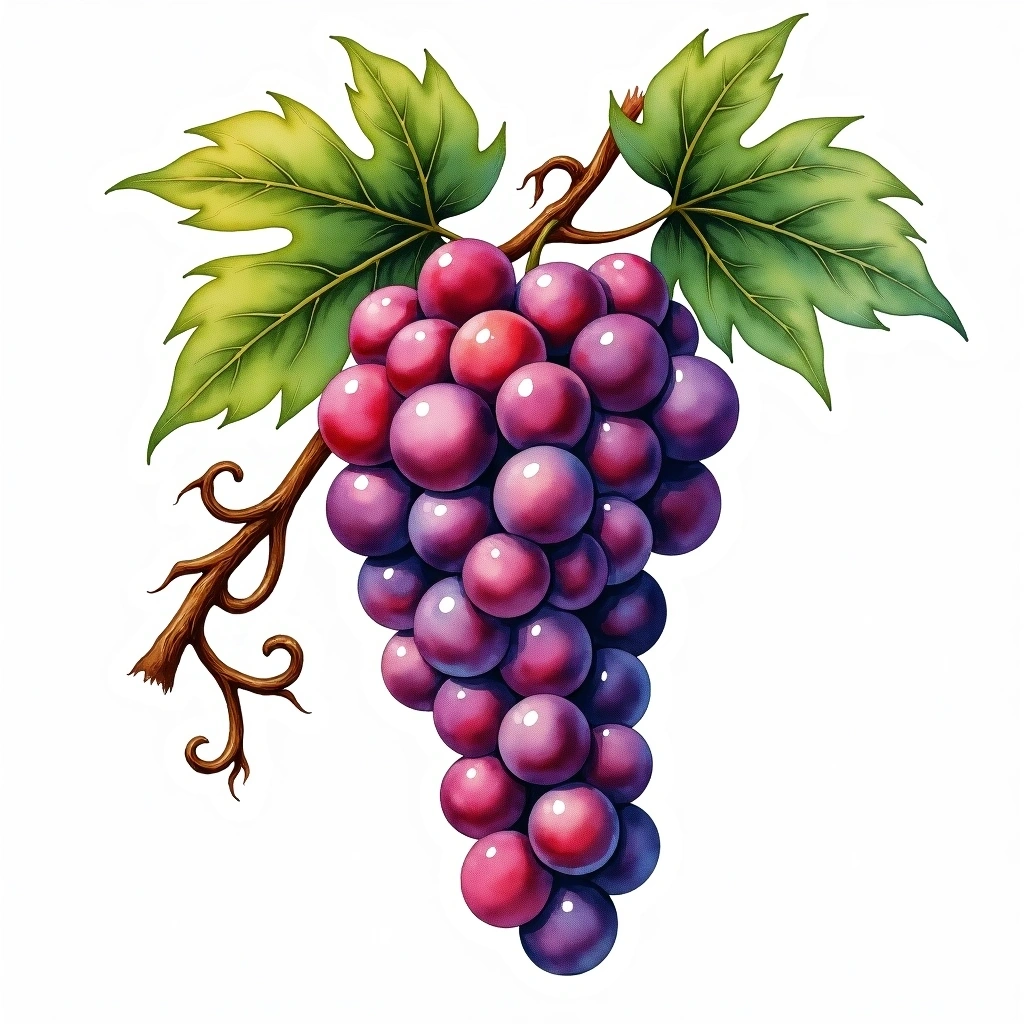 Cabernet Franc
 Cabernet Sauvignon
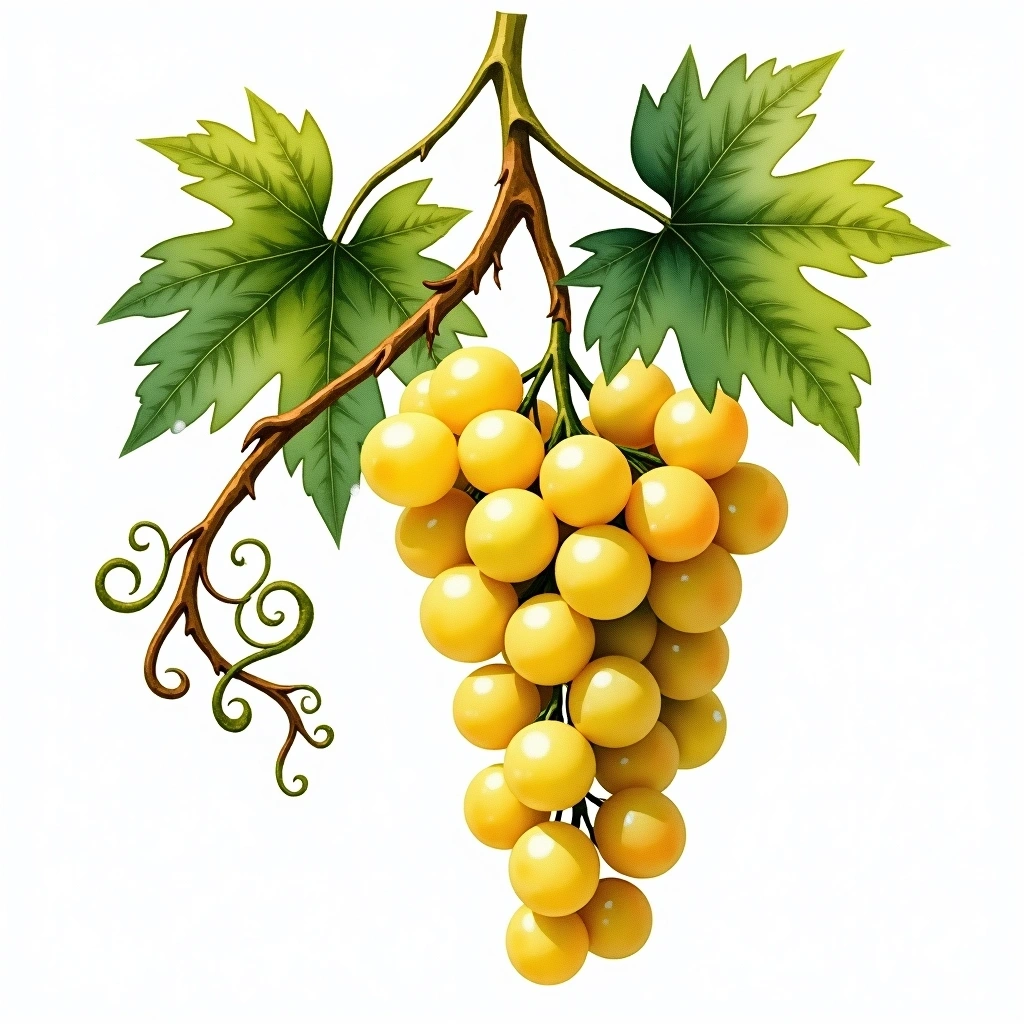 Chardonnay
 Pinot Noir
 Bold Red
 Elegant Red
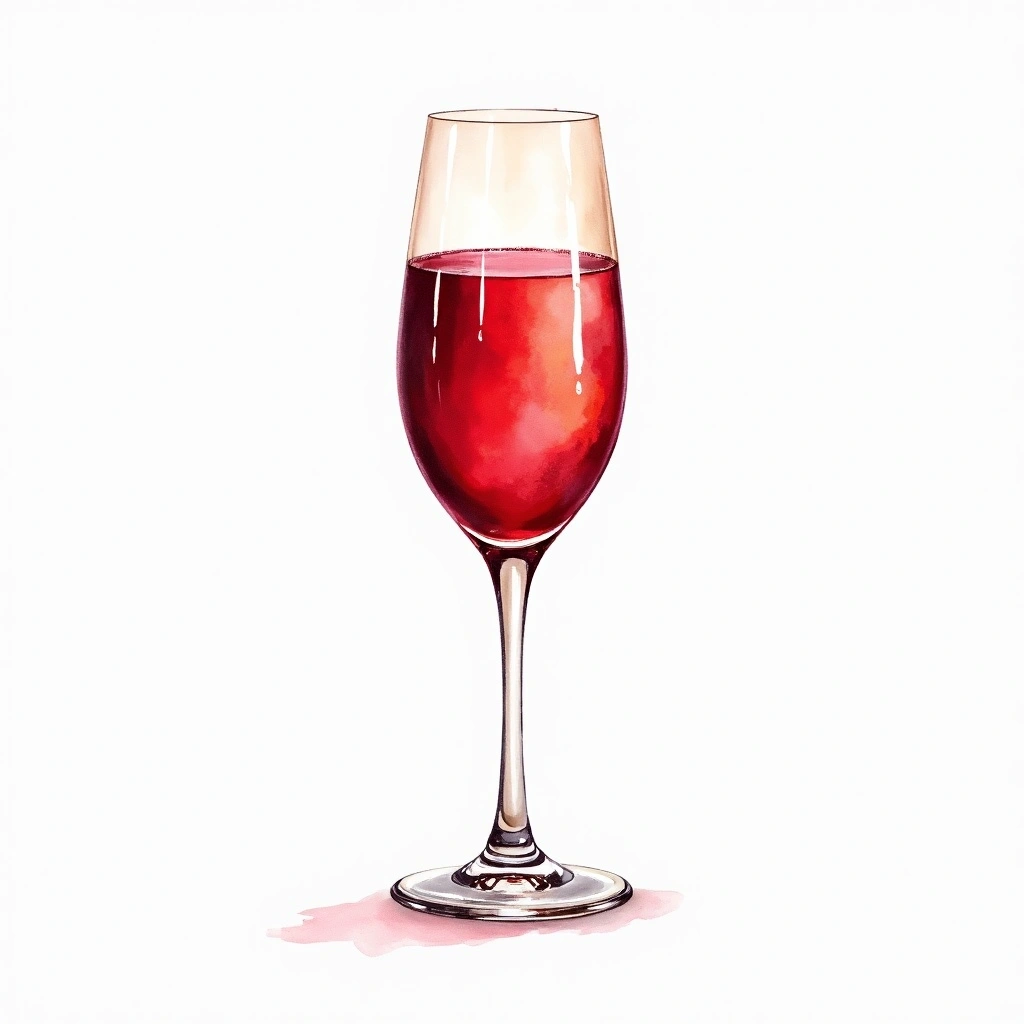 Traditional Method Sparkling