Burgundy: Terroir-Driven Perfection
An exploration of Burgundy's unique terroir philosophy, the Cote d'Or's grand cru and premier cru hierarchy, the dominance of Pinot Noir and Chardonnay, and why a few rows of vines can make all the difference.
The Philosophy of Place
If Bordeaux asks "which blend produces the finest wine?", Bourgogne asks a more radical question: "which patch of earth?" Burgundy's entire winemaking culture rests on the concept that specific plots of land — called Climats — have distinct personalities that express themselves through the wine, regardless of who makes it. This is Terroir pushed to its most extreme and influential form.
A single vineyard in Burgundy can be divided among dozens of different owners, each making wine from the same plot. The differences between them tell you about the winemaker. The common thread — the voice of the land itself — is what Burgundians believe no winemaker can entirely manufacture or override. This philosophy has shaped not just Burgundy but every wine-producing region in the world that aspires to "place-based" identity.
Geography: The Golden Slope
Burgundy stretches roughly 300 kilometres from Chablis in the north (a subregion of its own) to Beaujolais in the south. The heart of the region is the Cote d'Or ("Golden Slope"), a narrow limestone escarpment running through the communes of Gevrey-Chambertin, Chambolle-Musigny, Vosne-Romanee, Nuits-Saint-Georges (the Cote de Nuits) and Meursault, Puligny-Montrachet, Chassagne-Montrachet (the Cote de Beaune).
The slope faces east to southeast, capturing morning sun while sheltering vines from western storms. The altitude sits between 250 and 400 metres, cool enough to preserve Acidity and aromatic delicacy. The soils are a complex layering of Jurassic limestone and clay — the limestone drains well and stresses the vine (limiting Yield), while the clay retains just enough moisture to prevent drought stress.
What makes the Cote d'Or special is how small changes in elevation, slope angle, and soil composition translate into measurably different wine. Moving 50 metres up or down the slope can mean the difference between a village wine and a grand cru. This is not marketing mythology — it is a reality that has been documented by geologists, confirmed by comparative tastings, and ratified by eight centuries of winemaking observation.
The Classification Hierarchy
Burgundy's classification runs from the most general to the most specific, with each step up representing a higher presumption of quality and (usually) a higher price.
Regional and Village Appellations
At the base, wines labelled simply Bourgogne or Bourgogne Rouge/Blanc can come from grapes grown anywhere in the region. The next step up is the village Appellation: wines labelled with a commune name (Gevrey-Chambertin, Meursault, Chablis) come from vines within that commune's boundaries. Village wines are typically approachable in 3-8 years.
Premier Cru
The first named-vineyard tier. A Premier Cru designation means the wine comes from a specific, historically recognised vineyard plot within the village. The label will read, for example, "Meursault Premier Cru Les Charmes." There are around 640 premier cru vineyards in Burgundy. Quality is considerably more consistent than at the village level, and most premier crus can age comfortably for 10-20 years.
Grand Cru
The apex. There are only 33 grand cru vineyards in all of Burgundy, covering a tiny fraction of the total planted area. These sites — Les Montrachet, Chambertin, Musigny, Romanee-Conti, La Tache, Clos de Vougeot, and a handful of others — have been identified as the finest pieces of land in the region since medieval times. Grand cru wines carry only the vineyard name on the label, not the village name. They demand patience: most need at least 10-15 years, and the greatest can age for 50 years or more.
The Two Grapes
Burgundy is unusual among great wine regions in that two grape varieties account for almost the entire production.
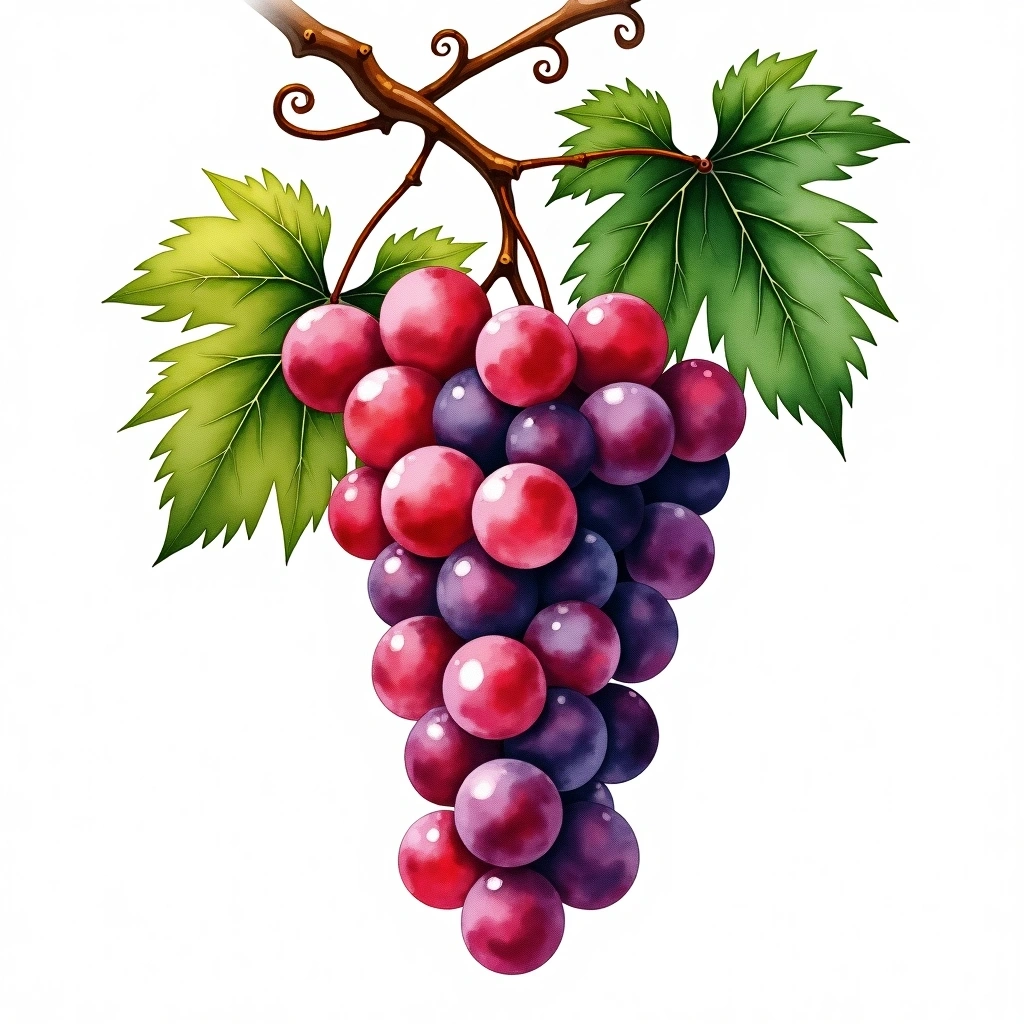
Pinot Noir produces all of Burgundy's great red wines. It is a thin-skinned, low-tannin grape that requires a cool climate to preserve its naturally high Acidity and aromatics. At its best, Burgundian Pinot Noir offers a captivating combination of red fruit (cherry, raspberry, strawberry), earthy forest floor notes, mushroom, dried roses, and — in aged examples — extraordinary complexity: leather, game, incense, iron. The finest grand crus achieve a transparency that allows the Terroir to speak with almost painful clarity.
Winemaking choices are pivotal. The debate over Whole Cluster fermentation (including stems) versus destemmed fruit divides the region's producers. Whole-cluster advocates argue stems add structure and aromatic complexity; critics say poorly ripened stems introduce herbaceous bitterness. Most great domaines use a proportion of whole clusters, adjusting by vintage.
Chardonnay is the white grape of Burgundy. It is one of the most versatile grapes in the world — not particularly aromatic, it acts as a canvas for both terroir and winemaking technique. In cool-climate Chablis, it produces searingly mineral, high-acid whites with oyster-shell salinity. In the Cote de Beaune, it gains richness and complexity, particularly in Meursault (hazelnuts, butter, white flowers) and Puligny-Montrachet (citrus, flint, extraordinary tension). Aging on the Lees (Sur Lie) adds creaminess, weight, and longevity.
Gamay Noir covers Beaujolais to the south, technically a separate region though historically part of the Burgundy family. Its Cru Beaujolais wines from villages like Moulin-a-Vent, Morgon, and Fleurie can be serious, age-worthy reds that challenge assumptions about the grape.
Key Domaines and Negociants
The Burgundy trade is split between Domaines (estate producers who grow their own grapes) and Négociants (merchants who buy grapes or wine and blend/bottle under their own label). The best domaines are celebrated worldwide:
- Domaine de la Romanee-Conti (DRC) — Vosne-Romanee; monopole ownership of Romanee-Conti and La Tache; the most expensive wines in the world on a per-bottle average
- Domaine Leflaive — Puligny-Montrachet; the benchmark for white Burgundy; biodynamic farming
- Domaine Rousseau — Gevrey-Chambertin; the reference for Chambertin; multi-generation estate
- Domaine Meo-Camuzet — Vosne-Romanee; grand and premier cru specialist; outstanding consistency
- Domaine Dujac — Morey-Saint-Denis; famous for whole-cluster approach and elegant style
- Domaine Ramonet — Chassagne-Montrachet; legendary old-vine white Burgundy
- Maison Louis Jadot — negociant with excellent estate holdings; reliable across all price points
The negociant system is important for buyers. Unlike in Bordeaux, where the negociant typically sells chateau-bottled wine, Burgundy negociants historically blended wines from many growers. Quality varies enormously; the best (Jadot, Drouhin, Faiveley) are exemplary, while the worst have historically diluted the region's reputation.
Vintages
Burgundy's cool climate makes vintage variation more dramatic than in warmer regions. Rain during harvest and heat stress during the growing season create wide swings in quality from year to year.
| Vintage | Red | White | Character |
|---|---|---|---|
| 2012 | Excellent | Excellent | Small crop, concentrated; underrated |
| 2014 | Great | Outstanding | Fresher style; long-lived whites |
| 2015 | Outstanding | Very Good | Warm, ripe; structured reds |
| 2016 | Outstanding | Good | Frost reduced quantity; great quality |
| 2017 | Very Good | Very Good | Charming, earlier-drinking |
| 2019 | Great | Outstanding | Warm reds, exceptional whites |
| 2020 | Outstanding | Outstanding | Concentrated, opulent; historic vintage |
| 2022 | Excellent | Very Good | Drought stress added concentration |
The 2020 vintage is widely regarded as one of the finest of the century for both colors, though output was small due to frost and hail. Prices reflect the scarcity.
Food Pairings
Burgundy's moderate weight and high natural Acidity make it one of the most versatile food wines in the world.
- Red Burgundy (Pinot Noir): Roast chicken (the classic pairing), duck a l'orange, rabbit, mushroom risotto, salmon en croute, aged Epoisses and Comte cheese
- White Burgundy (Chardonnay): Butter-poached lobster, scallops, roast turbot, cream-based sauces, truffle dishes, hard Alpine cheeses
- Chablis: Oysters, clams, raw seafood, sushi — the mineral salinity creates a remarkable synergy
Avoid pairing fine old Burgundy with anything that competes with its delicacy: heavily spiced dishes, raw onion, or very powerful blue cheeses will overwhelm rather than complement.
Navigating the Market
Burgundy's combination of tiny production volumes, global demand, and celebrity domaine names has driven prices to extremes. DRC grand crus fetch thousands per bottle; other grand crus from less famous producers cost hundreds. But the region's genius is that the hierarchy genuinely tracks quality — village wines from skilled producers consistently over-deliver relative to their price. Investing time in learning the less-famous villages (Monthélie, Auxey-Duresses, Saint-Aubin, Marsannay) and trusted negociant ranges is the smartest strategy for the budget-conscious Burgundy lover.
Ultimately, the best introduction to Burgundy is a side-by-side tasting of the same producer's village, premier cru, and grand cru wines in a good vintage. The progression from good to great to extraordinary, all within the same winemaking philosophy, illuminates why Terroir Expression is not an abstract concept here — it is a measurable, tasting reality.
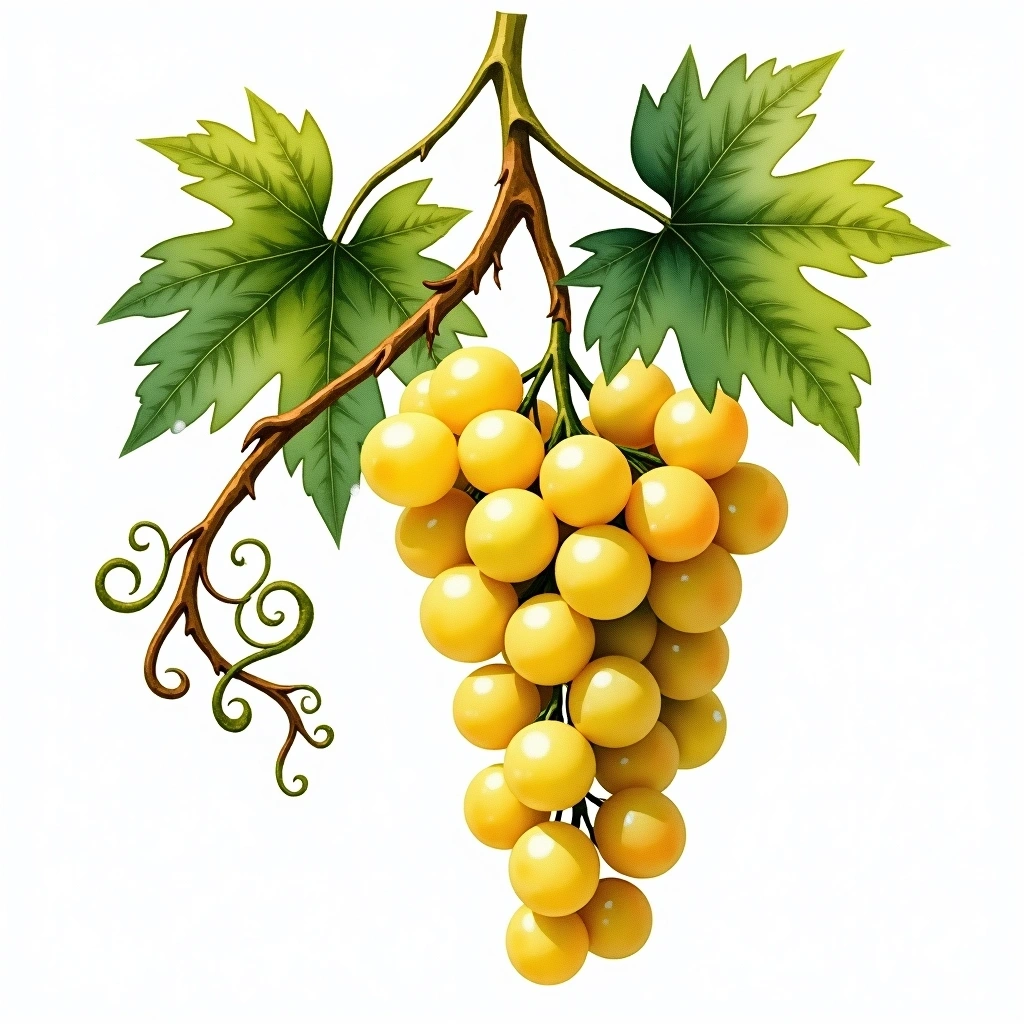 Chardonnay
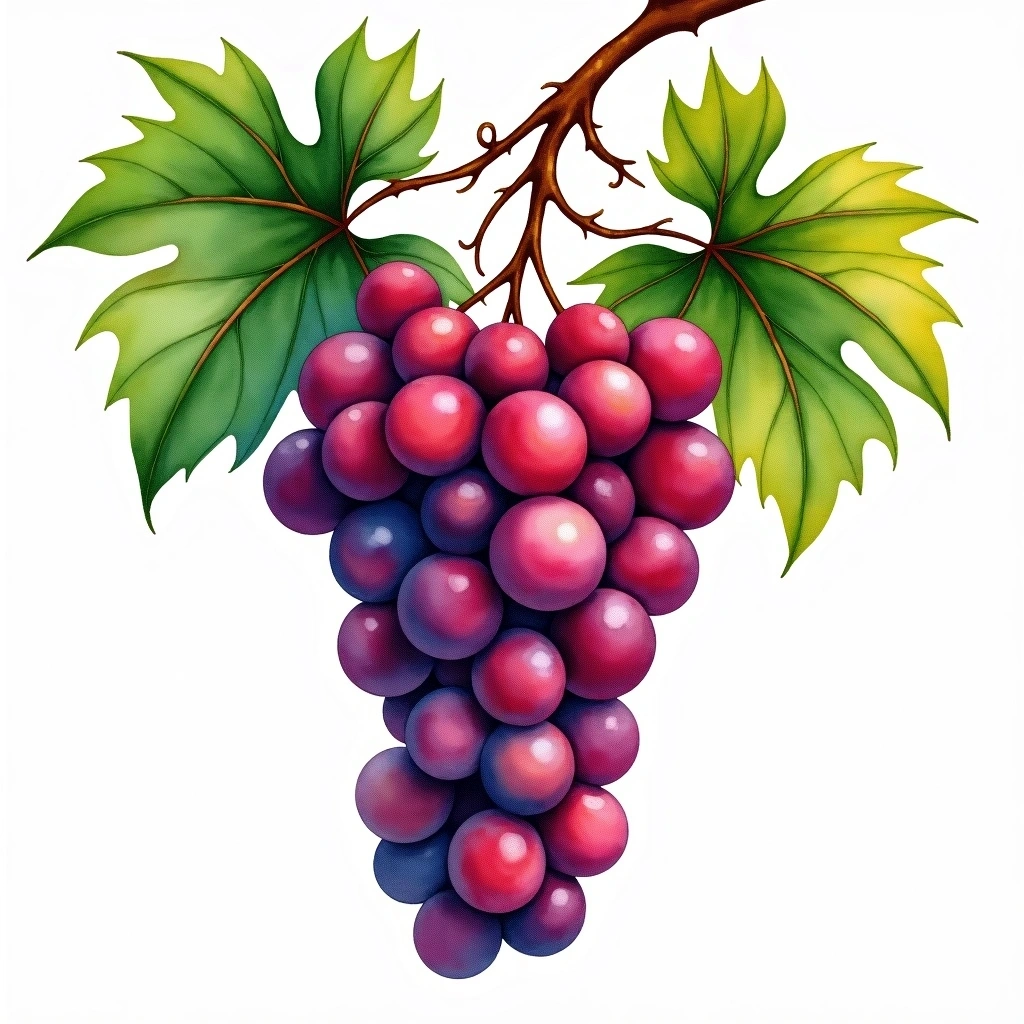 Gamay Noir
 Pinot Blanc
 Pinot Gris
 Pinot Noir
 Crisp White
 Elegant Red
 Light Red
 Rich White
 Traditional Method Sparkling