Greek Wine Legacy: Where Western Viticulture Began
Ancient Greece gave the Western world its wine culture — from the symposium to the sacred rites of Dionysus — and laid the viticultural foundations that Rome would later carry across Europe.
The Cradle of Western Wine
Long before Bordeaux produced its first classified growths and before Burgundy monks mapped their famous Terroir, it was the ancient Greeks who established the intellectual, religious, and agricultural framework through which Western civilization came to understand wine. Between roughly 800 BCE and 146 BCE, Greek viticulture reached a sophistication that would not be surpassed in Europe for nearly a thousand years, and its influence — transmitted through trade, colonization, and the writings of philosopher-naturalists — remains embedded in wine culture to this day.
To understand the Greek wine legacy, we must understand what wine meant in the ancient world. It was not merely a beverage but a technology, a theology, and a social institution all at once. The Greeks consumed wine diluted with water, regarding the drinking of undiluted wine as a mark of barbarism. They stored it in sealed Amphora jars, traded it across the Mediterranean basin, and embedded it at the center of their most important ritual and intellectual gatherings.
Dionysus and the Sacred Vine
No deity in the Greek pantheon touches wine culture more directly than Dionysus — god of wine, ecstasy, fertility, and theater. His mythology is ancient and complex, with roots that predate the classical period by centuries. In the Homeric epics, wine is the drink of heroes and gods alike, but it is Dionysus who personifies wine's dual nature: its capacity to bring communities together in celebration and its power to strip away rational restraint.
The cult of Dionysus was widespread across the Greek world and was celebrated through festivals — most notably the City Dionysia in Athens — that involved theatrical performance, communal feasting, and the ritual consumption of wine. These festivities were not mere hedonism; they were civic and religious obligations, reinforcing social bonds and honoring the gods. The grape harvest festival, the Oschophoria, was similarly central to the Greek agricultural calendar.
What the Dionysiac tradition established was a framework in which wine occupied a mediating position between the human and the divine. To drink wine properly — diluted, poured in libation, shared communally — was to participate in civilization. To drink it excessively was to risk descending into the wild, animal state that Dionysus also represented. This tension between culture and nature, between discipline and excess, echoes through two and a half millennia of wine writing up to the present day.
The Symposium: Wine as Social Institution
If Dionysus gave wine its sacred dimension, the symposium gave it its social one. The Greek symposion — literally "drinking together" — was a ritualized gathering of elite men held after the evening meal, centered on the communal consumption of wine and the exchange of ideas. Symposia were the venue for poetry recitation, philosophical debate, political discussion, and erotic play. They were, in a very real sense, where Greek intellectual culture happened.
The symposium had elaborate rules governing wine consumption. A symposiarch was chosen at the beginning of each gathering to determine the ratio of wine to water — typically between one part wine to two or three parts water — and to set the pace of drinking. Kraters, large ceramic vessels used for mixing wine and water, were positioned at the center of the room. Wine was ladled from krater into individual kylikes (shallow drinking cups) by slaves.
This structured approach to consumption had profound implications. It meant that wine was consumed thoughtfully, with attention to quality and context, not simply gulped for intoxication. The best symposia featured the finest wines available, and a host's reputation rested in part on the quality of what he served. This created strong market incentives for producers on islands like Chios, Lesbos, and Thasos to develop premium-quality wines — wines that commanded high prices, traveled long distances, and were recognized by name as products of specific origins. This is arguably the earliest prototype of what we now call Appellation thinking.
Greek Viticulture: Knowledge and Practice
The Greeks were serious viticulturalists. Hesiod's Works and Days (circa 700 BCE) is among the earliest surviving texts to describe the agricultural calendar of the vine in systematic terms, advising farmers on when to prune, when to harvest, and how to prepare the soil. Theophrastus, the fourth-century BCE philosopher and botanist, went much further in his Enquiry into Plants, describing dozens of grape varieties, their characteristics, their preferred soils and microclimates, and the viticultural practices that brought out their best qualities.
These early writers were grappling with concepts — soil interaction, climate sensitivity, varietal character — that would form the intellectual backbone of modern Viticulture. Theophrastus understood that the same grape variety planted in different soils produced different wines, a rudimentary articulation of what we now call Terroir. He knew that certain varieties thrived in maritime climates while others demanded stony, well-drained hillsides. This knowledge was accumulated over generations of careful observation and was transmitted through texts that later Roman writers — Columella, Pliny the Elder, Virgil — would read, synthesize, and expand.
The Greeks also made important advances in winemaking technology. They developed techniques for controlling Fermentation, including the use of sulphur to preserve wine in storage, the practice of concentrating grape must by evaporation to produce sweeter, more stable wines, and the use of resin — still found in the modern Greek wine retsina — as a preservative and flavoring agent. They stored wine in sealed Amphora coated internally with pitch or resin, understanding that limiting oxygen exposure was key to preventing spoilage.
Island Wines and the Birth of Premium Trade
The Greek islands were the heart of the ancient premium wine trade. Chios, Lesbos (home of Lesbian wine, praised across the ancient world), Thasos, Mende, and later Rhodes developed wine cultures of remarkable sophistication. Archaeological evidence — tens of thousands of stamped amphora handles recovered from sites across the Mediterranean — confirms that these island wines traveled from the Black Sea to Egypt, from southern Gaul to the Levant.
Stamped amphora handles are particularly significant. They bear the name of the magistrate in charge of weights and measures, the workshop that produced the amphora, and sometimes the vineyard or producer. This stamping system functioned as a primitive quality guarantee and origin certificate — an ancient ancestor of the modern Appellation system. Buyers across the Mediterranean could purchase a stamped Thasian amphora with reasonable confidence that its contents were genuine island wine produced to a known standard.
The wine trade was a driver of Greek colonization. When Greek city-states established colonies along the coasts of southern France (Massalia, modern Marseille, founded circa 600 BCE), southern Spain, Sicily, and the Black Sea, they brought vines with them. The Rhone Valley owes its earliest viticulture to the Greeks of Massalia, who planted vines in the hinterland and traded wine with the indigenous Gaulish population. Sicily became a major wine-producing island under Greek colonization, a position it has retained, in various forms, to the present day.
Wine in Philosophy and Medicine
The Greeks did not merely drink wine — they thought about it. The Hippocratic corpus (fifth to fourth century BCE) contains extensive discussions of wine's medicinal properties. Different wines from different origins were prescribed for different conditions: lighter white wines for fevers, heavier reds for weakness, salty sea-water wines (as in certain Aegean styles) as diuretics. The basic principle — that wine, consumed in moderation, was beneficial to health — echoed through Western medical writing for the next two millennia and underpins the modern debate around the French Paradox.
Plato's Symposium uses the drinking party as a philosophical device, turning wine consumption into the occasion for the highest form of intellectual inquiry. The Phaedo, Plato's account of Socrates's last hours, concludes with the philosopher's calm acceptance of the hemlock cup, a moment that draws on the Greek habit of associating cups of liquid with the greatest passages of human life. Wine was not peripheral to Greek philosophy — it was woven into its texture.
The Greek Legacy in Modern Wine Culture
The direct viticultural inheritance of ancient Greece is most visible in the native grape varieties of the modern Greek wine industry. Varieties like Assyrtiko (native to Santorini, the ancient island of Thera), Agiorgitiko, Xinomavro, and Muscat — the latter still produced in Samos and other Aegean islands in forms that echo ancient sweet wine traditions — represent an unbroken biological lineage stretching back to antiquity. Modern Greek winemakers are increasingly proud of this heritage, positioning their indigenous varieties as a unique selling point in the global market.
But the Greek legacy extends far beyond Greece itself. The colonies of Massalia transmitted viticultural knowledge to southern Gaul, setting the stage for the eventual rise of the Rhone Valley and, indirectly, for the entire French wine tradition. The Greek habit of thinking carefully about wine origins, grape varieties, and the relationship between place and wine quality established conceptual frameworks that would be refined by Rome, codified by medieval monks, and eventually systematized in the modern Appellation laws of France, Italy, and Spain.
Conclusion
Trade Networks and the Spread of Viticultural Knowledge
Greek wine's influence was amplified by trade networks that stretched across the entire Mediterranean and into regions beyond. Archaeological finds of Greek transport Amphora in the British Isles, in sub-Saharan Africa, and along the Silk Road's western terminus confirm that Greek wine traveled farther than almost any other commodity of the ancient world. Each amphora that arrived at a foreign port carried not just wine but cultural information: the shapes of vessels, the techniques of sealing and preserving wine, the social rituals of consumption, and eventually the very grapevines themselves.
The Phoenicians, often overlooked in wine history, were parallel vectors of viticultural spread. Trading from their home ports of Tyre, Sidon, and Byblos, the Phoenicians established colonies at Carthage, in Spain, and in North Africa, planting vineyards wherever they settled. Their rivalry and eventual coexistence with Greek colonial networks created a Mediterranean world saturated with viticulture. By the time Rome absorbed both the Greek and Phoenician worlds in the second and first centuries BCE, the vine was already present across most of the regions Rome would later formalize as wine-producing provinces.
The exchange was not one-directional. Greek colonists in Sicily, Magna Graecia, and Gaul learned from indigenous populations whose knowledge of local soils, water sources, and microclimates was irreplaceable. The process of adapting Greek viticultural practices to new environments — selecting which Greek varieties performed best in alien soils, discovering which indigenous varieties could be improved by Greek cultivation techniques, developing new styles suited to local tastes — was a form of cultural hybridization that enriched wine culture on both sides of the exchange.
Wine, Democracy, and Public Life
The relationship between wine and political culture in ancient Greece is more nuanced than the image of aristocratic symposia suggests. Wine was also a democratic drink — literally, in the Athenian context. The agora, the central public space of the Athenian democracy, hosted wine sellers alongside grain merchants, potters, and fishmongers. Wine was affordable enough for working Athenians to purchase daily. The theatres of Athens, where comedies and tragedies were performed at festivals of Dionysus, served audiences that included every class of Athenian citizen.
Aristophanes, the comic playwright of fifth-century Athens, is full of wine references that speak to everyday consumption rather than elite symposia. His characters haggle over wine prices, complain about adulterated wine, and celebrate the pleasures of drinking with the kind of familiarity that implies a culture in which wine was genuinely universal. The contrast with the more rarefied drinking culture of the symposium was not between abstinence and excess but between two different modes of wine consumption embedded at different levels of the same society.
This democratic dimension of Greek wine culture has implications for understanding how viticulture spread. It was not only elites who carried wine knowledge when Greeks emigrated — every colonist, every sailor, every artisan who traveled the Mediterranean carried with them a practical knowledge of wine consumption, storage, and transport that contributed to the diffusion of wine culture across the ancient world.
Conclusion
Ancient Greece was not simply a participant in wine history — it was the foundational architect of the Western wine tradition. Its religious, social, intellectual, and agricultural contributions created a model of wine culture that subsequent civilizations inherited, adapted, and built upon. Every modern sommelier who talks about Terroir, every wine region that protects its origin identity through an Appellation system, every producer who aims for quality over quantity is, in some distant but real sense, continuing a conversation that began on the slopes of ancient Greek vineyards and in the symposia of Athens and Corinth.
The vine the Greeks planted in southern Gaul two and a half millennia ago has not stopped growing.
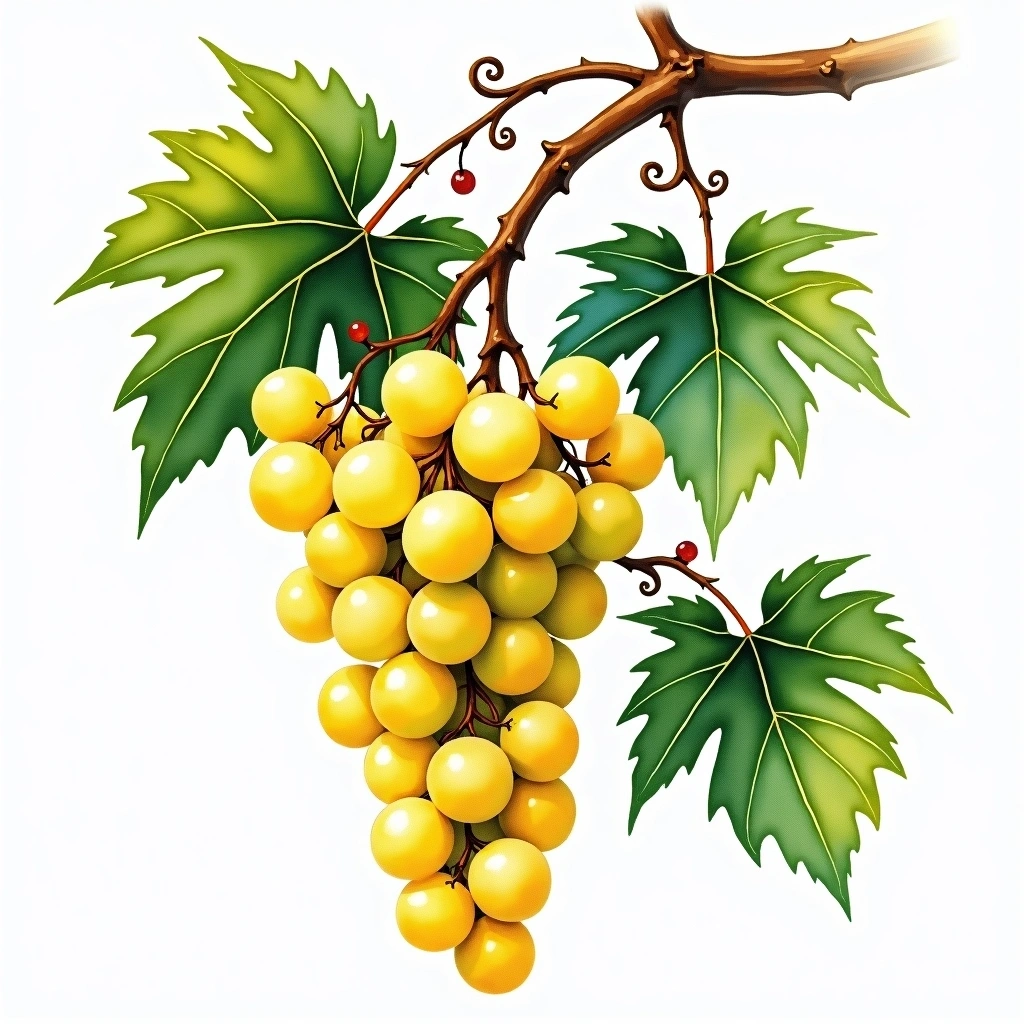 Assyrtiko
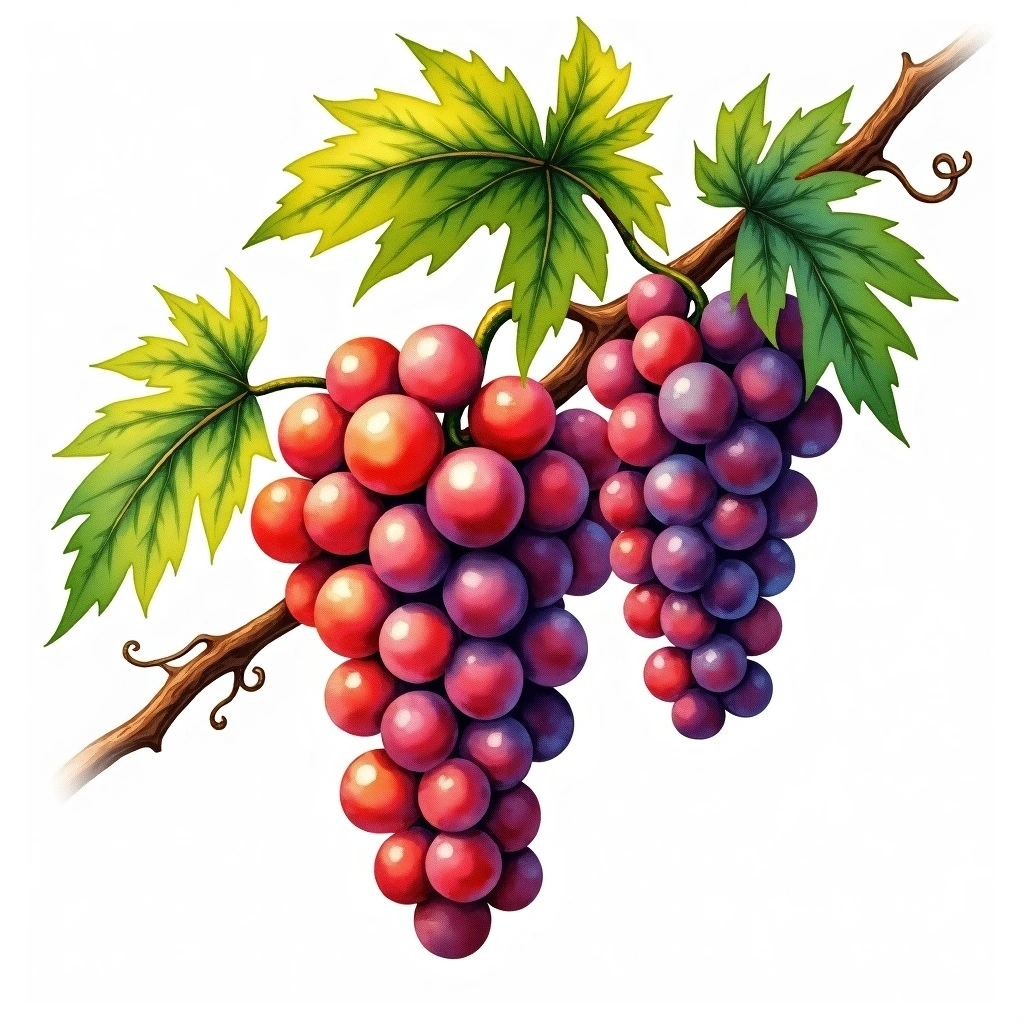 Grenache
 Aromatic White
 Bold Red
 Rich White