The Judgment of Paris 1976
On May 24, 1976, a blind tasting in Paris changed the wine world forever. California wines defeated the finest Bordeaux and Burgundy in a judging panel of French experts, shattering the assumption of European superiority and launching the global wine revolution.
A Tasting That Changed Everything
On the afternoon of May 24, 1976, eleven judges gathered in a Paris hotel to taste two flights of wine. The first flight was white: six California Chardonnays against four white Burgundies from Bourgogne, including the legendary Puligny-Montrachet and Meursault Charmes. The second was red: six California Cabernet Sauvignons against four top Bordeaux, including Château Mouton Rothschild and Château Haut-Brion.
All the wines were tasted blind. The judges — nine of them French, with an impeccable collective reputation in the French wine world — scored each wine on a 20-point scale. When the scores were tallied, the results were so unexpected that the organizer, British wine merchant Steven Spurrier, needed a moment to verify them. The top-scoring white was the 1973 Chateau Montelena Chardonnay from Napa Valley. The top-scoring red was the 1973 Stag's Leap Wine Cellars Cabernet Sauvignon, also from Napa.
California had beaten France. At a blind tasting judged almost entirely by French experts. In Paris.
The Context: Why This Was Unthinkable
The Wine World of 1976
To understand why the Judgment of Paris was so shocking, it is necessary to understand the wine world as it existed in the mid-1970s.
France — specifically Bordeaux and Bourgogne — was not merely the dominant force in fine wine. It was, in the minds of the French wine establishment and most European connoisseurs, the only serious fine wine. French Appellation wines from great estates (Châteaus in Bordeaux, Domaines in Burgundy) were considered the pinnacle of winemaking achievement. The AOC system, with its rigorous geographic definitions and quality controls, was the global standard against which all wine should be measured.
California wine was, at best, a curiosity. American wines were associated in European minds with cheap, sweet, industrially produced beverages. The idea that California could produce wines capable of competing with — let alone surpassing — Mouton Rothschild or Montrachet struck the French wine establishment as not merely incorrect but faintly absurd. When the Parisian journalist and television personality Odette Kahn initially refused to return her scorecard after the results were announced, claiming that the tasting had been improperly organized, she was expressing a genuinely held conviction that the results simply could not be right.
California in the 1970s
The California wine industry of the 1970s was in the middle of a genuine revolution. After the devastation of Prohibition, California had spent decades producing large quantities of undistinguished wine. But a new generation of winemakers — inspired partly by European training and partly by the extraordinary natural advantages of regions like Napa Valley and Sonoma County — was making wines of genuine ambition.
Robert Mondavi had built his eponymous winery in Napa Valley in 1966, becoming the first major new winery in the region since Prohibition. Warren Winiarski had established Stag's Leap Wine Cellars in 1972. Jim Barrett and Mike Grgich had taken over Chateau Montelena the same year and hired the Croatian-born winemaker Miljenko "Mike" Grgich to make their wines. These were serious people making serious wine, but in 1976 they were almost entirely unknown outside California.
The Tasting
The Judges
Steven Spurrier, who organized the tasting as a publicity event for his Paris wine shop Caves de la Madeleine, assembled a panel of nine French wine experts and two non-French participants (himself and his business partner Patricia Gallagher, who did not score). The French judges included Aubert de Villaine of Domaine de la Romanée-Conti, Michel Dovaz of the Institut du Vin, Pierre Bréjoux of the INAO (the regulatory body for French appellations), and other figures of genuine authority in the French wine world.
The choice of judges was specifically designed to give the tasting credibility. If the California wines had been evaluated by American judges or international critics, the results would have been easy to dismiss. By assembling the French wine establishment to judge its own wines against California, Spurrier created a scenario in which the results — whatever they might be — would be hard to explain away.
The Results
The white wine flight ranking, from first to last:
- Chateau Montelena Chardonnay 1973 (California) — 132 points
- Meursault-Charmes Roulot 1973 (Bourgogne)
- Chalone Vineyard Chardonnay 1974 (California)
- Spring Mountain Chardonnay 1973 (California)
- Beaune Clos des Mouches Drouhin 1973 (Bourgogne)
- Freemark Abbey Chardonnay 1972 (California)
- Bâtard-Montrachet Ramonet-Prudhon 1973 (Bourgogne)
- Puligny-Montrachet Leflaive 1972 (Bourgogne)
- Veedercrest Chardonnay 1972 (California)
- David Bruce Chardonnay 1973 (California)
The red wine flight ranking:
- Stag's Leap Wine Cellars Cabernet Sauvignon 1973 (California) — 127.5 points
- Château Mouton Rothschild 1970 (Bordeaux)
- Château Haut-Brion 1970 (Bordeaux)
- Château Montrose 1970 (Bordeaux)
- Ridge Monte Bello Cabernet Sauvignon 1971 (California)
- Château Léoville-Las-Cases 1971 (Bordeaux)
- Heitz Martha's Vineyard Cabernet Sauvignon 1970 (California)
- Clos du Val Cabernet Sauvignon 1972 (California)
- Mayacamas Cabernet Sauvignon 1971 (California)
- Freemark Abbey Cabernet Sauvignon 1969 (California)
California wines took first place in both flights. Four of the top five reds were California wines. The French wine establishment had been judged by its own representatives, tasting blind, and California had won.
The Reaction
Initial Dismissal
The French reaction was swift and largely dismissive. The judges who had given the highest scores to California wines suddenly remembered various reasons why their judgments might not reflect their true opinions. Odette Kahn demanded her scorecard back. Claude Dubois-Millot of Gault Millau called it "a joke." The French press, recognizing an uncomfortable result, largely buried the story.
The event was covered by one journalist: George Taber of Time magazine, the only press representative present. His account, published in Time's June 7, 1976 issue, was the document that brought the Judgment of Paris to global attention. Without Taber's article, the tasting might have remained an amusing anecdote known only to a small circle of insiders.
Long-Term Impact
The immediate impact on California wine sales was modest — the California wine industry was not yet large enough or well-known enough internationally for a single tasting to transform its fortunes overnight. But the longer-term impact on the wine world's self-understanding was profound.
The Judgment of Paris demonstrated empirically what many observers had suspected but few had dared to state openly: that wine quality was not the exclusive domain of French tradition and European Terroir. That an American winemaker, working in a region that had barely existed as a serious wine area twenty years before, could produce a Chardonnay that a panel of French experts would prefer to Puligny-Montrachet was genuinely revolutionary information.
The 30th Anniversary Tasting
In 2006, a group of wine critics organized a 30th anniversary rematch. The same red wines from the 1976 tasting were opened — now 30-year-old bottles — and tasted blind by a panel that included some of the original judges. The results were even more decisive than in 1976. The Ridge Monte Bello 1971 took first place, with Stag's Leap second. Five of the top six wines were Californian. The 1976 result had not been a fluke.
The Broader Legacy
The New World wine revolution of the late 1970s, 1980s, and 1990s — the rise of Australian wine, New Zealand's emergence as a premium producer, the development of premium Argentinian and Chilean wine, and the continued elevation of California — all unfolded in a world where the Judgment of Paris had permanently altered the terms of the debate.
The Judgment of Paris did not destroy France's reputation for fine wine — Bordeaux and Bourgogne remain the most prestigious wine regions in the world by most measures. But it proved that prestige was not destiny. Quality could emerge anywhere, from any winemaking tradition, when the right grapes met the right land and the right human skill. That demonstration changed what was possible to imagine in wine, and it changed everything that followed.
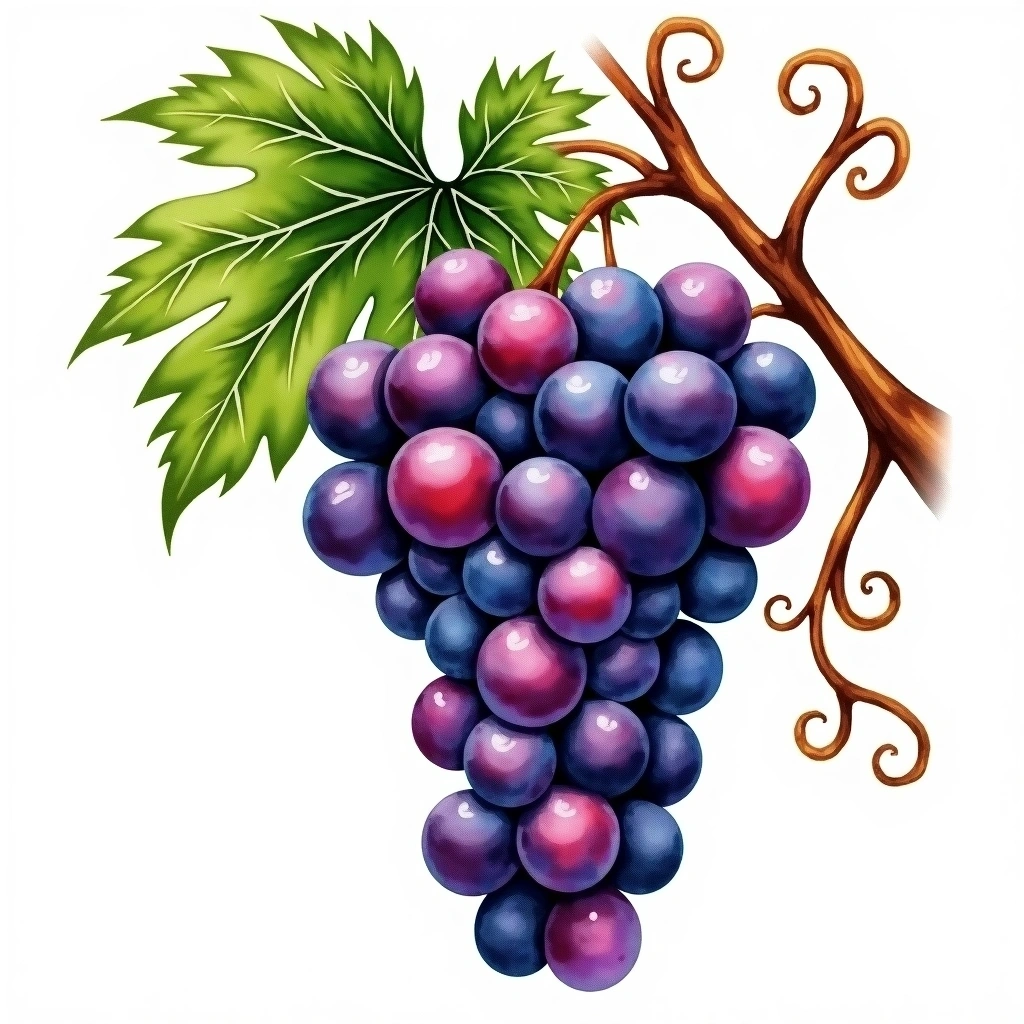 Cabernet Sauvignon
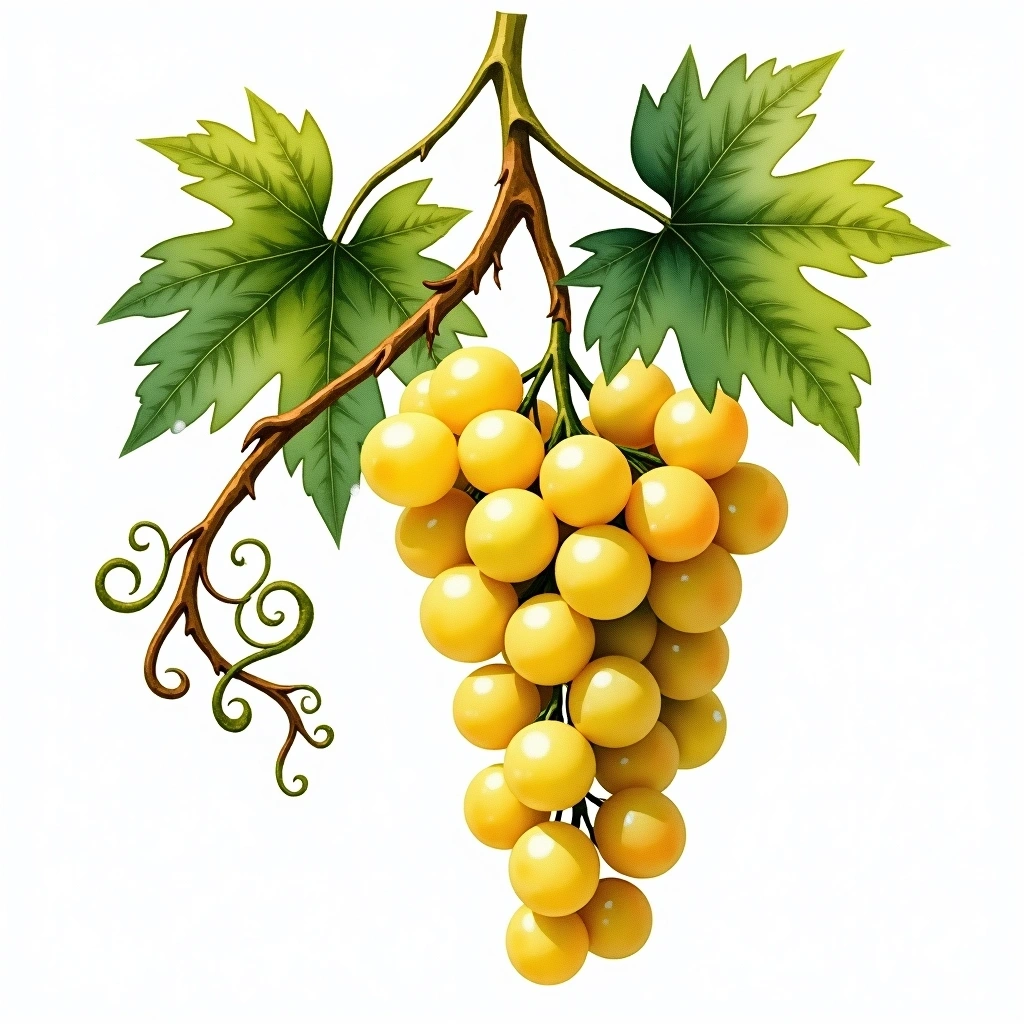 Chardonnay
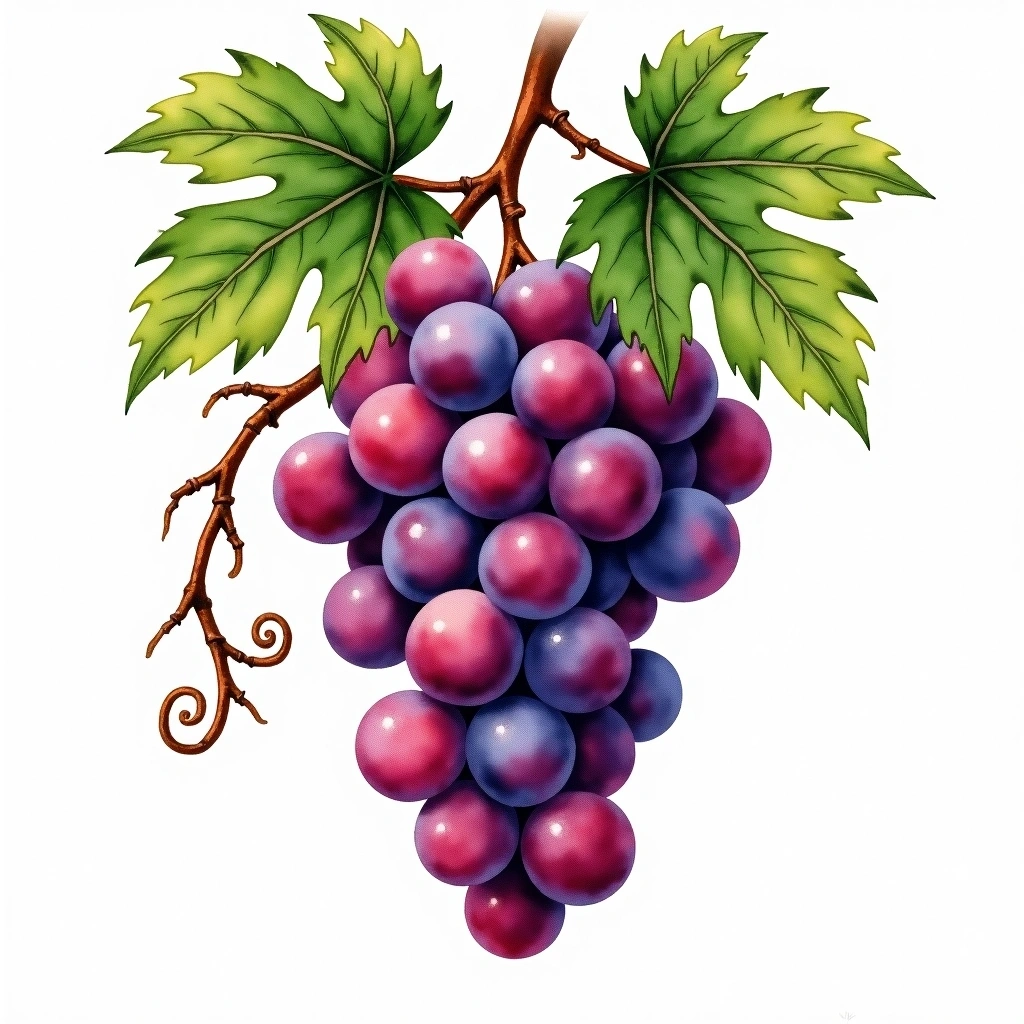 Merlot
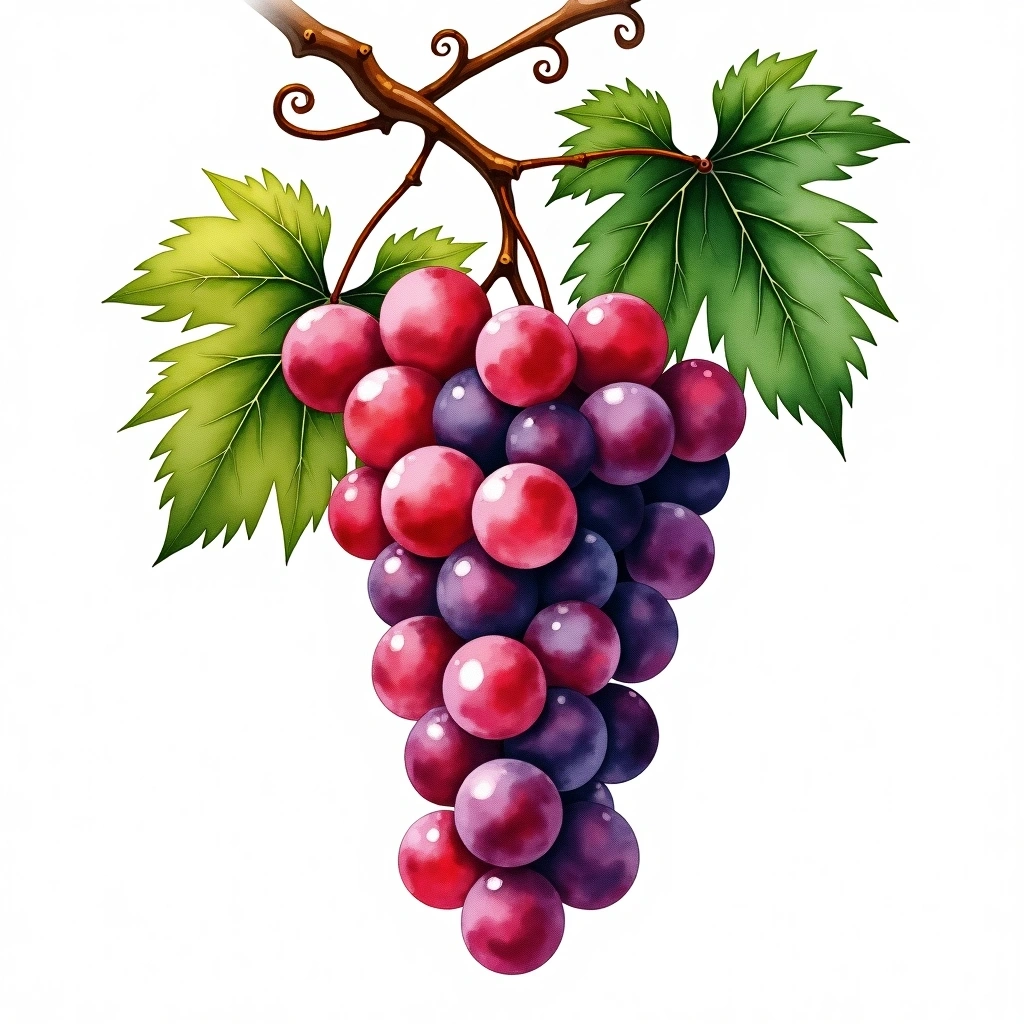 Pinot Noir
 Bold Red
 Elegant Red
 Rich White