Water Stress and Vine Management
Water is the lifeblood of the grapevine, and its availability — or deliberate restriction — is one of the most powerful tools for shaping wine quality, style, and berry composition.
Water Stress and Vine Management
The grapevine is uniquely adapted to life in marginal environments. Unlike many agricultural crops that are bred for performance under optimal conditions, Vitis vinifera evolved in the semi-arid Mediterranean basin, where seasonal drought is the norm. This evolutionary heritage makes the grapevine both resilient to water deficit and remarkably responsive to it — a property that viticulturists have learned to exploit with increasing precision.
The Physiology of Vine Water Relations
Grapevines, like all plants, maintain water balance through the opposing pressures of uptake and loss. Roots absorb water from the soil and transport it upward through the xylem (water-conducting tissue) driven by a combination of root pressure and the negative pressure created by transpiration at the leaf surface. When this system is in balance, the vine grows vigorously; when demand exceeds supply, water stress sets in.
The primary physiological response to water deficit is stomatal closure. Stomata are the microscopic pores on leaf surfaces through which the vine exchanges gases with the atmosphere — taking in CO₂ for photosynthesis and releasing water vapor. When the vine detects soil drying (mediated through abscisic acid signaling from the roots), it closes its stomata to reduce water loss. This conserves water but simultaneously limits CO₂ uptake, slowing photosynthesis and therefore shoot growth.
Mild to moderate water stress has a striking effect on shoot growth: it slows or stops the elongation of shoot tips while having relatively less impact on berry development. This means that under moderate deficit conditions, the vine redirects its photosynthetic output from vegetative growth (leaves and shoots) toward reproductive growth (berries). The result is often smaller berries with higher skin-to-pulp ratios, elevated Phenolics, and more concentrated flavor compounds — outcomes highly desirable in premium wine production.
Stress Timing: When It Happens Matters Enormously
The vine's seasonal cycle creates distinct windows during which water stress has different effects on berry development and wine quality.
Pre-flowering (spring): Severe drought at this stage limits berry set and reduces cluster size. While this can be used to restrict Yield, uncontrolled water stress at this stage risks poor set and economic loss.
Berry development (post-fruit set through veraison): This phase, sometimes called "lag phase," involves cell division and expansion. Moderate water stress slows berry enlargement, resulting in smaller berries. Smaller berries are generally prized in red wine production because they have a higher ratio of skin to juice, and most of the color (Anthocyanin) and flavor-active Tannin compounds reside in the skins and seeds.
Véraison and ripening: After veraison — the dramatic color change in red grapes and softening in white grapes that signals the onset of sugar accumulation — the vine's strategy shifts. Moderate stress during ripening concentrates sugars and secondary metabolites in berries without halting the ripening process. However, severe stress at this stage can cause berry shriveling and skin toughening that makes extraction difficult during winemaking.
Post-harvest: Though the fruit has been harvested, the vine continues to photosynthesize and store carbohydrate reserves in its trunk and roots. These reserves power next year's early growth. Severe post-harvest drought can deplete these reserves, weakening the vine's ability to flush in spring.
Regulated Deficit Irrigation
The practical application of these physiological insights has given rise to a suite of irrigation management strategies collectively called Regulated Deficit Irrigation (RDI). Rather than supplying water to maintain optimal vine water status throughout the season, RDI prescribes deliberate water deficits during specific phenological windows — typically from fruit set through veraison — then resumes full or partial irrigation during the ripening phase.
The evidence for RDI's effectiveness in producing premium wine is substantial. Studies in California's Napa Valley, Australia's Barossa Valley, and Spain have consistently shown that moderate pre-veraison deficit irrigation reduces berry size and weight while elevating anthocyanin concentration, phenolic content, and — in many cases — aromatic complexity in finished wines.
Cabernet Sauvignon and Syrah/Shiraz are particularly responsive. Their relatively thick skins contain abundant anthocyanin and tannin precursors, and mild stress that reduces cell division early in berry development concentrates these compounds without compromising flavor development. Tempranillo in Spain's Castilla y León and Rioja regions has also been extensively studied under RDI protocols with similar results.
Partial Root-Zone Drying
A more sophisticated variant of RDI is Partial Root-Zone Drying (PRD), developed by researchers at the University of Adelaide in the 1990s. In PRD, irrigation water is alternated between two drip lines positioned on opposite sides of the vine row. One side dries while the other is irrigated, and the irrigated side is switched every one to two weeks.
The dry side generates abscisic acid signals that close stomata, reducing transpiration water loss, while the wet side provides sufficient water for vine function. The result is a vine that exhibits moderate physiological water stress (stomatal closure, reduced shoot growth) while using significantly less total irrigation water — sometimes 30–50% less than conventional full irrigation. PRD is widely used in Australia, South Africa, and increasingly in Napa Valley.
Dry Farming: The Ultimate Water Restriction
At the far end of the spectrum from intensive irrigation lies dry farming — the practice of growing grapes entirely on natural rainfall and stored soil moisture, with no supplemental irrigation whatsoever. Dry farming is the traditional viticulture of much of the Mediterranean world, where summer drought is considered a feature, not a bug.
The Mosel in Germany and the Rhone Valley in France, like much of Europe, are legally dry-farmed: EU regulations historically prohibited irrigation in most quality wine appellations. This approach forces vines to develop deep, wide-ranging root systems to access subsoil moisture — a process that takes years to develop in young vines but ultimately produces vines of remarkable independence and drought resilience.
Advocates of dry farming argue that it is integral to genuine Terroir expression: a vine drawing water from 5 meters below the surface explores a completely different mineral and moisture environment than an irrigated vine living primarily in the top meter of soil. Dry-farmed Riesling from steep Mosel slate slopes is a profound expression of this principle.
In California, dry farming was historically common among old vine communities in Sonoma and Mendocino counties, but the introduction of irrigation (and the associated economic incentives of higher yields) made it less prevalent after the 1960s. There is now a small but growing movement among premium California producers to return to dry farming as a marker of quality and environmental sustainability.
Climate Change and Water Stress
Climate change is altering the water stress equation in almost every wine region in the world. Higher temperatures increase evapotranspiration demand: the vine loses more water through its leaves for every unit of time, even if precipitation remains constant. Simultaneously, many wine regions are experiencing reduced summer precipitation or earlier snowmelt that reduces subsoil moisture going into the growing season.
For producers in Mendoza, where vineyards at altitude in the Andes foothills have always relied on snowmelt-fed irrigation from the Mendoza River, reduced Andean snowpack represents an existential threat. Malbec planted at elevations above 900 meters is being examined both for its greater drought resilience at altitude and as a potential climate refuge as lower elevations become too warm.
In Bordeaux, where irrigation was traditionally prohibited, the rules have been relaxed in recent years — a concession to increasingly severe summer droughts that threaten vine health even in regions with historically adequate rainfall.
Measuring Vine Water Status
Modern viticulture has developed increasingly sophisticated tools for measuring vine water status and making irrigation decisions scientifically rather than intuitively.
The pressure bomb (Scholander pressure chamber) remains a gold standard laboratory tool for measuring stem water potential — essentially, the "tension" with which water is held in the vine's tissues. Readings are typically taken at predawn (when the vine has had the night to equilibrate with soil water potential) or at solar noon (when stress is at its maximum).
Infrared thermometry exploits the relationship between stomatal aperture and leaf temperature: stressed vines with closed stomata have warmer leaves because they are not cooling through transpiration. Handheld infrared thermometers and, increasingly, UAV-mounted thermal cameras can create heat maps of entire vineyards in minutes, identifying stressed zones long before visible symptoms appear.
Soil moisture sensors (including capacitance probes, TDR sensors, and tensiometers) monitor the water available in specific soil horizons and trigger irrigation controllers automatically when defined thresholds are crossed.
The integration of these sensing technologies with remote sensing data, weather forecasting, and machine learning is creating what researchers call "precision irrigation" — the ability to provide exactly the right amount of water to each part of a vineyard at exactly the right time. For high-value wine production, this precision is both an agronomic tool and a guarantee of wine consistency.
Water stress, properly understood and managed, is not an adversity to be avoided but a fundamental parameter in the winemaker's toolkit. From the deliberate discipline of dry farming to the sophisticated protocols of RDI, the science of vine water relations is inseparable from the art of making great wine.
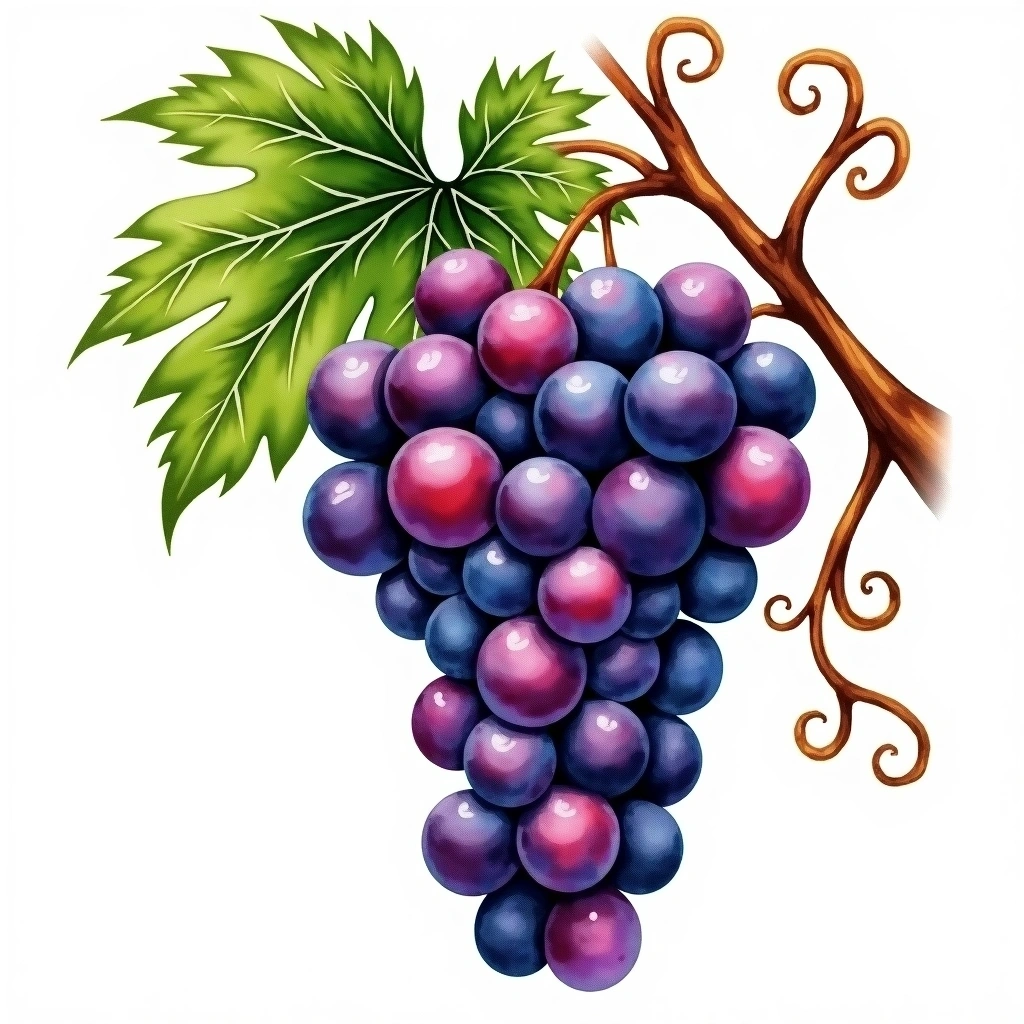 Cabernet Sauvignon
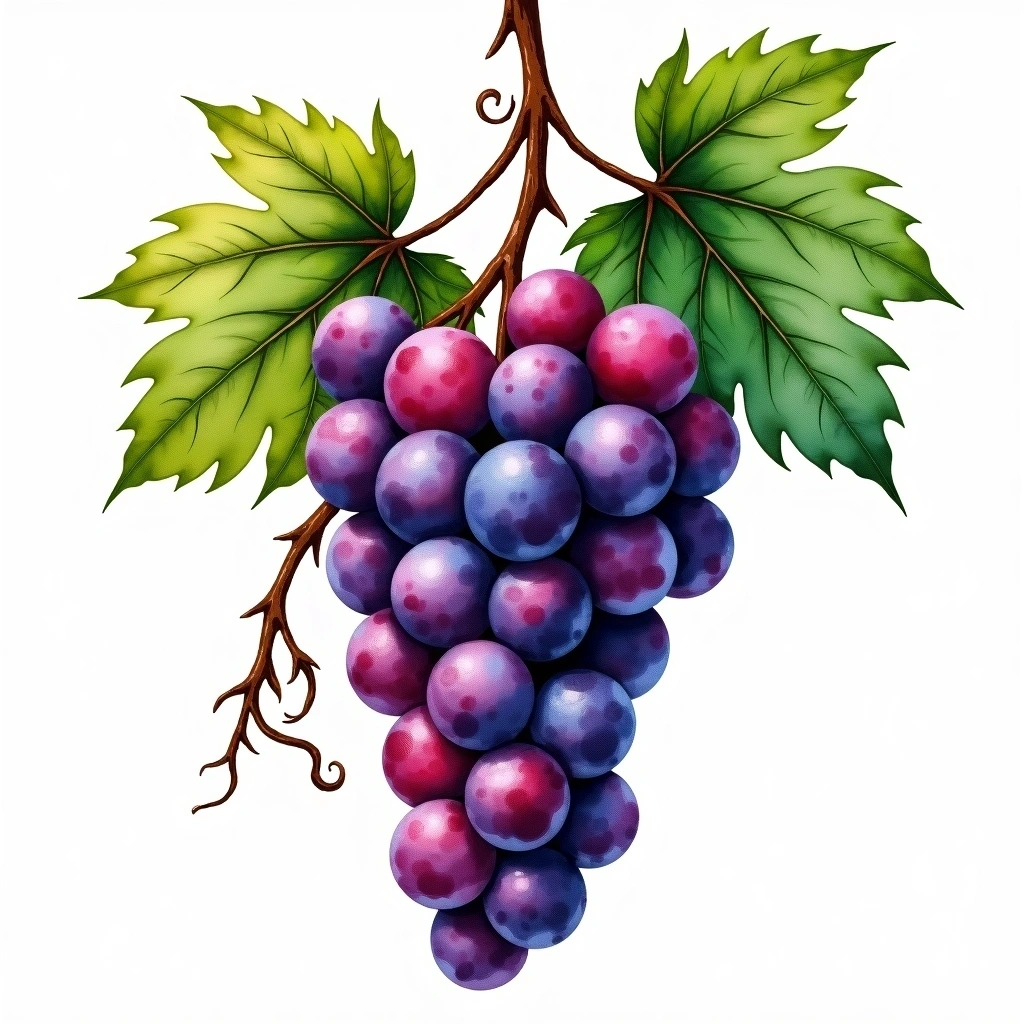 Malbec
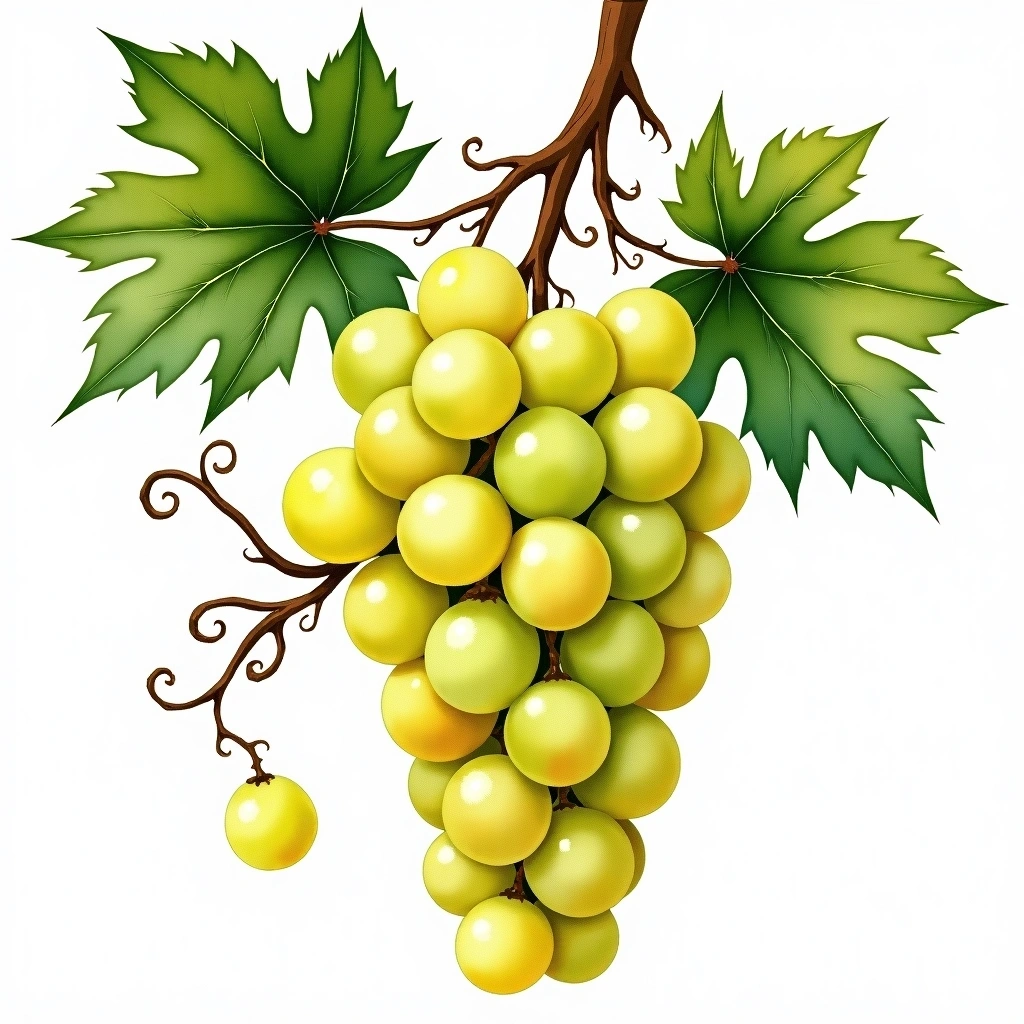 Riesling
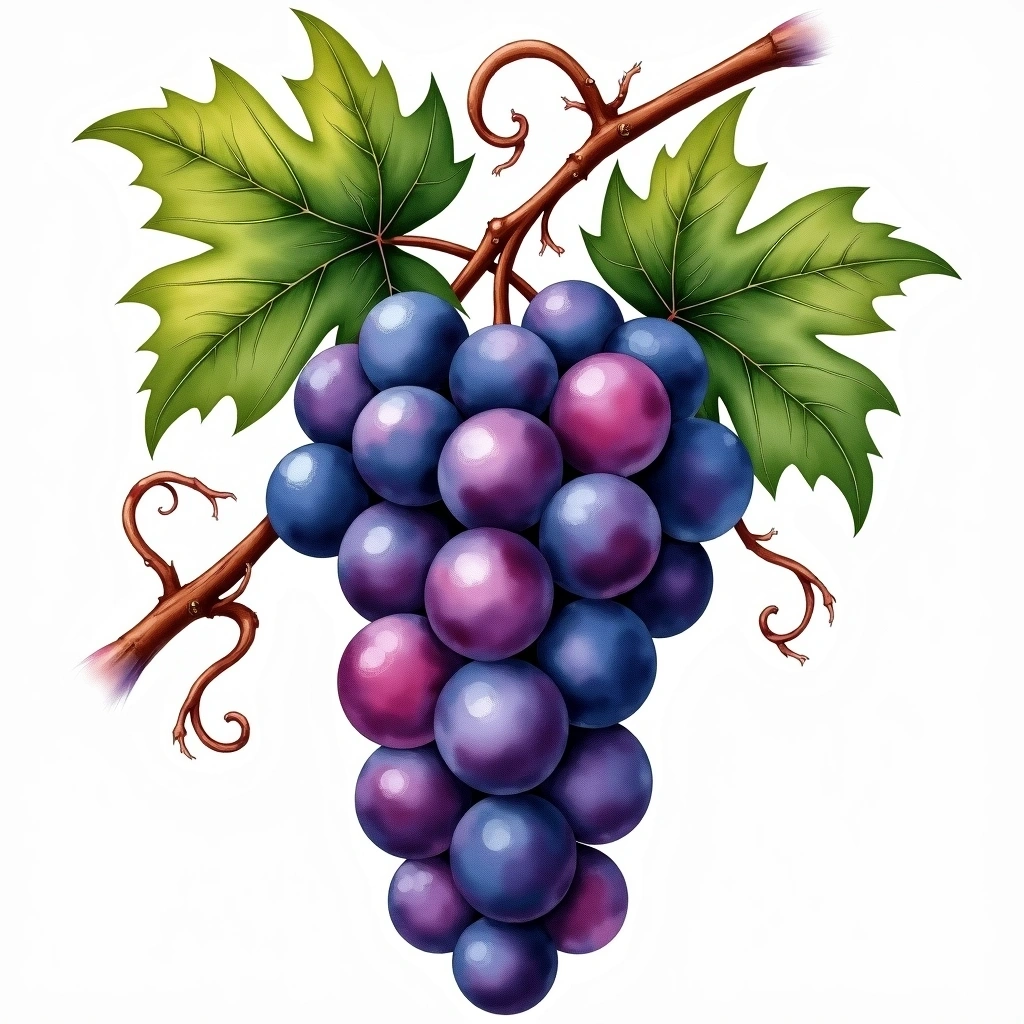 Syrah/Shiraz
 Tempranillo
 Bold Red
 Elegant Red
 Late Harvest
 Light White