Australian Sparkling: Tasmania to Yarra Valley
Australia's cool-climate regions — from the island of Tasmania to Victoria's Yarra Valley — produce world-class traditional-method sparkling wines that combine Southern Hemisphere fruit intensity with crisp, precise acidity.
The Cool-Climate Sparkling Revolution Down Under
Australia's wine story is often told through the prism of its bold, sun-drenched reds — the monster Shiraz from Barossa Valley, the dense Cabernet from Coonawarra, the rich Grenache blends from McLaren Vale. But a quieter, more precise revolution has been underway for decades in the country's coolest corners, where winemakers have been coaxing traditional-method sparkling wines of genuine international stature from fog-shrouded hillsides and frost-prone valley floors.
The key insight — grasped earlier by a handful of pioneers and now well understood by the industry — is that sparkling wine quality demands cool climates, high natural Acidity, and slow, even ripening. Australia, despite its reputation for warmth, contains numerous regions where these conditions exist: the island state of Tasmania in the deep south, the Yarra Valley in Victoria's highlands, the Adelaide Hills of South Australia, and the alpine meadows of the High Country near the Victorian snowfields. Together these regions form a constellation of cool-climate sparkling wine production unlike anything Australia's mainstream wine narrative acknowledges.
Tasmania: The Island's Gift
Tasmania is Australia's most southerly and arguably most exciting wine region. Separated from the mainland by the Bass Strait, the island experiences a genuinely maritime climate with cool summers, cool autumns, and the influence of the Antarctic-driven Roaring Forties winds sweeping across the Southern Ocean. Average temperatures here are lower than anywhere on the Australian mainland, and growing seasons stretch long and slow through March, April, and sometimes into May.
The island is not one single environment. The Tamar Valley in the north is sheltered and slightly warmer, benefiting from the moderating influence of the Tamar River estuary. The Coal River Valley near Hobart in the south has a drier, more continental character. Huon Valley and the East Coast offer yet further variations. What unifies these subregions is the fundamental cool-climate DNA that makes Tasmania's Chardonnay and Pinot Noir — the two core sparkling varieties — so compelling.
Tasmanian sparkling wines are characterised by extraordinary natural acidity, a taut mineral backbone, and flavours that lean toward green apple, lemon zest, brioche, and — in the best examples — a saline, almost oyster-shell minerality that has no equivalent anywhere else in Australia. The wines age magnificently; the best vintage expressions from leading estates develop extraordinary complexity over a decade or more.
Key Tasmanian Producers:
- Jansz — One of the original Tasmanian sparkling specialists, established in the 1980s with initial involvement from Louis Roederer. Jansz's wines are widely distributed internationally and represent excellent value for their quality level.
- Arras — The prestige sparkling label of Bay of Fires Wines, Arras produces some of Australia's most acclaimed traditional-method sparkling wines. Its E.J. Carr Late Disgorged releases spend extraordinary periods — sometimes over a decade — on their Lees, developing profound autolytic complexity.
- House of Arras — The same label produces a range from its non-vintage Brut Elite to a Grand Vintage and a Blanc de Blancs, all exhibiting the fine bead, creamy texture, and mineral freshness that Tasmania uniquely offers.
- Clover Hill — A dedicated sparkling wine estate established by Taltarni in the Tamar Valley, producing consistently refined vintage and non-vintage wines.
Yarra Valley: Victoria's Cool-Climate Heartland
The Yarra Valley, located roughly an hour east of Melbourne in the Dandenong Ranges foothills, is Victoria's most celebrated cool-climate region — and one of Australia's most compelling sites for traditional-method sparkling wine production. The valley's complex topography creates a range of microclimates within a compact area: higher elevations receive more rainfall and experience cooler temperatures, while lower valley floors are warmer and better suited to full red wine production.
For sparkling wine, the upper Yarra — particularly around Healesville — is the key. Here Chardonnay and Pinot Noir ripen slowly through a long, cool autumn, building the fine-grained fruit intensity and the preserved natural Acidity that form the structural backbone of great sparkling wine. The soils are predominantly grey silt loam over clay, with good water retention that keeps vines steady through dry Australian summers.
Yarra Valley sparkling wines tend toward a rounder, slightly warmer-climate character than Tasmanian expressions — richer stone fruit rather than citrus zest, more evident yeast autolysis, and a slightly creamier texture. They are not lesser wines, simply wines of a different register: opulent where Tasmanian wines are taut, generous where Tasmanian wines are precise.
Key Yarra Valley Sparkling Producers:
- Domaine Chandon — The Australian outpost of Moët & Chandon, established in 1986 and one of the most important forces in bringing traditional-method sparkling wine to mainstream Australian consumers. Chandon Australia has built genuine expertise over four decades and produces wines from its own Yarra Valley vineyards as well as sourced fruit from cool-climate regions including King Valley and Macedon Ranges.
- TarraWarra Estate — An architecturally remarkable winery producing restrained, Burgundy-inspired wines including a serious sparkling wine program.
- Giant Steps — Though primarily known for still wines, Giant Steps produces precise, fruit-focused sparkling wines that reflect the Yarra Valley's potential for the category.
Adelaide Hills: South Australia's Cool Mountain Zone
The Adelaide Hills, rising above the hot plains of the Barossa Valley and McLaren Vale, provide an entirely different environment: a cool, wet mountain zone where altitude moderates what would otherwise be a too-warm climate. Elevation here ranges from 400 to 700 metres, dropping temperatures by several degrees relative to the valley floors below. Rainfall is considerably higher than in lowland South Australia, and fog is common in the mornings.
Adelaide Hills sparkling wine production has grown significantly since the early 2000s, driven by investment from producers who recognised that the region's natural conditions — combined with its proximity to the major wine city of Adelaide — made it an ideal sparkling wine source. The wines here tend toward crisp acidity, refined citrus and apple fruit, and a finesse that distinguishes them from both Tasmanian and Yarra Valley expressions.
Key Adelaide Hills Producer:
- Deviation Road — One of the region's dedicated sparkling specialists, producing wines of consistent elegance from Adelaide Hills fruit.
Macedon Ranges and Mornington Peninsula
Victoria's Macedon Ranges — a high, cool plateau northwest of Melbourne — and the Mornington Peninsula, a narrow strip of land south of the city between Port Phillip Bay and Western Port Bay, both produce compelling sparkling wines from cool, challenging climates. Macedon is perhaps the most extreme — average growing-season temperatures here are lower than in Tasmania in some years — producing wines of austere precision and remarkable aging potential. The Mornington Peninsula's maritime climate, moderated by two bodies of water, produces wines with more roundness and evident fruit.
Sparkling Shiraz: Australia's Unique Contribution
No survey of Australian sparkling wine would be complete without addressing the country's most eccentric and joyful original creation: sparkling Shiraz. A style with roots in the nineteenth century — when fortified and sparkling wines dominated the Australian wine trade — sparkling Shiraz is made by introducing secondary Fermentation into red Shiraz wine, typically through the traditional method or transfer method, producing a richly coloured, deeply flavoured sparkling red with flavours of dark berry, liquorice, chocolate, and — in the best examples — considerable age-derived complexity.
This style is essentially without parallel in the wine world. France has Bugey-Cerdon and a handful of red sparkling curiosities; Italy has Barbera-based sparklers. But nothing else quite matches the sheer exuberant extravagance of a well-made Australian sparkling Shiraz, poured dark as night into a crystal flute and paired with Christmas turkey or duck confit.
The Barossa Valley is the heartland of sparkling Shiraz production, where old-vine fruit of tremendous concentration is transformed — paradoxically — into a celebratory sparkling wine. Leading producers include Rockford, Seppelt, and Peter Lehmann, whose wines age beautifully for decades.
Production Methods
Most premium Australian sparkling wine is made using the Méthode Traditionnelle — secondary Fermentation in the bottle, extended Lees contact, Riddling, disgorgement, and Dosage. The best producers age their wines on Lees for two years minimum, with premium examples spending five, ten, or even more years in contact with the spent yeast before disgorgement.
Some producers use the Charmat method (tank fermentation) for lower-priced products, and a small number experiment with Pétillant styles from ancient and alternative varieties. The tank method produces perfectly pleasant, fruit-forward wines suitable for casual consumption, but it cannot replicate the textural depth and autolytic complexity of bottle-fermented wines.
The Dosage question is evolving in Australia as it is globally. The trend toward lower Dosage wines reflects both a change in consumer preference toward dryness and the increasing quality of Australian sparkling fruit, which requires less added sugar to achieve balance.
Serving and Food Pairing
Australian traditional-method sparkling wines should be served cold — 6-8°C — and in glasses that allow their complexity to develop. Tasmanian wines in particular benefit from wider tulip glasses rather than narrow flutes, as their aromatic intensity deserves room to breathe.
Food pairings follow the logic of the wine's character. Crisp Tasmanian Blanc de Blancs wines pair brilliantly with freshly shucked oysters from Tasmania's pristine waters — a regional combination of extraordinary symmetry. Yarra Valley wines, with their rounder texture, suit smoked salmon, crab, and delicate pasta dishes. Sparkling Shiraz demands richer food: roast duck, venison, or even a well-seasoned cheese board.
The Future of Australian Sparkling
The Australian sparkling wine category is at an inflection point. Tasmania's profile has never been higher internationally, with sommeliers in London, New York, and Tokyo actively seeking Tasmanian wines that were barely known a decade ago. Investment continues — both in new vineyard plantings and in winery infrastructure — driven by the recognition that cool-climate Australian sparkling wine is a category with genuine world-class ambitions.
Climate change presents both threat and opportunity. Warming conditions in some mainland regions are pushing producers toward higher elevations and cooler sites. Tasmania's position, already extreme, may become even more valuable as a refuge of cool-climate viticulture in an increasingly warm continent. Whatever the future holds, the combination of Southern Hemisphere intensity, cool-climate precision, and the accumulated expertise of several generations of Australian sparkling winemakers makes this one of the most compelling and underrated categories in the global wine landscape.
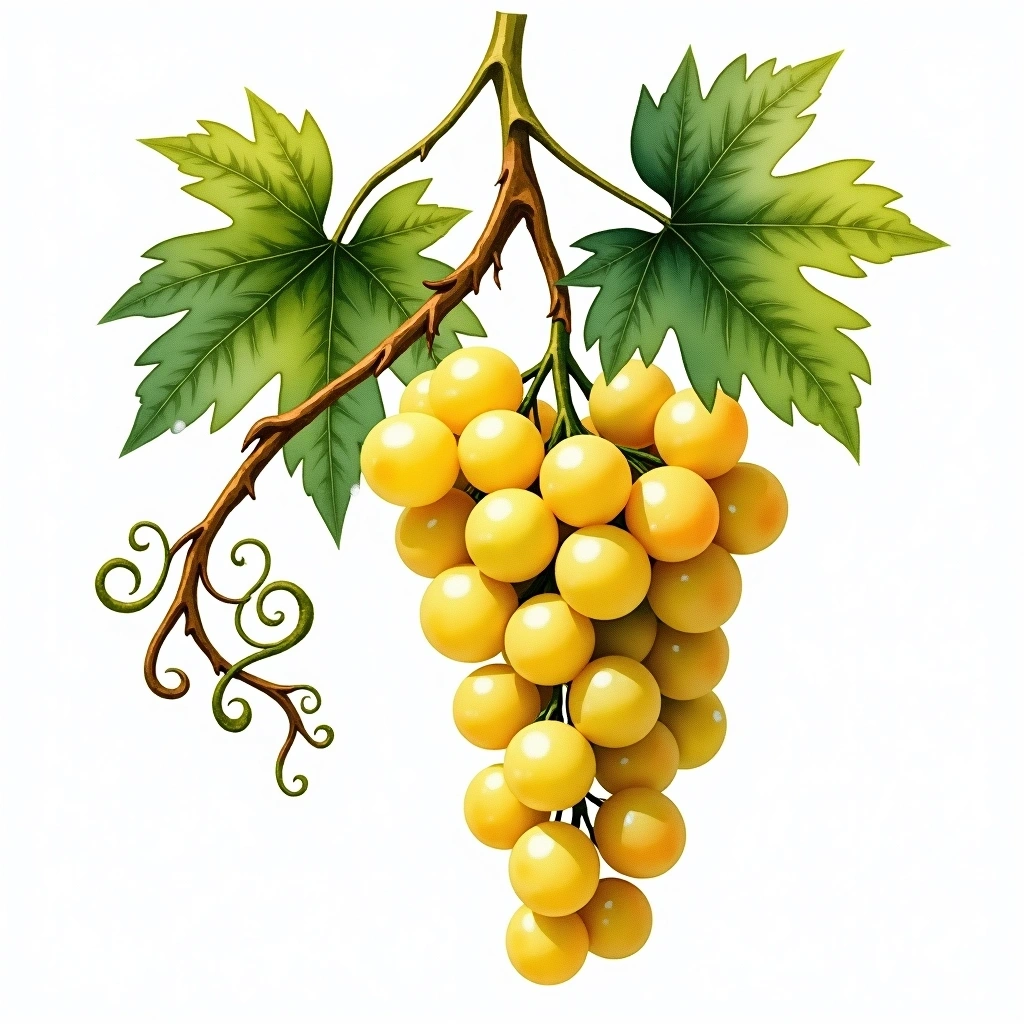 Chardonnay
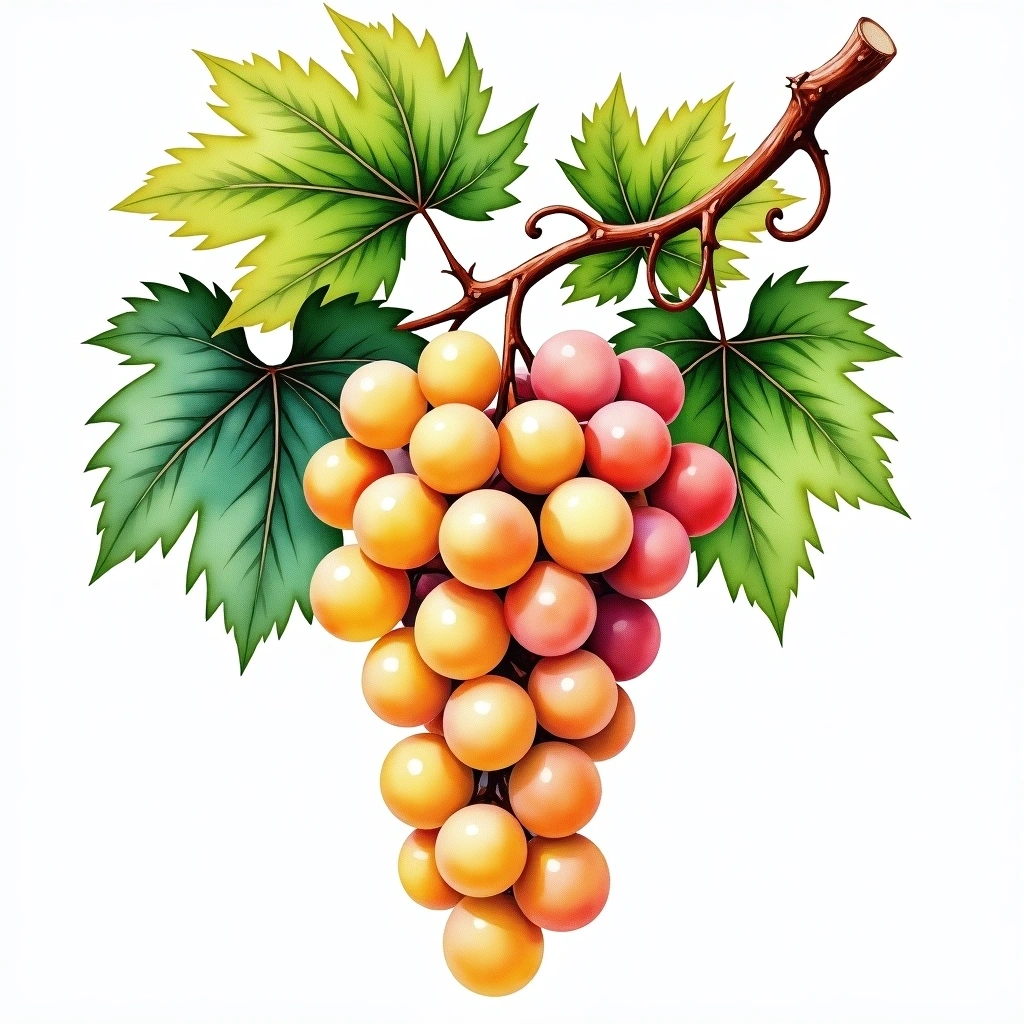 Pinot Grigio
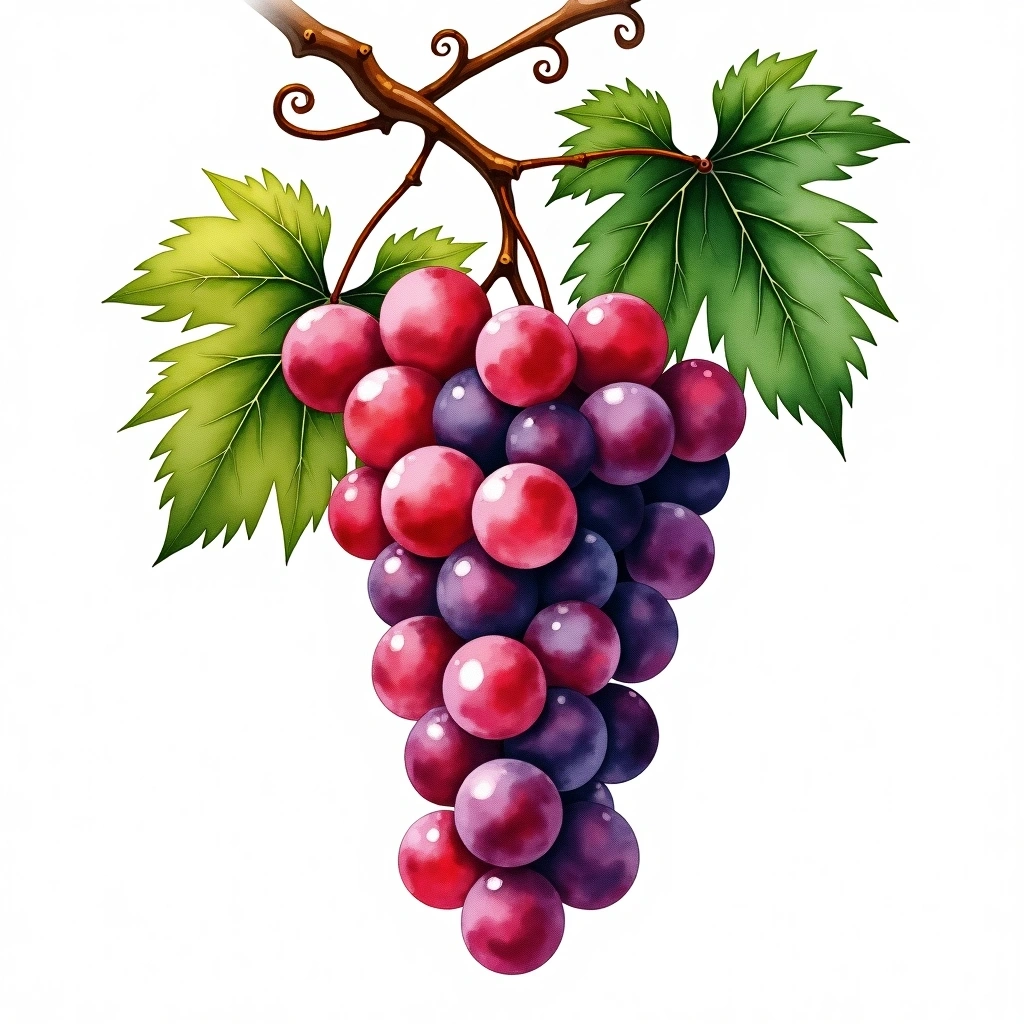 Pinot Noir
 Charmat Method Sparkling
 Traditional Method Sparkling