Prosecco, Cava, and Cremant: Sparkling Alternatives
A practical guide to the world's best sparkling wine alternatives to Champagne — Italian Prosecco, Spanish Cava, and French Cremant — covering production, flavor, quality levels, and value picks.
Beyond Champagne: A World of Sparkling Wine
The dominance of Champagne in the global sparkling wine conversation has long obscured an inconvenient truth: several other regions produce sparkling wines of genuine quality, at prices that make them far more accessible for everyday celebration. Prosecco from northeastern Italy, Cava from Spain, and the Cremants of France have each built loyal followings — and for good reason.
Understanding what distinguishes each style helps you make smarter buying decisions and pair sparkling wines more precisely with food and occasion.
Prosecco: Italy's Everyday Fizz
What It Is
Prosecco is produced in northeastern Italy, primarily in the Veneto and the hillside zone of Conegliano Valdobbiadene. The wine is made predominantly from Glera/Prosecco, a grape that carries ripe stone fruit, white flower, and green apple character.
How It Is Made
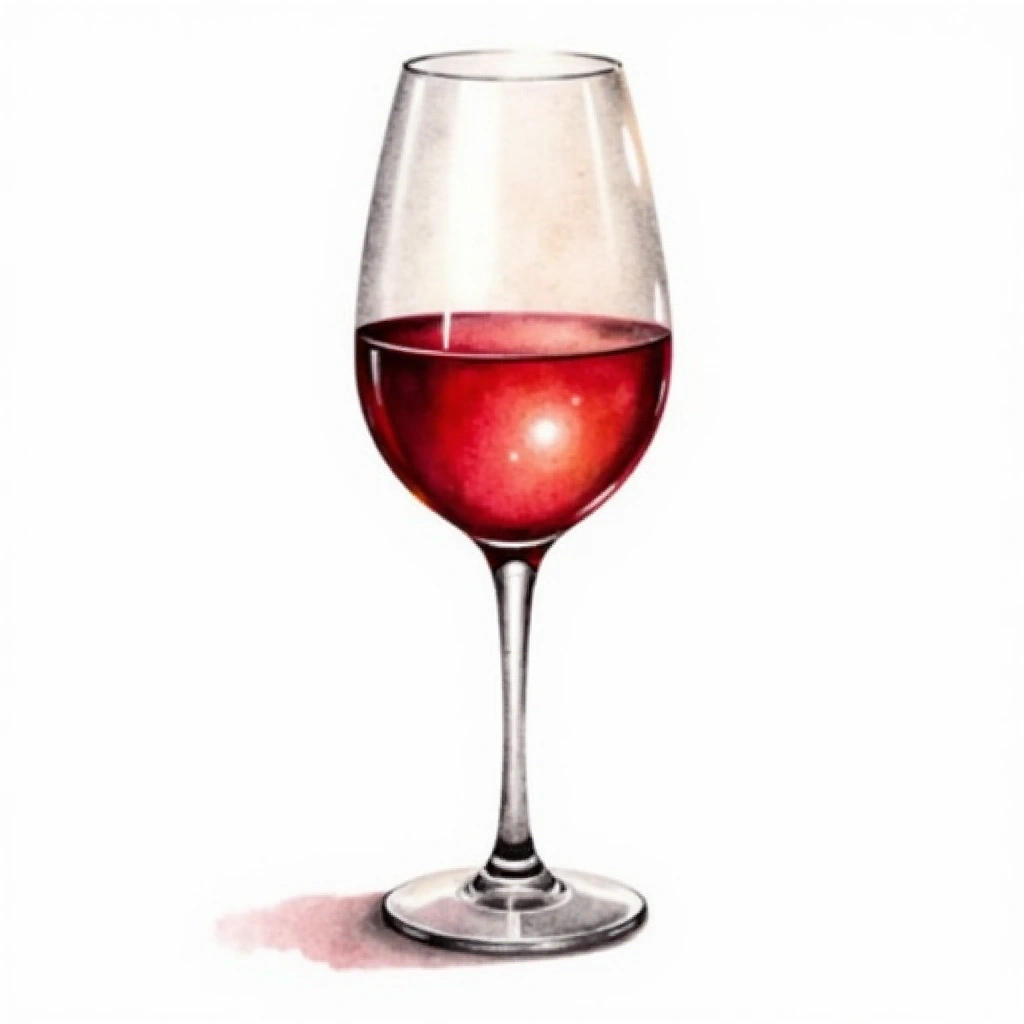
Most Prosecco is produced via the Charmat (or tank) method — Charmat Method Sparkling — in which secondary fermentation occurs in large pressurized tanks rather than in individual bottles. This is a faster, less expensive process than Méthode Traditionnelle and intentionally preserves the grape's fresh, primary fruit character rather than developing the yeasty, brioche notes associated with bottle-aged sparkling wines.
The result is a wine that is immediately approachable: light, frothy, aromatic, and easy to drink.
Quality Levels
Prosecco DOC — The broad appellation covering the flatlands of Veneto and Friuli. High volume, consistent quality at affordable prices (typically $10-18).
Prosecco Superiore DOCG — Two subzones command this superior designation: - Conegliano Valdobbiadene DOCG: Wines from the historic heartland, with noticeably more complexity and terroir expression. - Asolo Prosecco DOCG: A smaller, less-known subzone producing wines of comparable quality.
Rive — Single-vineyard Prosecco from Conegliano Valdobbiadene, representing the pinnacle of the category. Each Rive must come from a specific commune or village, offering the closest Prosecco equivalent to a village-level Champagne.
Cartizze — A Grand Cru of just 107 hectares within Valdobbiadene, producing the region's most prized wine. Rich, complex, slightly sweeter than standard Prosecco.
Sweetness
Most Prosecco is labeled Brut or Extra Dry (which, confusingly, is slightly sweeter than Brut in Prosecco terminology). A small amount of Dry and Demi-Sec is produced for sweeter palates.
Serving
Serve at 6-8 C in a flute or tulip glass. Prosecco is not a wine for aging — drink it young, within 2-3 years of the harvest date printed on the label.
Cava: Spain's Traditional Method Sparkling Wine
What It Is
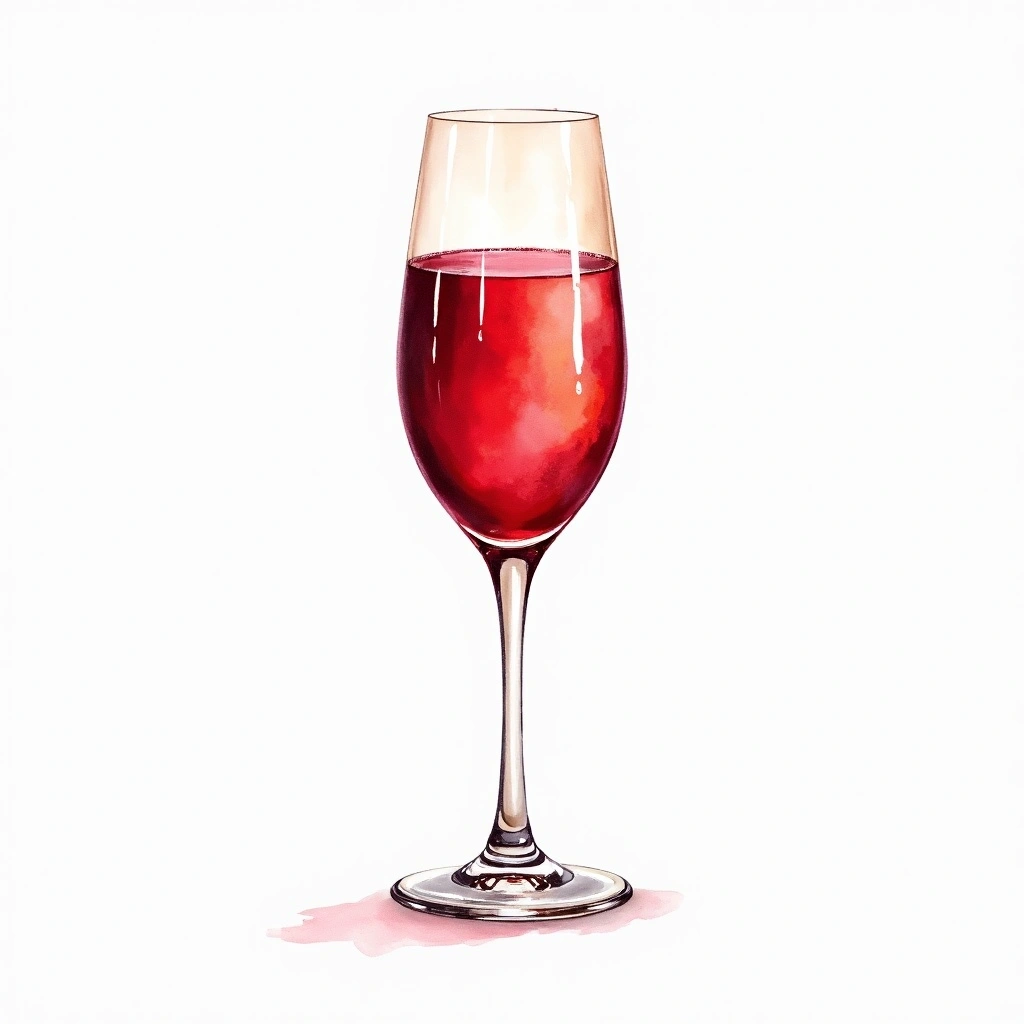
Cava is Spain's answer to Champagne — produced using the same Méthode Traditionnelle as Champagne but with indigenous Spanish grape varieties. While Cava can technically be produced in several Spanish regions, approximately 95% comes from the Penedes region of Catalonia.
Grapes
Traditional Cava is built on three indigenous varieties: - Macabeu — Neutral and crisp, providing freshness. - Xarel-lo — Brings body, texture, and earthy character specific to Penedes. - Parellada — Higher altitude variety contributing delicacy and floral notes.
International varieties Chardonnay and Pinot Noir are also permitted and increasingly used, especially in premium Cava.
Quality Tiers
Cava DO (minimum 9 months aging) — Entry-level, typically $8-15. Good value for traditional method at this price point.
Cava Reserva (minimum 18 months aging) — More complexity and autolytic character.
Cava Gran Reserva (minimum 30 months aging) — The premium tier, comparable in aging time to non-vintage Champagne. These wines show genuine complexity — toasted bread, dried fruit, and earthy minerality alongside fresh fruit.
Cava de Paraje Calificado — Single-vineyard Cava requiring 36 months minimum aging. The finest expression of individual site character that Cava produces.
Character
Good Cava has a distinctive earthiness and dried herb character alongside apple and citrus fruit. The texture is typically more robust than Prosecco, with finer bubbles than Charmat-method wines. Gran Reserva Cava can legitimately compete with mid-range Champagne at a fraction of the price.
Serving
Serve at 8-10 C. Reserve and Gran Reserva Cava benefit from 30 minutes in the refrigerator before serving (not ice bucket) to allow flavors to open slightly.
Cremant: France's Best-Kept Secret
What It Is
Cremant is French sparkling wine produced outside the Champagne appellation using Méthode Traditionnelle. Eight legally defined Cremant appellations exist across France, each with its own character dictated by local grape varieties and climate.
The Eight Cremant Appellations
Cremant d'Alsace — Made primarily from Pinot Noir, Chardonnay, Auxerrois, and Pinot Gris in Alsace. The most commercially significant Cremant. Typically full-bodied with an exotic, aromatic quality that reflects Alsace's signature grape personality.
Cremant de Bourgogne — Produced in Bourgogne from the same grapes as Champagne (Chardonnay, Pinot Noir, Pinot Meunier). Often strikingly similar in character to non-vintage Champagne at roughly half the price. One of the category's best values.
Cremant de Loire — Produced across the Loire Valley using Chenin Blanc as the primary grape. Chenin brings high natural acidity, apple and quince character, and extraordinary longevity. Loire Cremant can age beautifully for 5-10 years.
Cremant de Bordeaux — A lighter-bodied style using Bordeaux's white varieties (Semillon, Sauvignon Blanc, Muscadelle). Less widely exported but worth seeking.
Cremant du Jura — From the Jura region, often made with Chardonnay and the indigenous Savagnin grape. A quirky, complex style with oxidative notes.
Cremant de Die — From the Drome valley, made primarily from Muscat/Moscato. Delicate and aromatic.
Cremant de Limoux — Languedoc-based, historically significant (Blanquette de Limoux claims to predate Champagne). Creamy, apple-forward style.
Cremant de Savoie — Alpine sparkling wine using local varieties. Crisp, mineral, and refreshing.
Quality
All Cremant must meet strict manual harvesting requirements (no mechanical harvesting), minimum 9 months aging on lees, and maximum pressing ratios comparable to Champagne. The result is genuine traditional-method quality at dramatically lower prices than Champagne — typically $15-30.
Side-by-Side Comparison
| Feature | Prosecco | Cava | Cremant |
|---|---|---|---|
| Country | Italy | Spain | France |
| Method | Charmat | Traditional | Traditional |
| Primary Grape | Glera | Macabeu/Xarel-lo | Varies by region |
| Aging (min) | None | 9 months | 9 months |
| Bubble Texture | Larger, frothy | Fine | Fine |
| Flavor Profile | Fresh fruit, floral | Apple, earth | Varies — apple, citrus, toast |
| Aging Potential | Drink young | 2-5 years | 2-10 years |
| Price Range | $10-30 | $10-40 | $15-35 |
For everyday celebrations, Prosecco or entry-level Cava hit the value sweet spot. For occasions where you want traditional-method complexity without the Champagne price premium, Cremant de Bourgogne or Cava Gran Reserva are the intelligent choices.
Food Pairing by Style
Each of these sparkling wines has distinct food affinities driven by its production method and grape character.
Prosecco excels as an aperitif — its light body, fresh fruit, and gentle effervescence work beautifully with light appetizers. Bruschetta, prosciutto with melon, light seafood, and risotto are natural matches. The slightly sweeter Extra Dry style is a classic pairing with vegetable-based dishes and delicate pasta. Avoid heavy red meat or anything powerfully flavored — Prosecco's relative lightness will be overwhelmed.
Cava is more versatile at the table than Prosecco. Its earthy, appley character and traditional-method complexity make it a practical companion through a full meal. Tapas of all kinds — patatas bravas, gambas al ajillo, jamón — are natural partners. Gran Reserva Cava can accompany roasted poultry, paella, or even mild cheese. The wine's Spanish identity gives it particular affinity for Spanish cuisine.
Cremant de Bourgogne pairs almost anywhere Champagne would but at a fraction of the price — oysters, smoked fish, soft cheeses, roasted chicken, and mushroom-based dishes all work brilliantly. Cremant d'Alsace, with its more aromatic Gewürztraminer character (when included in the blend), has exceptional affinity for Thai and Vietnamese cuisine where the wine's slight exotic spice echoes the food.
Storing and Drinking These Wines
None of these wines are designed for extended cellaring.
- Prosecco: Drink within 2-3 years of the harvest date on the label. The freshness and delicate fruit that define the style are its most perishable qualities.
- Entry-level Cava: Drink within 3-4 years. Gran Reserva Cava with 36+ months aging can develop pleasantly for 5-8 years from release.
- Cremant: Most Cremant should be consumed within 3-5 years. Certain producers — particularly those making high-dosage, traditionally crafted Cremant de Loire from Chenin Blanc — produce wines that age beautifully for 10 or more years.
Store all sparkling wines on their side at 10-14°C, away from light and vibration. Once opened, seal with a Champagne stopper and refrigerate; consume within 1-2 days for best quality.
The Value Argument
The price premium attached to the Champagne label — which can easily add $30-50 to a bottle of equivalent technical quality — has made these alternatives the intelligent consumer's choice. A Cremant de Bourgogne at $20 from a serious producer often outperforms a $45 basic non-vintage Champagne from a large commercial house. The knowledge to make this distinction is one of the most practically useful pieces of wine education available. Seek it out, apply it generously, and raise your glass to value over prestige every time.
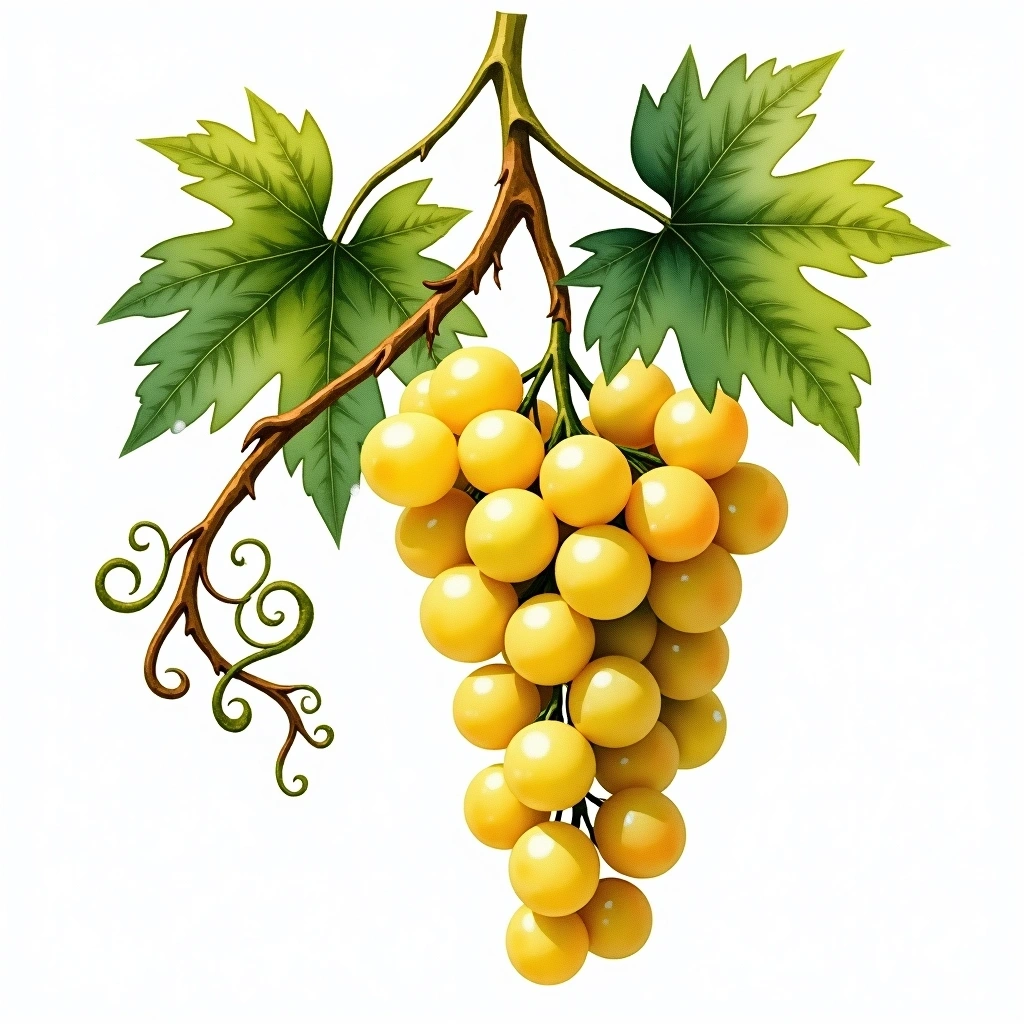 Chardonnay
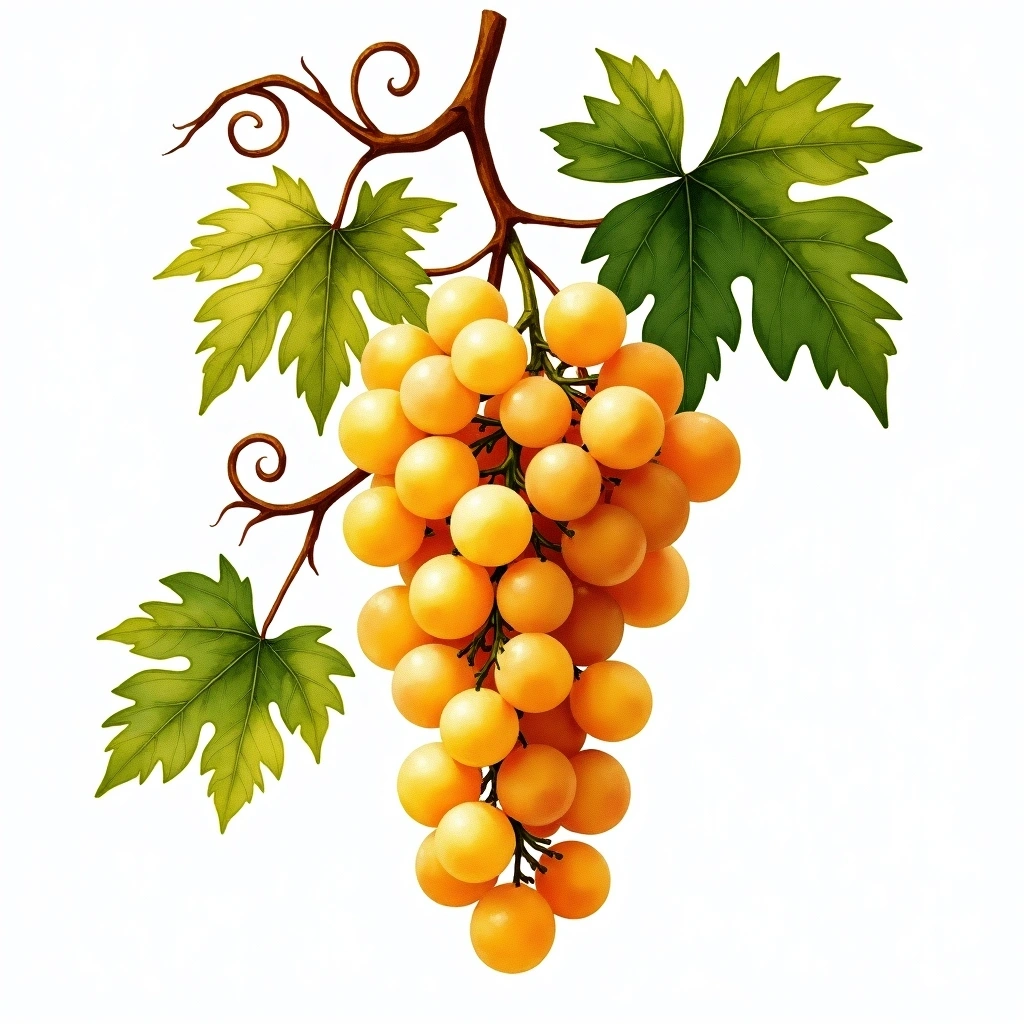 Chenin Blanc
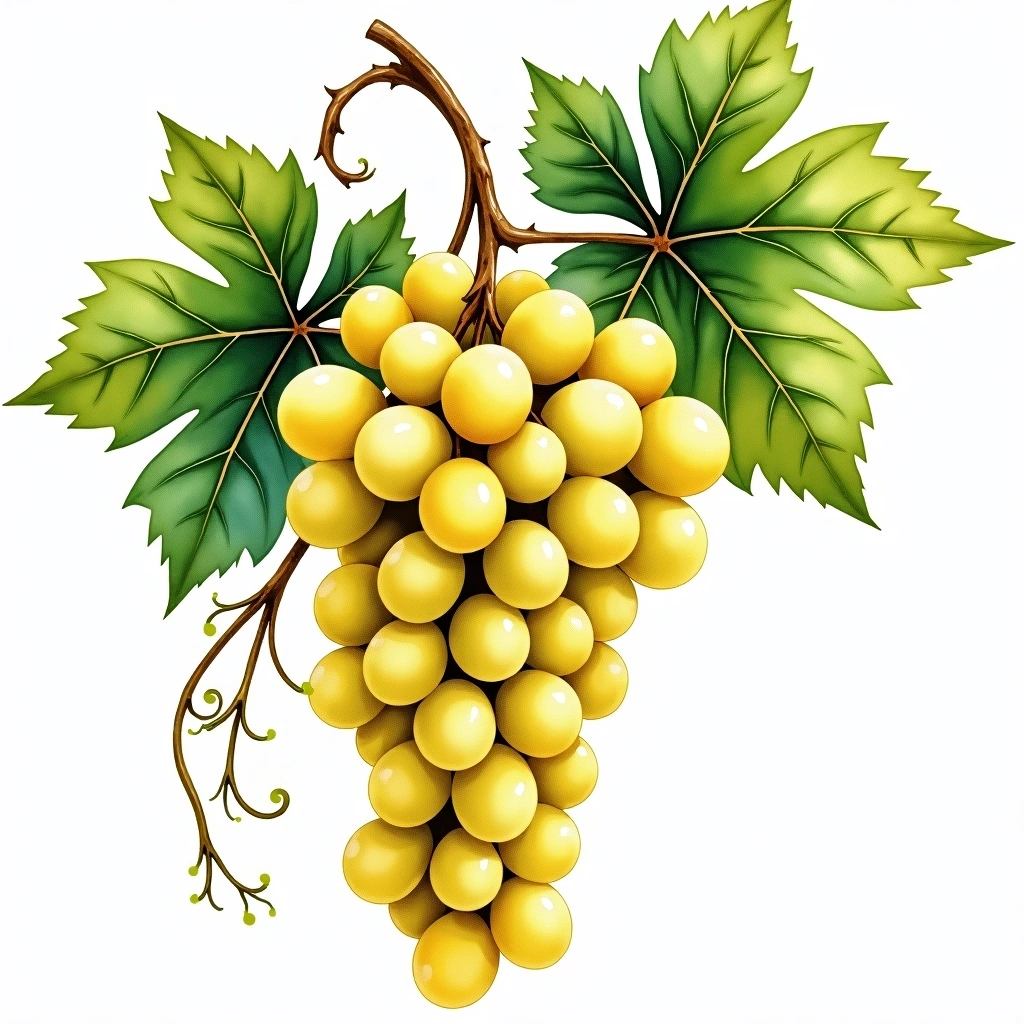 Glera/Prosecco
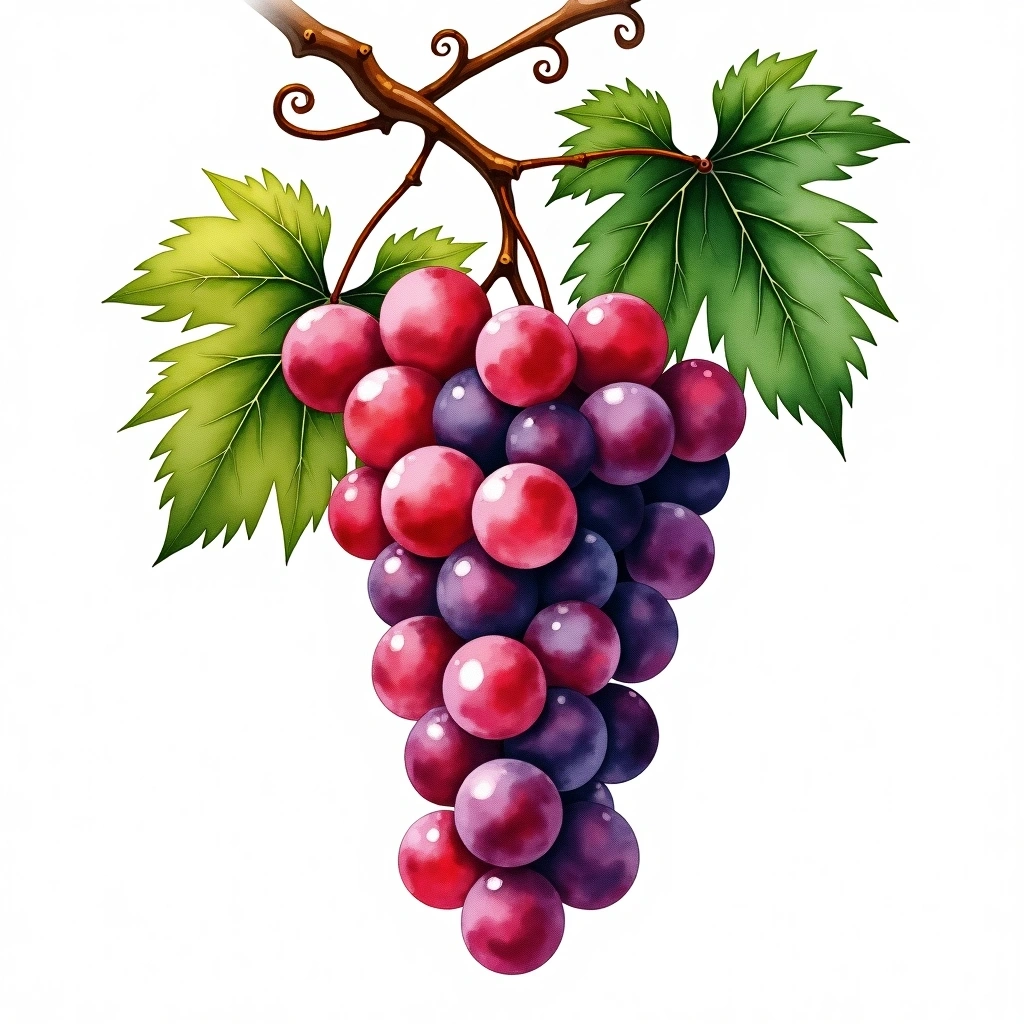 Pinot Noir
 Charmat Method Sparkling
 Traditional Method Sparkling