Lambrusco Renaissance: Italy's Misunderstood Sparkler
Once dismissed as a cheap, sweet party wine, Lambrusco is experiencing a serious revival as producers in Emilia-Romagna return to traditional methods and dry styles that reveal the grape's genuine character and depth.
The Most Misunderstood Wine in Italy
Ask most wine drinkers about Lambrusco and they will recall a sweet, artificially fizzy, deep-purple liquid that arrived in cheap bottles during the 1970s and 1980s, flooding export markets with a style designed for maximum volume and minimum expense. This reputation — earned and then calcified across decades — is one of the great injustices in the wine world. The real Lambrusco, produced in its home region of Emilia-Romagna in northern Italy, is something entirely different: a vivid, food-driven, sometimes dry, often complex sparkling red wine with roots stretching back to Roman antiquity.
The renaissance of artisan Lambrusco is not merely a story about improved winemaking — it is a story about rediscovery. Producers working today in the DOC zones around Modena and Reggio Emilia are not inventing something new. They are recovering something old: a wine tradition in which Lambrusco was dry, slightly frothy, deeply coloured, intensely aromatic, and inseparably linked to the extraordinary food culture of one of Italy's greatest gastronomic regions.
The Lambrusco Grape Family
Lambrusco is not a single grape but a large family of related varieties, each with its own character and often its own dedicated DOC zone. This multiplicity is both the richness and the complication of the category.
Lambrusco di Sorbara — Considered by many authorities to be the finest variety in the family. Sorbara is the most delicate and aromatic, producing pale ruby wines (sometimes almost pink-red) with extraordinary violet and raspberry perfume, crisp acidity, and a light, almost ethereal structure. It grows in the Po Valley north of Modena on sandy alluvial soils and is inherently low-yielding due to a tendency toward poor berry set. The best Sorbara Lambruscos are wines of real finesse that challenge every prejudice the grape's name might trigger.
Lambrusco Grasparossa di Castelvetro — The most tannic and structured of the main varieties, grown in the hills south of Modena. Grasparossa produces deeply coloured, robust wines with flavours of dark berry, violets, and earth. The tannins give the wine a grippiness unusual in sparkling wine — qualities that make it a natural partner for the rich, fatty foods of the Emilian table.
Lambrusco Salamino di Santa Croce — An intermediate variety with good colour, moderate tannin, and reliable production. The name refers to the sausage-like shape of its grape clusters. Santa Croce produces wines in a rounder, more immediately accessible style.
Lambrusco Reggiano — The most widely planted and commercially dominant variety, grown across the Reggio Emilia province. Reggiano tends toward higher yields and more commercial wines, though quality-focused producers are elevating the zone. The best Reggiano wines are expressive and food-friendly; much of the commercial production is the sweet, lightly fizzy style that gave the category its problematic reputation.
Production: Tank vs. Traditional Method vs. Ancestral
The fizz in Lambrusco can be created in three quite different ways, and understanding the distinction is essential to navigating the category.
Charmat Method (Tank)
The great majority of Lambrusco is produced using the Charmat or tank method: secondary Fermentation occurs in a pressurised tank rather than in the bottle. Base wine is combined with sugar and yeast in a sealed autoclave, fermentation creates carbon dioxide that cannot escape, and the result is a wine with consistent bubbles produced in a matter of weeks rather than the months or years required by bottle fermentation. This method is efficient, cost-effective, and suited to producing large volumes of consistent, fresh, fruity wine.
Commercial Lambrusco at the lower end of the quality scale almost always uses this method, with Residual Sugar levels adjusted to meet market demand. The sweet, lightly sparkling style that dominated exports in the 1970s was overwhelmingly tank-fermented with deliberate Residual Sugar retention.
Metodo Classico (Traditional Method)
A small but growing number of artisan producers are applying the Méthode Traditionnelle — bottle fermentation, extended Lees contact, Riddling, disgorgement — to Lambrusco, creating wines of profound complexity and age-worthiness. The results are radically different from commercial Lambrusco: dry, textured, deeply aromatic wines that reward comparison with serious sparkling wines from anywhere in the world.
Traditional-method Lambrusco is typically finished with zero or very low Dosage, resulting in bone-dry wines where the grape's natural Acidity and fruit intensity are fully exposed. These wines age beautifully — some producers recommend five to ten years from disgorgement — developing remarkable depth while retaining the vibrant acidity that makes them perfect food wines.
Metodo Ancestrale (Ancestral Method)
The most historically authentic style — and the most fashionable among natural wine enthusiasts — is the ancestral method: Fermentation begins in the Cellar and the partially fermented wine is bottled, allowing Fermentation to complete in the bottle under crown cap. The result is naturally cloudy (no disgorgement), often has a slight tannic grip from residual yeast, and retains a naturally Pétillant effervescence lighter than conventional sparkling wine.
This style — sometimes labelled col fondo (with sediment) — is experiencing genuine consumer enthusiasm, particularly among natural wine drinkers who value authenticity and minimal intervention. Col fondo Lambruscos have an earthy, slightly rustic character that perfectly suits the rustic grandeur of Emilian cuisine.
The DOC Landscape
Lambrusco's classification system reflects its regional diversity. The main DOC zones are:
- Lambrusco di Sorbara DOC — The most prestigious; must contain at least 60% Sorbara variety
- Lambrusco Grasparossa di Castelvetro DOC — Structured, tannic wines from the Modena hills
- Lambrusco Salamino di Santa Croce DOC — Round, reliable wines from the eastern Po Valley
- Lambrusco Reggiano DOC — Large-volume production from Reggio Emilia province; quality variable
- Lambrusco dell'Emilia IGT — A broader category allowing wines from across the region
Within each zone, producers may choose between dry (secco), semi-dry (semisecco), or sweet (amabile/dolce) finishes, and the method of secondary fermentation is often unstated on the label — another complication for consumers navigating the category.
Key Artisan Producers
The renaissance of quality Lambrusco has been driven by a handful of dedicated producers who saw the potential beneath the commercial fog.
Cleto Chiarli — One of the oldest surviving producers, established in Modena in 1860. While also producing commercial wines, Chiarli's premium Villa Cialdini range demonstrates the elegance of which Lambrusco di Sorbara is capable: pale, perfumed, and deeply refreshing.
Lini 910 — A Reggio Emilia winery producing traditional-method Lambrusco of genuine complexity, including a Rosso and a Rosé that demonstrate the grape's capacity for finesse under bottle fermentation.
Vittorio Graziano — One of the pioneers of the artisan revival and a hero of the natural wine movement. Graziano works with old vines in Castelvetro, producing col fondo Grasparossa of tremendous character and earthiness.
Cantina della Volta — Perhaps the most technically accomplished traditional-method Lambrusco producer. Based in Bomporto, the estate produces wines of extraordinary precision from Sorbara grapes, with an extended Lees program that builds complexity while preserving freshness.
Podere Pradarolo — A biodynamic producer in the Apennine foothills making col fondo wines of rare authenticity and terroir character.
The Food Culture Connection
Lambrusco cannot be understood outside its food context. Emilia-Romagna is Italy's most celebrated gastronomic region — the home of Parmigiano-Reggiano, prosciutto di Parma, mortadella, tagliatelle al ragù, tortellini in brodo, and the richest, most extravagant cuisine on the Italian peninsula. These foods share one quality: fat. Copious, glorious, unabashed fat that coats the palate and demands something acid, fizzy, and red to cut through it.
Lambrusco is that wine. Its combination of sparkle, acidity, and dark fruit flavour makes it the perfect foil for the Emilian table in a way that no other wine style achieves. A glass of Brut Sorbara alongside a plate of culatello is not merely pleasant — it is chemically, culturally, and historically correct in a way that transcends mere wine pairing advice.
This food-wine connection explains why Lambrusco persists as a living tradition in its home region even as its export reputation collapsed. In Modena and Reggio Emilia, locals never stopped drinking it with their lunches and dinners because they understood something that export markets lost sight of: that Lambrusco's proper context is not a party punch but a daily table wine of real functionality and pleasure.
The Sweet Conversation
The sweetness spectrum in Lambrusco is genuinely broad, and both extremes have defenders. The completely dry (secco) styles from artisan producers making traditional-method or col fondo wines represent Lambrusco at its most serious and age-worthy. The amabile (medium-sweet) styles have real appeal as aperitivo wines or alongside desserts.
The problem is not sweetness per se but the low-quality, artificially carbonated, inexpensive sweet Lambrusco that defined the category for a generation. This wine — produced in enormous volumes during the 1970s and 1980s primarily for the US and UK markets — bears as much relationship to artisan Lambrusco as a mass-market cola drink bears to craft ginger beer. It is a different product wearing the same name.
As the artisan revival gains momentum and quality Lambrusco becomes more widely available, this distinction will eventually become clear to consumers who have avoided the category based on unfortunate early experiences.
Serving Recommendations
Lambrusco should be served cool — around 12-14°C for dry styles, slightly colder (10-12°C) for sweeter styles. It does not need a flute; a standard wine glass shows its aromatics better. Gentle pouring is advisable for col fondo styles, which have sediment that should remain at the bottom of the bottle.
Traditional-method dry Lambrusco benefits from time in the glass before drinking, as its aromatic complexity develops with air exposure. Col fondo styles are best drunk fresh: their naturally occurring cloudiness and slight wildness are features, not faults.
Above all, drink Lambrusco with food. A glass drunk alone, without the Emilian context of fat and flavour that it was designed to accompany, misses the point of one of Italy's most culturally embedded wine traditions.
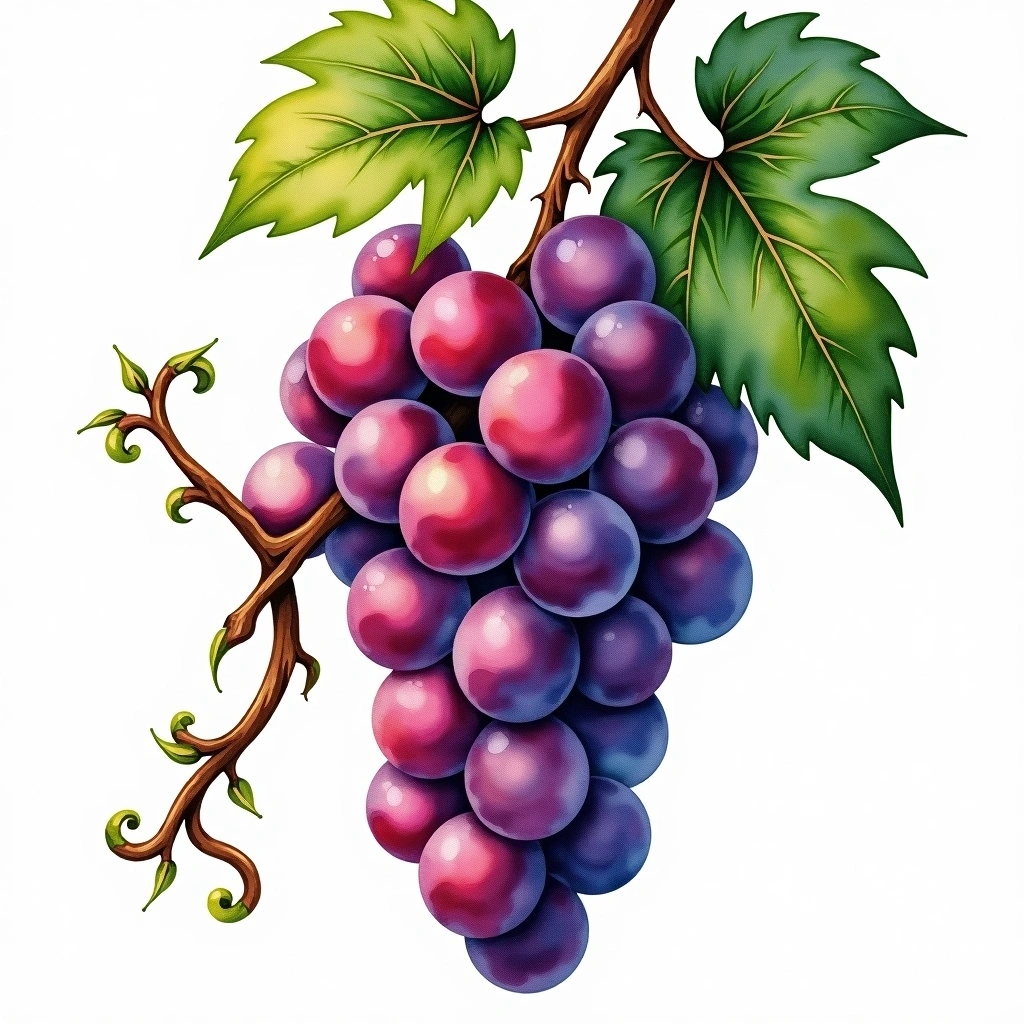 Barbera
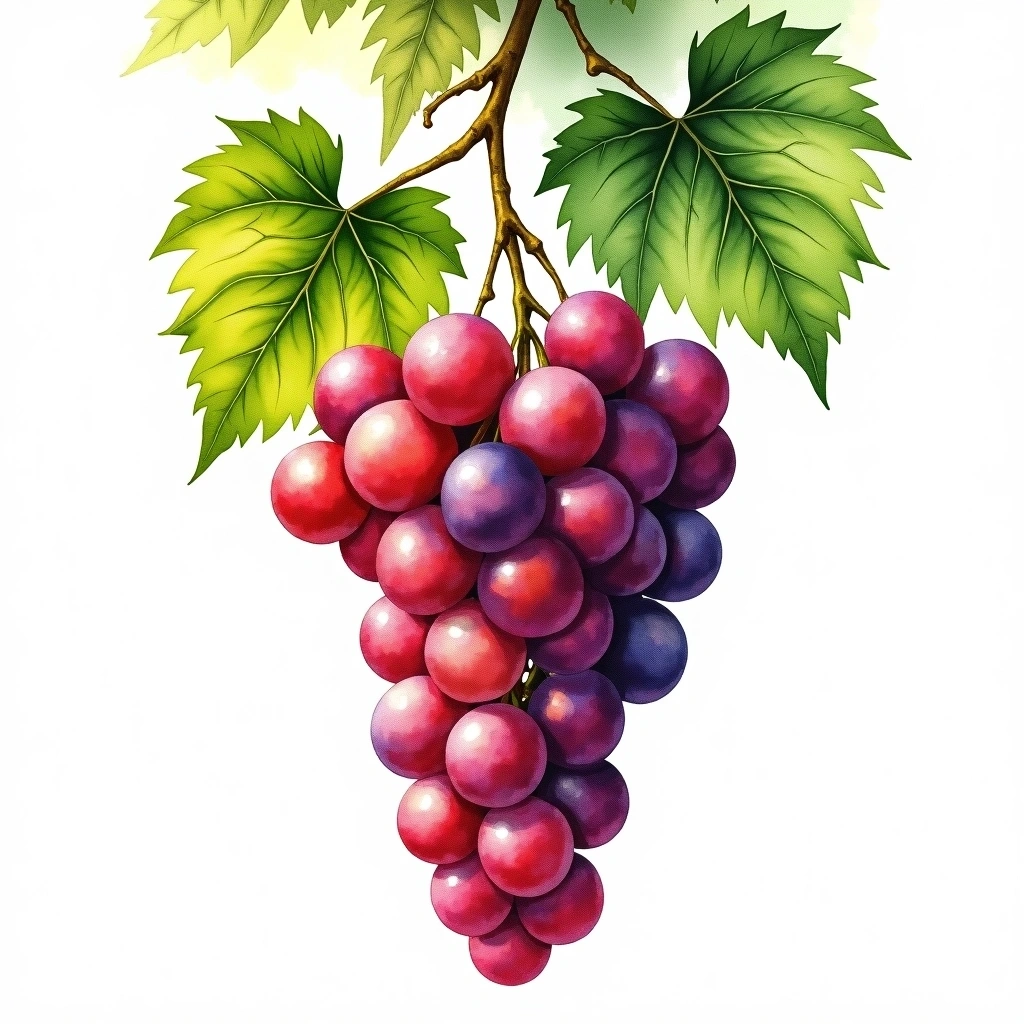 Nebbiolo
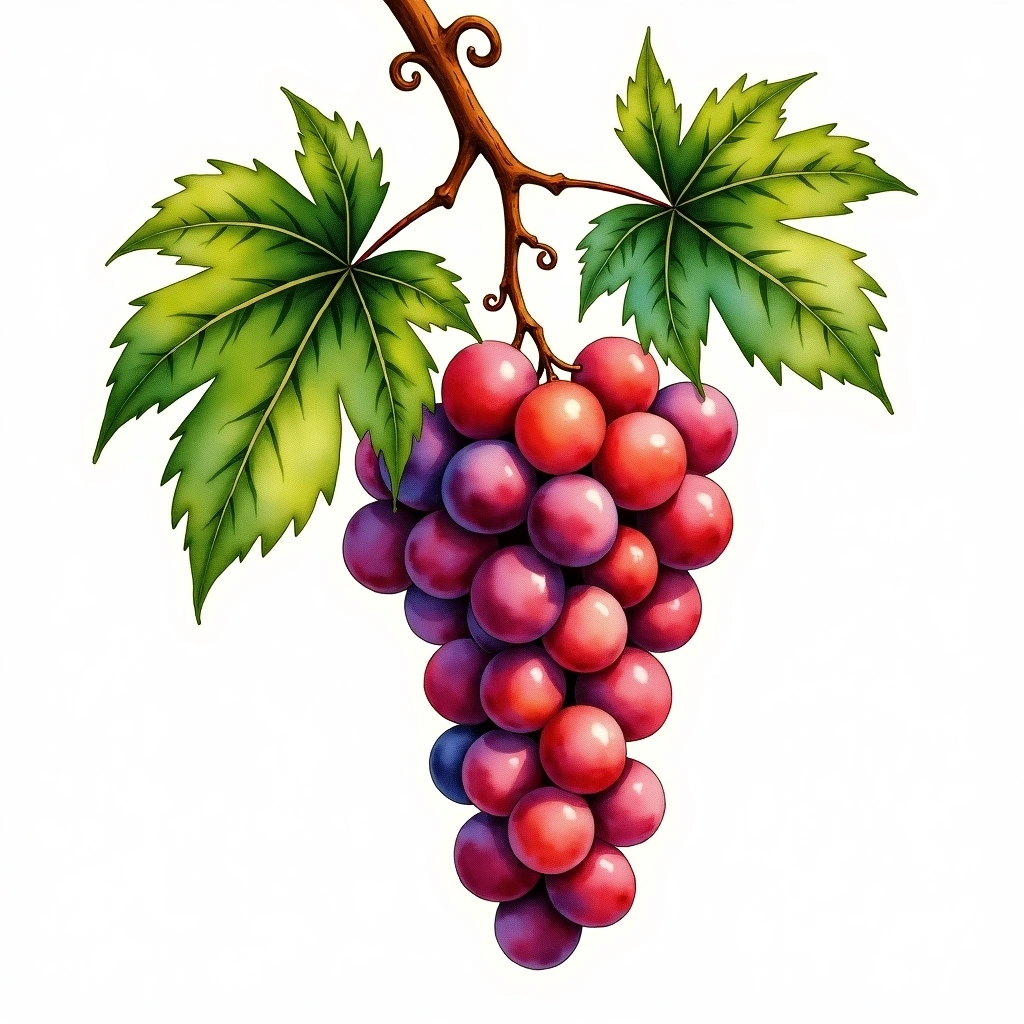 Sangiovese
 Charmat Method Sparkling
 Pétillant Naturel
 Traditional Method Sparkling