Monastic Traditions: How Monks Shaped European Wine
For a thousand years after Rome's fall, Christian monasteries preserved viticultural knowledge, pioneered terroir classification, and produced the wines that defined medieval Europe — laying the foundations of Burgundy, Champagne, and Mosel.
When the Church Became the Vineyard
When the Western Roman Empire fragmented in the fifth century CE, it took with it most of the administrative, commercial, and intellectual infrastructure that had sustained Roman viticulture. Roads deteriorated, trade networks collapsed, cities shrank, and the agricultural knowledge accumulated over centuries was in danger of being lost. It was the Christian Church — and above all its monasteries — that caught this falling inheritance and carried it forward through the Dark Ages and into the medieval flowering of European civilization.
For roughly a thousand years, from the sixth to the sixteenth century, monasteries were the dominant force in European wine production. They owned the best vineyards, employed the most skilled winemakers, controlled much of the wine trade, and produced the texts in which viticultural knowledge was preserved and transmitted. When we drink a wine from Burgundy today, we are drinking, at some remove, the fruit of monastic labor.
The Necessity of Wine for the Church
The intimate relationship between Christianity and wine was not accidental — it was theological. The Eucharist, the central sacrament of the Catholic Church, required wine: the transformation of bread and wine into the body and blood of Christ was the defining act of Christian worship, and it required that every church, every monastery, every cathedral chapter have a reliable supply of wine. This liturgical necessity drove the Church to become the largest institutional wine producer in medieval Europe.
Beyond the Eucharist, wine served a range of monastic purposes. The Rule of Saint Benedict (circa 516 CE), the foundational document of Western monasticism, permitted monks to consume a daily hemina (roughly half a liter) of wine. Monastic hospitals used wine as a medicinal agent, following the tradition of Hippocratic medicine that had regarded wine as a therapeutic substance. Monasteries produced wine for sale — a major source of income — and for hospitality, since medieval religious houses were obligated to receive travelers and pilgrims.
All of these needs created powerful institutional incentives to develop and maintain high-quality viticulture. A monastery with poor wine was a monastery with inadequate sacramental supply, poor hospital care, and diminished income. Excellence in winemaking was not a luxury — it was a functional requirement of monastic life.
The Benedictines and the Preservation of Knowledge
Saint Benedict's founding of Monte Cassino in 529 CE and the subsequent spread of the Benedictine Rule across Western Europe established the institutional framework within which monastic viticulture would develop. Benedictine monasteries became repositories of agricultural knowledge — including the viticultural texts of the Roman agronomists — and centers of practical agricultural innovation.
In Burgundy, the great Benedictine abbey of Cluny, founded in 910 CE, became the most powerful religious institution in medieval Europe and one of its most significant wine producers. Cluny's daughter houses spread Burgundian viticulture across the region, consolidating vineyard ownership, standardizing cultivation practices, and beginning the systematic observation of how different parcels of land produced wines of different character — the empirical foundation of what would eventually be codified as Terroir thinking.
The Loire Valley's history of viticulture is similarly inseparable from monastic activity. The Abbey of Fontevraud, the great monastery at Tours associated with Saint Martin (who, legend has it, accidentally discovered the benefits of vine pruning when his donkey ate the vines), and dozens of smaller houses along the Loire Valley contributed to the development of varieties like Chenin Blanc and the distinctive wine styles of Vouvray, Saumur, and Anjou.
The Cistercians and the Birth of Terroir
If the Benedictines preserved Roman viticultural knowledge, it was the Cistercians — the austere reform movement founded at Cîteaux in 1098 — who took its application to a new level of systematic precision. The Cistercian Order, committed to manual labor, self-sufficiency, and the elimination of ostentation, made viticulture a central monastic activity and approached it with a scientific rigor that anticipated modern enological thinking.
The most consequential Cistercian viticultural project was at Clos de Vougeot in Burgundy, a 50-hectare walled vineyard (clos) that the monks of Cîteaux acquired and developed over the course of the twelfth and thirteenth centuries. The monks of Clos de Vougeot did something that seems simple but was, in its historical context, revolutionary: they tasted the wines produced from different parts of the vineyard systematically and over many years, mapping the relationships between soil, slope, exposure, and wine quality with meticulous care. They found that grapes from different parcels within the same vineyard produced wines of measurably different character.
This systematic observation — the recognition that specific places produce wines with specific identities — is the empirical core of the Terroir concept. The Cistercians did not have our modern vocabulary for what they were observing, but they acted on their observations, selecting the best parcels for the finest wines and developing a hierarchy of quality linked to specific geographical locations. The language of Cru (growth), Grand Cru, and the entire edifice of Burgundian vineyard classification — eventually codified in modern French Appellation law — has its roots in Cistercian empiricism.
The Cistercians also made important advances in winemaking technology. Their monasteries invested in infrastructure — presses, fermentation cellars, storage facilities — of a quality that secular wine producers of the era rarely matched. The great Cistercian press at Clos de Vougeot, still preserved on the site today, is one of the largest surviving examples of medieval wine technology.
Dom Pérignon and the Transformation of Champagne
No single figure in monastic wine history is more celebrated — or more mythologized — than Dom Pierre Pérignon, the cellar master (dom de cave) of the Benedictine Abbey of Hautvillers in the Champagne region from 1668 until his death in 1715. The legend that Dom Pérignon "invented" Champagne by discovering sparkling wine is a nineteenth-century confection — sparkling wine predates his work at Hautvillers — but his genuine contributions to the development of Champagne's distinctive style were substantial and transformative.
Dom Pérignon's actual achievements centered on three areas. First, he was among the earliest practitioners of what we now call assemblage — the blending of wines from different vineyards and grape varieties to achieve a consistency and complexity that no single-vineyard wine could match. His annual cuvées drew on grapes from across the Hautvillers estate and beyond, combining Pinot Noir from the Montagne de Reims with Chardonnay from the Côte des Blancs to create blends of extraordinary balance. This art of blending remains the foundation of the great Champagne house style.
Second, Dom Pérignon worked to improve the clarity and purity of Champagne's wines through careful vineyard management, including the selection and cultivation of Pinot Noir that could produce pale, delicate juice despite being a red-skinned variety. Third, and perhaps most practically, he worked with the glassmakers and cork suppliers of the region to develop bottles strong enough to contain the pressure of sparkling wine and stoppers tight enough to seal them reliably. The Méthode Traditionnelle that Dom Pérignon helped systematize remains the method by which Champagne is made today.
The Mosel and German Monasticism
In Germany, the Mosel and Rhine valleys were transformed by monastic viticulture to a degree matched only by Burgundy. The Bishops of Trier, one of the great prince-bishop sees of the Holy Roman Empire, were among the earliest and most systematic cultivators of Riesling on the Moselle's steep slate slopes. The monastery of St. Maximin in Trier, the Abbey of Himmerod, and dozens of smaller houses maintained vineyards on the most demanding and geologically distinctive sites in the region.
The identification of Riesling as the noble variety of the Mosel — its selection over competing varieties on account of its extraordinary ability to express the mineral character of slate soils — was a process that unfolded over centuries of monastic observation and selection. Eighteenth-century references to Riesling as the defining variety of the Mosel's finest sites reflect the culmination of a much longer process of varietal selection that monasteries, with their long institutional memories and multi-generational ownership of vineyards, were uniquely positioned to carry out.
The Dissolution and Its Aftermath
The monastic wine tradition came to an abrupt end in most of Europe during the Reformation and the revolutionary period. In Protestant Germany, England, Scandinavia, and much of Switzerland and the Netherlands, monastic properties were seized and secularized in the sixteenth century. In France, the Revolution of 1789 dissolved the monasteries and sold their vineyard holdings — including the great Burgundian clos — at public auction. In much of the rest of Catholic Europe, the nineteenth-century liberal revolutions that followed Napoleon's reorganization of the continent similarly stripped the Church of its agricultural holdings.
The dissolution transferred monastic vineyards to secular owners — the nobility, the emerging bourgeoisie, wine merchants — who competed for ownership of the best plots. In Burgundy, the post-Revolutionary fragmentation of large monastic holdings through the Napoleonic inheritance laws eventually created the extraordinary parcellated landscape that defines the region today, where a single Grand Cru vineyard may be divided among dozens of independent Domaine owners.
Yet the viticultural knowledge accumulated in monasteries did not disappear with the monasteries themselves. It survived in the practices of secular winemakers who had learned their craft under monastic tutelage, in texts copied and preserved in monastic libraries, and above all in the vineyards themselves — in the site selections, the varietal choices, the pruning and cultivation practices that centuries of monastic observation had refined.
A Living Legacy
Modern visitors to Burgundy's Côte d'Or walk through a landscape that is, in its essential configuration, a medieval monastic creation. The stone walls of the clos, the terroir classifications embedded in the Grand Cru and Cru hierarchy, the dominance of Pinot Noir on the red wine slopes and Chardonnay on the whites — all of this reflects choices made by Cistercian and Benedictine monks over the course of five hundred years.
The Champagne region's identity as a producer of the world's most celebrated sparkling wine would not exist without Dom Pérignon's contributions to blending and production technology. The Mosel's identity as Germany's finest Riesling region reflects a millennium of monastic selection of sites and varieties.
Winemaking Technology and Monastic Innovation
Beyond viticultural site selection, monasteries made important advances in winemaking technology itself. The great Cistercian press houses — exemplified by the surviving fourteenth-century cuverie at Clos de Vougeot — housed pressing equipment of enormous sophistication, driven by massive beams and stone counterweights that could extract juice from grape must with controlled, graduated pressure. This controlled pressing was crucial to producing wines of the pale, delicate character that the Cistercians prized, particularly in Burgundy where the goal was always finesse over extraction.
Monasteries also pioneered systematic cellar management. The concept of maintaining consistent cellar temperature, protecting maturing wine from temperature fluctuations, and managing Fermentation through careful monitoring of must temperature were all practices developed and refined in monastic cellars. The great stone cellars of Cluny, Cîteaux, and their daughter houses, carved deep into the limestone and clay of the Côte d'Or, maintained the cool, stable temperatures that slow, complete fermentation required. These practices, obvious in retrospect, represented real innovations at a time when most secular winemaking was conducted in much more rudimentary conditions.
The Church's extensive network of communication between monasteries also functioned as a knowledge-transfer system for winemaking practice. When a winemaker at a Cistercian house in Burgundy discovered a technique for clarifying wine or managing a difficult fermentation, that knowledge could spread through the network of abbeys and priories across Europe. The same channels that transmitted theological debate and liturgical practice also transmitted practical agricultural wisdom.
The Monastic Aesthetic and Wine Style
Monastic wine production was shaped by aesthetic values that distinguished it from secular production. The Cistercian ideal of simplicity and the rejection of ostentation extended to wine: the Cistercians sought purity and precision in their wines, not the sweetness, high alcohol, or heavy spicing that characterized much popular medieval wine. This aesthetic preference drove a quality orientation that selected for specific soil types, lower yields, careful pressing, and patient cellaring — in short, most of the practices that define premium wine production today.
The Benedictine tradition, somewhat less austere, nevertheless shared this commitment to quality in the wines produced for liturgical purposes and for the monastery's distinguished guests. The concept that wine produced for the Mass should be the finest available — that honoring the divine required the best that the vineyard could offer — created a permanent quality incentive that secular commercial production could not always match.
A Living Legacy
Modern visitors to Burgundy's Côte d'Or walk through a landscape that is, in its essential configuration, a medieval monastic creation. The stone walls of the clos, the terroir classifications embedded in the Grand Cru and Cru hierarchy, the dominance of Pinot Noir on the red wine slopes and Chardonnay on the whites — all of this reflects choices made by Cistercian and Benedictine monks over the course of five hundred years.
The Champagne region's identity as a producer of the world's most celebrated sparkling wine would not exist without Dom Pérignon's contributions to blending and production technology. The Mosel's identity as Germany's finest Riesling region reflects a millennium of monastic selection of sites and varieties.
Monasteries did not merely preserve wine culture through the Dark Ages — they transformed it, elevating a practical agricultural activity into a disciplined art form and embedding its finest expressions in specific landscapes with such precision that these landscapes still produce recognizable, distinctive wines nearly a millennium later. That is perhaps the most remarkable agricultural experiment in human history.
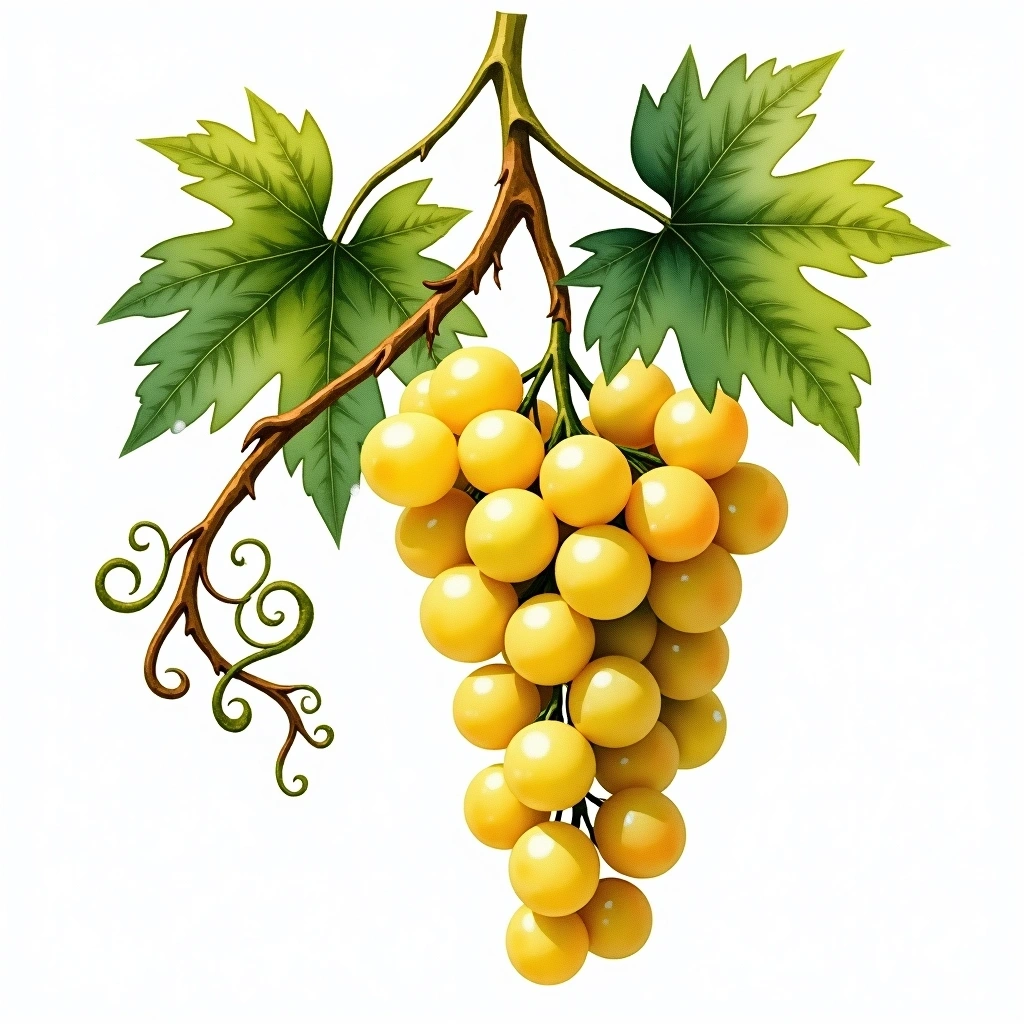 Chardonnay
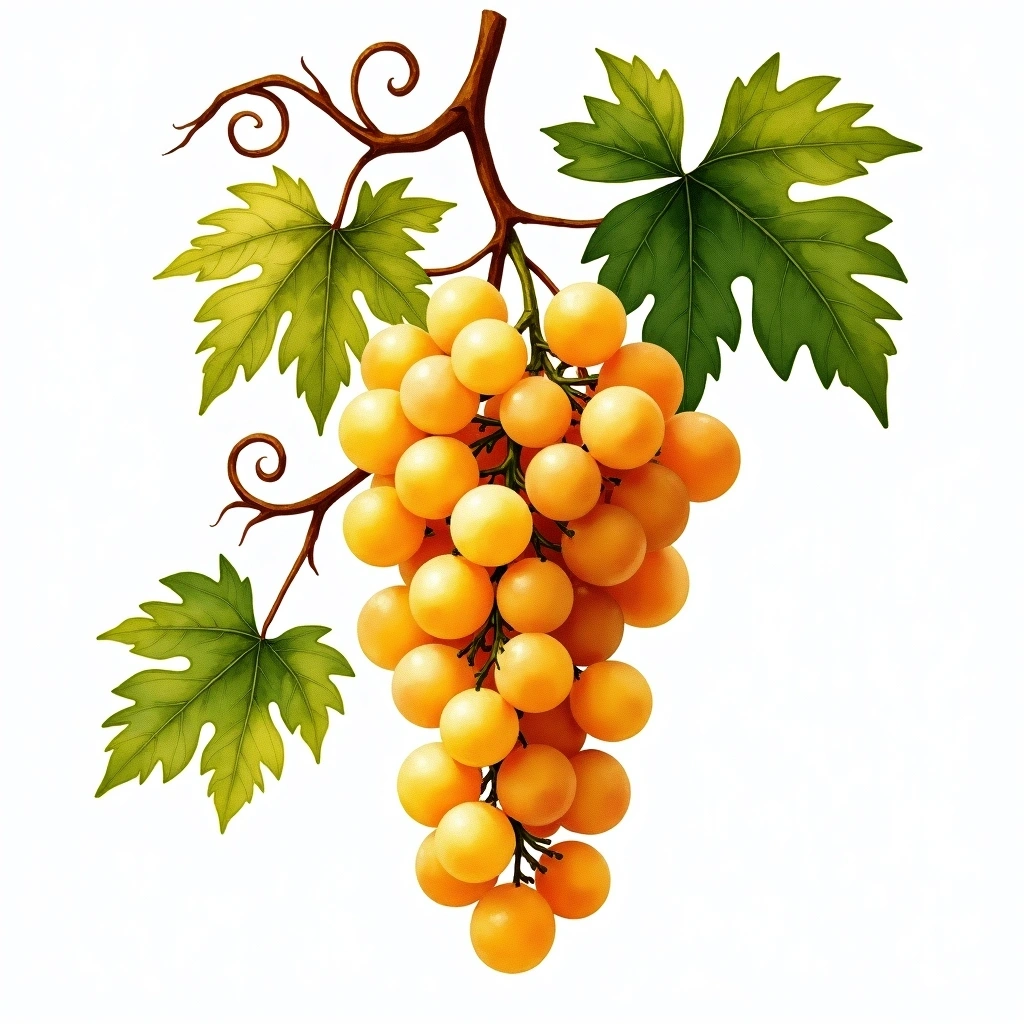 Chenin Blanc
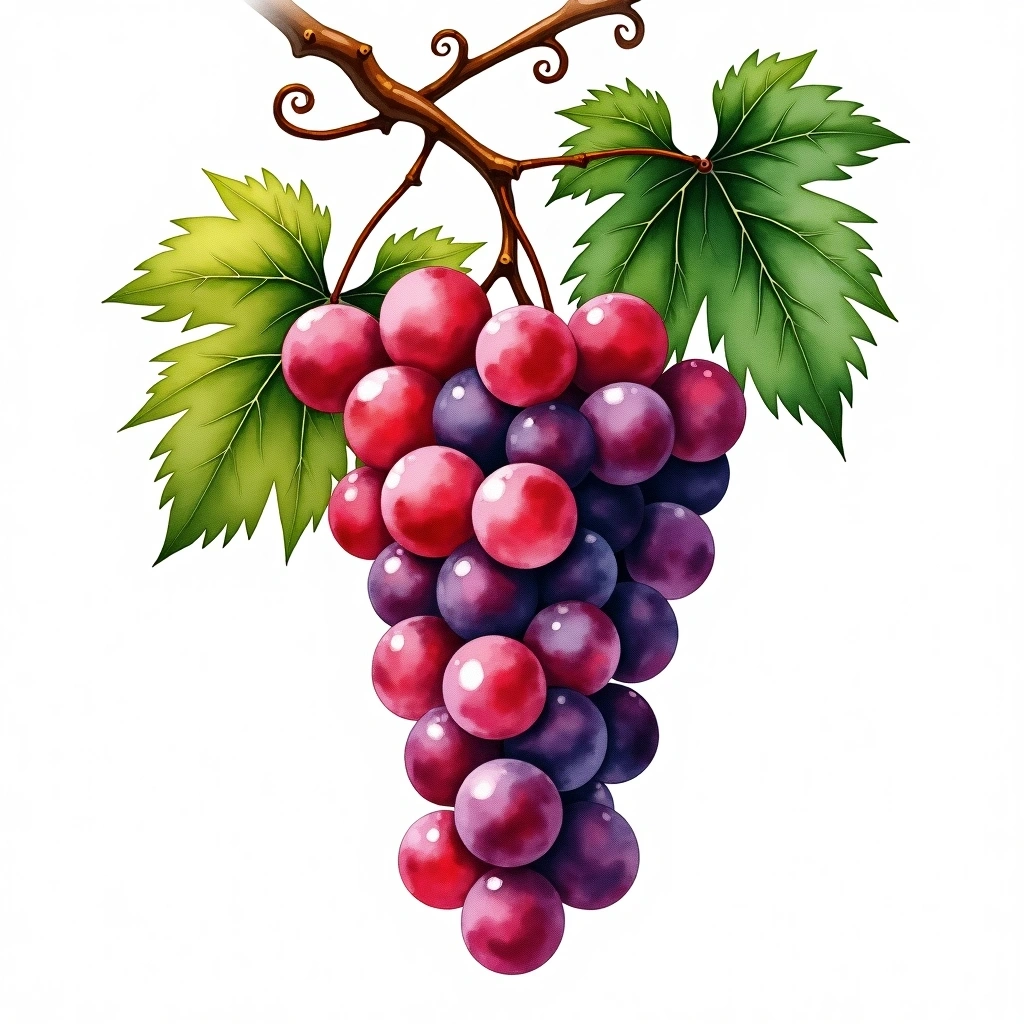 Pinot Noir
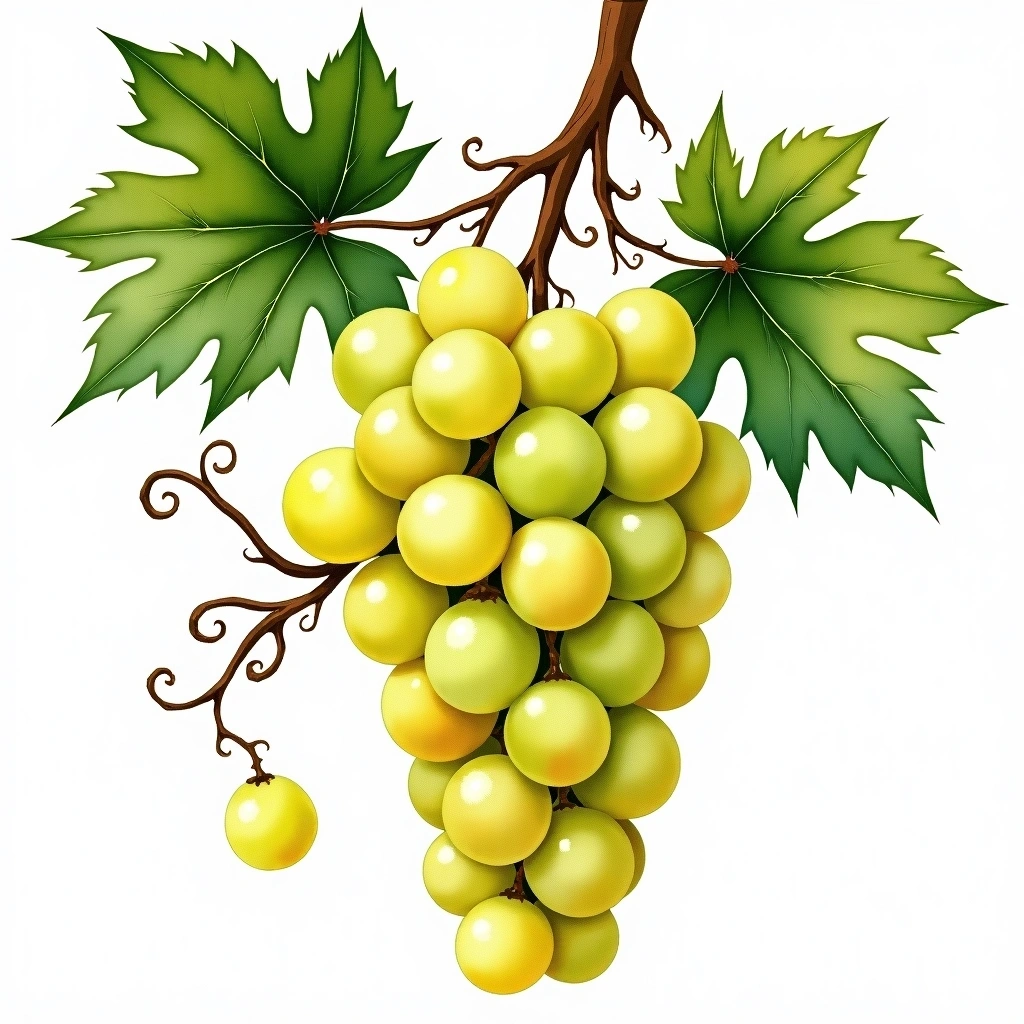 Riesling
 Crisp White
 Elegant Red
 Light Red
 Rich White