Pinot Noir: The Heartbreak Grape
Why Pinot Noir is the most difficult and rewarding grape in the world — from Burgundy's grand crus to Oregon's Willamette Valley, with tasting and pairing guidance.
Why "Heartbreak"?
Pinot Noir has earned its grim nickname honestly. The vine is thin-skinned, disease-prone, genetically unstable, and spectacularly demanding about where and how it is grown. It buds early (inviting frost damage), clusters tightly (encouraging rot), mutates freely, and yields small quantities. When things go wrong — and they often do — Pinot Noir produces thin, pale, unremarkable wine.
When things go right, though, Pinot Noir produces some of the most hauntingly beautiful wines on earth. A great Burgundy, a peak-vintage Oregon Pinot, or a top Central Otago bottling can deliver an emotional experience that no other grape replicates. That gap between the devastating lows and the transcendent highs is exactly why winemakers keep trying — and why the grape earns its reputation as the heartbreak variety.
Physical Characteristics
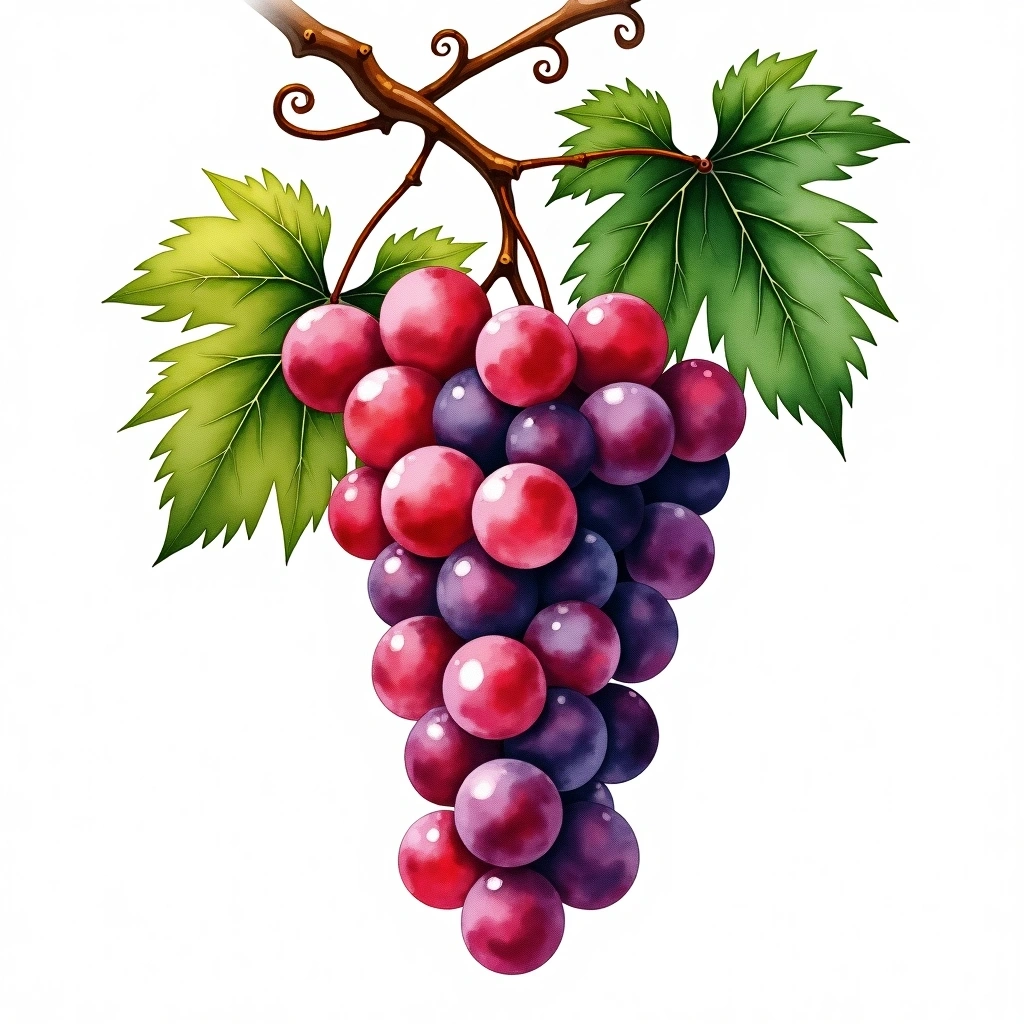
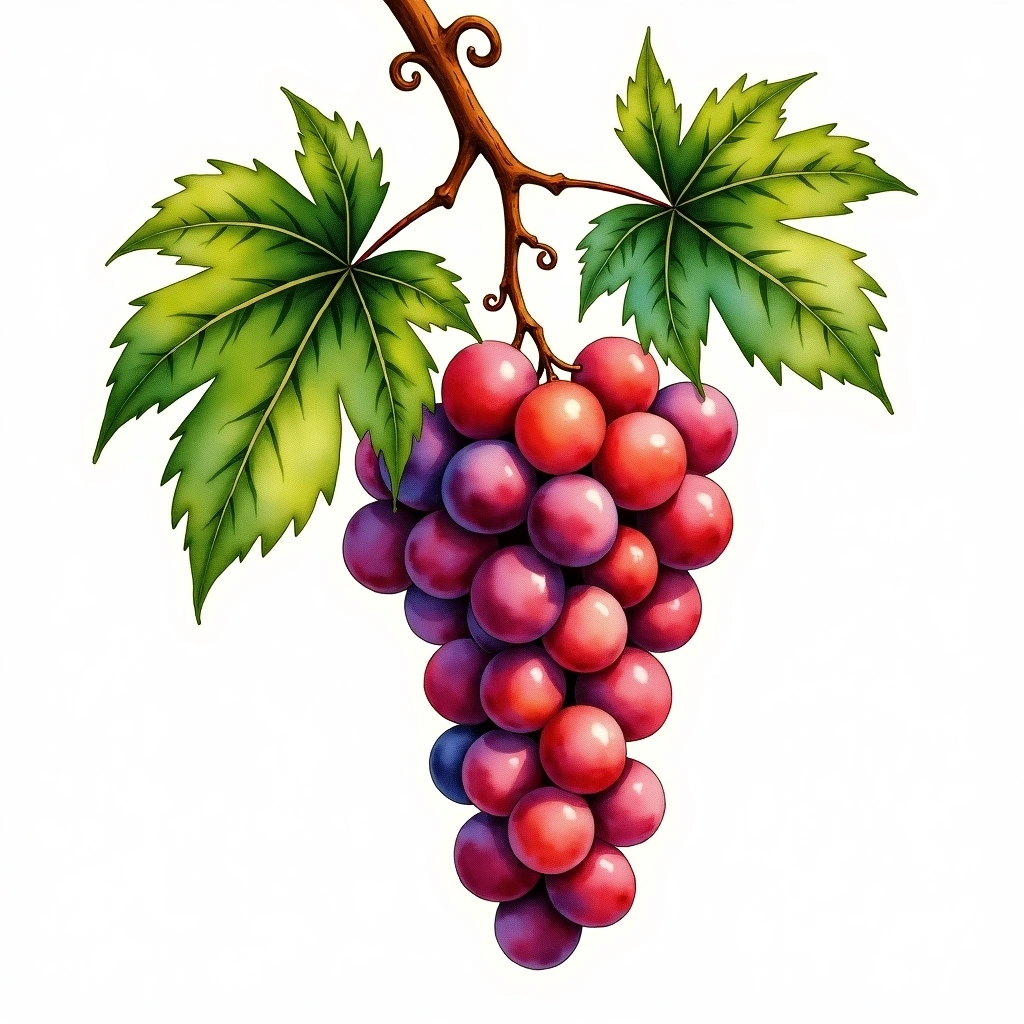
The berries are small, thin-skinned, and grow in tight, pine-cone-shaped clusters (the name "Pinot" derives from the French word for pine cone). The thin skins mean less pigment, less Tannin, and less buffer against disease. This is a grape that demands constant attention in the vineyard.
Genetically, Pinot Noir is ancient and unstable. It has spawned hundreds of mutations and clonal variations over the centuries — Pinot Gris, Pinot Blanc, and Pinot Meunier are all members of the Pinot family. This genetic variability means that clonal selection (choosing which specific Pinot Noir clone to plant) has an outsized impact on the finished wine.
Flavor Profile
Pinot Noir's aromatics are its calling card. Where Cabernet Sauvignon leads with structure and power, Pinot leads with perfume and nuance.
Young Pinot Noir (1-5 Years)
- Fruit: Red cherry, raspberry, strawberry, cranberry. Warmer-climate versions push toward black cherry and plum.
- Floral: Violet, rose petal, dried flowers.
- Spice: Cinnamon, clove, allspice (often enhanced by oak).
- Earth: Damp forest floor, mushroom (more pronounced in Burgundy).
Mature Pinot Noir (5-15+ Years)
- Fruit: The bright red fruit darkens and dries — dried cherry, fig, prune.
- Savory: Leather, game, smoke, truffle.
- Earth: Wet leaves, iron, graphite.
- Tertiary: Tea leaf, dried herbs, tobacco.
On the Palate
Light to medium Body with high Acidity, fine-grained tannins, and a silky texture that is uniquely Pinot. The Finish ranges from medium in simpler examples to extraordinarily long in great ones. The wine should feel transparent — you should taste the vineyard through the grape rather than the grape over the vineyard.
The Importance of Terroir
No grape variety is more sensitive to Terroir than Pinot Noir. The same clone, planted in two vineyards separated by a few hundred meters, will produce noticeably different wines. This is why Burgundy's vineyard classification system — which ranks individual plots, not estates or producers — makes sense for Pinot in a way it might not for more robust varieties.
Soil type, drainage, elevation, aspect (the direction the slope faces), and microclimate all register clearly in the finished wine. In Burgundy, the difference between a village-level wine and a Premier Cru from the adjacent vineyard can be striking. The difference between a Premier Cru and a Grand Cru can be profound.
This terroir sensitivity is both Pinot Noir's greatest strength and its greatest challenge. It rewards great vineyard sites with wines of extraordinary specificity. But it also punishes poor sites, careless farming, and bad vintages with merciless clarity.
Major Regions
Burgundy, France
Burgundy is Pinot Noir's ancestral home and the standard against which all others are judged. The Cote d'Or — a narrow limestone escarpment running roughly 50 kilometers from Dijon south to Santenay — contains the most hallowed Pinot Noir vineyards on earth.
The hierarchy runs:
- Regional (Bourgogne Rouge) — Entry-level, blended from across the region.
- Village (Gevrey-Chambertin, Volnay, Pommard, etc.) — From vineyards within a single commune.
- Premier Cru — Named vineyard sites of recognized quality within a commune.
- Grand Cru — The pinnacle: 33 red Grand Cru vineyards across the Cote d'Or.
Key communes and their general character:
| Commune | Character |
|---|---|
| Gevrey-Chambertin | Powerful, structured, dark-fruited |
| Chambolle-Musigny | Perfumed, silky, delicate |
| Vosne-Romanee | Complex, layered, spicy |
| Nuits-Saint-Georges | Earthy, firm, savory |
| Volnay | Elegant, floral, feminine |
| Pommard | Dense, tannic, robust |
Burgundy Pinot Noir can be rapturously good — and also staggeringly expensive. Domaine de la Romanee-Conti, the region's most famous estate, sells wines for thousands of dollars per bottle. But excellent village-level Burgundy from a good producer can still be found for $30-50, which is where most exploration should begin.
Oregon, USA
The Willamette Valley, with its cool climate, long growing season, and volcanic and sedimentary soils, has become the most important New World region for Pinot Noir. Oregon Pinot tends to sit stylistically between Burgundy and California — more fruit-forward than Burgundy but more restrained and acid-driven than most California versions.
Sub-regions to know: Dundee Hills (red volcanic soil, rich and earthy), Eola-Amity Hills (wind-exposed, structured and bright), and Ribbon Ridge (small-berried, intense).
Other Key Regions
- Sonoma Coast / Russian River Valley — California's best Pinot country. Riper and more opulent than Oregon, but top producers achieve genuine complexity.
- Marlborough / Central Otago, New Zealand — Marlborough offers vibrant, cherry-driven Pinot; Central Otago (the world's southernmost wine region) produces darker, more concentrated examples.
- Champagne — Pinot Noir is the backbone of most Champagne blends, contributing body, structure, and red-fruit depth.
- Germany (Spatburgunder) — The Ahr and Baden regions produce increasingly serious Pinot Noir, often lighter and more acid-driven than New World versions.
Food Pairings
Pinot Noir is one of the most food-friendly red wines. Its high acidity, moderate tannin, and lighter body allow it to partner with dishes that would clash with heavier reds like Cabernet Sauvignon.
Perfect Partners
- Roast duck or duck confit — The classic match. Duck fat and Pinot's acidity create a luxurious balance.
- Wild mushroom risotto — Earthy Burgundy Pinot and mushrooms are a natural pairing.
- Grilled salmon — One of the few reds that works beautifully with rich fish. The key is the wine's low tannin.
- Coq au vin — Literally "chicken in wine," traditionally made with Burgundy. Cooking with Pinot and drinking it alongside is circular logic at its finest.
- Charcuterie — Terrines, pates, prosciutto. The wine's acidity cuts through fat while its fruit complements cured meat.
- Gruyere and Comte — Nutty, semi-hard cheeses that do not overwhelm the wine.
What to Avoid
Very spicy food, heavy barbecue sauce, and very tannic cheeses will overpower Pinot's delicacy. For those, choose a wine with more body — Syrah or Merlot.
Aging Potential
Pinot Noir's aging curve is different from Cabernet Sauvignon's. Where Cabernet needs years of tannin integration, Pinot's finer tannins resolve more quickly — but the best examples develop remarkable complexity over time.
- Village Burgundy / Oregon / NZ: 3-8 years
- Premier Cru Burgundy / top Oregon: 5-15 years
- Grand Cru Burgundy: 10-30+ years
Pinot is more sensitive to storage conditions than thicker-skinned reds. Temperature fluctuations, light exposure, and vibration all damage it more quickly. If you are aging Pinot, invest in proper storage.
Buying Advice
- Under $20: Chile and New Zealand offer reliable, fruit-forward Pinot. Do not expect Burgundy depth, but you will find clean, enjoyable wine.
- $20-40: Oregon, Sonoma Coast, and village-level Burgundy from good producers. This is the sweet spot for quality and value.
- $40-80: Premier Cru Burgundy, single-vineyard Oregon, and top New Zealand. Serious wines for serious occasions.
- $80+: Grand Cru Burgundy and iconic producers. Allocation lists and patience required.
The producer matters more in Pinot Noir than in almost any other variety. A skilled winemaker with average fruit will outperform a mediocre winemaker with Grand Cru grapes. Research producers before appellations.
Serving Pinot Noir
Temperature is critical for Pinot Noir — more so than for any other red. Serve it at 14-16 C (57-61 F), which is noticeably cooler than Cabernet Sauvignon or Syrah. Too warm, and the alcohol dominates the delicate aromatics; too cold, and the tannins tighten up and the fruit disappears.
If your Pinot comes straight from a 22 C room, give it 15 minutes in the refrigerator before opening. If it comes from a cellar at 12 C, let it warm in the glass for 10 minutes.
Use a large Burgundy glass — the wide, balloon-shaped bowl gives Pinot Noir's complex aromatics room to develop. Swirl gently and return to the glass periodically; great Pinot Noir evolves in the glass over the course of an hour, revealing new layers each time you revisit it.
Decanting is usually unnecessary for Pinot Noir. The wine's delicate structure and aromatics can dissipate in a decanter. If you must decant (to remove sediment from an old bottle), pour gently and drink within 30 minutes.
The Allure and Frustration
No grape variety inspires as much passion — or as much disappointment — as Pinot Noir. The wine writer Matt Kramer described Burgundy as "the most geologically expressive wines on earth," and that expressiveness is Pinot Noir's gift. When you taste a great Pinot from Vosne-Romanee, you are not just tasting wine — you are tasting a specific piece of limestone hillside in eastern France, the weather of a particular year, and the philosophy of a particular farmer.
But mediocre Pinot Noir is uniquely disappointing. There is nowhere to hide. A dull Cabernet can coast on structure and oak. A dull Pinot has nothing — just thin, acidic, characterless liquid. This is why producer selection matters so much, and why drinking widely and taking notes is the only way to build a reliable mental map of the variety.
 Chardonnay
 Grenache
 Nebbiolo
 Pinot Noir
 Sangiovese
 Elegant Red
 Light Red
 Medium Red