The Ancient Origins of Wine: 8,000 Years of History
Trace the 8,000-year story of wine from its earliest origins in the South Caucasus through the civilizations of Mesopotamia, Egypt, Greece, and Rome, and discover how this ancient beverage shaped culture, religion, and trade across the ancient world.
Wine Before History Began
The story of wine stretches so far back that it predates written language by thousands of years. The oldest direct chemical evidence of wine comes from pottery jars unearthed in the village of Hajji Firuz Tepe in northwestern Iran, dated to around 5400–5000 BCE. The jars contained residue of tartaric acid, a compound found almost exclusively in grapes, along with tree resin likely used as a preservative. Humans were deliberately making and storing wine before they had cities, laws, or money.
Even earlier evidence surfaced in the Republic of Georgia, where archaeologists at the sites of Gadachrili Gora and Shulaveris Gora found grape seeds, vine pollen, and pottery with grape residue dated to approximately 6000 BCE. Georgia, nestled between the Black Sea and the Caspian, sits at the heart of the wild Vinifera grape's native range — the region where Vitis vinifera subspecies sylvestris still grows uncultivated in the forests today. It is the most persuasive candidate for the birthplace of wine.
The Neolithic Discovery
Wine was almost certainly discovered by accident, as most great human innovations are. Wild grapes contain the sugars, yeast, and liquid necessary for spontaneous fermentation. A clay vessel of crushed grapes left unattended in a warm place would begin to bubble, transform, and produce a liquid with intoxicating properties. Early humans recognized that this transformation was remarkable — and that the resulting liquid was worth reproducing deliberately.
The shift from accidental discovery to intentional cultivation marks the true beginning of human winemaking. That transition required selecting the best-producing vines, understanding the growing cycle, and developing the pottery technology to ferment and store the result. By the time the Neolithic farmers of the Caucasus had mastered this process, wine had become something more than a drink — it was a technology.
Wine in Mesopotamia and Egypt
From its Caucasian origins, wine culture spread southward and westward with remarkable speed. By 3000 BCE, winemaking had reached Mesopotamia (modern Iraq and Syria), the Levant, and Egypt. The spread followed trade routes, and wine quickly became both a luxury good and a sacred substance.
The Sumerians and Assyrians
Cuneiform tablets from ancient Mesopotamia mention wine extensively. The Epic of Gilgamesh, one of humanity's oldest literary works, features wine as a marker of civilization — the wild man Enkidu becomes fully human only when he eats bread and drinks wine. Mesopotamian records document wine being imported from mountainous regions to the north, confirming that the beverage was considered valuable enough to transport long distances even in the third millennium BCE.
The Assyrian king Ashurnasirpal II famously hosted a dedication feast for his new palace at Nimrud around 879 BCE that included thousands of amphorae of wine among the provisions. Wine had become the drink of kings, gods, and the elite.
Egypt: Wine for the Afterlife
Ancient Egyptians elevated wine to the divine. The god Osiris was associated with wine, and the vineyards of the Nile Delta produced wine for pharaohs, priests, and the wealthy. Tomb paintings from as early as 3100 BCE depict detailed grape harvesting and winemaking scenes — treading grapes, filling amphorae, and storing the finished wine. Amphorae found in tombs were often labeled with the vineyard, vintage year, and the winemaker's name, making them among the earliest wine labels in history.
Wine was important enough that it was buried with the dead. Tutankhamun's tomb, sealed around 1323 BCE, contained 26 amphoras of wine, several with text suggesting both red and white wines, as well as "sweet wine" and wine for "merrymaking." Chemical analysis of residue from these jars centuries later confirmed the presence of grape-derived compounds.
The Egyptians understood that certain regions produced better wine — a primitive but genuine concept of Terroir. The Nile Delta's vineyards were prized, and wine from specific estates commanded premium prices. This hierarchy of quality would become a defining feature of all subsequent wine cultures.
Greece: Wine as Culture
No civilization did more to spread wine and embed it in cultural identity than ancient Greece. By the first millennium BCE, wine was the centerpiece of Greek intellectual, social, and religious life. The symposium — a structured drinking gathering for elite men — was where philosophy was discussed, poetry recited, and political decisions made. Wine was not peripheral to Greek civilization; it was its social lubricant.
Dionysus and the Sacred Vine
The Greeks associated wine with Dionysus, the god of wine, ecstasy, and theater. His cult was widespread and influential, and wine featured in religious ceremonies ranging from daily household offerings to the great Dionysian festivals from which Western theater ultimately evolved. The grape harvest itself was a religious act, and the transformation of grape juice into wine was considered miraculous — evidence of divine intervention.
The Symposium
The Greek symposium was organized around wine, but the Greeks never drank it neat. They always mixed wine with water, typically in a ratio of two or three parts water to one part wine. Drinking undiluted wine was considered barbaric and was associated with Northern peoples who could not be trusted to govern themselves. The krater, a large ceramic vessel used to mix wine and water, was the symbolic centerpiece of every proper symposium.
Wine's role in Greek intellectual life cannot be overstated. Plato's Symposium is literally named after this wine-drinking institution. Socrates, famously, could drink extraordinary quantities without becoming visibly intoxicated — a quality his contemporaries found as impressive as his philosophical reasoning.
Greek Colonization and the Spread of Viticulture
Between roughly 800 and 500 BCE, Greek city-states established colonies throughout the Mediterranean — in Sicily, southern Italy, southern France, and along the Black Sea coast. They brought their vines with them. The Greek colony of Massalia (modern Marseilles) introduced viticulture to Gaul, planting the seeds of what would eventually become French wine culture. Southern Italy became so thoroughly planted with vines that the Romans called it Oenotria — "Land of Wine."
Rome: The Wine Empire
If Greece made wine a cultural institution, Rome made it an industry. At the height of the Roman Empire, wine was produced in industrial quantities across a territory stretching from Britain to Mesopotamia. Roman legions required wine as part of their daily rations — posca, a mixture of sour wine and water, was the standard soldier's drink. Wine moved along Roman roads and Roman sea lanes in staggering volumes.
Roman Viticulture Science
The Romans were remarkably sophisticated winemakers and the first to write systematically about Viticulture. Columella's De Re Rustica (first century CE) is a comprehensive agricultural manual that devotes extensive chapters to vineyard management and winemaking. It discusses vine training, pruning, soil types, and the characteristics that make some land better suited to viticulture than others — concepts that would not be significantly improved upon for nearly fifteen centuries.
Roman winemakers understood that different grape varieties produced different wines, that altitude affected flavor, and that some vineyard sites were consistently superior to others. They awarded formal recognition to their best wines: Falernian, produced on the slopes of Monte Massico in Campania, was considered the finest wine of the Roman world for several centuries. The Vintage from around 121 BCE, known as the Opimian vintage (named after the consul Opimius), was considered so exceptional that amphorae were still being sold and served a century later.
The Roman Wine Trade
Roman wine amphoras have been found at archaeological sites across Europe, North Africa, and the Middle East — physical evidence of wine's role as the Mediterranean world's most important traded commodity after grain and olive oil. Different regions specialized in different wine styles. Campania produced prestigious table wines. Spain became a major exporter of cheap, functional wine for soldiers and the urban poor. Egypt and Greece continued to produce wines traded across the eastern Mediterranean.
The Romans planted vineyards wherever their empire reached and the climate permitted. The Moselle valley (Mosel), the Rhône valley, and the Garonne river basin around modern Bordeaux all received Roman vines. Many of today's most famous wine regions are built directly on Roman foundations.
The Fall and the Monasteries
When the Western Roman Empire collapsed in the fifth century CE, wine culture did not disappear — it survived within the Christian Church. Wine was essential for the Eucharist, which meant monasteries had an ongoing religious obligation to produce it. Monks in Burgundy, the Rhône, the Rhine, and elsewhere not only maintained vineyards through centuries of political turmoil but systematically improved them, carefully observing which plots consistently produced the best wine year after year.
This monastic tradition laid the groundwork for the great European wine regions that would emerge in the medieval and early modern periods. The monks of Bourgogne, in particular, were meticulous observers who began to identify the subtle differences between adjacent vineyard plots — a practice that eventually produced the extraordinarily detailed classification system of Burgundy's grands and premiers crus.
A Continuous Thread
What is remarkable about wine's ancient history is not merely its age but its continuity. The core process — crush grapes, allow fermentation, age and store the result — has remained essentially unchanged for 8,000 years. The Vinifera species that produced wine in Neolithic Georgia is the same species that fills the vineyards of modern Bordeaux, Piemonte, and Douro today.
Wine has survived the fall of empires, religious upheaval, plagues, and the near-total destruction of European vineyards by the phylloxera pest in the nineteenth century. That resilience speaks to something fundamental about wine's relationship with human civilization. We have always found a reason to grow the vine, ferment the juice, and share the result. Eight thousand years of evidence suggests we always will.
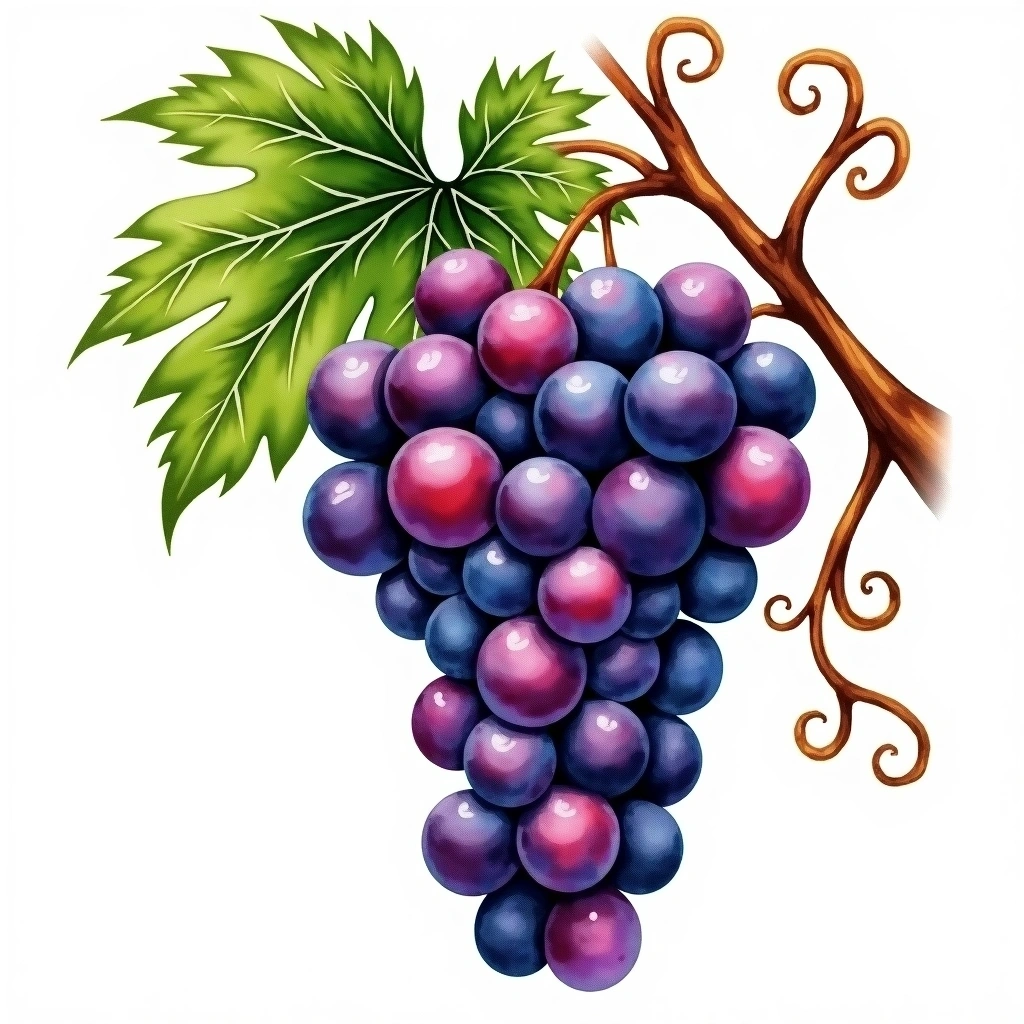 Cabernet Sauvignon
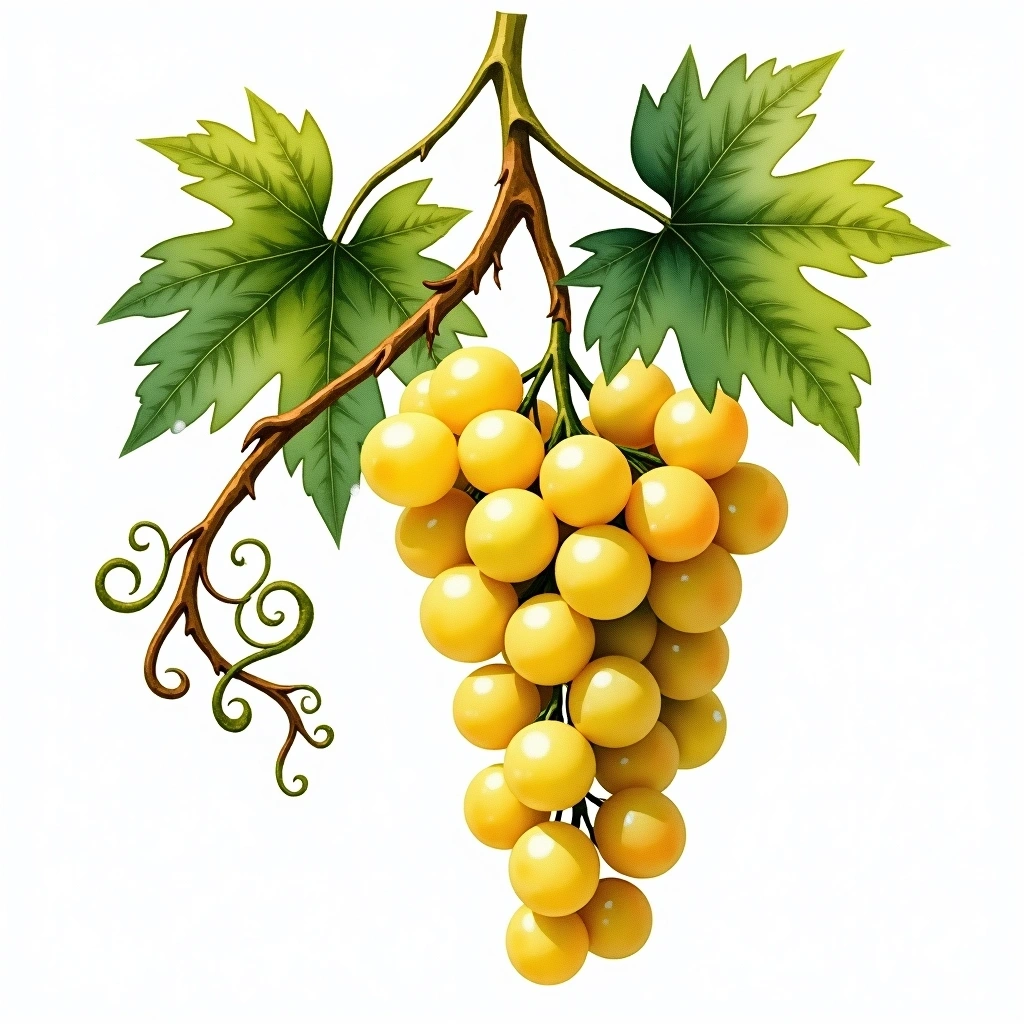 Chardonnay
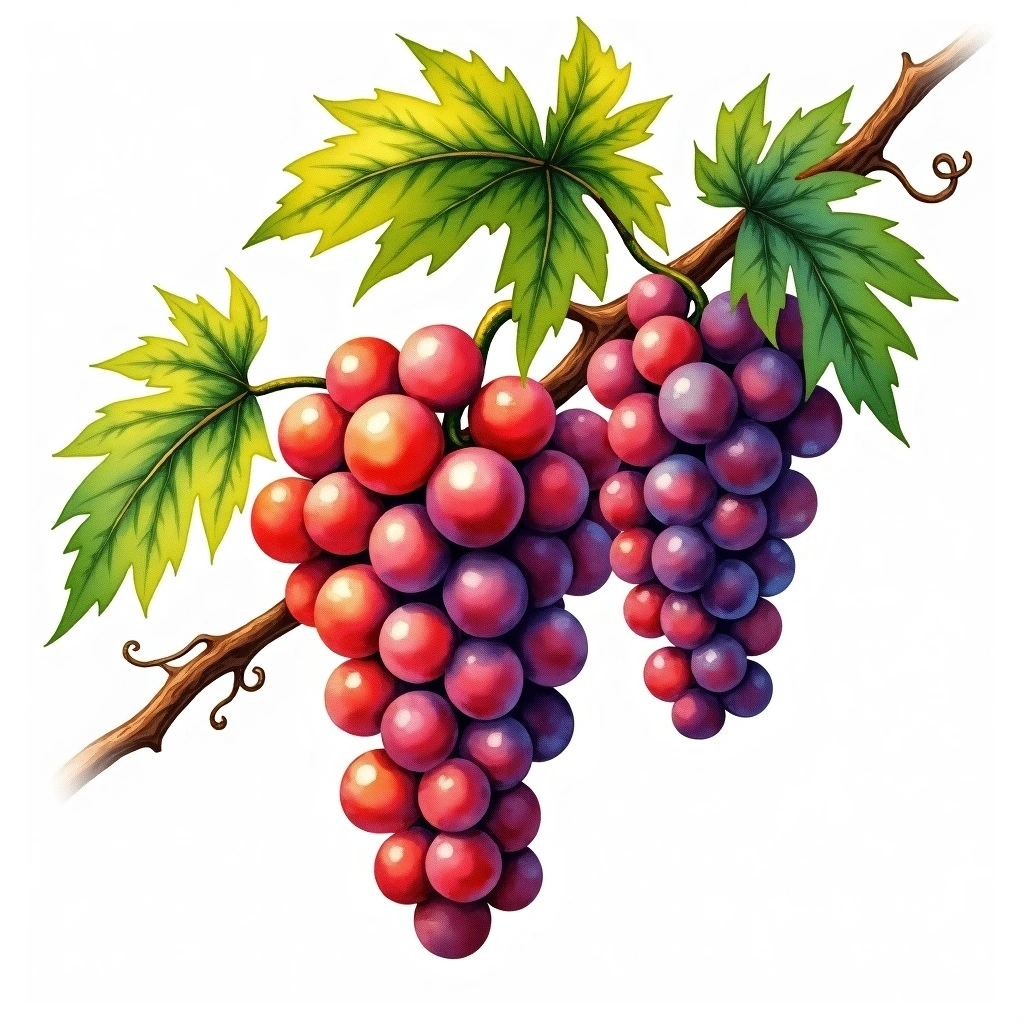 Grenache
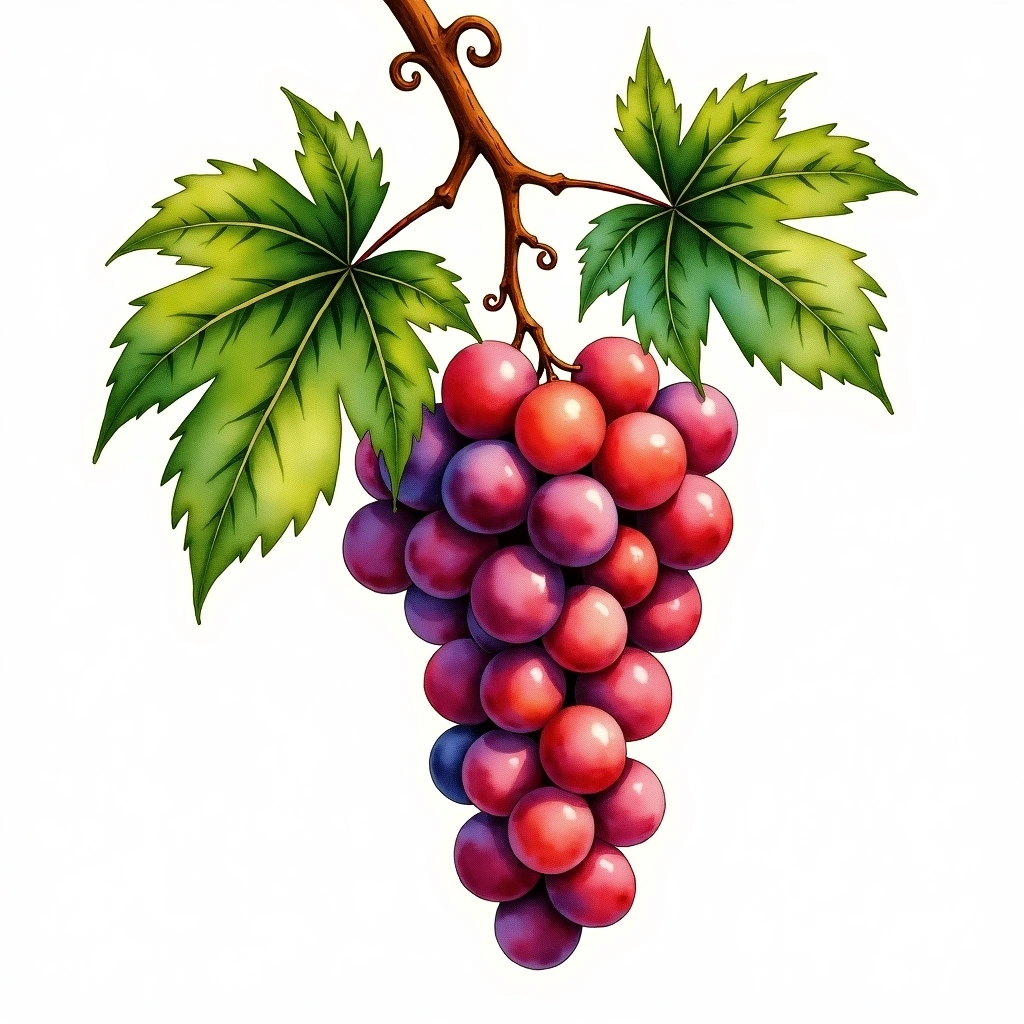 Sangiovese
 Bold Red
 Port Style
 Rich White