Albariño: The Atlantic White That Defines Rías Baixas
Explore Albariño, the aromatic white grape of northwest Spain and northern Portugal, known for its saline minerality, stone-fruit intensity, and exceptional affinity with seafood.
Albariño: The Atlantic White That Defines Rías Baixas
There are grapes that become so deeply entwined with a single place that to speak of one is to invoke the other. Albariño and the windswept coastline of Galicia in northwest Spain share exactly this kind of bond. For centuries, this aromatic white grape has thrived in the humid, rain-soaked vineyards overlooking the Atlantic, producing wines of startling freshness that taste, quite literally, of the sea.
Yet Albariño's story extends far beyond any single appellation. Its genetic links to Portuguese Alvarinho, its adaptation to diverse climates from California to New Zealand, and its rising global reputation make it one of the most compelling white grapes to study and enjoy today.
History and Origins
Albariño's origins are the subject of enduring legend and scholarly debate. The most romantic tale claims that German monks carried Riesling cuttings along the Camino de Santiago pilgrimage route during the twelfth century, and that Albariño descended from those vines. DNA analysis has firmly debunked this theory — Albariño shares no meaningful genetic relationship with Riesling.
Modern ampelography identifies Albariño as a member of the Vitis vinifera family native to the Iberian Peninsula, closely related to other Atlantic-influenced varieties found across Galicia and northern Portugal. The grape has been cultivated in the region for at least several hundred years, though its rise to international prominence is remarkably recent.
Until the 1980s, most Albariño was consumed locally, often as simple, slightly fizzy white wine served in ceramic cups alongside plates of percebes (goose barnacles) and pulpo a feira (Galician octopus). The wine was an integral part of Galicia's seafood-centric food culture, but it was virtually unknown beyond the region's borders.
The creation of the Rías Baixas Denominación de Origen in 1988 transformed the grape's fortunes, establishing quality standards and attracting investment that elevated Albariño from regional curiosity to world-class white wine. The 1990s saw a rapid expansion of vineyard plantings and a new generation of university-trained winemakers who applied modern techniques — temperature-controlled fermentation, protective winemaking, early bottling — to preserve the grape's aromatic purity. By the early 2000s, Albariño had established itself as one of Spain's most prestigious white wines, commanding prices that would have been unthinkable a generation earlier.
Key Growing Regions
Rías Baixas, Spain
The heartland of Albariño production spans five sub-zones along the Galician coast: Val do Salnés, Condado do Tea, O Rosal, Ribeira do Ulla, and Soutomaior. Val do Salnés, closest to the Atlantic, produces the most classically mineral and saline expressions. The granitic soils, maritime mist, and abundant rainfall create conditions that preserve Acidity while allowing the grape to develop its characteristic stone-fruit intensity.
Training on pergola systems (called parras) elevates the canopy above ground-level humidity, reducing disease pressure in this notoriously damp climate. Yields are kept moderate to maintain concentration, and most wines are vinified in stainless steel to preserve the grape's aromatic purity.
Vinho Verde, Portugal
Across the border in northern Portugal, the same grape goes by Alvarinho and plays a starring role in the finest expressions of the Vinho Verde region. In the sub-region of Monção e Melgaço, warmer conditions and sheltered valleys produce richer, more textured wines that can age gracefully for five to eight years. Portuguese Alvarinho tends to show slightly more tropical fruit and weight compared to its Spanish counterpart.
New World Outposts
Albariño has found enthusiastic advocates in California's Central Coast (particularly Edna Valley), the Willamette Valley in Oregon, and pockets of New Zealand and Australia. New World examples tend toward riper fruit profiles — nectarine and mango rather than green apple and lemon — but the best producers maintain the electric Acidity that defines the grape.
Viticulture Characteristics
Albariño is a thick-skinned grape, which provides natural resistance to the fungal diseases that plague Galicia's humid climate. However, the vine is moderately vigorous and requires careful canopy management to prevent excess shading and promote air circulation. The traditional pergola training system — called parras or emparrado — raises the canopy two meters or more above the ground, maximizing air flow beneath the fruiting zone and dramatically reducing botrytis pressure. This system also allows farmers to cultivate crops or graze animals beneath the vines, reflecting centuries of polyculture in Galicia's small-scale agricultural landscape.
The grape ripens relatively early, typically harvested in September in the Northern Hemisphere. This early ripening allows it to achieve full phenolic maturity before autumn rains arrive — a critical advantage in Atlantic climates where late-season rainfall can cause rot. Despite the early ripening, Albariño maintains impressively high natural acidity levels — total acidity readings of 7 to 9 grams per liter are common even at full ripeness, giving the wines their distinctive crispness and age-worthiness.
Granitic soils dominate the best vineyard sites, contributing the distinctive Terroir-driven mineral character that separates great Albariño from merely good. Sandy alluvial soils in lower-lying areas produce softer, more immediately approachable wines. The decomposed granite — locally called xabre — provides excellent drainage while retaining just enough moisture to sustain vines through occasional dry summers. Some of the most prized vineyards sit on steep slopes facing the Atlantic rías (coastal inlets), where the constant sea breeze moderates temperatures and the salt-laden air may contribute to the grape's saline character.
Phylloxera arrived in Galicia later than in most European regions, and some ungrafted Albariño vines still survive on their own roots in sandy coastal soils where the pest cannot thrive. These rare plantings produce wines of remarkable purity and intensity, though they represent only a tiny fraction of total production.
Winemaking Approaches
The dominant winemaking philosophy for Albariño emphasizes freshness and aromatic preservation. Cold fermentation in temperature-controlled stainless steel tanks is standard practice. Most producers release their wines within months of harvest to capture the grape's youthful vibrancy.
However, a growing movement of premium producers experiments with extended Lees contact (sur lie aging), brief oak fermentation, and even skin-contact techniques. These approaches add textural complexity — a creamy mid-palate, subtle brioche notes, greater age-worthiness — without sacrificing the grape's essential character.
Some of the most exciting Albariños today come from old-vine parcels (viñas vellas), where vines planted forty to eighty years ago produce naturally low yields of extraordinary concentration. These wines can develop beautifully over a decade, gaining honeyed complexity while retaining their structural backbone.
Flavor Profile
Young Albariño presents a vivid aromatic bouquet of white peach, apricot, lemon zest, and green apple, underpinned by a distinctive saline quality that wine writers often describe as "sea spray" or "crushed granite." The palate is typically medium-bodied with bright, mouthwatering Acidity and a clean, lingering Finish. Alcohol levels tend to be moderate — typically 12 to 13 percent — contributing to the wine's refreshing, easy-drinking character.
The aromatic profile evolves significantly depending on the subzone of production. Val do Salnés wines tend toward the most austere, mineral expressions, with green apple and citrus dominating. O Rosal, further south and influenced by the Miño River, produces slightly richer, more tropical examples with hints of tangerine and nectarine. Condado do Tea, the warmest subzone and farthest from the coast, yields the ripest, most opulent Albariños with greater body and slightly lower acidity. Ribeira do Ulla and Soutomaior, the two smallest and least-known subzones, produce wines that fall between these stylistic poles, offering intriguing diversity within a compact geographical area.
Sur lie examples add notes of fresh bread, almond, and a creamier texture. Aged bottles develop honeycomb, dried apricot, and chamomile while maintaining their mineral core. The saline quality — arguably Albariño's most distinctive trait — persists across all styles. Some producers describe this mineral character as the influence of the Atlantic itself, though the precise mechanism by which maritime proximity translates into palate-level salinity remains a subject of scientific debate.
Compared to Sauvignon Blanc, Albariño offers less herbaceous intensity and more stone-fruit generosity. Compared to Pinot Grigio, it delivers greater aromatic complexity and more pronounced acidity. It occupies a unique space among white wines: aromatic but not overtly floral, substantial but never heavy, mineral-driven but never austere.
Food Pairings
Albariño is one of the world's great gastronomic whites, and its natural home is alongside seafood. The wine's saline minerality creates an almost symbiotic relationship with shellfish — raw oysters, steamed clams, grilled langoustines, and ceviche are all classic pairings.
Beyond shellfish, Albariño excels with grilled whole fish, sushi, fish tacos, and light seafood pastas dressed in olive oil and garlic. The wine's acidity cuts through richness, making it an excellent partner for fried calamari or tempura.
Vegetable-forward dishes also pair beautifully: grilled asparagus, artichoke hearts, and salads with citrus vinaigrette complement the wine's herbal undertones. Mild cheeses — fresh goat cheese, mozzarella, young Manchego — are natural companions.
One pairing worth highlighting is Albariño with Galician empanada — the savory pie filled with tuna, cod, or scallops that is a staple of regional cuisine. The wine's acidity and mineral freshness cut through the pastry's richness while harmonizing with the seafood filling. Albariño also performs surprisingly well with moderately spiced dishes — ceviche with chili and lime, Thai green papaya salad, and even Japanese izakaya fare like grilled squid with ponzu.
Notable Producers and Bottles
The benchmark for Albariño remains the Rías Baixas producers who have defined the modern style. Pazo de Señoráns, whose sur lie Selección de Añada bottling demonstrates the grape's aging potential, is widely regarded as one of the appellation's finest estates. Do Ferreiro's old-vine Cepas Vellas pushes the boundaries of concentration and complexity. Zárate, Forjas del Salnés, and Nanclares y Prieto represent the vanguard of terroir-driven winemaking.
Raúl Pérez, the itinerant Bierzo winemaker, has produced some of the most boundary-pushing Albariños under his Sketch label, using extended skin contact and amphora aging to create wines that challenge every expectation of the grape. Albamar, working with vineyards in the Salnés valley just meters from the ocean, produces single-vineyard wines that showcase remarkable site specificity.
In Portugal, Anselmo Mendes and Soalheiro produce Alvarinho of extraordinary refinement. Quinta de Santiago and Palácio da Brejoeira offer more structured, age-worthy expressions from Monção e Melgaço. In California, Tangent and Verdad have shown that the grape can thrive far from its Atlantic homeland. Australian producers in the Adelaide Hills have also begun producing noteworthy examples.
Aging Potential and Collecting
While most Albariño is designed for immediate consumption, the finest examples can age remarkably well. Top sur lie bottlings from producers like Pazo de Señoráns and Do Ferreiro develop honeyed, waxy complexity over five to ten years while retaining their mineral core. Selección de Añada wines, aged for extended periods before release, demonstrate that Albariño can evolve for fifteen years or more in exceptional vintages. The key to successful aging is the grape's high natural acidity, which provides the structural backbone necessary for long-term development. Collectors should look for wines from old-vine parcels and recognized subzones within Val do Salnés, where the most concentrated fruit is produced.
Comparison with Similar Grapes
Albariño shares aromatic territory with several grapes but ultimately stands alone. Verdejo from Rueda offers similar citrus intensity but with a more herbaceous, grassy character and a distinctive bitter-almond finish. Sauvignon Blanc from the Loire Valley shares Albariño's mineral drive but tends toward more pronounced green and vegetal notes, with less stone-fruit generosity. Pinot Grigio from northern Italy offers a similar weight class but generally lacks Albariño's aromatic complexity and saline character.
Perhaps the closest comparison is with Assyrtiko from Santorini — both are mineral-driven whites from coastal regions with a saline quality that speaks directly of their maritime Terroir. The key difference is textural: Assyrtiko tends to be leaner and more austere, while Albariño offers slightly more fruit generosity and body. Godello, another Galician white grape experiencing a quality renaissance, shares Albariño's Atlantic character but with greater weight and less overt acidity.
For anyone seeking a white wine that combines aromatic pleasure with intellectual depth, Albariño is a revelation. It rewards both casual enjoyment and serious contemplation, and its best expressions rank among the world's most distinctive white wines.
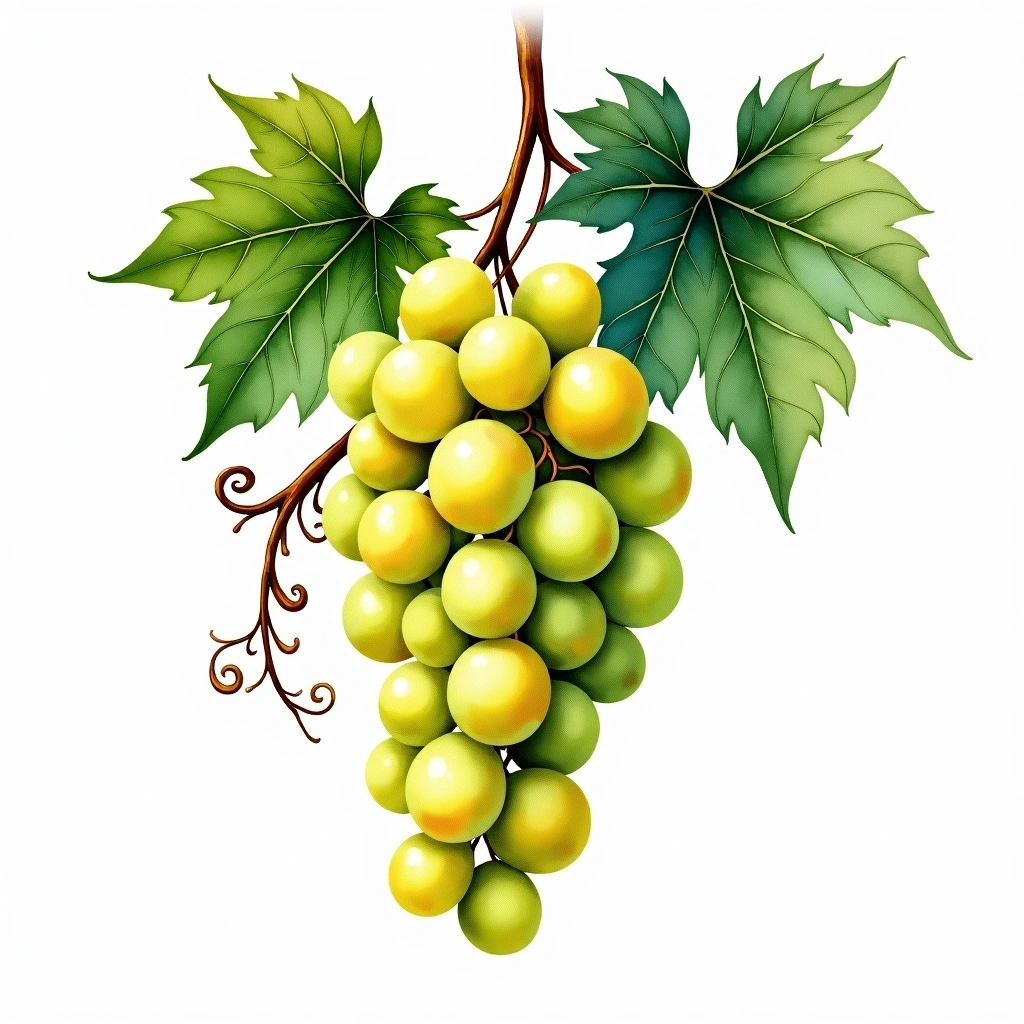 Albariño
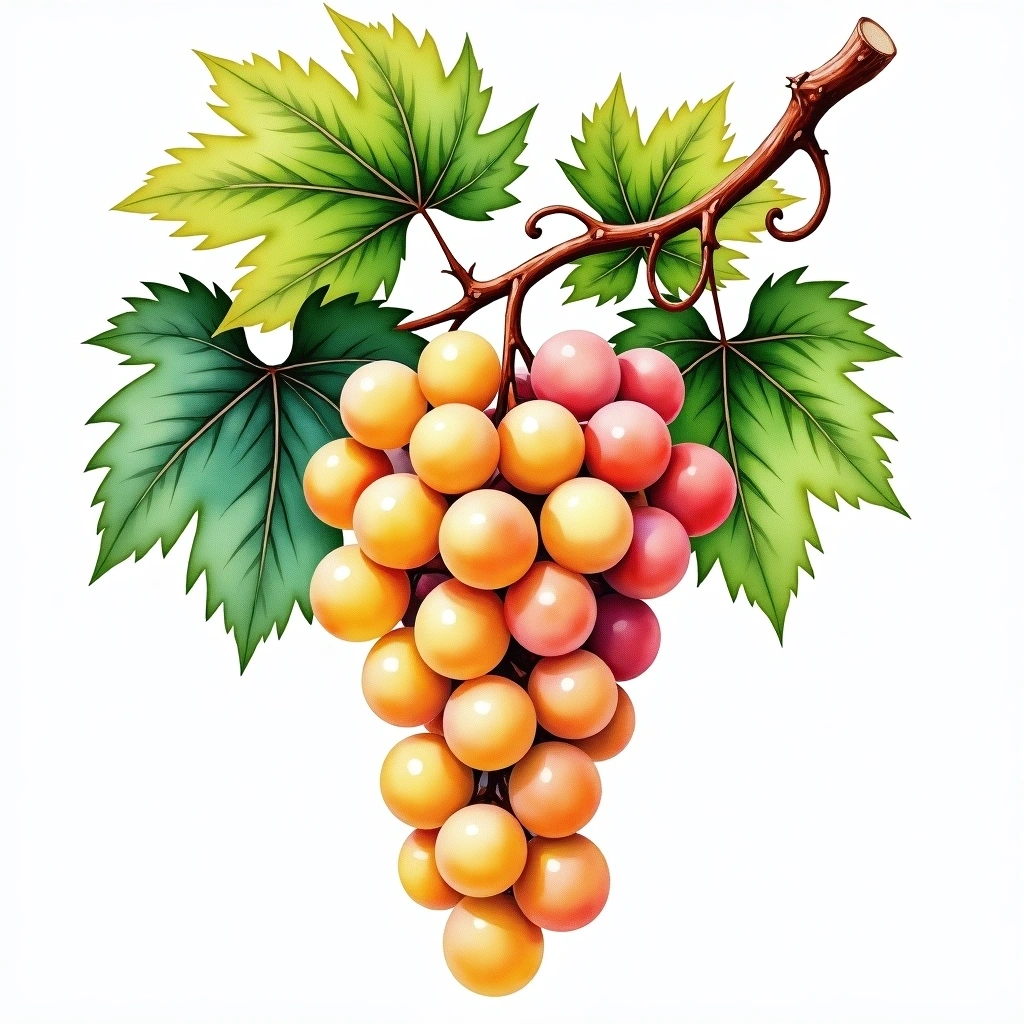 Pinot Grigio
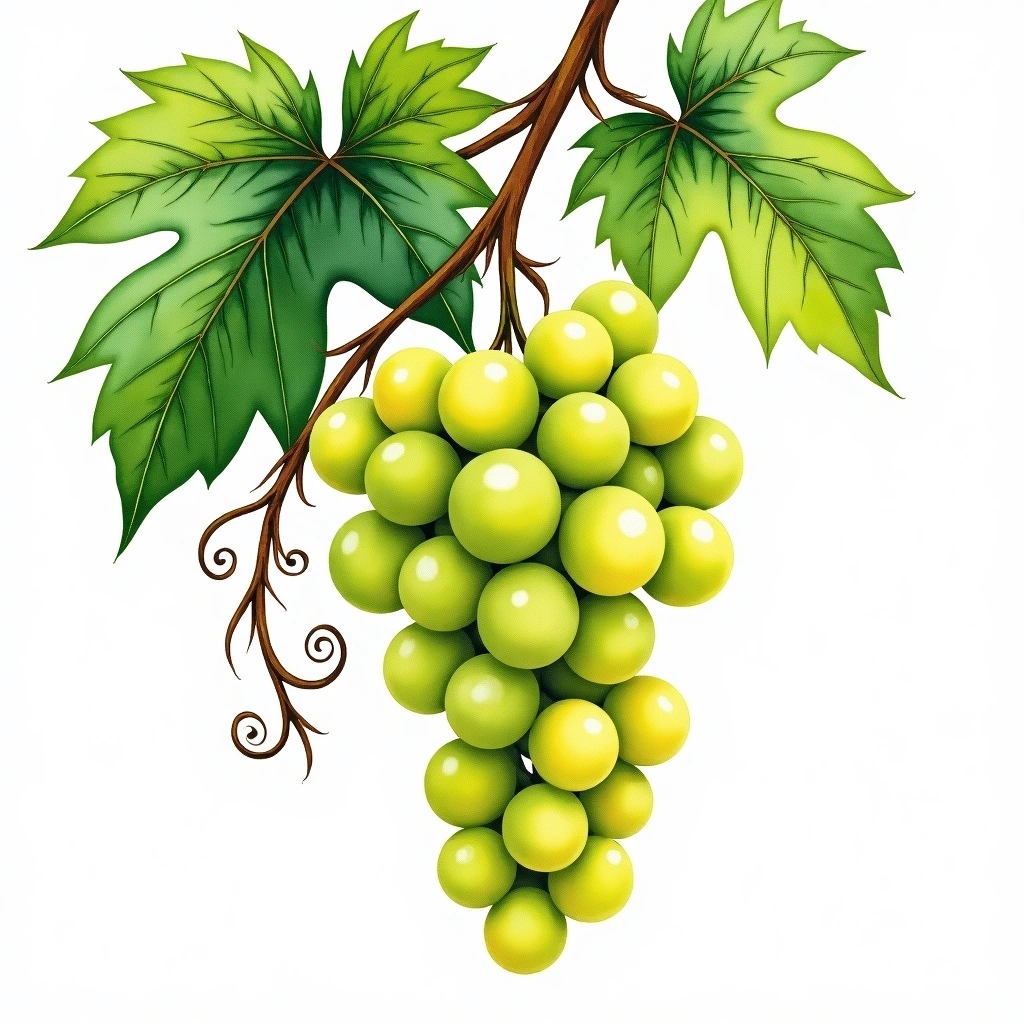 Sauvignon Blanc
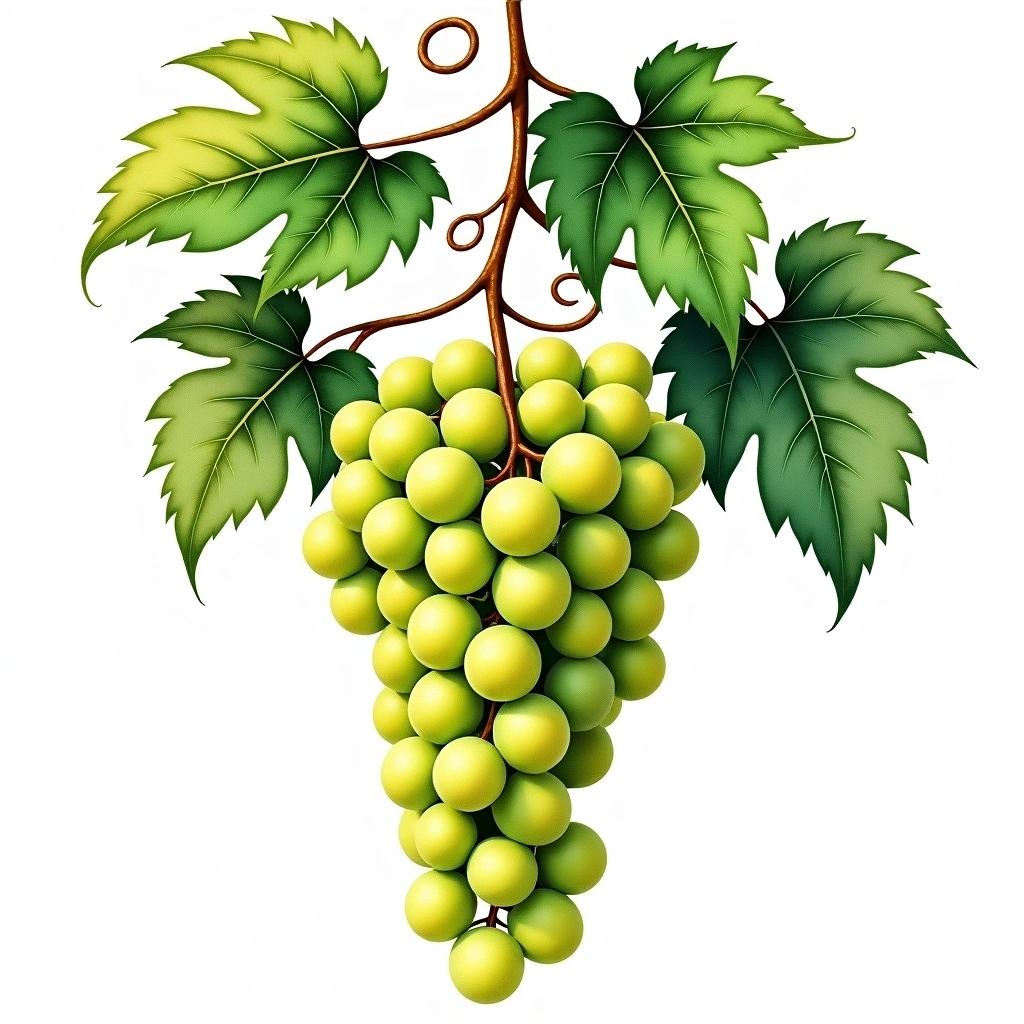 Verdejo