The Chemistry of Wine Color
Wine color is not just visual — it is chemical evidence of a wine's grape variety, winemaking style, and age. This guide explains the pigments responsible for red, white, and rosé colors, how they evolve with oxidation and aging, and what color tells you about a wine before you even taste it.
Color as Chemistry
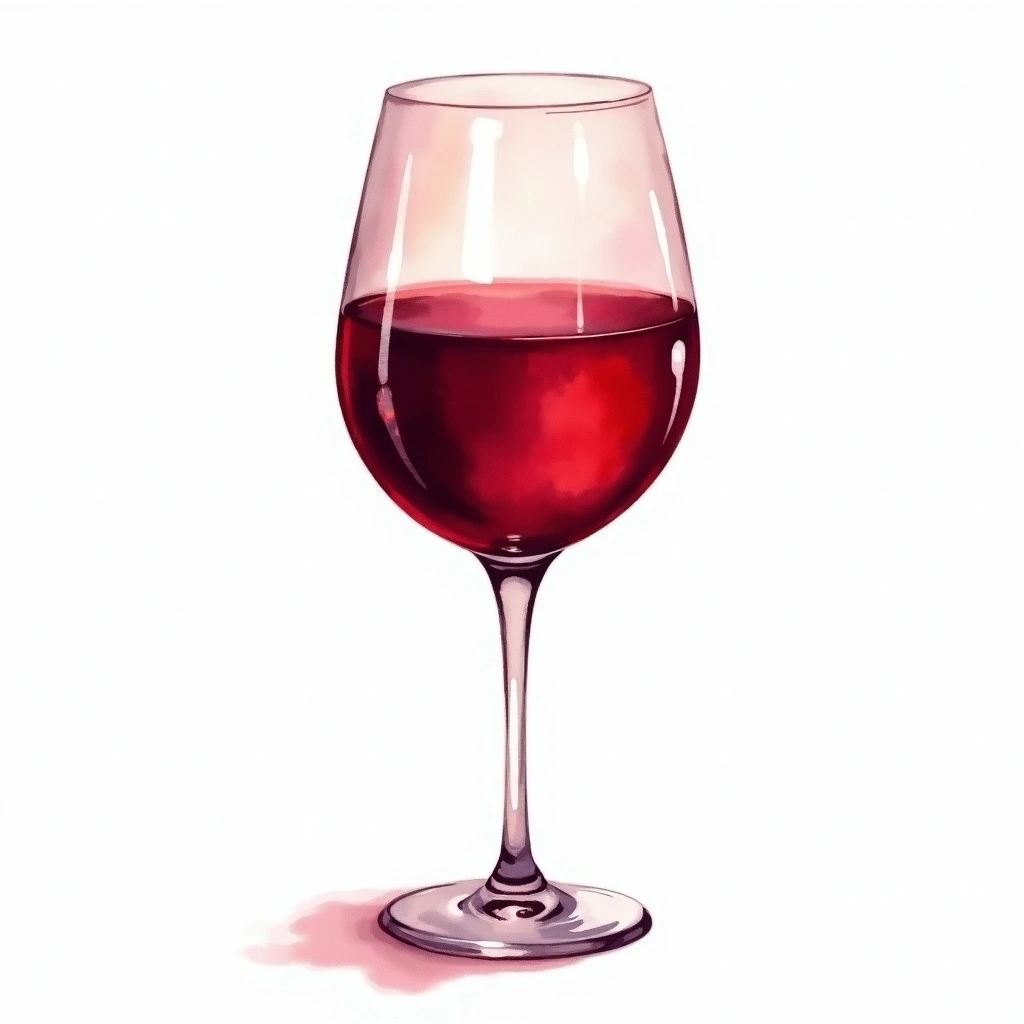
Pour a young Bold Red Cabernet Sauvignon next to a ten-year-old bottle of the same wine. The young wine is a deep, opaque purple-red. The older wine has shifted toward garnet, with a pale, translucent brick-colored rim. These are not aesthetic accidents — they are the visible record of ongoing chemistry happening inside the bottle. Understanding wine color means understanding the molecules that create it and the reactions that transform them over time.
Red Wine: The Anthocyanin Story
The vivid reds and purples of young red wine come from a family of compounds called Anthocyanin (from the Greek "anthos" for flower, "kyanos" for dark blue). Anthocyanins are natural pigments found throughout the plant kingdom — they color blueberries, cherries, and autumn leaves. In wine grapes, they are concentrated in the skins.
Grape-Derived Anthocyanins
Red wine grapes contain five primary anthocyanins in the glucoside form: - Delphinidin-3-glucoside (blue-red) - Cyanidin-3-glucoside (red-orange) - Petunidin-3-glucoside (blue-red) - Peonidin-3-glucoside (red) - Malvidin-3-glucoside (blue-red)
Malvidin-3-glucoside dominates in most wine grape varieties, representing 50–90% of total anthocyanin content. The relative proportions of these pigments vary by variety, contributing to subtle color differences — Syrah/Shiraz typically shows deeper blue-black hues than Grenache, for example, partly reflecting anthocyanin profile differences.
pH and Anthocyanin Color
Anthocyanins are chameleons. Their color shifts dramatically depending on the acidity (pH) of the medium:
- At very low pH (below 2): Bright red (flavylium cation form, dominant)
- At pH 3.0–3.5 (typical wine): Equilibrium between red and colorless/pale forms
- At pH 5–6: Purple (quinonoidal base forms dominate)
- At higher pH: Blue, then colorless
This explains why high-acid wines (lower pH) often appear more vibrantly red than lower-acid wines of the same variety. A Nebbiolo-based wine from Piemonte, with its characteristically high acidity and low pH, maintains a clear, bright ruby hue despite having substantial aging potential.
Sulfites (sulfur dioxide) also react with anthocyanins, bleaching them to a pale, colorless form. This is why heavily sulfited young wines sometimes appear unexpectedly light for their grape variety, then recover color intensity as the SO₂ dissipates.
Extraction: Building Color in the Tank
During Maceration of red wines, anthocyanins leach from the skins into the fermenting juice. The rate and extent of Extraction depends on temperature, alcohol concentration, pH, and physical manipulation.
- Alcohol: Anthocyanins are more soluble in alcohol than in pure water. As fermentation progresses and alcohol rises, extraction of pigments accelerates. This is one reason winemakers sometimes delay cold-soak before fermentation — the pre-fermentation environment is more aqueous and extracts color and aroma differently than the alcoholic environment during fermentation.
- Temperature: Warmer fermentation temperatures increase extraction of all compounds, including color.
- Cold Soak: Pre-fermentation cold soaking at 5–10°C allows selective extraction of anthocyanins (water-soluble) while limiting extraction of harsh tannins (more alcohol-soluble). The goal is color depth with textural softness.
The Transformation: From Young Pigments to Stable Color
Free anthocyanins are chemically unstable. In the first weeks after fermentation, a young red wine's color is largely composed of these monomeric (single-molecule) pigments, giving vivid, somewhat unstable purple-red hues. Over the following months and years, the color evolves through a complex series of polymerization and condensation reactions.
Tannin-Anthocyanin Reactions
When anthocyanins react with grape-derived Tannin (proanthocyanidins) and with acetaldehyde produced during mild oxidation in barrel, they form polymeric pigments — large, complex molecules that are more stable, less sensitive to pH changes, and shift in hue from blue-red toward orange-red and eventually brick-red. These are the stable pigments that give a well-aged red wine its characteristic garnet-to-mahogany color spectrum.
Acetaldehy de, produced when ethanol is mildly oxidized, serves as a molecular bridge linking tannins and anthocyanins together. This is one of the key reactions that makes barrel aging — with its gentle, controlled oxygen exposure — so effective at color stabilization: without that trickle of oxygen, the bridge-building aldehydes do not form efficiently.
Copigmentation: Amplifying Color
A phenomenon called copigmentation occurs when free anthocyanins interact non-covalently with colorless Phenolics and other polyphenols. This stacking of molecules amplifies the apparent color intensity significantly — by 50–200% in some studies. The colorless copigments do not contribute color directly, but they create a more densely packed chromophore (color-bearing structure) that absorbs more light.
This explains why a very young red wine can appear more intensely colored than its actual anthocyanin concentration would predict, and why color can temporarily decrease when wines are racked or aggressively fined — disrupting copigmentation complexes before stable polymers have fully formed.
Reading Color: What It Tells You
An informed taster extracts substantial information from a wine's color before ever bringing the glass to their nose.
Depth and Opacity
- Opaque, inky (cannot see your hand through the glass): Typically indicates high extraction, warm climate, or thick-skinned varieties. Common in young Syrah/Shiraz from Barossa Valley, young Cabernet Sauvignon from Napa Valley.
- Translucent, pale ruby: Can indicate light-bodied variety (Pinot Noir from Bourgogne, Grenache), cool climate, low extraction, or age.
Hue at the Rim
Tilt the glass and examine the outermost edge of the wine against a white background:
- Purple-blue rim: Very young wine; free anthocyanins dominant; fresh, primary fruit likely.
- Crimson-red rim: Early maturity; balance of free and polymeric pigments; fruit and complexity developing.
- Garnet-orange rim: Maturity; polymeric pigments dominant; secondary aromas developed; tannins softer.
- Brick-brown rim: Advanced age or oxidative handling; tertiary aromas (leather, dried fruit, earth) expected.
Variety Signatures
Certain grape varieties have distinctive color profiles regardless of winemaking style:
- Nebbiolo: Pale, translucent ruby, often with orange at the rim even when young — belying the wine's enormous tannic structure.
- Syrah/Shiraz: Deep, almost opaque purple-black in youth.
- Grenache: Pale garnet, often shows orange hues relatively early.
- Sangiovese: Medium ruby, tends toward ruby-garnet rather than deep purple.
White Wine: Where Does the Color Come From?
White wine is not truly colorless — it ranges from nearly water-clear in young, stainless-steel-fermented Sauvignon Blanc to deep amber-gold in oxidatively aged Sherry or orange wine. These colors come primarily from phenolic compounds, particularly hydroxycinnamic acids and their derivatives, which oxidize gradually from colorless to yellow, gold, and eventually amber-brown.
Temperature during storage is the primary driver of white wine browning. Heat accelerates the oxidation and polymerization of phenolics. This is why improperly stored white wines turn amber far faster than expected. A clear glass with a deep golden color that the vintage and winemaking style do not explain is often a sign of heat damage.
Orange wines — whites with extended skin contact — gain their distinctive amber, copper, or deep orange color from the same anthocyanins and phenolics found in red wines, extracted through maceration of the grape skins before or during fermentation.
Rosé: The Color Spectrum of Brief Contact
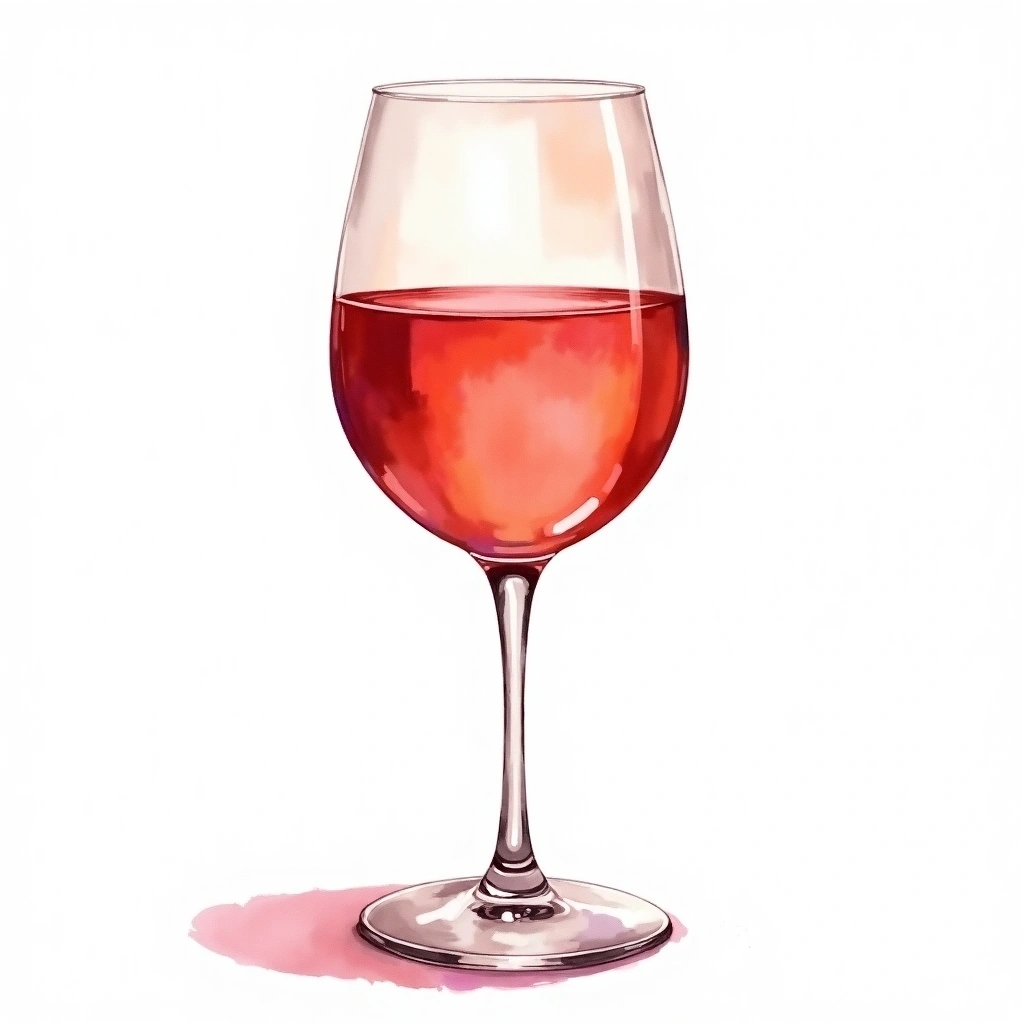
Rosé wines derive their color from a very brief period of skin contact — typically a few hours to two days — extracting only a fraction of the anthocyanins present in the skins. The resulting spectrum runs from the palest onion-skin "gris" to deep salmon and even light ruby-pink.
Beyond skin contact duration, rosé color is influenced by variety (Grenache makes pale, orange-tinted rosés; Syrah/Shiraz makes deeper, pinker ones), pH (lower pH = brighter red hue), and sulfite additions.
Color in wine is, ultimately, chemistry made visible — a live readout of the grape variety, winemaking choices, and the aging journey that every bottle records in its own unique way.
 Cabernet Sauvignon
 Chardonnay
 Grenache
 Merlot
 Nebbiolo
 Pinot Noir
 Sangiovese
 Syrah/Shiraz
 Bold Red
 Dry Rosé
 Elegant Red
 Light Red
 Rich White