How to Taste Wine Like a Professional
A step-by-step breakdown of the professional wine tasting method — look, swirl, smell, sip, and spit — with practical tips for training your senses and recording meaningful notes.
Why Professionals Taste Differently
Most people smell wine briefly, take a sip, and swallow. A trained taster spends two to three minutes with every glass, moving through a structured sequence that extracts every available piece of information from the wine. The method is not about snobbery — it is about repeatability. Tasting systematically means you can compare wines side-by-side fairly, communicate clearly with other tasters, and actually remember what you tasted six months later.
This guide teaches the standard professional approach used by sommeliers, Masters of Wine, and wine judges worldwide. You do not need rare genetics or a lifetime of experience to start using it today.
The Five-Step Method
Step 1: Look
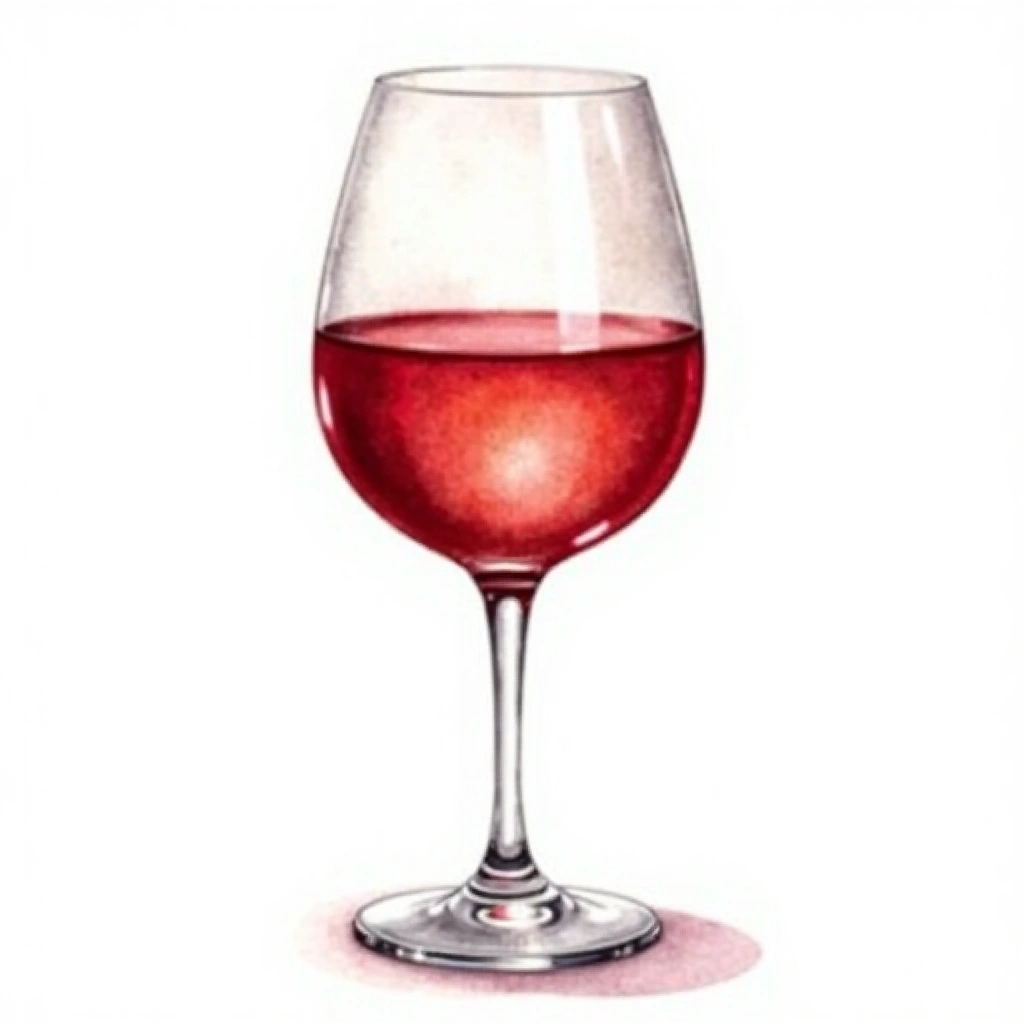
Pour about 45 ml (1.5 oz) into a clean, clear glass. Tilt it to roughly 45 degrees against a white background — a white napkin or sheet of paper works perfectly.
Examine three things:
Color intensity: Is the wine pale, medium, or deep? A pale Crisp White like Sauvignon Blanc looks almost watery at the rim. A full Bold Red Cabernet Sauvignon can be nearly opaque in the center.
Hue: For whites, the spectrum runs from green-gold (young, high-acid wines like Vinho Verde) to deep amber (oxidized or aged). For reds, young wines often show purple or ruby; as they age the color shifts toward garnet, brick, and finally tawny-orange at the rim. A Pinot Noir from Bourgogne shows a translucent ruby, while a young Napa Cabernet Sauvignon pours an inky violet.
Clarity: Is the wine clear, hazy, or throwing sediment? Light haziness may indicate an unfiltered natural wine; heavy cloudiness in a supposedly stable wine can signal a fault.
Viscosity: Swirl the glass and watch the "legs" (or "tears") that form and drip down the side. Thicker, slower legs suggest higher alcohol or residual sugar — not necessarily higher quality, despite popular mythology.
Step 2: Swirl
Swirl the wine vigorously for five to ten seconds before you smell it. Swirling increases the wine's contact with oxygen, releasing volatile aromatic compounds from the surface. A narrow glass traps and concentrates these aromas; a wide bowl disperses them. For tasting, a standard ISO tasting glass (tulip-shaped, 215 ml) provides a reliable result regardless of what is in it.
Keep the glass on the table and rotate it with your wrist if you are still learning the motion — far fewer spills than swirling mid-air.
Step 3: Smell
This is the most important step. Research consistently shows that what we perceive as "flavor" is predominantly Aroma — the volatile compounds that reach the olfactory bulb via the back of the throat during and after swallowing. Without smell, wine would be little more than acidic, slightly bitter liquid.
Approach the glass in two passes:
First sniff (brief): Hold the glass under your nose without sticking it in and take one short inhalation. This gives you an initial impression and protects against olfactory fatigue. Note the overall character: fruity? Floral? Earthy? Funky?
Second sniff (deep): Insert your nose into the glass and inhale slowly. Search methodically for aromas in three categories:
- Primary aromas (from the grape itself): Fruit, flowers, herbaceous notes. Riesling from the Mosel shows lime blossom and peach. Sauvignon Blanc from Marlborough shows grapefruit and fresh-cut grass. Pinot Noir from Bourgogne shows cherry and violets.
- Secondary aromas (from fermentation): Bread dough, cream, yogurt, butter. These come from yeast activity and malolactic fermentation.
- Tertiary aromas / Bouquet (from aging): Vanilla, toast, cedar, leather, tobacco, dried fruit, mushroom, earth. Tertiary notes develop with time in barrel or bottle.
If the wine has been aged in oak, you may detect vanilla, clove, or coconut — notes that are not from the grape but from the wood. An Oaky character is fine in moderation; overpowering oak can mask everything else.
Step 4: Sip and Assess
Take a 10–15 ml sip. Instead of immediately swallowing, hold the wine in your mouth for five to eight seconds and evaluate these structural components:
Acidity: The mouth-watering, lip-smacking sensation. Acidity is one of wine's primary preservatives and gives whites their freshness and reds their food-friendliness. High-acid wines feel lively; low-acid wines can taste Flabby.
Tannin: The drying, gripping sensation on your gums and the inside of your cheeks. Tannin comes from grape skins, seeds, and stems, and from oak barrels. In a young Bold Red like a Cabernet Sauvignon from Napa Valley, tannins can feel Angular and drying. Well-integrated tannins feel Silky or Round.
Body: The weight and texture of the wine on your Palate — light-bodied feels like water, full-bodied feels like whole milk. Body correlates loosely with alcohol level but is also influenced by residual sugar and extract.
Sweetness: Is there any residual sugar, or is the wine dry? Even a bone-dry wine may seem slightly sweet if its fruit is very ripe.
Mouthfeel: Is the texture smooth, velvety, rough, or watery? Phenolics beyond tannin also contribute to texture.
Flavor concentration: Are flavors pale and delicate, or do they burst across your palate?
Balance: Do all the elements — fruit, acid, tannin, alcohol, sweetness — coexist harmoniously, or does one element dominate uncomfortably?
To maximize flavor extraction, some tasters draw a small amount of air over the wine through barely parted lips (a slight slurping sound is normal). This action, called "aspirating" the wine, volatilizes more aromatic compounds and sends them to the olfactory receptors via the retro-nasal route.
Step 5: Spit (or Swallow) and Evaluate the Finish
Professional tastings nearly always involve spitting. This is not affectation — when tasting 20 or 50 wines, swallowing would impair judgment significantly by the fifth glass. A tasting bucket ("spittoon") is always available at professional events.
After spitting (or swallowing), assess the Finish: the length and character of flavors that persist after the wine has left your mouth. Great wines have long, complex finishes that evolve over 30 seconds or more. Simple wines disappear in seconds. A bitter, astringent, or unpleasant finish is a negative quality indicator.
Count the seconds your finish lasts — this "caudalie" measurement is used by some critics as a quality benchmark.
Recording Your Notes
The effort you invest in smelling and tasting is wasted if you do not record it. A simple format works well:
Date | Wine | Vintage | Producer | Region
- Appearance: Color, intensity, clarity
- Nose: Primary / secondary / tertiary aromas (3–5 descriptors each)
- Palate: Acidity, tannin, body, sweetness, flavor descriptors
- Finish: Length (short/medium/long), character
- Overall assessment: Quality level, drinking window, score (optional)
Digital apps (Vivino, CellarTracker, Delectable) make this easier, but a small notebook in your pocket works just as well. The act of writing forces you to translate vague impressions into specific language — which is itself a form of palate training.
Common Beginner Mistakes
Sniffing too long: Olfactory fatigue sets in after 20–30 seconds. Take two focused sniffs, then rest.
Forgetting to swirl: A flat, unswirled wine gives you a fraction of its aroma information.
Using flavored lip balm or perfume: These override subtle wine aromas completely. Taste wine in a neutral-scent environment when you can.
Over-analyzing: Structure matters, but pleasure matters more. Professional tasting is a tool, not an end in itself. The goal is to understand wine better so you enjoy it more.
Ignoring the finish: Many tasters form opinions during the sip but neglect the finish. Some wines are disappointing on the palate but reveal their quality in a long, complex finish — and some wines that taste rich and impressive fade instantly, signaling lower quality.
Building the Habit
Tasting professionally is a learnable skill that improves with repetition. Three practical exercises:
-
Blind tasting practice: Have a friend pour you wines without revealing what they are. Assess color, aroma, and palate, then guess grape variety, region, and vintage. The pressure of guessing without a label forces you to pay closer attention.
-
Comparative tasting: Open two wines side-by-side — same grape, different regions, or same region, different vintages. Contrast sharpens perception.
-
Aroma training: Buy an "aroma kit" (Le Nez du Vin is the classic) — small vials of isolated wine aromas like raspberry, vanilla, leather, or struck flint. Training your nose to identify aromas in isolation makes them far easier to spot in actual wine.
Professional tasters practice these exercises constantly. There is no shortcut to experience, but there is a map. This five-step method is it.
The Right Glassware
Equipment matters more than people think, though you do not need an expensive collection. At minimum you need a clean, odor-free glass with a stem and a tapered opening — the stem prevents your hand from warming the wine, and the taper concentrates aromas at the rim.
The ISO tasting glass (215 ml, tulip-shaped) is the international standard for a reason: it is designed to show every style of wine fairly, without enhancing or suppressing particular characteristics. Riedel, Zalto, and other premium glass brands produce variety-specific shapes that undeniably emphasize certain aromas in certain wines — a Burgundy bowl accentuates Pinot Noir's delicate perfume; a tall Riesling glass concentrates cool-climate aromatics — but these nuances matter most to experienced tasters. Start with ISO-style glasses and upgrade as your interest deepens.
One non-negotiable: wash glasses in hot water without detergent and store them upright (not inverted on a surface that might impart odors). Residual soap or a musty storage smell ruins the tasting experience instantly.
Tasting at Home vs. Professional Environments
Professional tasting environments are controlled to remove variables: neutral lighting (or daylight-balanced bulbs), no background odors, no music, a white or neutral surface, and tastings conducted late morning when the palate is freshest (not immediately after coffee, spicy food, or toothpaste).
At home, these conditions are harder to achieve — but a few adjustments make a real difference:
Timing: Avoid tasting immediately after strongly flavored food or coffee. A 30-minute palate reset with water and plain bread helps.
Lighting: Natural daylight or a neutral white bulb shows color accurately. Incandescent bulbs make everything appear more amber than it is.
Odors: Do not wear heavy perfume or cologne during a focused tasting session. Your olfactory receptors cannot distinguish between your cologne and the wine's floral notes.
Focus: Take your time. Rushing through a glass produces impressions rather than analysis. Professional tasters spend two to three full minutes with each wine; most social drinkers spend twenty seconds.
These small adjustments do not require a laboratory. They require only intention — a commitment to paying attention that transforms every glass you open into a genuine learning experience.
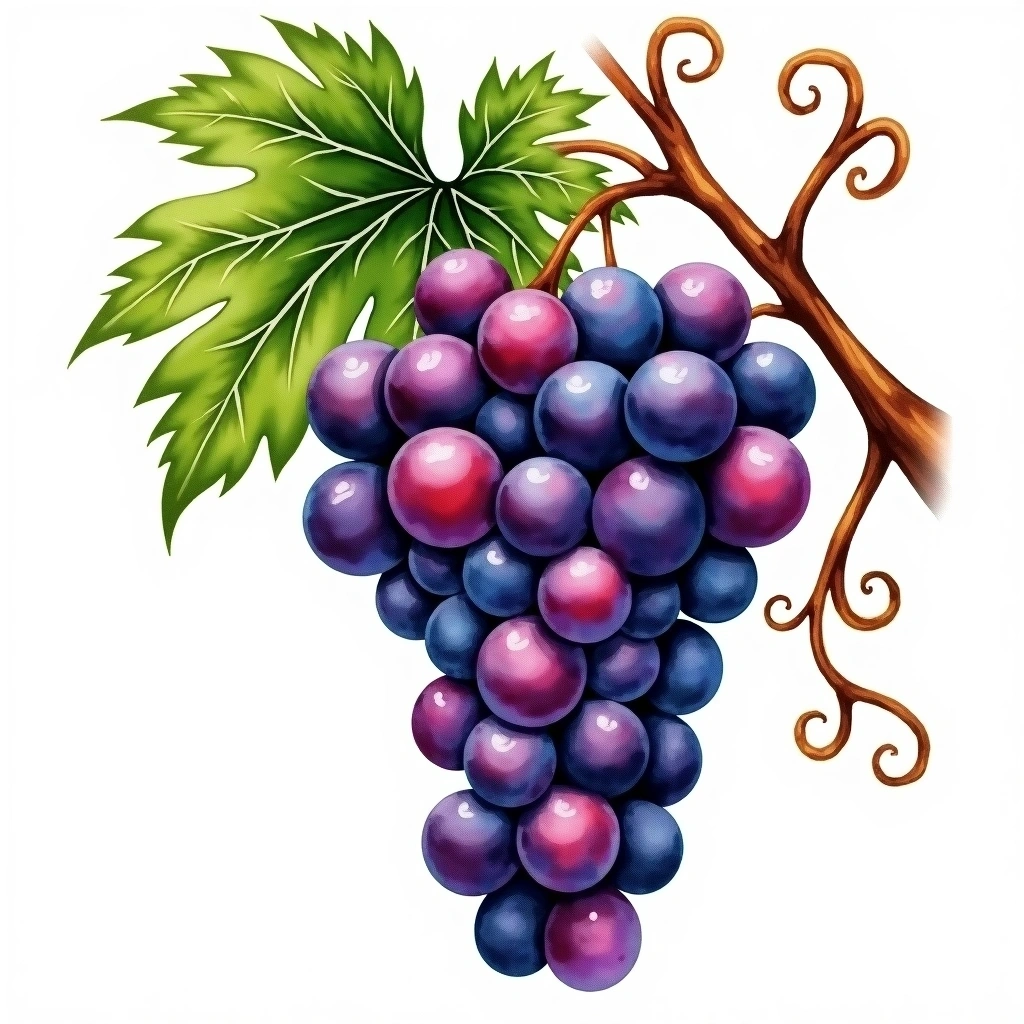 Cabernet Sauvignon
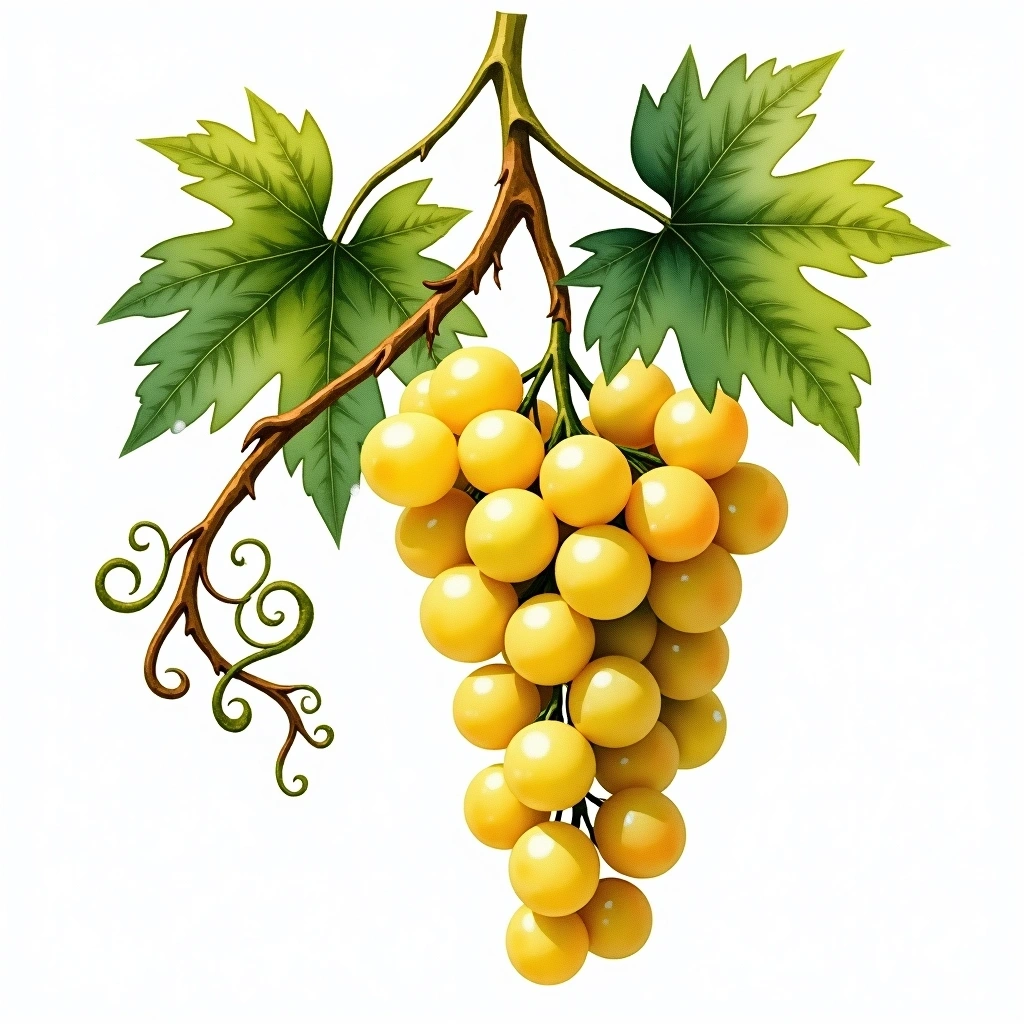 Chardonnay
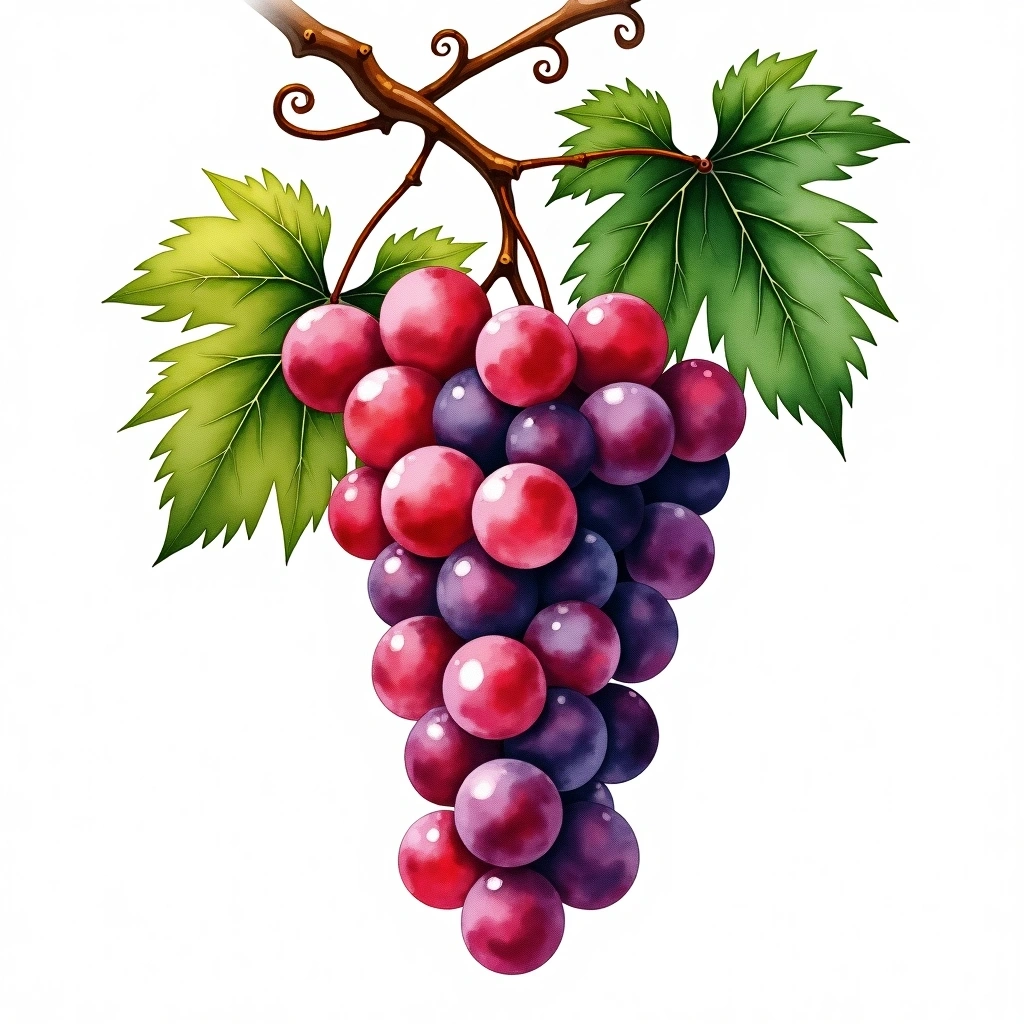 Pinot Noir
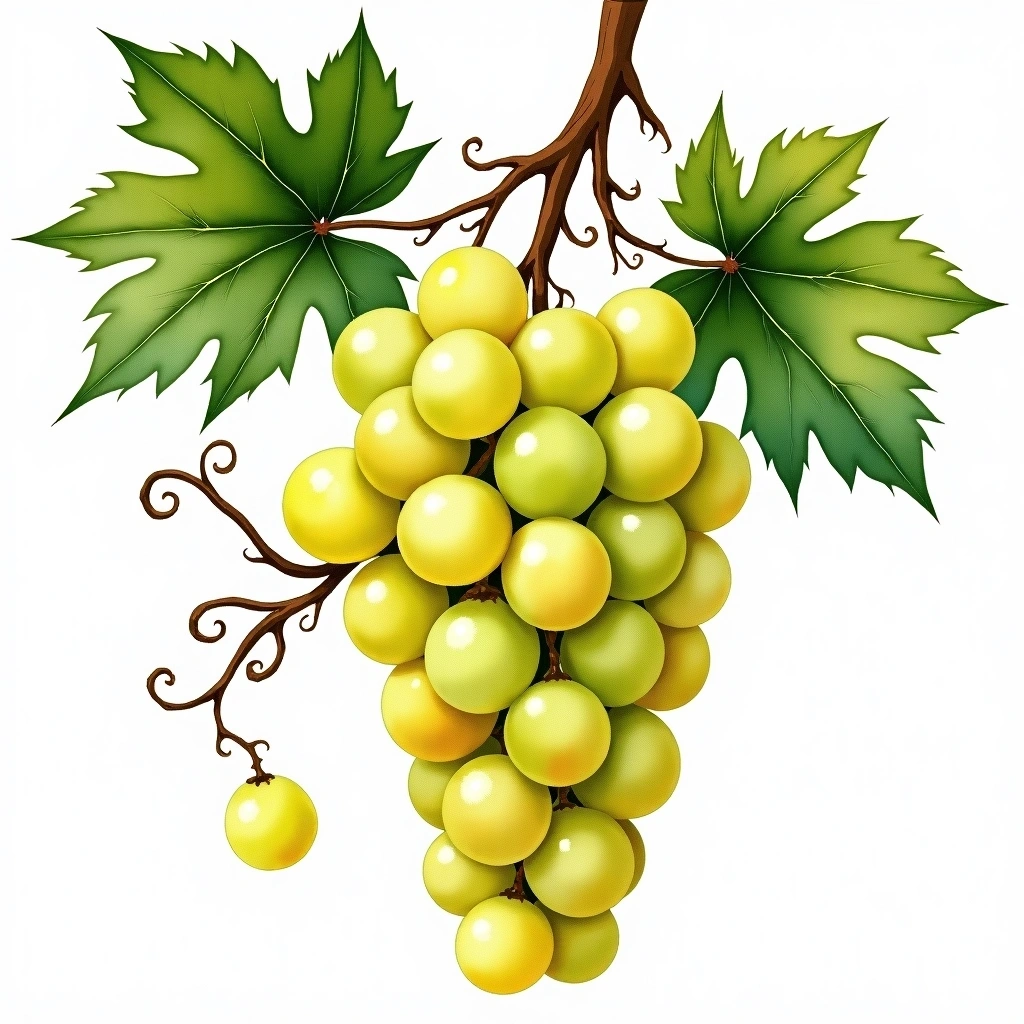 Riesling
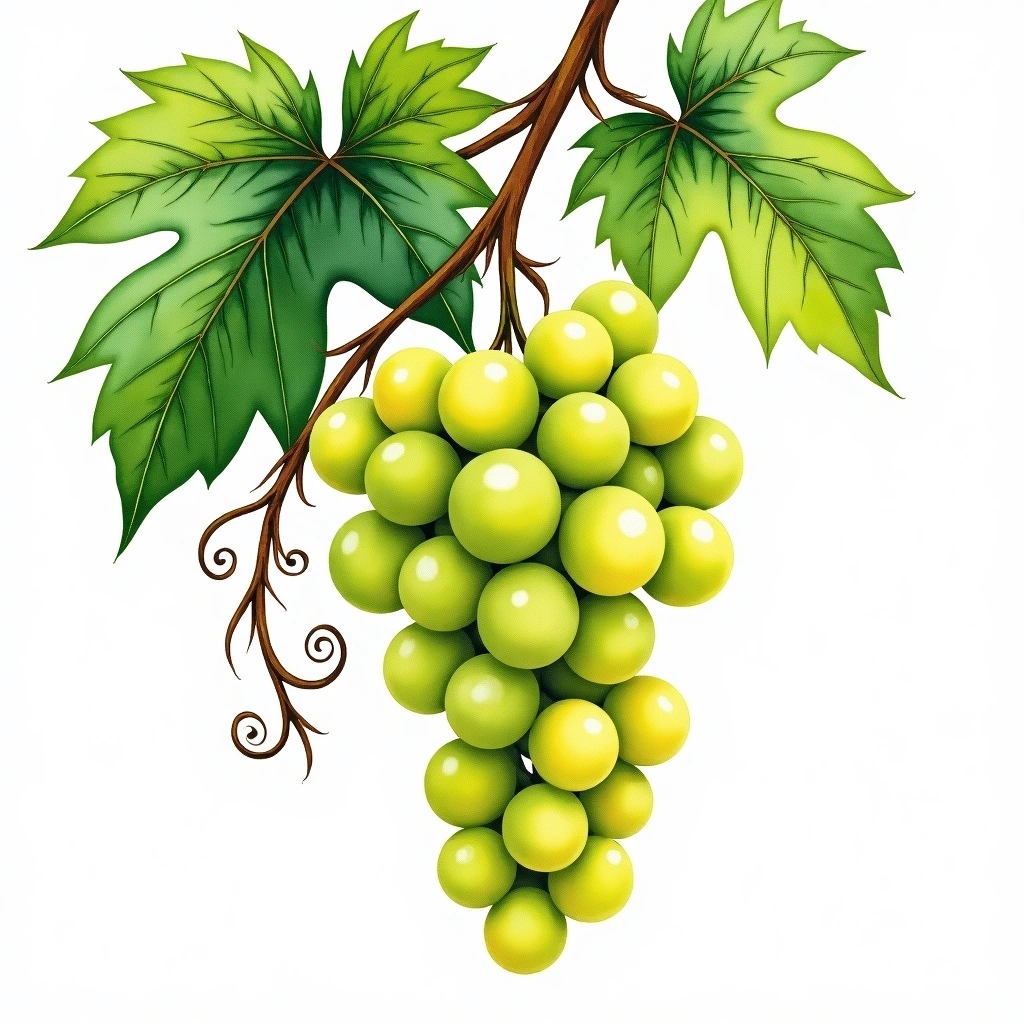 Sauvignon Blanc
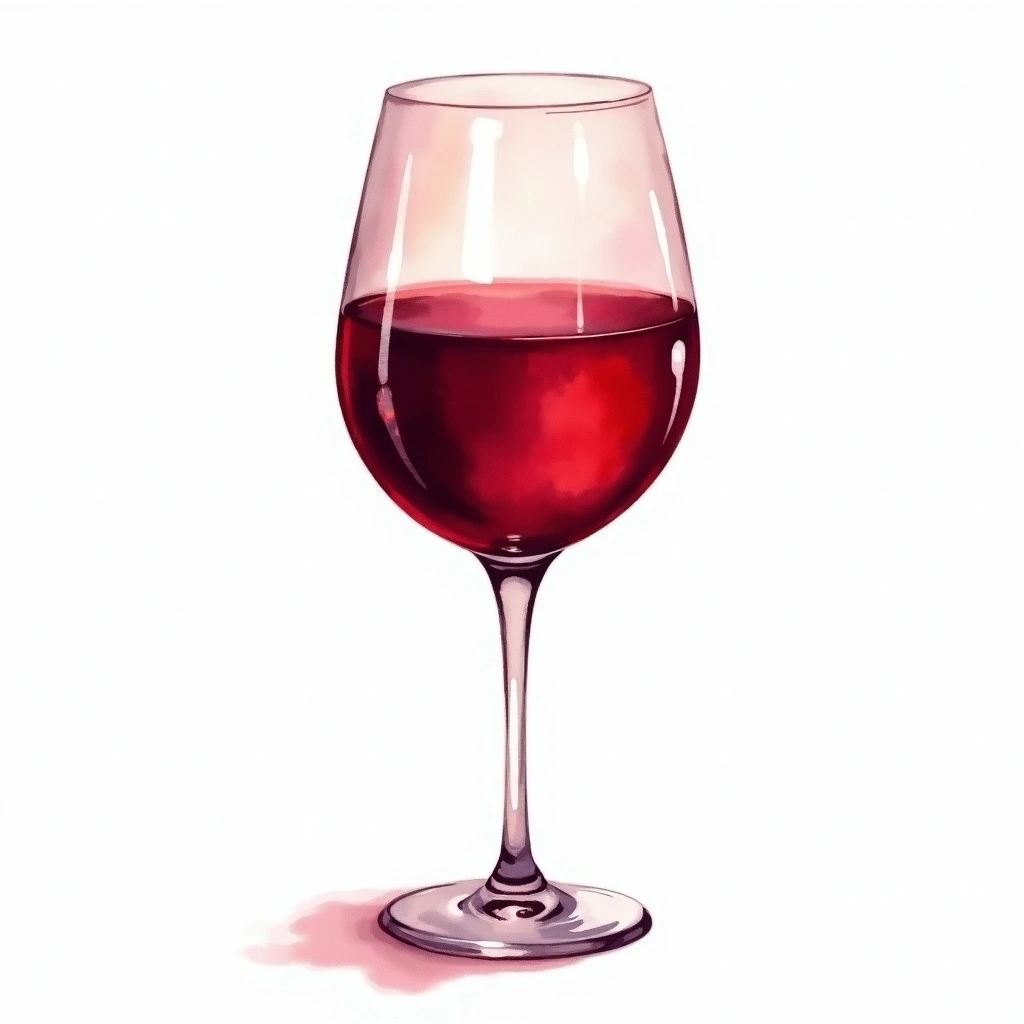 Bold Red
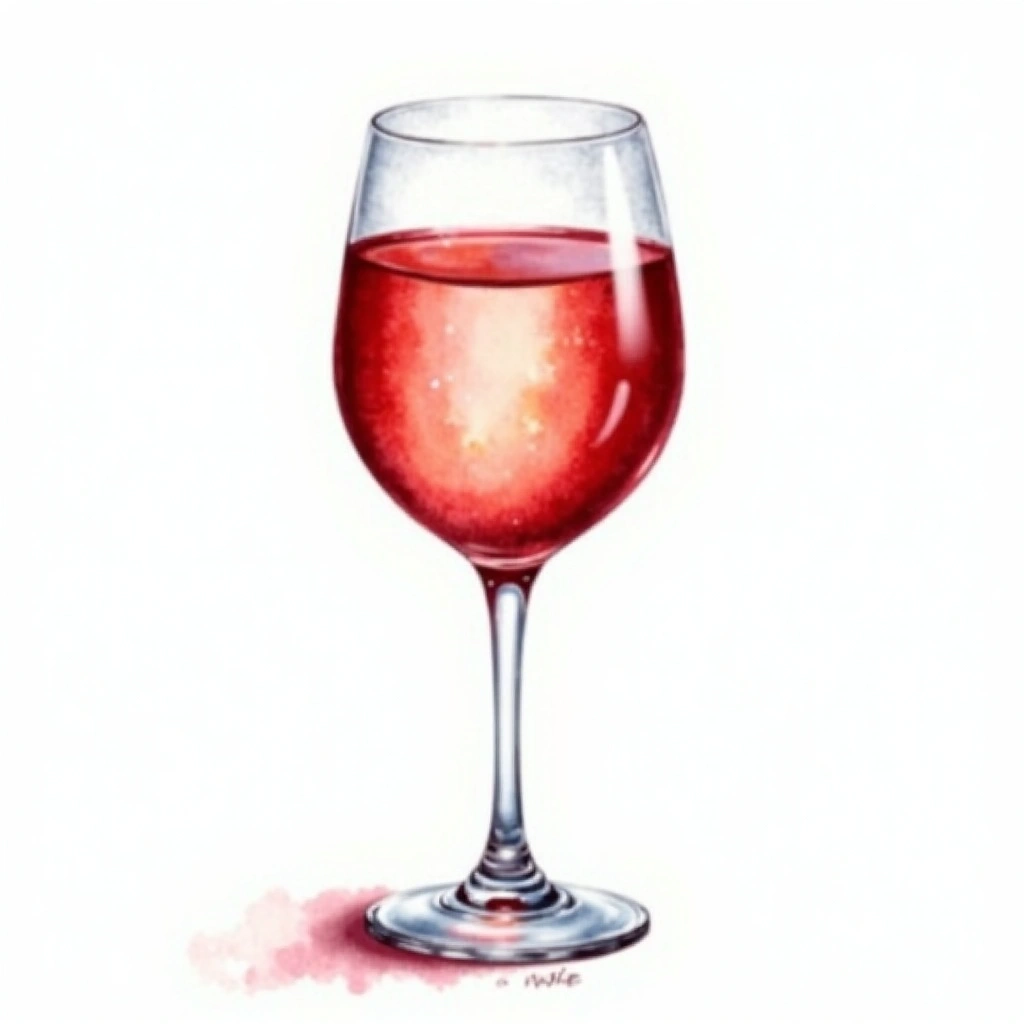 Crisp White
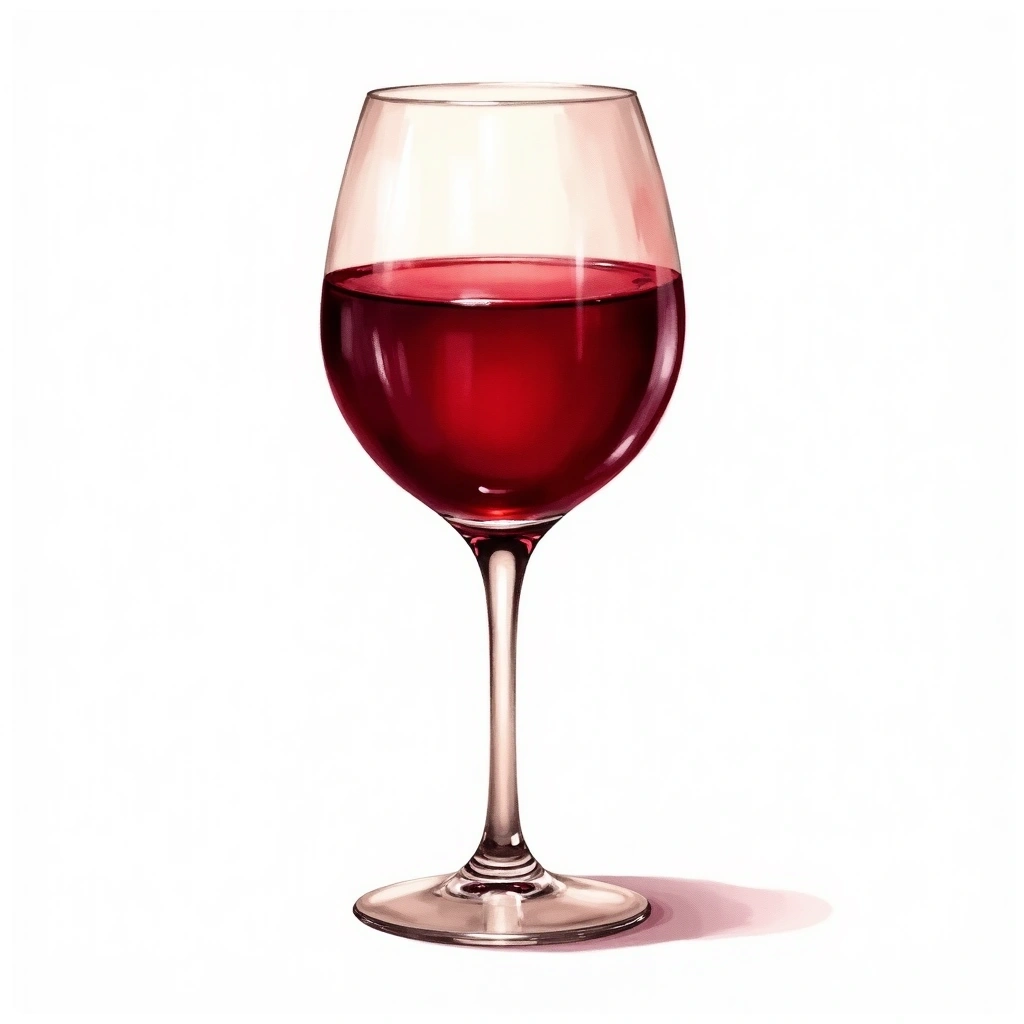 Elegant Red
 Rich White